Acting
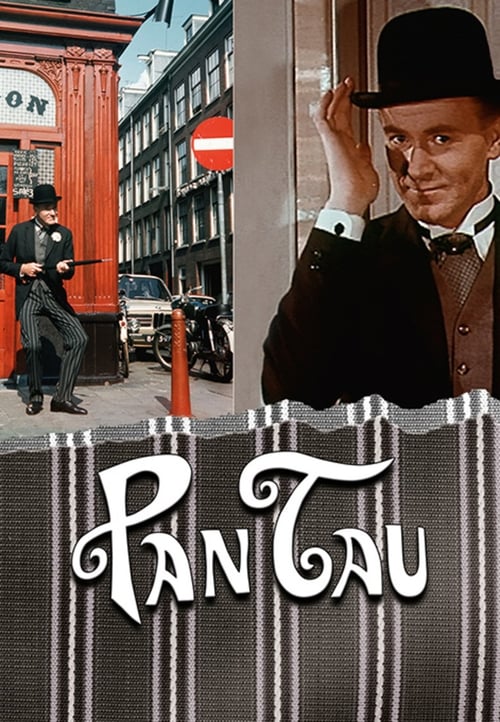
Pan Tau always had a gentle expression and a friendly smile, he was elegantly dressed in a stroller, with an umbrella and a white carnation in the lapel. Foremost, he was famous for his magic bowler hat. By tapping on his hat, Pan Tau was able to change his appearance into a puppet, to conjure up miscellaneous objects or to do other magic. His most characteristically behavior is that he would help children who were experiencing some sort of difficulties in-between their dreams and reality, like finding a place for skiing, settling family problems on Christmas, and even give a boy a good time at a fair when he is supposed to have piano lessons. To adults, he usually remained invisible.
No description available.
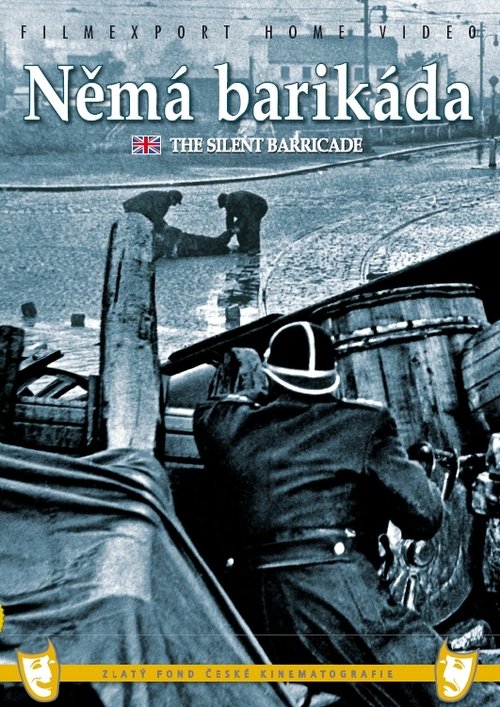
A fiction piece centered around the Czech resistance to the Nazis.
In the 1600s, an overzealous clergy hauls innocent women in front of tribunals, forces them to confess to imaginary witchery, and engages in brutal torture and persecution of their subjects.
Mikolás and his brother Adam end up with a young German hostage of noble blood during a robbery. While their clan prepares for the wrath of the German king, Mikolás is sent to pressure his neighbor Lazar into a defense pact. Persuasion fails and he abducts Lazar's daughter Marketa on the eve of her initiation as a nun in an act of vengeance.
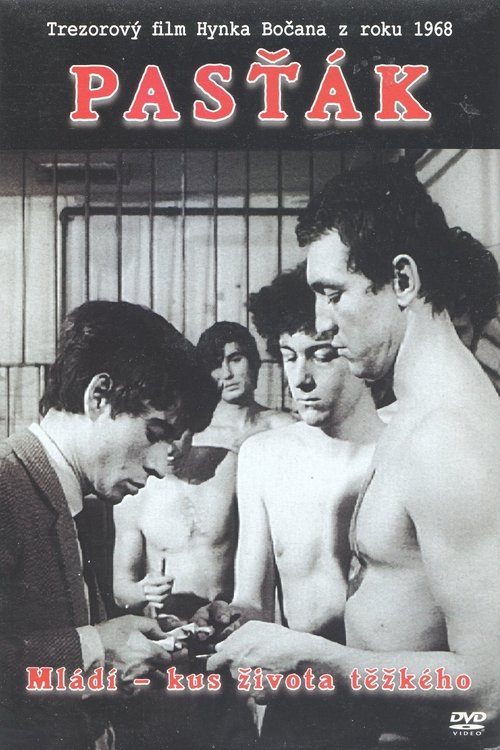
The story takes place during the 1960s. A young teacher takes on the role of a tutor in a Prague youth protection institution. Filming was stopped in 1968 and the final editing of the footage was not done until early 1989.
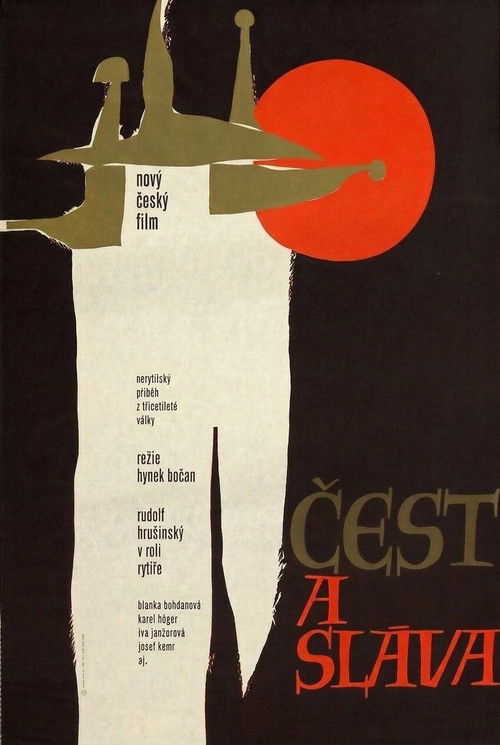
In 1647, the impoverished noble Václav Rynda shelters an imperial commissioner-only to learn the visitors are French agents plotting a Bohemian revolt against the Habsburgs.
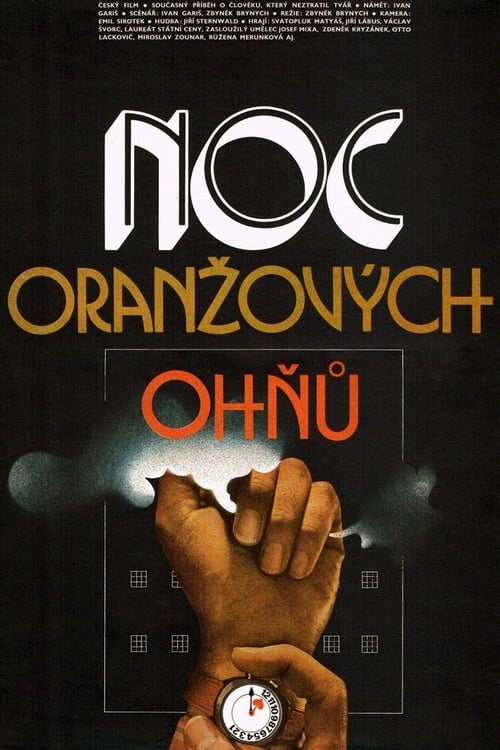
Petr Rynes (Svatopluk Matyás) is celebrating his forty-fifth birthday in the company of his friends. He is happy with his wife, and his abilities at work have been rewarded with the medal For Outstanding Work. But a few short seconds are enough to change his life when he makes the ill-judged decision to take his car to bring a friend's wife to the celebration, and hits a pedestrian on the way. He has of course been drinking at the party and is consequently sentenced to sixteen months in prison. Being in jail is not an easy thing for a honorable communist. He soon gets into conflict with several violent inmates, who think they can break his spirit by violence.
In the last days of the war, American planes bomb a synthetic gasoline plant in the Sudetenland. The workers are then faced with the enormous task of building a new plant on the site of the ruins and starting production. Their efforts are truly bearing fruit - after immense sacrifices, Stalin's plants are back in full swing, which is something that competitors abroad don't like to see and they try to use the reaction to liquidate the production of synthetic gasoline...
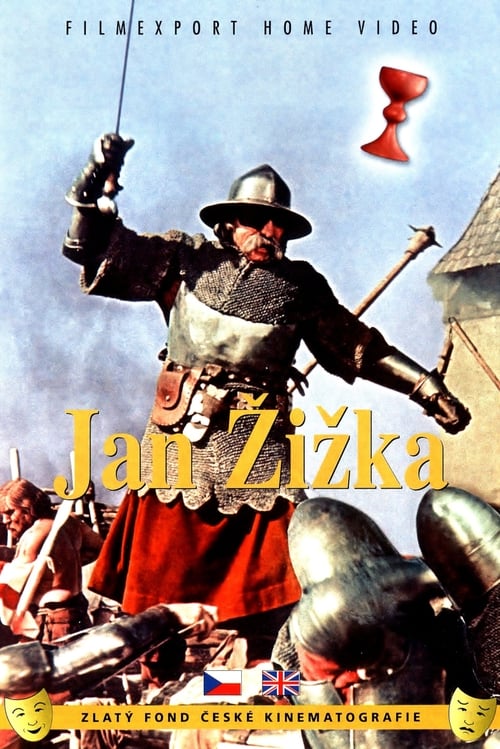
The second part of the revolutionary Hussite trilogy takes place in the years 1419-1420.
The Counter-Reformation period: Myslivec Machovec is forced by representatives of the Jesuit order to flee his home for his religious beliefs. His teenage children Helenka and Tomáš do not give up the faith and traditions of the Czech Brethren despite the increasing pressure.
A story about the conditions in Bohemia in the second half of the nineteenth century, when small-town officials, such as Hrdlička, succumbed to the predators of the emerging large financial and industrial bourgeoisie, represented by Jestřáb.
Ostrava - Kunčice , 1953: on the same day as the manifestation funeral for J. V. Stalin, the funeral of Brigadier Bédi Nevěřil, a tragic victim of the bureaucratic cadre machine... The story unfolds in the memoirs of another brigadier, former journalist Karel Kratochvil.
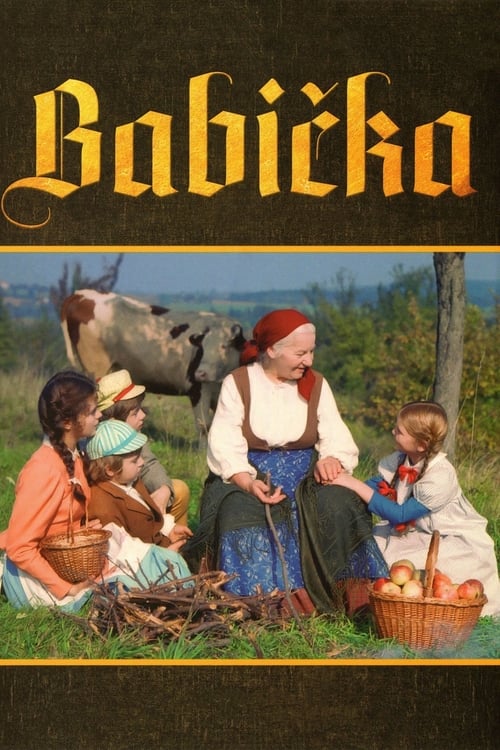
A tale based on novel by Czech writer Bozena Nemcova.
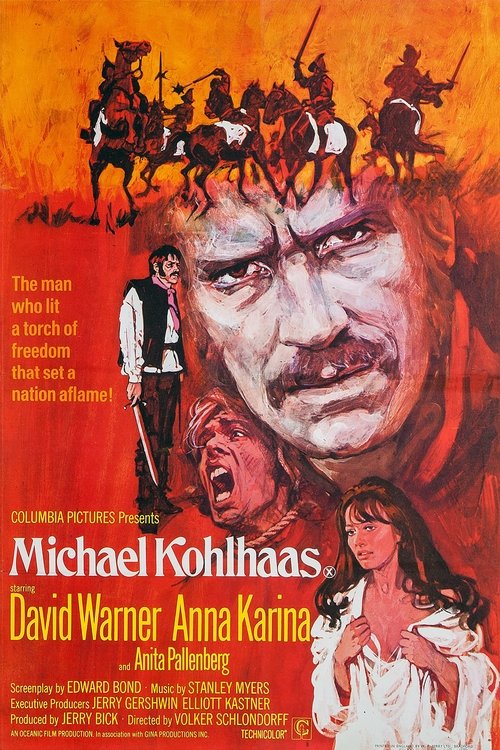
In medieval times, a horse merchant is forced by a noble to leave part of his stock as payment for crossing his land. Upon returning, he finds his horses near death, and when the noble refuses to compensate him, the merchant fights unsuccessfully against the injustice.