
Wang Zhiyi
Sound
Known For
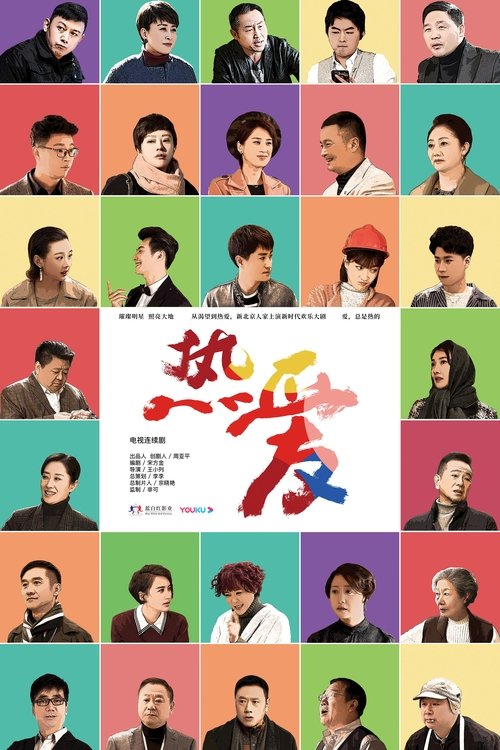
No description available.
New Fortress Besieged
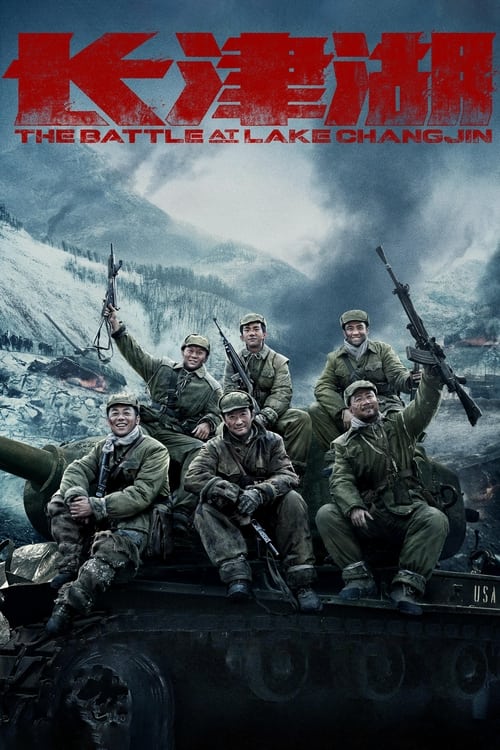
Korean War, winter 1950. In the frozen and snowy area of Changjin Lake, a bloody battle is about to begin between the elite troops of the United States and China.
The Battle at Lake Changjin
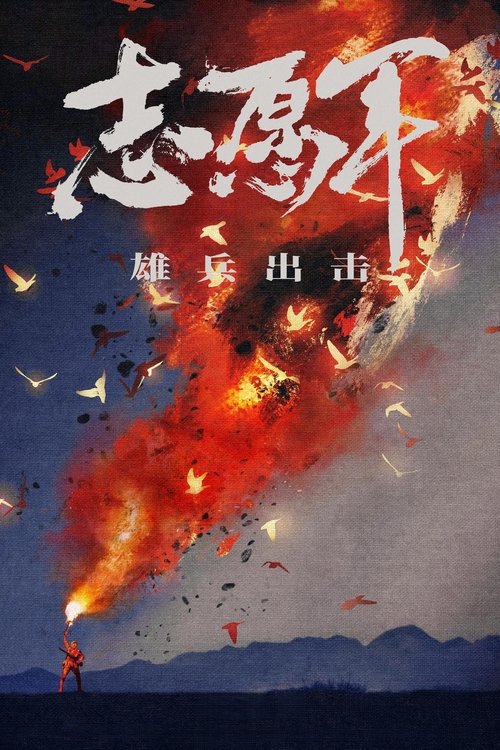
In the early days of the founding of the People's Republic of China in 1949, New China was faced with "internal and external troubles". Since the outbreak of the Korean Civil War, the U.S. military has repeatedly provoked the border between China and North Korea, and civilians have been brutally bombed. In order to maintain the hard-won peace and long-term stability for generations, in October 1950, the Chinese People's Volunteers entered North Korea, and the "Resist US Aid Korea" war kicked off.
The Volunteers: To the War
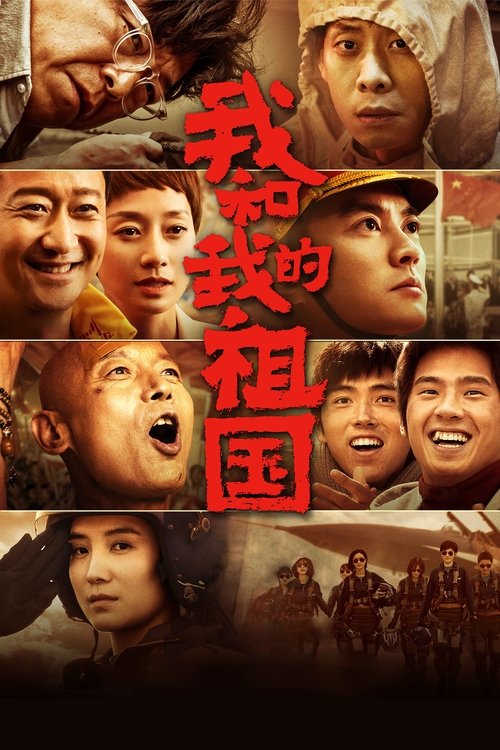
Anthology of short films directed by several different directors.
My People, My Country
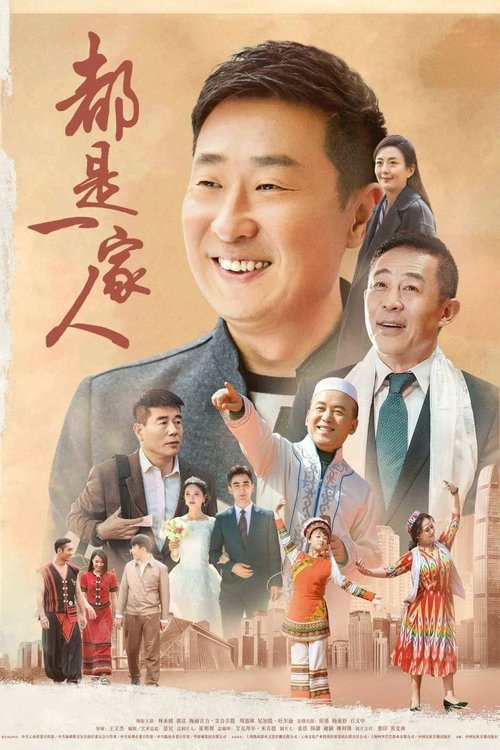
The story centers around Yue Yongqiang, who was transferred to the Civil and Religious Affairs Bureau to solve conflicts between ethnic minorities moving into Yunhai city to start businesses. He runs into many problems at his department due to his old-fashioned military mindset and work style. The characters also experience problems such as constructing an ethnic food street, displaced children of migrant workers, expansion of the Oriental Ethnic Culture Park, and frontier poverty alleviation.
We Are Family

After relocating to New York, former lovers feel the pull of romance once again.
But Always

The Louvre and the Forbidden City are two representative symbols of Eastern and Western civilizations. This film uses these two museums as carriers, cuts through the perspective of local audiences, emphasizes the parallel and coexistence of civilizations, and integrates the understanding of different civilizations. It is reflected in the display and appreciation of artworks, and reflects the museum’s responsibility for the sharing and promotion of human civilization.
When the Louvre Museum Meets the Forbidden City

The film will show the development process of the Chinese in Southeast Asia and their living conditions in various periods. It will use an open global perspective to sort out history and pay attention to the present, and strive to create a historical and humanistic documentary that can shed some light on the construction of the future development of Chinese society.