Julien Devaux
Directing
Known For
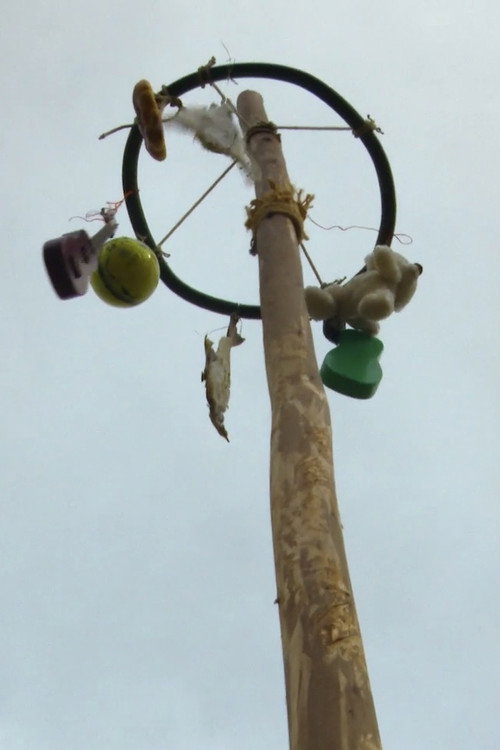
A guitar, a bacalao and a teddy bear dangle at the top of a wooden pole. The mast is slickened with grease. A group of teenagers gather. Strength and teamwork will be required, as well as some patience. After a couple of attempts at solitary climbing, the participants join forces and use their bodies to build a tower; a hand pushes down on a shoulder, a foot on a head, but all eyes are focused on the top and on snatching a prize.
Children’s Game #49: Pau de Sebo
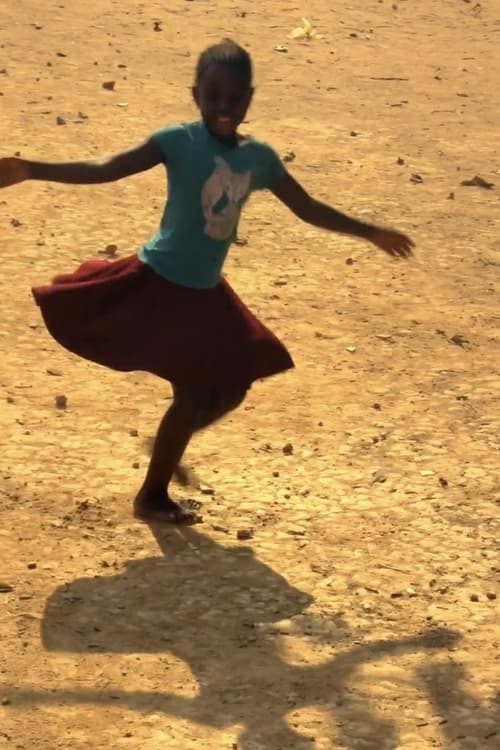
Many of us played this as kids, spinning on the spot until collapsing. In a group there’s a competitive element, each tries to be the last one still upright; but it’s only, always, about inner sensation. A crazy, soaring dizziness, a drugless altered state, glimpsed in the unseeing inwardness of some eyes that remain half-open. Arms outstretch like wings, amplifying and balancing the whirl of abandon. To the soft beat of unconsciously synchronised steps, the camera moves down to capture long shadows, like images of the disembodiment being felt: ghostly rotations among the sand stones bare feet don’t feel.
Children’s Game #36: Kujunkuluka
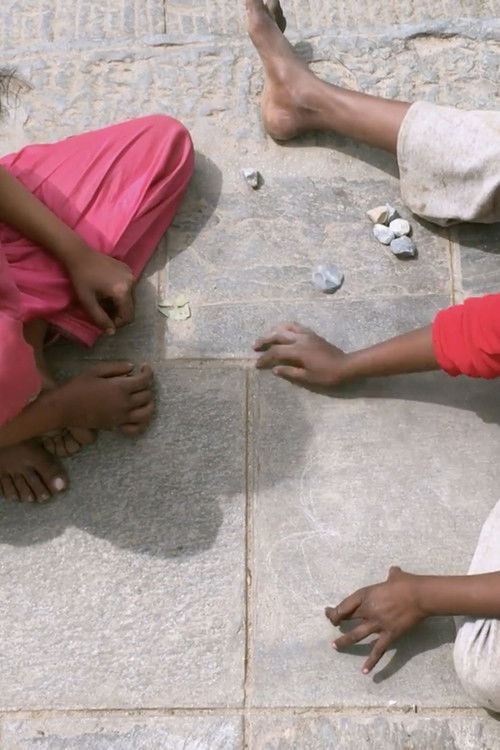
Knucklebones, or jacks, has existed for more than 2000 years and was first played with the astralagus bones of a sheep. This version –played with stones by two girls seated on the landing of a concrete stairway, people’s legs and occasional monkeys passing by– is close to the Korean Gonggi, with no separate ball. The turn begins by throwing a stone in the air and performing certain actions with the four others before catching it again. Later all are tossed up and received, at least some, on the back of the same hand. Pick-ups are sometimes between splayed fingers. The film blurs the logic of any sequence, dwelling on the leaping, clattering stones, and the agility of dusty hands.
Children’s Game #18: Knucklebones

This ancient Chinese game is played between two people, who in unison say ‘rock, paper, scissors’ before ‘throwing’ one of the three figures at each other: closed fist or flat hand or two fingers in a V shape. Rock blunts scissors, scissors cut paper, paper enfolds rock. Each round is win, lose or –if both players choose the same ‘tool’– draw. We see not hands but a shadow-play of hands against a pale background, as the two antagonists display the tremendous skill that kids alone can muster in what seems impossibly fast motion. ‘Conceptual art,’ you say, the kind you could watch for hours, the hands as synecdoche not of the body but of two bodies in a rhythmic frenzy of elegant interaction and dissolution.
Children’s Game #14: Piedra, papel o tijera
No description available.
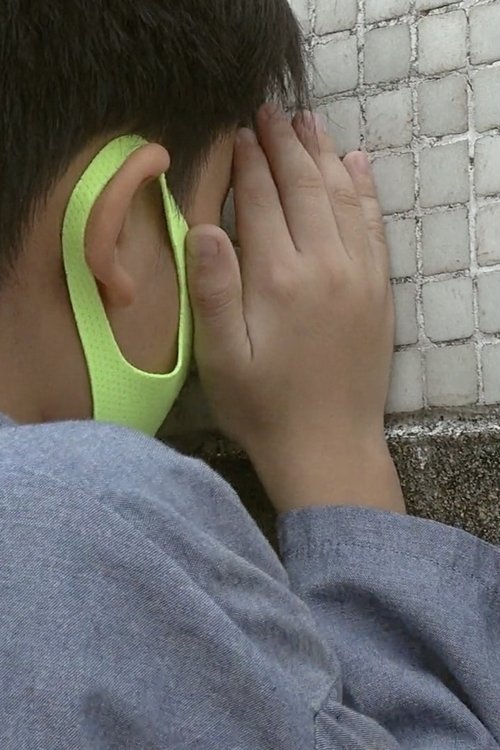
Children’s Game #24: Pandemic Games
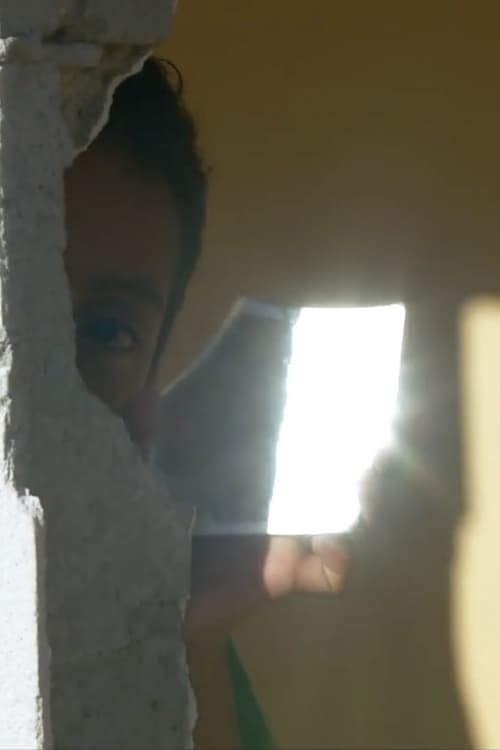
Boys stampede through the shells of small geometric homes, fancy boxes falling to bits in a dry-grass wasteland like futuristic ruins. The players flatten themselves behind walls, peer cautiously with half an eye from glassless windows. Each boy holds a piece of broken mirror and aims at the enemy with the light refracted by the sun. They can’t resist making shooting noises, though these burning bullets are flashes from millions of miles away. Wandering dots of brilliance seek bodies out. Once a player is blinded by the light, he slumps and dies.
Children’s Game #15: Espejos
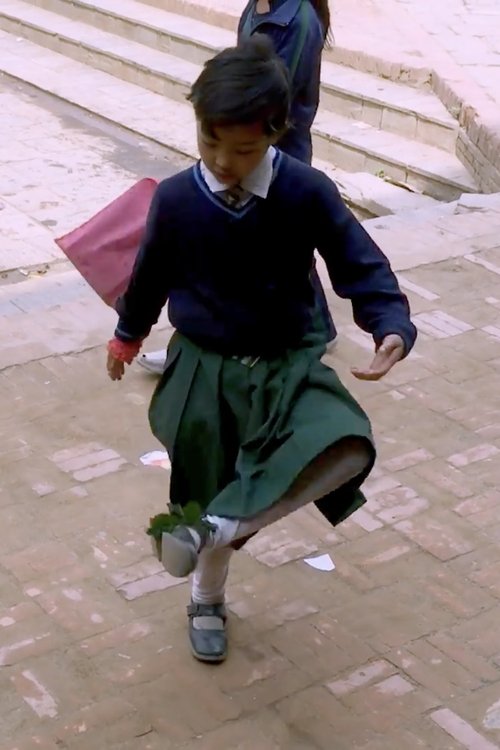
Reminiscent of male football tricks where a ball is juggled frontally off the knee or foot, Chunggi, popular among Nepalese girls, appears a lot more difficult. It involves a light bundle of leaves, as green and gathered as the school skirts of the players, that is repeatedly thrown up sideways with the outside or the inside of the foot while hopping on the other leg to a firm, fast beat: the girls look like carefree flappers dancing the Charleston. Part of the fun is counting aloud in English. One girl reaches 50. Then, with regretful backward looks, they vanish through the tall wooden portal into their school.
Children’s Game #17: Chunggi
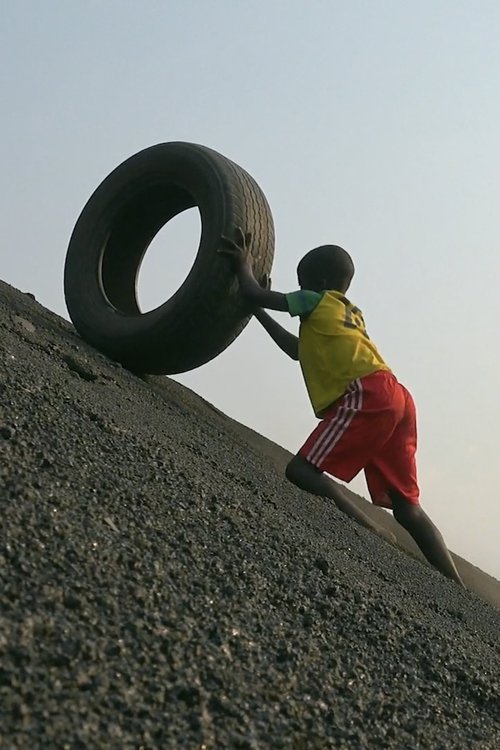
Over the city of Lubumbashi looms the mampala or slag heap of the Étoile du Congo cobalt mine, its lower slopes today sifted by the clandestins, lithium hunters who risk their lives to feed our global battery market. The film rests on dramatic contrasts – tiny bright figures against the expanse of darkness; a child who can barely see over the colossal tire he fights to push uphill. Then the adrenaline rush of rolling down inside it! Yet the song the kids invented “pushing, pushing” to solve post-industrial problems, gives faith in these young carriers of D.R. Congo’s future.
Children’s Game #29: La roue
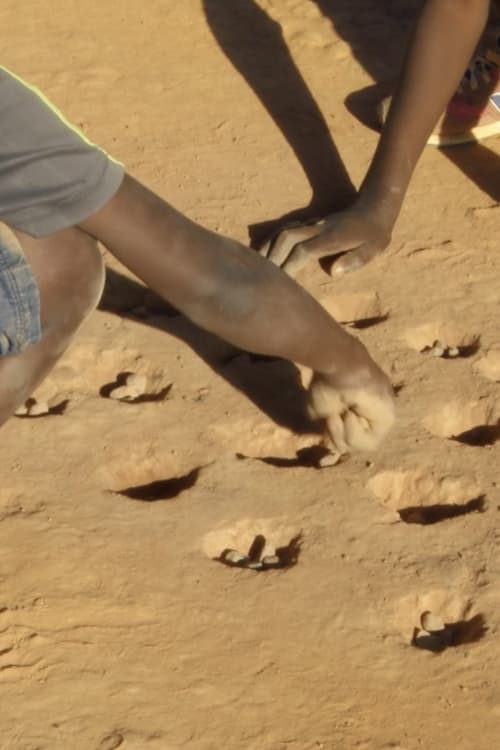
Kisolo is one of a thousand variants of the global Ur-game, Mancala, a “sowing” game sometimes still played with seeds even when using a board. Its timeless agrarian gestuary follows the combinatorial rules of what is also a “count and capture” game. After ruining several carving knives on digging holes in the hard orange earth, two players squat either side of four rows of six (the third-century pits under a stele in Ethiopia have three rows). First, three stones to each hole, then the players take turns, gravely reciting numbers. The focus is on hands hanging loose and expectant or smoothly reaching, scooping, and distributing – never a moment’s hover – until one player has, somehow, captured all the stones.
Children’s Game #26: Kisolo
26 filmmakers bring their own vision in order to find the truth about the missing students of Ayotzinapa.
Ayotzinapa 26
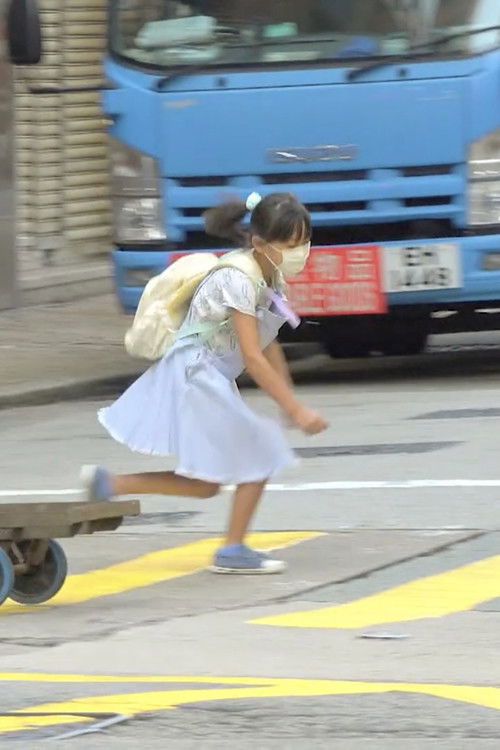
A sprite in a blue pinafore, plimsolls, and white facemask flits through Hong Kong, enclosed in a quicksilver bubble of magic. Streets become the dull, slow backdrop to her vividness. Oblivious to storefronts and curious stares, seeing only the yellow lines and the cracks in the pavement, she snakes and two-steps around seams and lines without loss of élan, chanting spells that shade into vague sounds. “Step on a line, break the devil’s spine, Step on a crack, break the devil’s back, Step in a ditch, your mother’s nose will itch, But if you step in between, everything will be keen!” By igniting her route with meaning, she briefly wrests public space from the commercial values this city lives by.
Children's Game #23: Step On A Crack
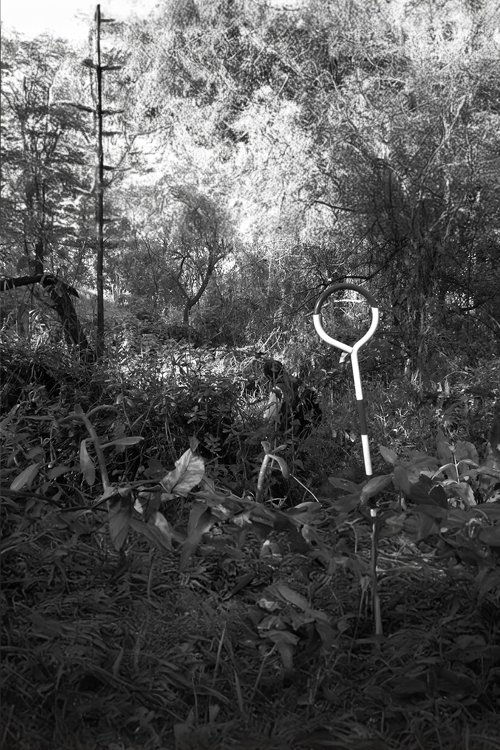
Action documented on video in which the artist explores and traces an alternative route, the shortest between the two buildings of the Biblioteca Nacional de México and the Museo Universitario Arte Contemporáneo, with a straight line through the semi-wild zone of vegetation and lava that divides them. To build this line, the artist marks the territory over which he advances using instruments typical of topography.
Topographer
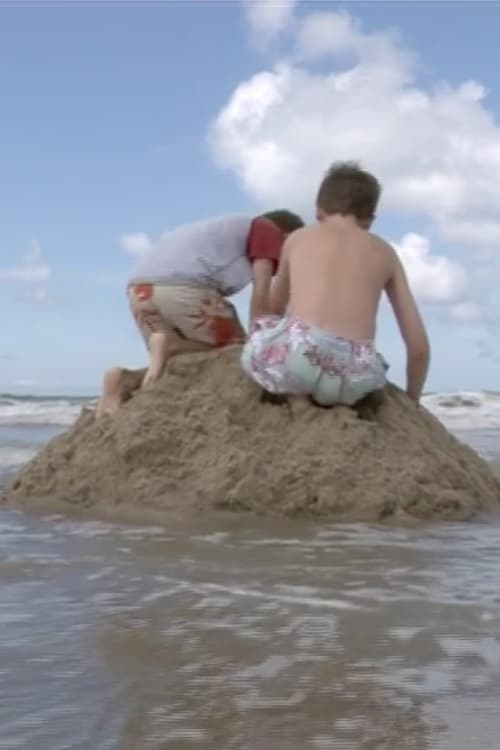
The castle must be positioned just far enough from the sea to be completed before the tide reaches it. As the moat is dug by busy spades, the vacated sand forms a growing pile in the middle. Sea water starts to rise into the moat from below. As the waves break gently, closer and closer, the children dig faster to fortify the outer rampart with sodden sand. Even as the defences are being flooded, they work on shaping and firming the castle with hands and feet. The tide soon overwhelms the mini world and smooths the whole thing flat, leaving the children standing ankle-deep in ebb and flow.
Children’s Game #6: Sandcastles
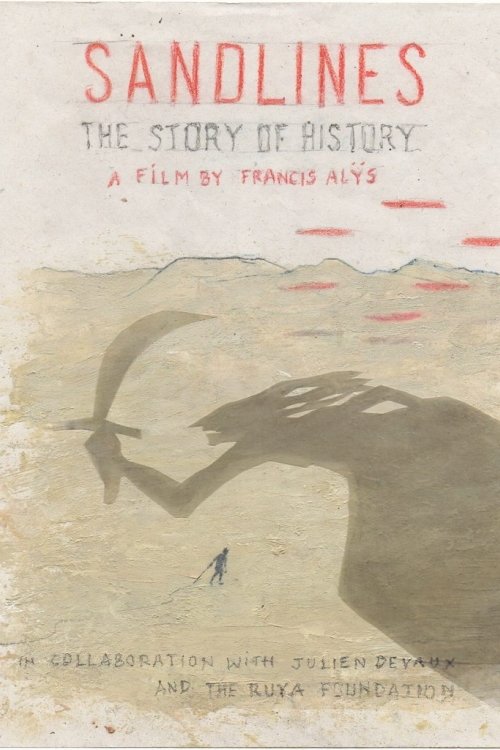
The children of a mountain village near Mosul re-enact a century of Iraqi history, from the secret Sykes-Picot agreement in 1916 to the realm of terror imposed by the Islamic State in 2016. The children revisit their past to understand their present.
Sandlines, the Story of History
No description available.
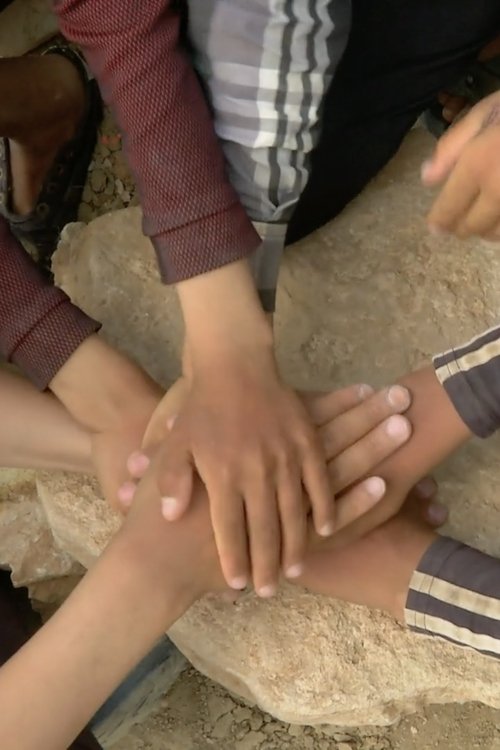
Children’s Game #21: Hand Stack
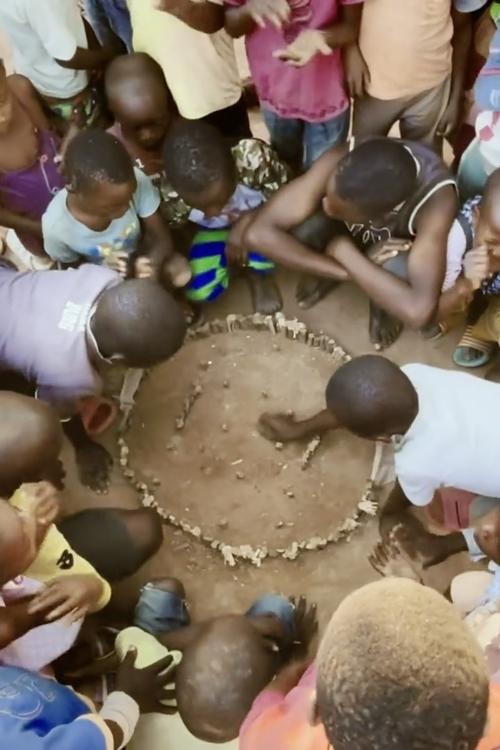
With all the charm of flick soccer, Subbuteo, pinball, and other miniature passions, this is played on a small circle of stubby broken-off sticks like a frontier fort buried in the sand, enclosing two facing, immobile teams also made of little sticks. Resembling two giants crouched over cavernous goals, the competitors take quickfire turns thumbing a marble, careful not to touch anything else. The successful marble shoots in from the side or arcs with precision through the air. For a penalty, it is balanced on top of the defending palisade. Close-ups on fans, rapt faces and dusty feet, bare or in the moulded sandals that protect knees as often as feet. The ring of attention is bisected by a chicken scooting straight through people, the exact centre of the arena, people, and out, as if performing a dare.
Children’s Game #27: Rubi
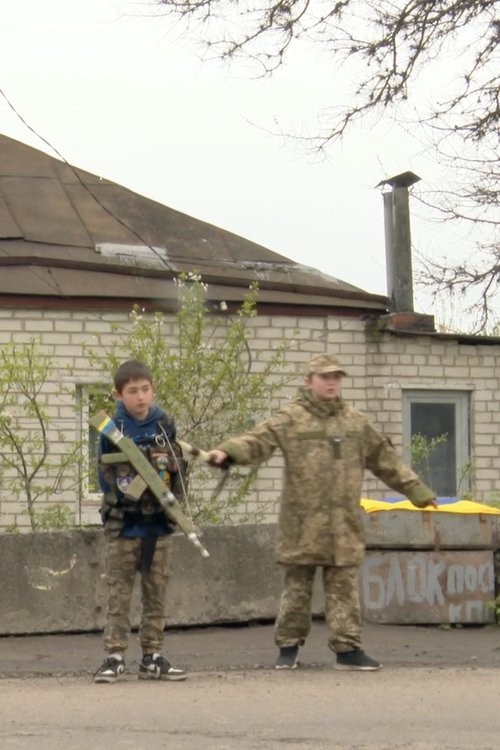
First we drive past harrowing scenes of missile and bullet damage, into an area that’s still intact. At a crossroads not far from the frontline, three boys in fatigues, with wooden guns, act out a grown-up duty: to uncover Russian spies. The drivers, both soldiers and civilians, are cheered by the children’s playful solidarity. Cars are flagged down, IDs requested, trunks inspected. A password is demanded: “Palyanitsya”, the name of a traditional Ukrainian bread, and a word that Russians can’t pronounce right. As it happens, bread also is the universal symbol of life.
Children’s Game #39: Parol

The props in this game are wooden sticks or branches shaped like guns. Two kids pretend to fire at each other, making elaborate and highly varied shooting noises. A further dramatic element is the creative use of whatever lends itself in the vicinity –dustbins, trees, walls, abandoned cars– to improvise scenes inspired by war films and westerns, car chases and shootouts between gangs. The camerawork is rapid, swirling, full of jump cuts. A little girl sometimes raises her arms, in exasperation or surrender? Near the end, some half-hearted dying noises. Though the roles of victim and killer are pre-assigned, neither boy actually bites the dust.
Children’s Game #5: Revolver
No description available.
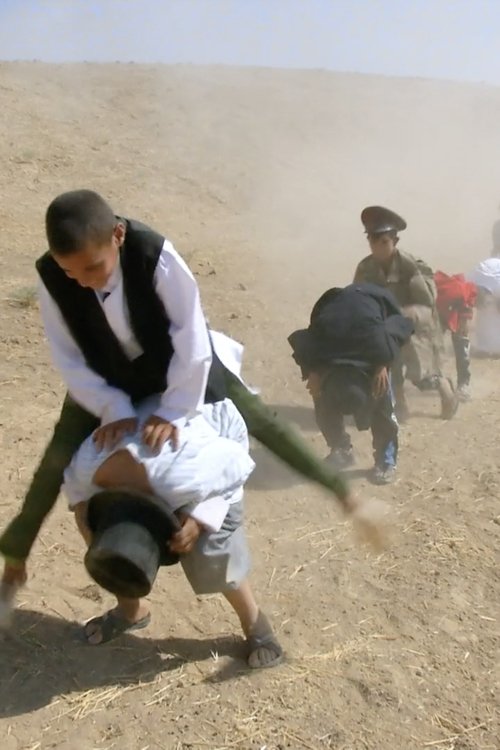
Children’s Game #20: Leapfrog
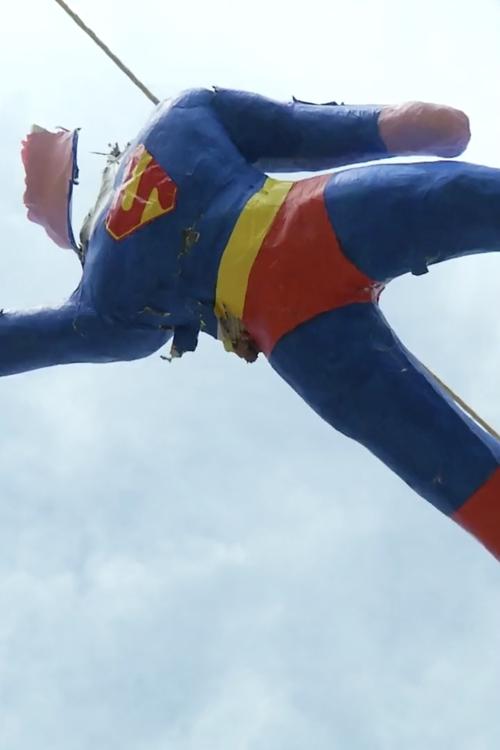
A piñata is a papier-mâché figure stuffed with sweets. Common at birthdays in urban patios, here we find it in a field, where a garish Superman dangles between tall poles on a rope jerked by an adult, to make hitting harder. Each player is blindfolded and spun around several times before attempting to hit the piñata with a long stick. The kids’ wild swinging is directed by the shouts of friends, while the allotted time of each turn is counted down in a singsong about finding and losing one’s way. Fierce blows are dealt with varying accuracy until the piñata is fully smashed open and its sweets shower to the ground, leaped on by all the kids at once. The hollow, punctured figure is triumphantly dismembered.