Joachim von Mengershausen
Production
Known For
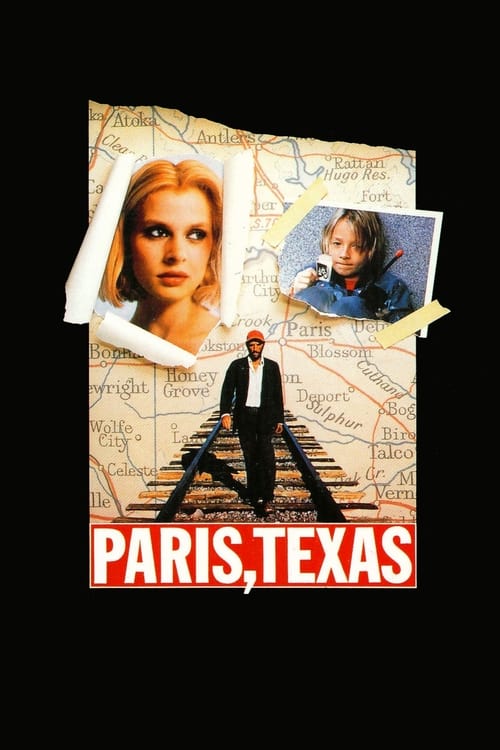
A man wanders out of the desert not knowing who he is. His brother finds him, and helps to pull his memory back of the life he led before he walked out on his family and disappeared four years earlier.
Paris, Texas

Two angels, Damiel and Cassiel, glide through the streets of Berlin, observing the bustling population, providing invisible rays of hope to the distressed but never interacting with them. When Damiel falls in love with lonely trapeze artist Marion, the angel longs to experience life in the physical world, and finds — with some words of wisdom from actor Peter Falk — that it might be possible for him to take human form.
Wings of Desire

Spanning 1919 to 1982, in the fictional village of Schabbach, live Maria Simon and her family, whose lives and community are changed by historical events around them.
Heimat
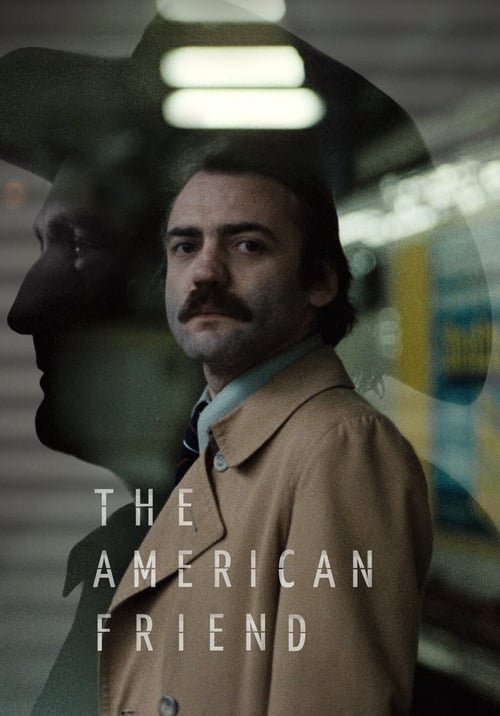
Tom Ripley, an American who deals in forged art, is slighted at an auction in Hamburg by picture framer Jonathan Zimmerman. When Ripley is asked by gangster Raoul Minot to kill a rival, he suggests Zimmerman, and the two, exploiting Zimmerman's terminal illness, coerce him into being a hitman.
The American Friend
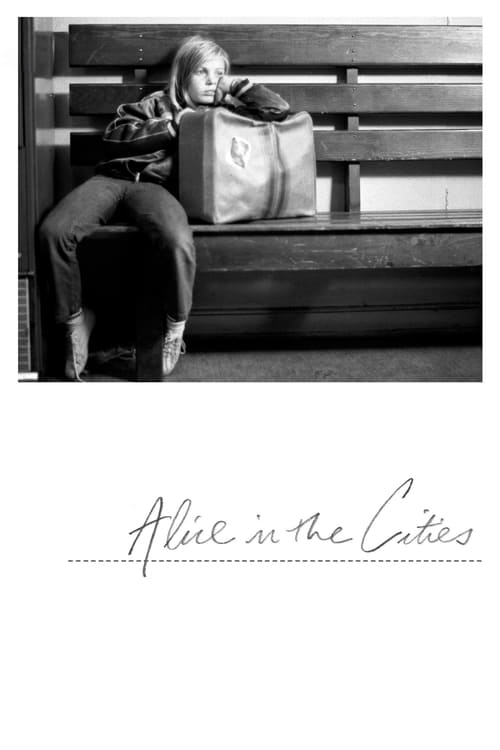
German journalist Philip Winter has a case of writer’s block when trying to write an article about the United States. He decides to return to Germany, and while trying to book a flight, encounters a German woman and her nine year old daughter Alice doing the same. The three become friends (almost out of necessity) and while the mother asks Winter to mind Alice temporarily, it quickly becomes apparent that Alice will be his responsibility for longer than he expected.
Alice in the Cities
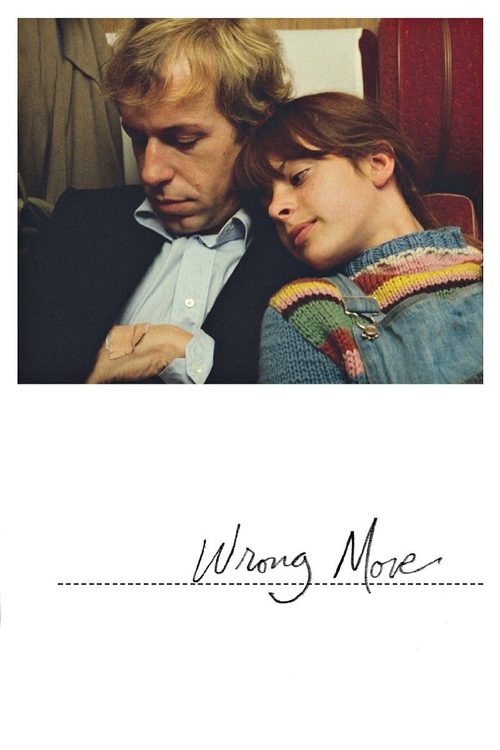
Six days in the life of Wilhelm: a detached man without qualities. He wants to write, so his mother gives him a ticket to Bonn, telling him to live. On the train he meets an older man, an athlete in the 1936 Olympics, and his mute teen companion, Mignon. She's an acrobat in market squares for spare change.
Wrong Move

A year on an Alpine farm: an older couple have two children, Belli, who wanted to be a teacher, and the younger Franzi, deaf, and although he works like a man, child-like. Belli teaches him. In his work, he can become frustrated, so when he throws an expensive mower over a cliff in a fit of pique, his father banishes him to the outskirts of the farm, where he uses pubescent energy to break rocks and build walls and cairns. (It's the tradition of the father's family, called "The Irascibles" by neighbors, to spend puberty doing this.) Belli visits him and they begin sleeping together. By winter, the boy is back in the house and Belli is pregnant. Soon her parents must know.
Alpine Fire

Mourning for a lost relationship can be every bit as devastating as mourning for someone who has died. In this drama based on the director's own novel, a couple with an unhappy marriage agree to a trial separation. They try to patch things up, and at the same time other relationships begin to develop for them.
The Left-Handed Woman
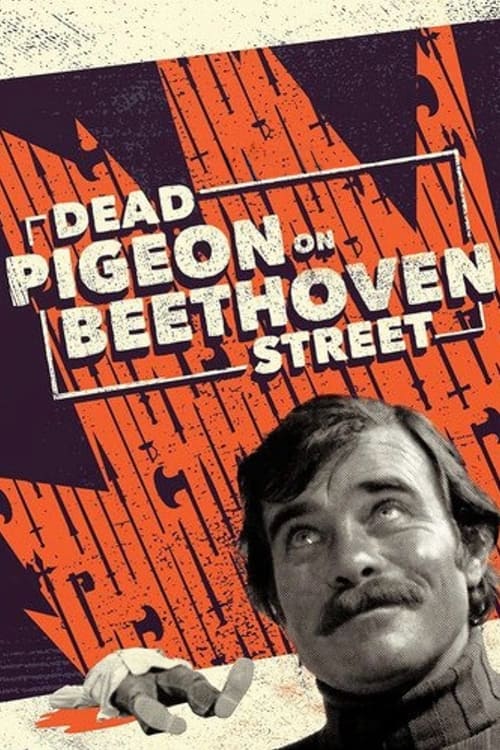
A private detective infiltrates a gang of drug-dealing extortionists who prey on politicians.
Dead Pigeon on Beethoven Street

Michel and Guenther, working in dead-end jobs, are obsessed with going to Peru to find buried treasure, using a map of the Rio das Mortes. Michel's girlfriend, Hanna, humors their plan, but really just wants to get married.
Rio das Mortes

Two women during WW2 living in a Hunsrück village embark on a trip to Vienna.
The Journey to Vienna

A documentary about Fassbinder and the early years of the legendary Antiteater, the group he was a member/leader of. You can here see and hear some of the actors he was going to use in his movies for the next years. The movie shows rehearsals for his play "The Coffeehouse," which also became a television movie, and you can watch unique footage from the 19th Film Festival in Berlin (1969) where "Love is Colder Than Death" was shown. As told in this documentary, his first feature movie was given a cold shoulder by many of the journalists and visitors at the festival. You can in "End of the Commune" watch Fassbinder and actor Ulli Lommel walk out on stage after the opening of "Love is Colder Than Death,” while a man in the audience is shouting "Out with the director!” In this documentary, Fassbinder also talks a lot about his father, who was a respectable doctor.
End of the Commune?

The final installment in Ulrike Ottinger’s Berlin Trilogy (following TICKET OF NO RETURN and FREAK ORLANDO) casts Delphine Seyrig as the nefarious Fritz Lang supervillain Dr. Mabuse, here the head of a powerful media empire that seeks to create headlines by manufacturing (and then publicly destroying) its own celebrity: the wealthy, handsome playboy Dorian Gray.
Dorian Gray in the Mirror of the Yellow Press
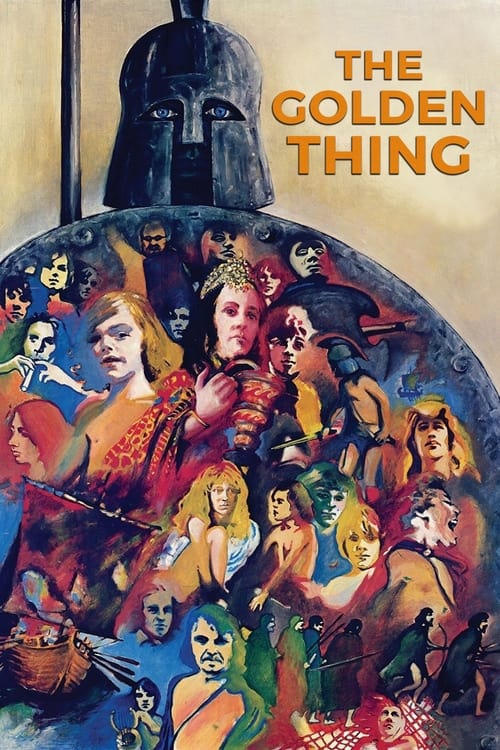
Eleven-year old Jason and his companions, including Hercules and Orpheus, go with the ship "Argo" in the search for the Golden Fleece. With wit and cunning to overcome various obstacles until they reach the destination of their fantastic journey. The experiment is not only due to the popularization or naive glorification of a myth, but the search space occupied by fact that the heroes of antiquity were actually very young.
The Golden Thing

Drama, based on the book "Retter in der Nacht", in which Marga Spiegel tells her memories: In Westfalia of 1943 Marga Spiegel, her husband and her daughter are about to be deported. Yet westfalian farmers help the jewish family, grant Marga and her daughter refuge under false names and hide her husband.
Saviors in the Night

An emotional journey back to the 50s and 60s: Through photos and film footage from her childhood, the 48-year-old filmmaker Marie remembers growing up in bourgeois post-war Germany. Marie is once again confronted with the early death of her mother and the excessive demands of her conservative father. He has no understanding for her and deports her to a Catholic girls' boarding school. A youth characterized by constant rebellion against the mustiness of the post-war years and against a society that expects one thing above all from girls: to smile nicely into the camera and under no circumstances direct the film themselves!
Vatersland
1919. Released from the teacher training college, Joachim Hofer takes up his first job as an assistant teacher in an Alsatian village. But only a few students come to class in the pigsty converted to school.
Hauptlehrer Hofer
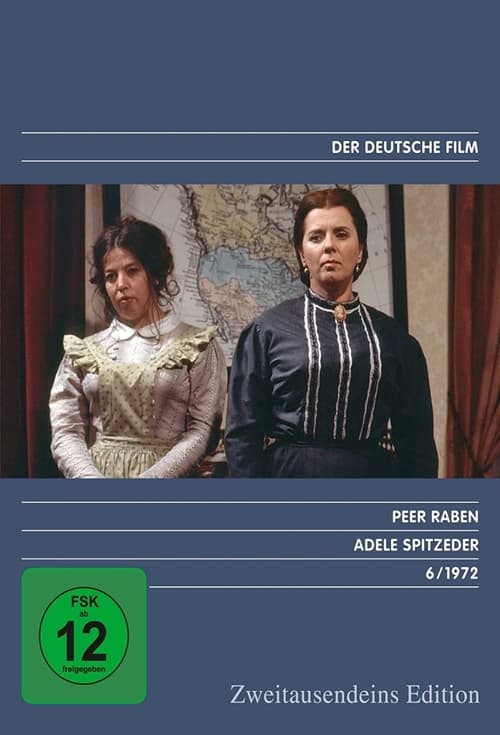
The true story of Adele Spitzeder, who started her own private bank in 1870s Bavaria by promising everyone that gave her money high interest rates. Initially dubbed the "Angel of the poor", she was arrested for fraud after the whole scheme collapsed.
Adele Spitzeder
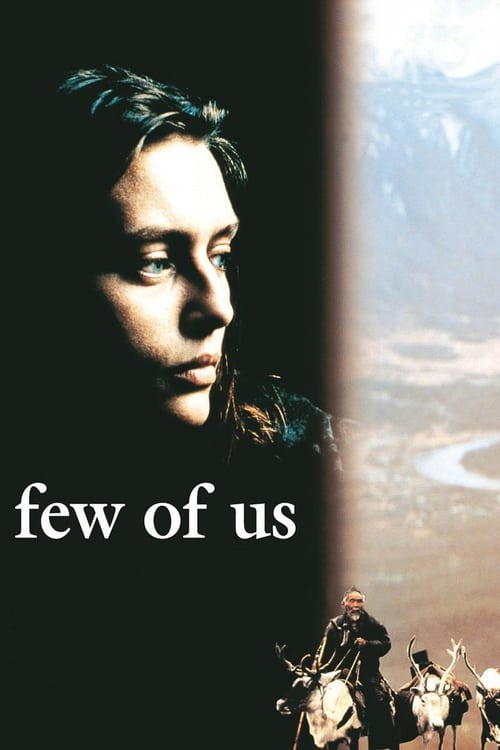
A slow, dialogue-free film about a woman's journey in Siberia.
Few of Us

Tally Brown, New York is a 1979 documentary film directed, written and produced by Rosa von Praunheim. The film is about the singing and acting career of Tally Brown, a classically trained opera and blues singer who was a star of underground films in New York City and a denizen of its underworld in the late 1960s. In this documentary, Praunheim relies on extensive interviews with Brown, as she recounts her collaboration with Andy Warhol, Taylor Mead and others, as well as her friendships with Holly Woodlawn, and Divine. Brown opens the film with a cover of David Bowie’s “Heroes” and concludes with “Rock ’n’ Roll Suicide.” The film captures not only Tally Brown’s career but also a particular New York milieu in the 1970s.