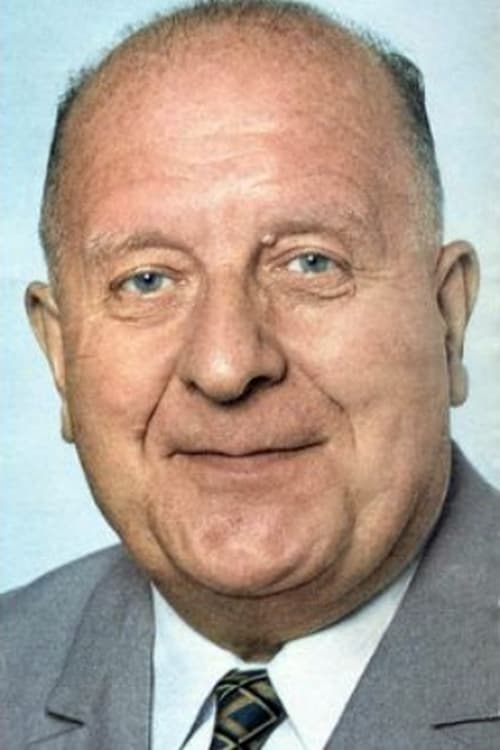
Max Favalelli
Acting
Known For
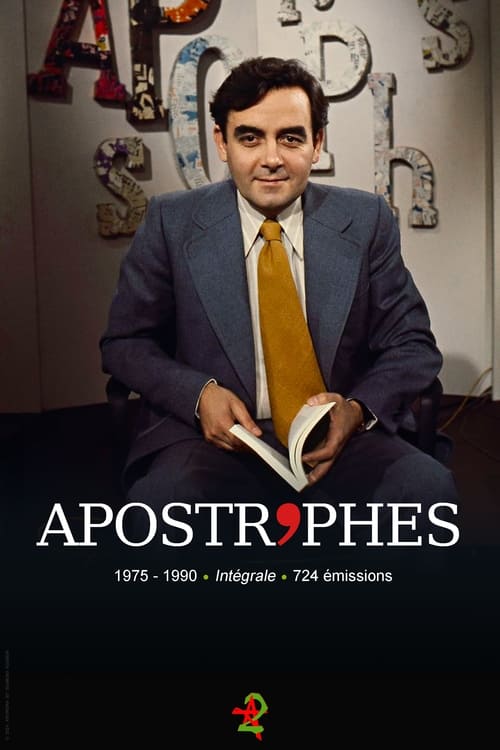
Apostrophes was a live, weekly, literary, prime-time, talk show on French television created and hosted by Bernard Pivot. It ran for fifteen years (724 episodes) from January 10, 1975, to June 22, 1990, and was one of the most watched shows on French television (around 6 million regular viewers). It was broadcast on Friday nights on the channel France 2 (which was called "Antenne 2" from 1975 to 1992). The hourlong show was devoted to books, authors and literature. The format varied between one-on-one interviews with a single author and open discussions between four or five authors.
Apostrophes
No description available.
En direct de...
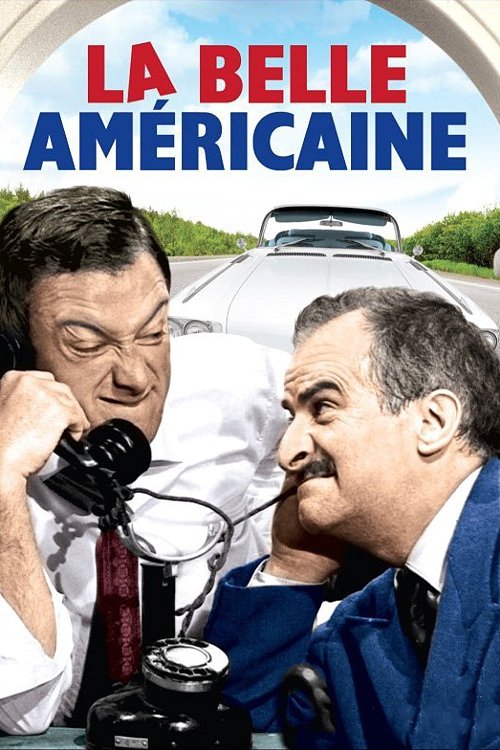
Marcel, a simple-minded factory worker, is tricked into buying a high-priced American convertable car by a widow determined not to let it fall into the hands of her late husband's secretary/secret lover. Once in pocession of the car, Marcel only encounters one bad luck episode after another with the excessive gasoline consumtion, his wife trying to sell it to make ammends meet, getting into traffic jams, accidently riding into a car wash with the top down, and more.
The American Beauty
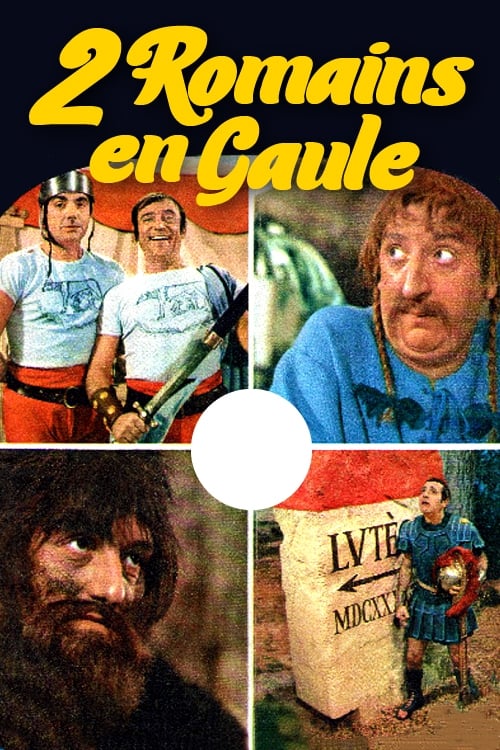
This film is directly inspired by Asterix, created by René Goscinny and Albert UDERZO, chronicles the adventures of a little boy, Antoine, entered the world of antiquity by studying its history lesson and two Romans, and TICKETBUS PROSPECTUS, who prefer to leave their life of legionnaires and discover the lifestyle of Gaulois.Antoine meeting Asterix cartoon form, which explains certain peculiarities of life in Lutetia.
Deux Romains en Gaule
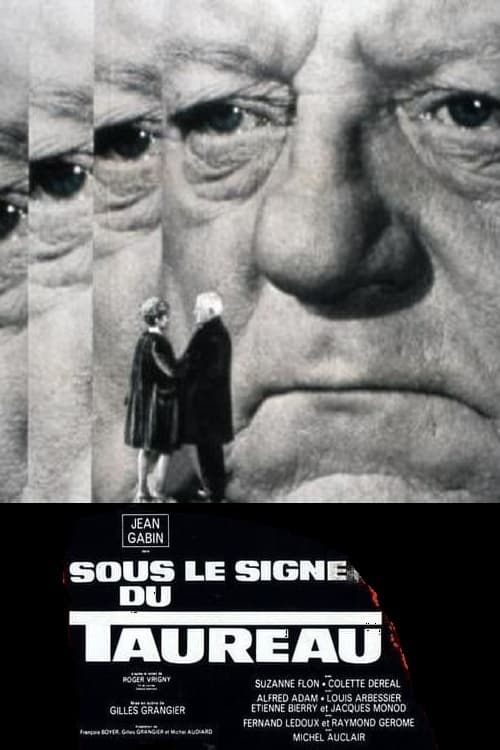
Albert is an eccentric inventor of missiles who comes under fire from his investors when his first prototype explodes. Even his sympathetic mistress has her doubts, as Albert lashes out in a verbal tirade condemning those of little faith in his genius.
Under the Sign of the Bull
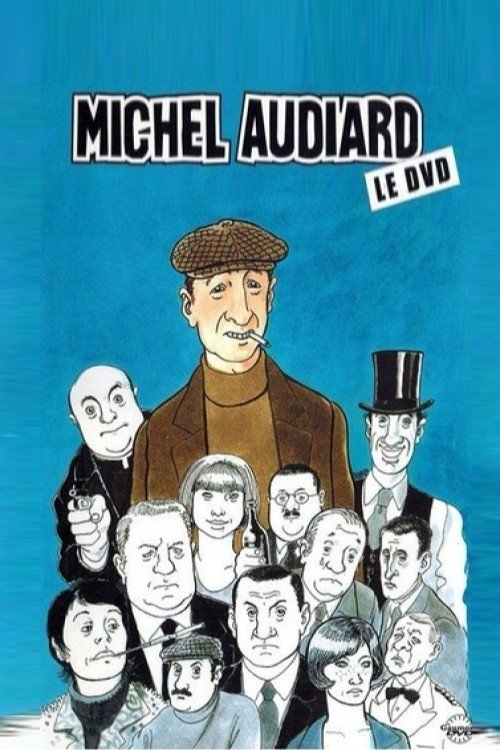
A documentary about writer Michel Audiard (1920-1985). Contemporary interviews are interwoven with archival footage and clips from his films. It offers a deeper understanding of the career of the man whom Jean Gabin swore by from the mid-1950s onward, and whom films such as "Les Tontons Flingueurs" immortalized.