Michelangelo Frammartino
Directing
Biography
Michelangelo Frammartino was born in Milan to Calabrian parents in 1968. In 1991 he enrolled in the Architecture Faculty of the Politecnico di Milano. Between 1994 and 1997 he attended Milan's film school, Civica Scuola del Cinema, for which he produced videoart installations and worked as a set designer for films and video clips. He also shot several short films: Tracce (1995), L'Occhio e lo Spirito (1997), BIBIM (1999), Scappa Valentina (2001), Io Non Posso Entrare (2002). His first feature Il Dono premiered at the Locarno Film Festival in 2003. His following film Le Quattro Volte (2010) was selected at the Director's Fortnight in Cannes, where it won the Label Europa Cinema. Since 2005 he has been teaching filmmaking at the University of Bergamo. In December 2013 he held a workshop at the University of Calabria. His 2021 film Il buco was selected for the main competition at the 78th Venice International Film Festival, where it received positive reviews and won the Special Jury Prize.
Known For

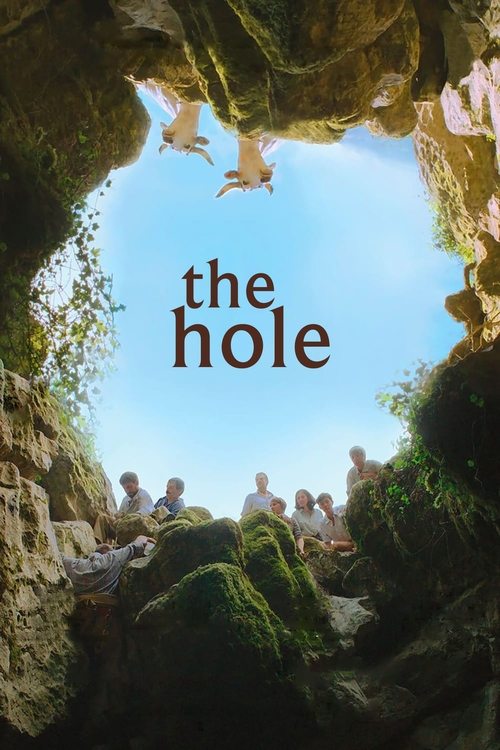
In August 1961, speleologists from Italy’s booming North arrive on a Calabrian plateau where time stands still. The intruders discover one of the world’s deepest caves, the Bifurto Abyss, under the gaze of an old shepherd, the only witness of the pristine territory.
Il Buco

An old shepherd lives his last days in a quiet medieval village perched high on the hills of Calabria, at the southernmost tip of Italy. He herds goats under skies that most villagers have deserted long ago. He is sick, and believes to find his medicine in the dust he collects on the church floor, which he drinks in his water every day.
The Four Times

An elderly farmer befriends a woman whose family believe is possessed.
The Gift

For Filmmaker Film Festival (2023), Fulvio Baglivi and Cristina Piccino asked some filmmakers (R. Beckermann, J. Bressane, D’Anolfi/Parenti, T. De Bernardi, L. Di Costanzo, A. Fasulo, F. Ferraro, M. Frammartino, S. George, ghezzi/Gagliardo, C. Hintermann, G. Maderna, A. Momo, A. Rossetto, M. Santini, C. Simon, S. Savona) to give us their own "lost road," that is, a sequence, scene or piece of editing that did not later find its way into the final version of one of their works. Each fragment has its own accomplished presence, often has a different title from the film it was made for, which is not necessary to have seen in order to find meaning; on the contrary, those who set out thinking they know the world they are walking through will find themselves displaced.
Strade perdute - Filmmaker 23

No description available.
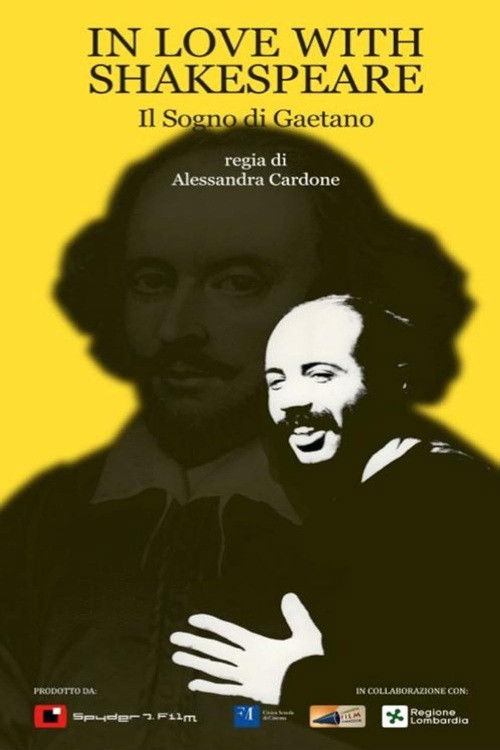
In Love with Shakespeare - Il sogno di Gaetano

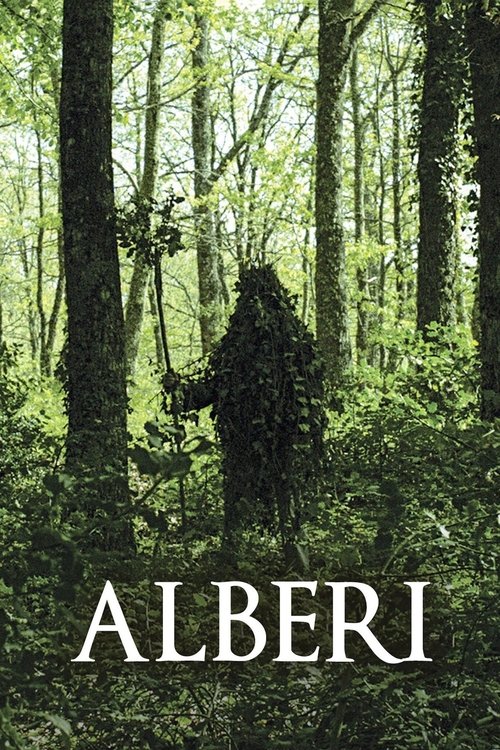
Wrapping the audience in waves of sound, Alberi takes us on a circular journey through the Italian countryside. The marvelous natural music at the tops of the eponymous trees makes way for the rhythmic cadence of civilization—men baring axes and the natural clatter of daily life—before their unforgettable return home from the forest. The singular artistry of director Michelangelo Frammartino (Le quatro volte) is beautifully displayed in this mesmerizing homage to nature.
Trees

No description available.
P99

No description available.
Proprio qui

Sergio Cortesi dedicated his life to solar observation. At the “Specola solare” in Locarno, between 1957 and 2021, he made over 15.000 sunspots drawings, driven by the faith of a monk to whom his own god never gave an answer.
Sonnenstube
Giovanni Cioni is a farmer-director. Every year, at his home in Mugello, he organizes a workshop that combines filmmaking, farming, and shared life. An open atelier where filmmakers live and experiment with his way of inhabiting and narrating the world.
L'Orto Del Mondo II

2 minutes where we observe a dog who can't enter a supermarket.