Jean-Pierre Bonnefous
Acting
Biography
Jean-Pierre Bonnefoux (born 9 April 1943, in Bourg en Bresse, France) is a French ballet dancer and instructor. He is currently the artistic director at the Charlotte Ballet and the Chautauqua Institution. At 14, Bonnefoux joined the Paris Opera Ballet, and became a star dancer at age 21. Under the direction of George Balanchine, Bonnefoux became a principal dancer with the New York City Ballet. He has served twice as the President of the Jury at the Prix de Lausanne (2005 and 2007). He, his wife Patricia McBride, and two children reside in Charlotte, North Carolina. Source: Article "Jean-Pierre Bonnefoux" from Wikipedia in English, licensed under CC-BY-SA 3.0.
Known For

The cruel and abusive headmaster of a boarding school, Michel Delassalle, is murdered by an unlikely duo -- his meek wife and the mistress he brazenly flaunts. The women become increasingly unhinged by a series of odd occurrences after Delassalle's corpse mysteriously disappears.
Diabolique

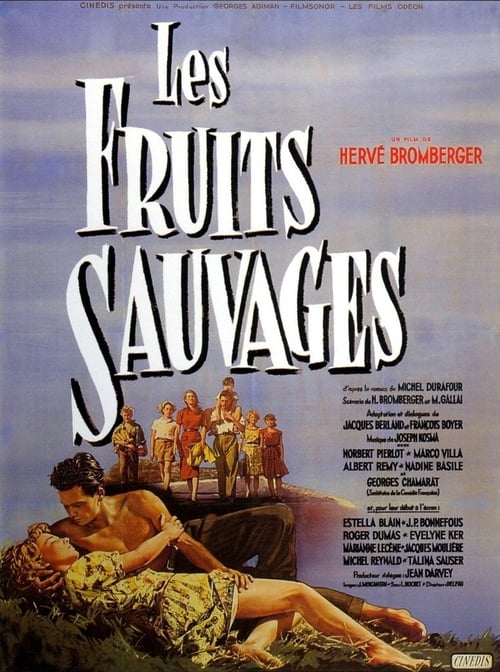
Lyon, 1953. Maria Manzana is the oldest of a family with five children and the only one who has a job. Maria's mother is deceased and her father is regularly drunk and violent. One evening when he wants to beat his daughter Christine, Mary helps her sister and accidentally she kills her father. At Maria's advice the family would prefer to flee. Anna, the girlfriend of Mary's brother Michael, accompanies them. Michael doesn't want to leave her behind. A friendly trucker brings Mary and her company to the south. The group then walks on deserted roads to a village, that was abandoned more than 25 years ago due to lack of water.
Wild Fruit

An adaptation of Jan Potocki's The Manuscript Found in Saragossa.
The Story of Rebecca

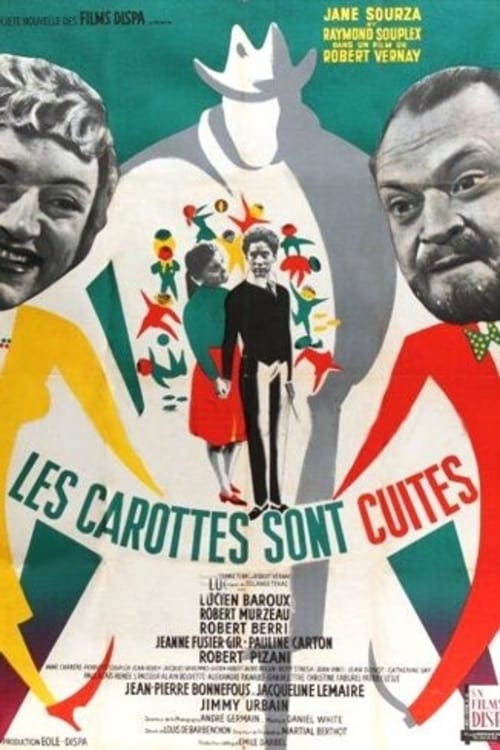
Two ambitious parents decide to change their name for a foreign patronymic so that their young son Edmond can win fame easier. He's a eleven-year-old orchestra conductor.
The Carrots Are Cooked
No description available.
La valse

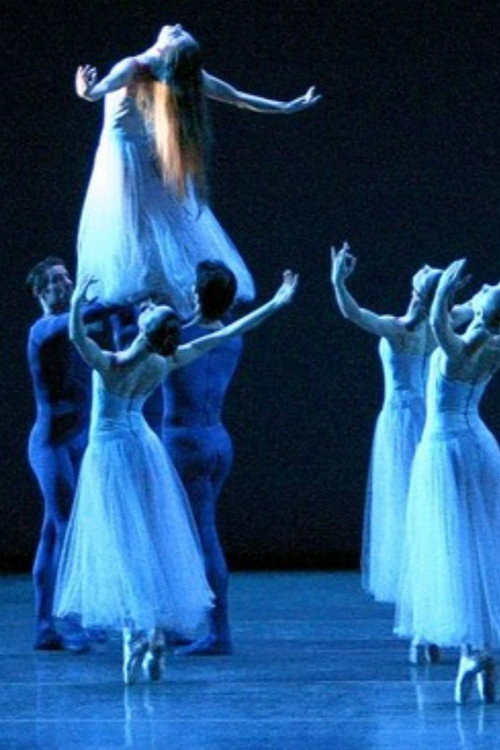
Serenade is a milestone in the history of dance. It is the first original ballet George Balanchine created in America in 1934, and is one of the signature works of New York City Ballet’s repertory. In its present form there are four movements: “Sonatina,” “Waltz,” “Russian Dance,” and “Elegy.” The last two movements reverse the order of Tschaikovsky’s score, ending the ballet on a note of sadness.