Kathryn Barnier
Editing
Known For

A look at three U.S. cities, which were part of many communities that violently forced African American families to flee in post-reconstruction America.
Banished
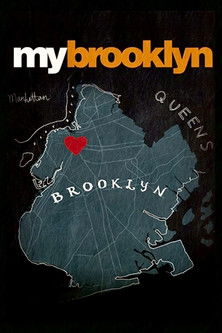
Director Kelly Anderson's personal journey as a Brooklyn 'gentrifier' to understand the forces reshaping her neighborhood along lines of race and class. The film reframes the gentrification debate to expose the corporate actors and government policies driving displacement and neighborhood change.
My Brooklyn

In 1959 New York City announced a "slum clearance plan" by Robert Moses that would displace 2,400 working class and immigrant families, and dozens of businesses, from the Cooper Square section of Manhattan's Lower East Side. Guided by the belief that urban renewal should benefit - not displace - residents, Frances Goldin and her neighbors formed the Cooper Square Committee and launched a campaign to save the neighborhood. Over five decades they fought politicians, developers, white flight, government abandonment, blight, violence, arson, drugs, and gentrification - cyclical forces that have destroyed so many working class neighborhoods across the US. Through tenacious organizing and hundreds of community meetings, they not only held their ground but also developed a vision of community control. Fifty three years later, they established the state's first community land trust - a diverse, permanently affordable neighborhood in the heart of the "real estate capital of the world."
Rabble Rousers: Frances Goldin and the Fight for Cooper Square
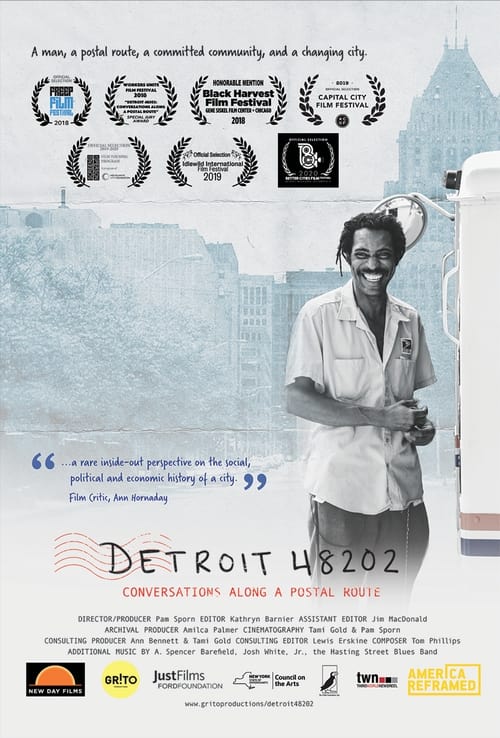
"Detroit 48202" examines the rise, demise and contested resurgence of Detroit through the lens of mail carrier Wendell Watkins and the residents he has faithfully served for 30 years. The resilient Detroiters on Wendell’s route share stories of pushing against racial segregation in housing, challenging industrial and political disinvestment and living on reduced pensions as a result of Detroit’s bankruptcy. They also share stories of hope and propose creative ways to re-imagine an inclusive, equitable and productive city. Foregrounding the voices of African-American working class Detroiters, it offers a nuanced and complex understanding of a city at the crossroads.