Acting
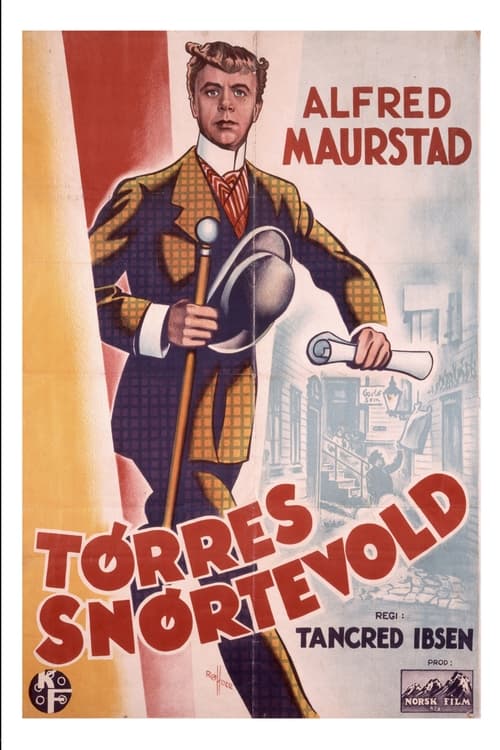
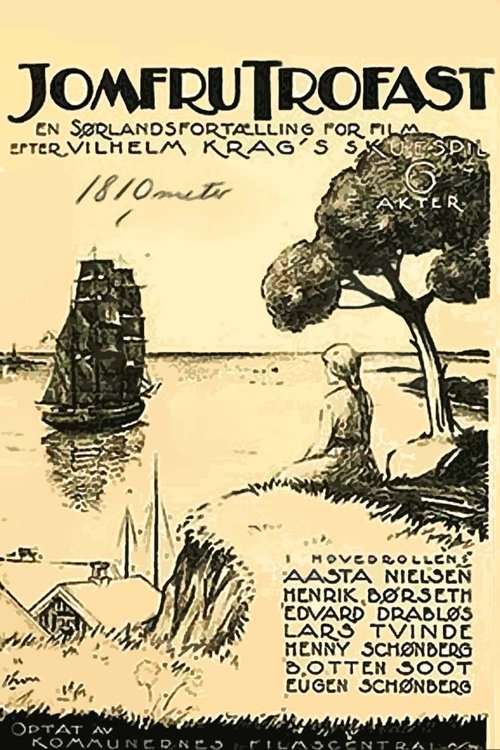
The young fisherman Tørres wants to become rich, so he can get revenge over Krøger, who has taken his family home. He gets a job in Mrs. Knudsen's shop to establish himself, and after a short time he has the upper hand on Krøger...
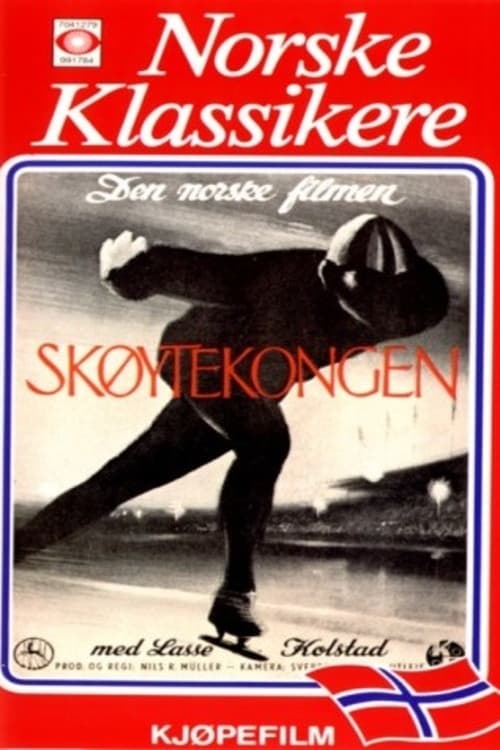
The throne of ice skating sees a change of regent when Hans takes over as “The King”, and the sports press can’t seem to get enough of him.
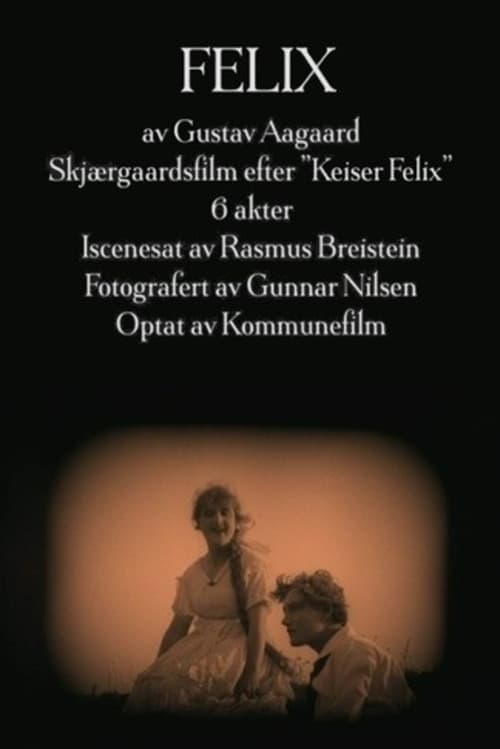
The film is based on the story The Emperor Felix written by Gustav Aagaard, rewritten for the film by Gunnar Nilsen-Vig, who also photographed the film. Rasmus Breistein directed the film.
Young Tone's uncle gets the much poorer young man Tellef sent out to sea after they fall in love. They pledge to never marry anyone else, but one day Tellef recieves a letter saying Tone is soon to marry the police chief.
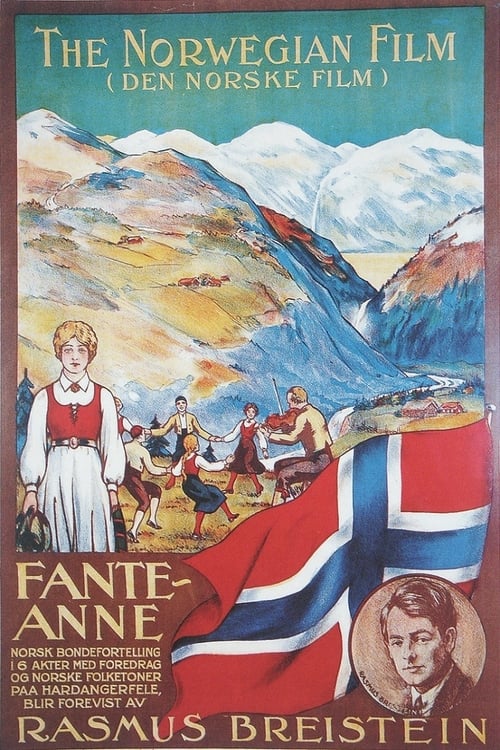
The story of an orphaned girl brought up by the Storlein family. Young Anne (Asta Nielsen) is brought as an infant to the Storlein farm by her mother, who has been traveling and is in need of a rest. The two are turned away at the door, and the mother takes her young daughter to the barn to sleep. The farmhand Jon discovers them in the morning but the mother has not made it through the night, so young Anne is taken in and raised by the family.
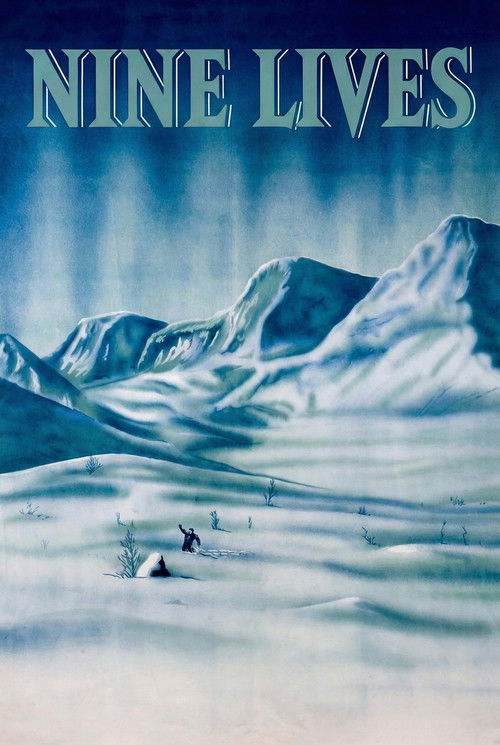
The movie takes place during World War II and depicts the true story of Jan Baalsruds amazing escape from the German army from the coast of Northern Norway and across the border to the neutral country Sweden.
Liv's father is sentenced to 6 years in prison after killing a traveling man visiting with his wife and young son. They afterward move away, but a mysterious young man turns up. Could he be out for revenge?
The city boy Rolf gets a job on a big farm, and soon lies about finding gold. We see the rise of gold fever while the corn rots away.
Petter and Kari meet, fall in love, and get married. But it's not easy for a young couple of limited means to find a place to live. Moving in with Petter's parents proves impossible, Kari can't endure her mother-in-law's constant interference. Trying to build a house of their own is halted by so much red tape, and affordable rentals is hard to come by. When Kari gets pregnant things doesn't get any easier.
Describes the origin and development of the trade union movement.
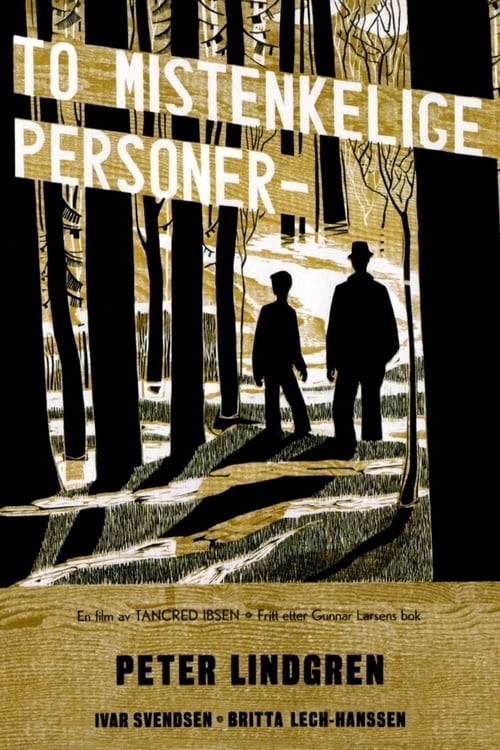
Two police officers lie dead. The swede Ekstrøm and the youngster Gustav flees the scene of the crime. Based on a real double murder in 1926, this movie remained almost unseen for 57 years. When the film was set to premiere in 1950 one of the murderers, having served a full sentence, went to court to have the film stopped.
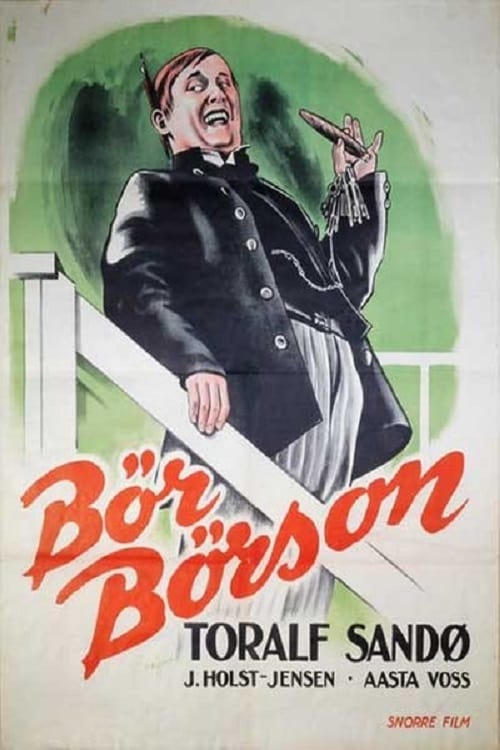
The story tells of the many misadventures, some comical, and trials and tribulations that Bør Børson, Jr. has to go through and endure in proving himself a citizen worthy enough to marry the squire's daughter.
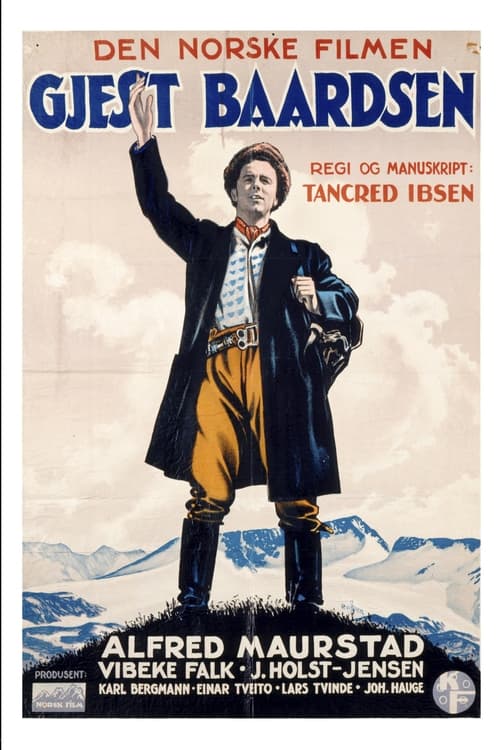
The film takes place during a time of famine. Norway has been at war with England and Sweden, and times are tough. Gjest Baardsen has gotten into trouble with the law, apparently over a trivial matter. But Gjest breaks free, and instead it is the sheriff who is locked up in handcuffs. And Gjest continues to flee, with sheriffs and good people in tow.
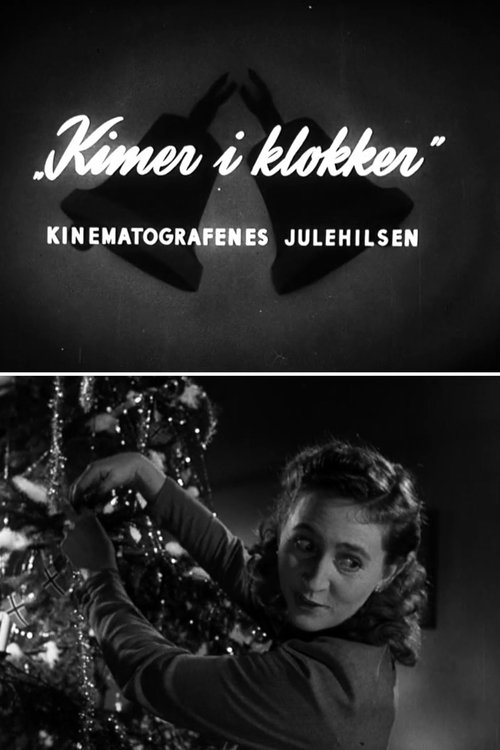
This is Oslo Kinematografer's Christmas greeting from 1951, where a family invites the audience to sing Christmas songs with them.
The film deals with poverty in Oslo in the 1930s
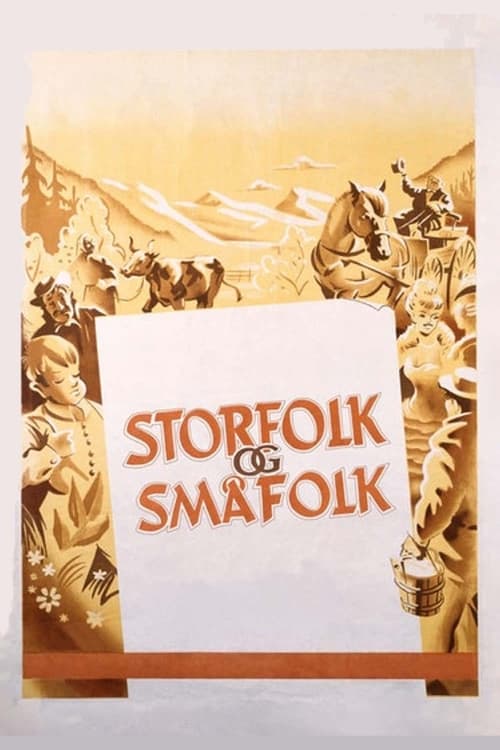
The wealthy farmer sits safely on his ancestral farm, and the hard-working tenant farmer lives on the hill below. The horse dealer at the coach station will trick the innocent farmer, who is not so innocent after all, with cunning tricks. The mischievous boy who bullies the servants when his mother and father are away, the kind-hearted little boy who helps his grandfather when no one else will listen to the old man, the village eccentric who never tires of recounting his youthful adventures in the city, the worn-out wife who will not send her cow to the show at any price.
Trysil-Knut is a Norwegian film from 1942. Directed by veteran Rasmus Breistein and is a ski themed melodrama about the legendary skier Trysil-Knut from Trysil. He is a powerful patriot, who in the early 1800s prevent that a war breaks out between Norway and Sweden using his skiing skills. While that goes on Knut is also preparing a court case of fraud to determine the ownership of his fathers old farm.