Camera
Edvard Munch's childhood is overshadowed by death: he suffers the loss of his sister and mother, while enduring serious illness himself, almost dying. At university, Munch discovers his talent as a painter. As he immerses himself in the art world, he becomes part of a cultural revolution led by the likes of nihilist Hans Jæger.
Denmark, by the end of the 19th century. Gov. Dihmer gives his resignation because of his illness. Two friends, a pastor and a physician, try to awaken his willpower and transcend a journey to Italy. Meanwhile, in the homeland, there are political breakthroughs that make little hope for new times.
When an inspector is murdered in hospital, the investigation led by Detective Martin Beck uncovers reports of misconduct and possibly revenge.
Rare glimpse into the fascinating mind of one of cinema's greatest directors. Footage was gathered over a two year period and documents David Lynch's many creative interests as well as his passion for filmmaking. It’s “abstract trip” which reveals new aspects of the personality and the cinematographic vision of one of the exceptional authors of contemporary cinema. Personal portrait of David Lynch and his creative universe.
The film portrays the Swedish playwright, novelist, poet, essayist and painter August Strindberg's life 1849-1912. Through his extensive correspondence and literary production, from the supposed first work, the drama "The Free Thinker" (1869), to the posthumously published "The Occult Diary" (published 1977 ). But also his three wives, Siri von Essen, Frida Uhl and Harriet Bosse, and the children Karin, Greta and Hans are given space in the film. The unpublished first drama "The Free Thinker", depicts a young man forced to break with family and tradition to follow his conscience and ideals, becomes a prophecy about the author's own life.
A film about the cup final between Brann and Rosenborg in 1988. Here, the focus is on the people, not the ball.
In 1871, a journalist for Versailles Television broadcasts a soothing and official view of events while a Commune television is set up to provide the perspectives of the Paris rebels. On a stage-like set, more than 200 actors interpret denizens of the Commune, especially the Popincourt neighborhood in the XIth arrondissement. They voice thoughts and feelings concerning the social and political reforms.
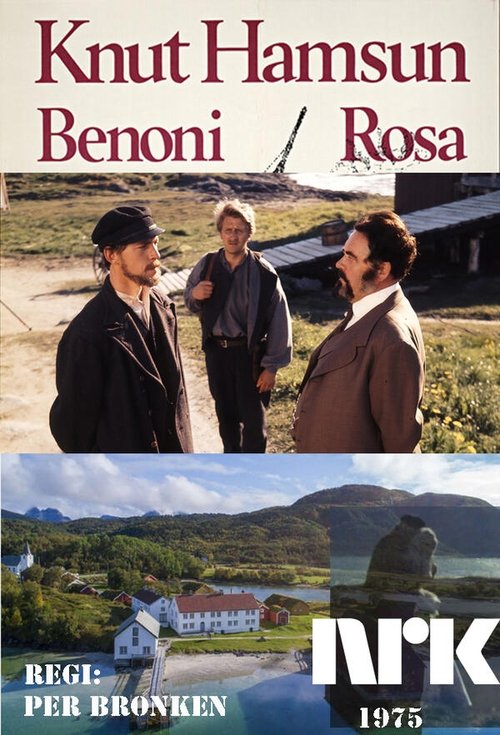
Set in the township of Sirilund in northern Norway, "Benoni and Rosa" follows the journey of Benoni, a young postman and fisherman, as he grows richer and rises through the ranks to the merchant class, and strives to propose to the beautiful priest's daughter, Rosa.
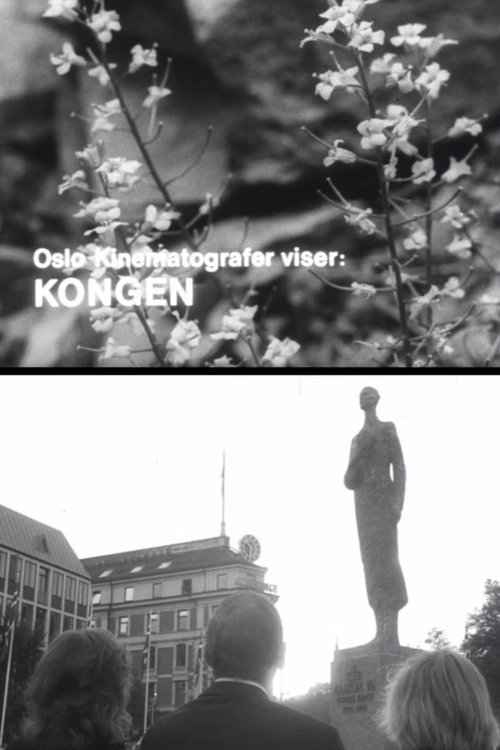
King Olav unveils the King Haakon statue. The film follows how Nils Aas' elegant monument of King Haakon VII was created, from the studio at Ekely, to its place on the pedestal where it stands and shines.
No description available.
German film.
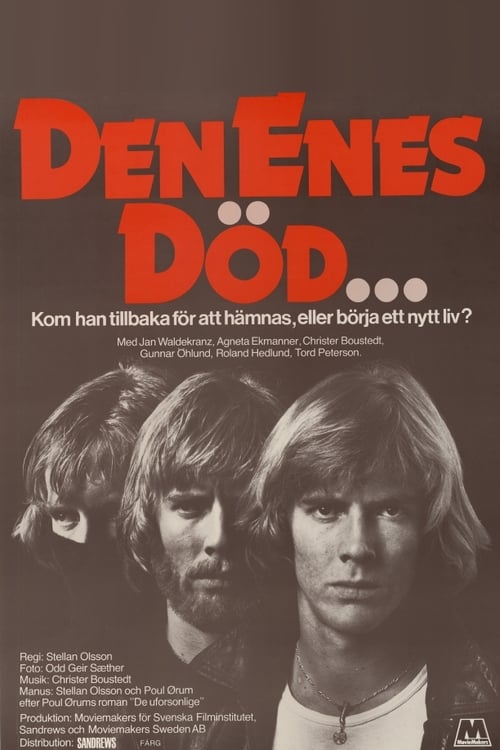
A man is released from prison. He returns to the small community he used to live in.
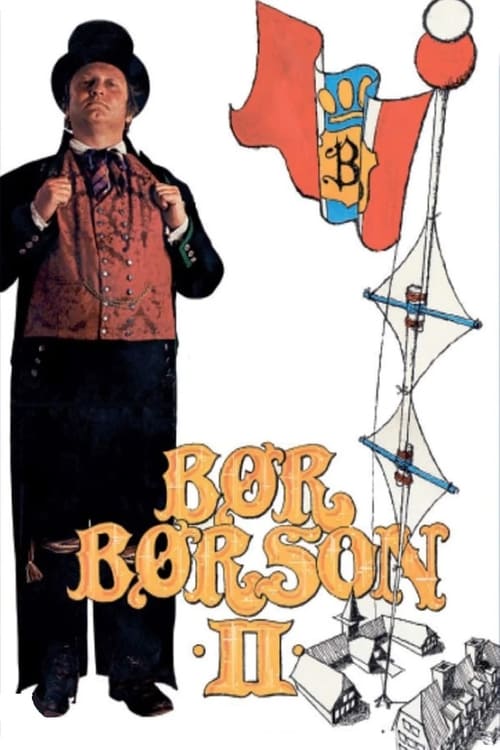
Bør is startled when he discovers that his father-in-law is becoming more Norwegian than he is. The father-in-law is about to raise the village's highest flagpole. Bør can't sit still and watch, and that's why the fight and the intricacies are underway.
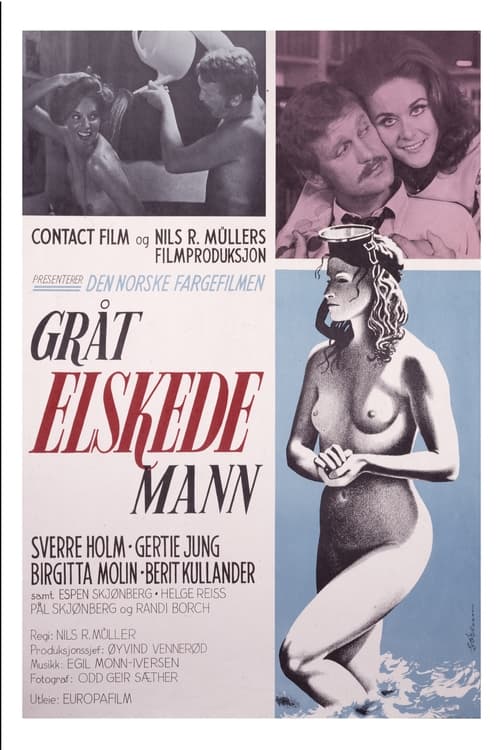
Preben Bang visits the Borkmann family and invites Mrs. Lissen to the opera. Her husband Fredrik says he wants to stay home. The Borkmann family is also visited by their friends Einar and Topsy Lorck Mathiesen. And while Preben takes Lissen and Einar to the opera, Topsy and Fredrik are left alone in the apartment. The two "left behind" soon find comfort in each other's company.
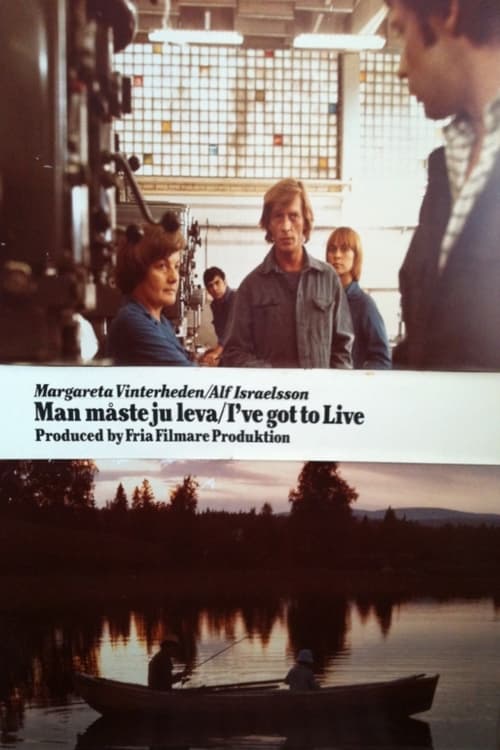
The sawmill in a northern Swedish village close down. Nils becomes unemployed. In order to cope with needs of his family, he is forced to travel south. His wife Karin and the children will stay in the village until further notice. Nils starts working at a factory. In addition to the job, he has been promised a good residence so that the family can move to him.
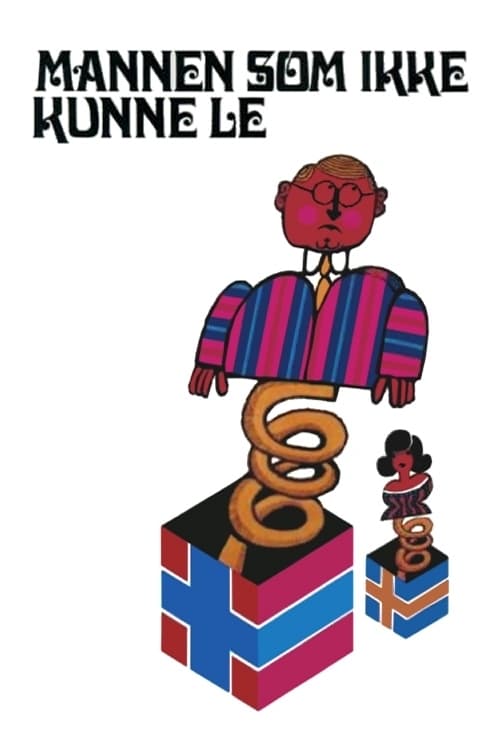
A man who can not laugh gets help by a psychiatrist.
Two parents and two children go out for a Sunday walk.
In Norway in the 1600s, An-Magritt is born as the result of a rape.
Nikolai seeks solitary to work in peace, and realize himself, when Ilni rises from the sea. She is also seeking herself, but also common bonds with people. Eva thinks she a snake in the garden of eden, forcing Nikolai to do wrong.