
Erica Sheu
Directing
Biography
Erica Sheu/徐璐 makes short films, expanded cinema and installation based on celluloid film. Her work is often about diary filmmaking, cross-generational memories, history and language, collective singularity, and/or Taiwanese identity politics. Her experimental short films have been shown at NYFF Currents, TIFF Wavelengths, IFFR Bright Future, International Short Film Festival Oberhausen, (S8) Mostra de Cinema Periferico, EXiS, TIDF among other film festivals and venues. Sheu holds an MFA in Film/Video at CalArts and is currently based in Los Angeles.
Known For
Triple-projection 16mm film by Erica Sheu
Exquisite Tension
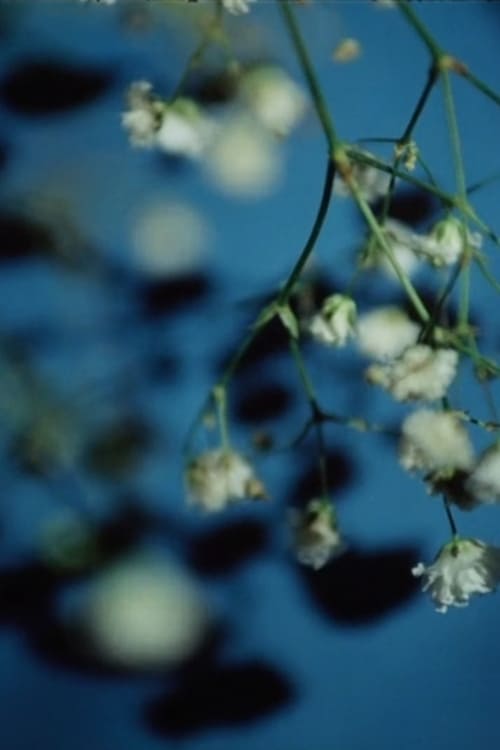
I transcribe a relationship on film with what I find at home: the flower baby’s breath, love letters my father wrote and sun print papers my lover gave me. This film is a dedication to Shadow Film: A Woman with Two Heads (Nito-onna: Kage No Eiga) (1977) by Shuji Terayama - Erica Sheu
Transcript
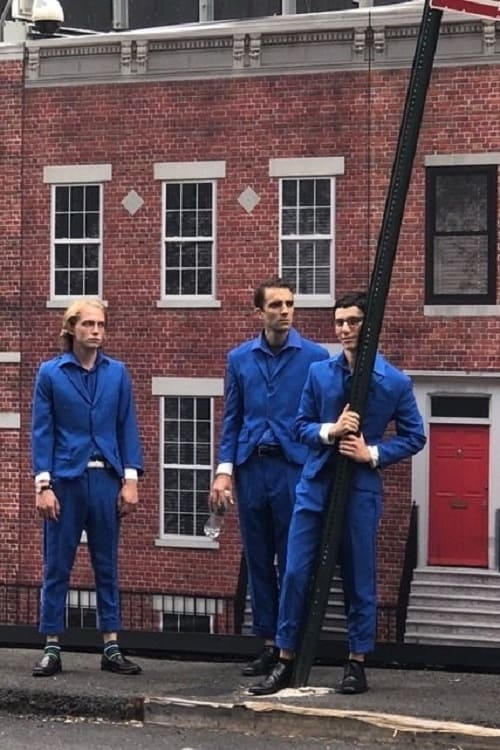
Almost forty years after its first appearance in You The Better, the house returns as a character in Beckman’s new work Reach Capacity, now symbolising real estate. The economic and political elements and the structure of the film are closely associated with the most famous of all board games dealing with real estate, Monopoly. Its origins go back to the early 1900s, when Elizabeth Magie created a first version of what she called The Landlord’s Game. Magie’s game had two sets of rules, a Prosperity set and a Monopolist set (only the latter was kept by Parker Brothers when they further developed the game without her). Magie’s aim was to illustrate how society as a whole thrives when monopolies are banished and income is distributed equally. Beckman takes over Magie’s dual game structure by having her screen flip over when a monopoly is reached.
Reach Capacity
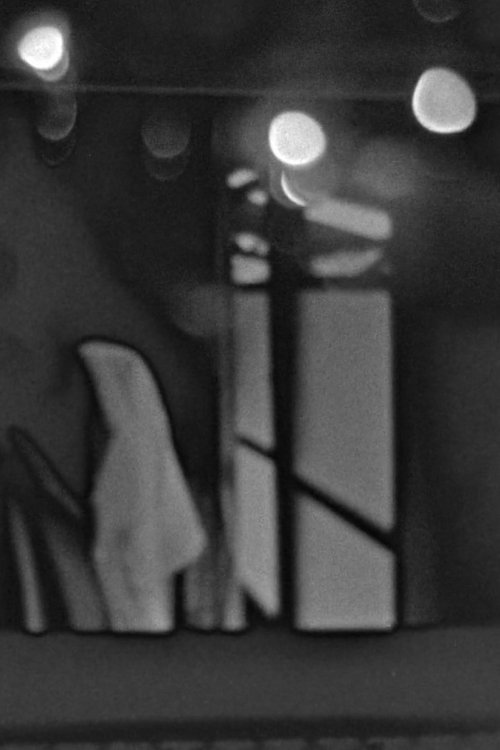
Everything was not planned. We started the day, in a basement in Queens, New York, watching a Japanese cult film, Rainy Dog, which was shot in my hometown, Taipei, Taiwan. Hand-processed and solarized the film to hide the anxiety of unsureness. This film is a part of the Camera Rolls series by Erica Sheu.
Rainy Dog
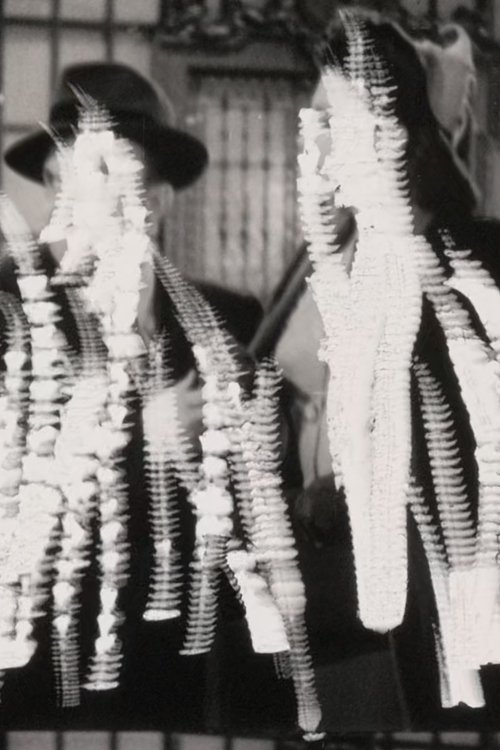
A film student's note.
Surface Of A Movie

This split screen film is a note on my recent readings as a self-realization. This is a part of the Camera Rolls series by Erica Sheu.
First Draft
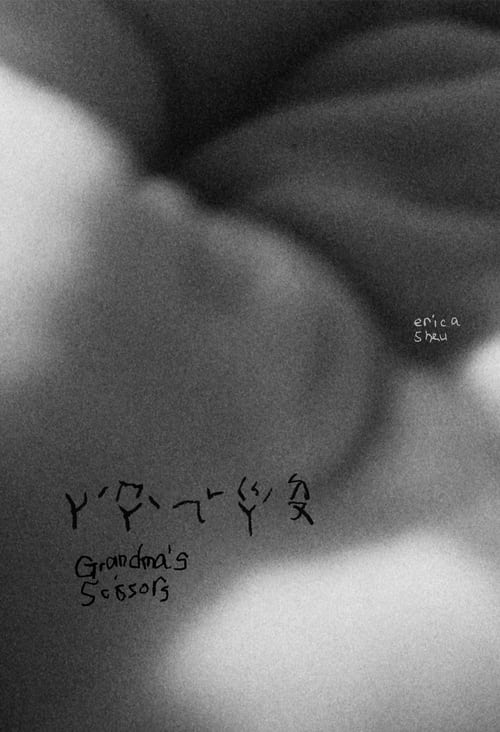
Is it a reconstruction of memory in the silence, or rather, notes before the memory disappears? The voice cannot be heard again, but one can still feel it through the eyes. The camera turns tactile into textile. The filmmaker connects with her grandma from her own craft to hers.
grandma’s scissors
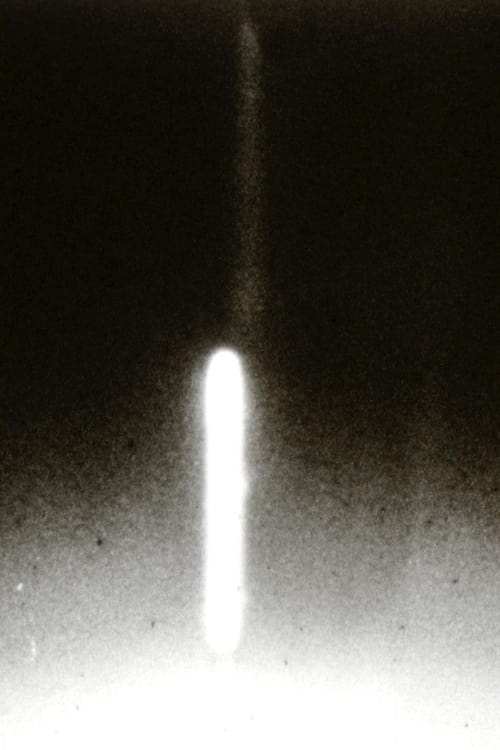
When we were hiding from the bomb at night, we could only light our way with incense," a childhood friend of Sheu’s father said. Through one physically extended loop of 16mm film, the artist projects an image of burning incense. The long exposures create “time” to allow reimagination and meditation on her father's childhood.
It Follows It Passes On
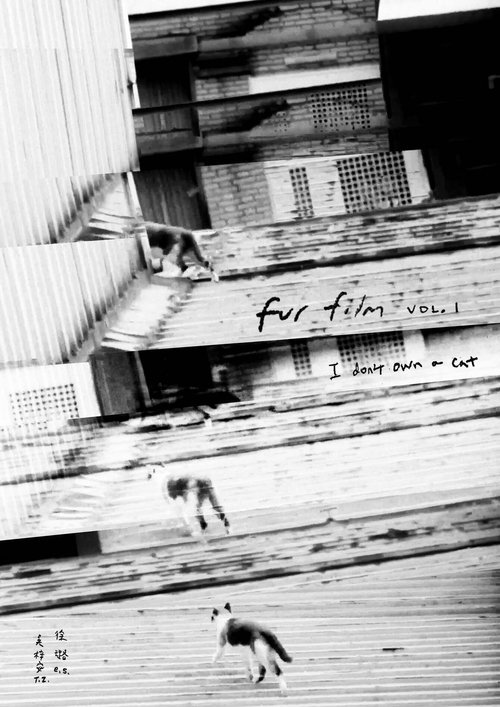
The cat I don't own runs through windows between different spaces and times, and it disappears before finishing a sentence. Using outtakes and rushes (what "fur film" means in Mandarin) to redeem the affects in these images we produced for. The film is the first volume of an ongoing exchange diary project between Erica SHEU and Tzuan WU. From the filming exercises and hand processing from the very beginning, we collaborate and experiment with different workflows of audio and visual between Taiwan and USA.
Fur Film Vol.1: I don't own cat
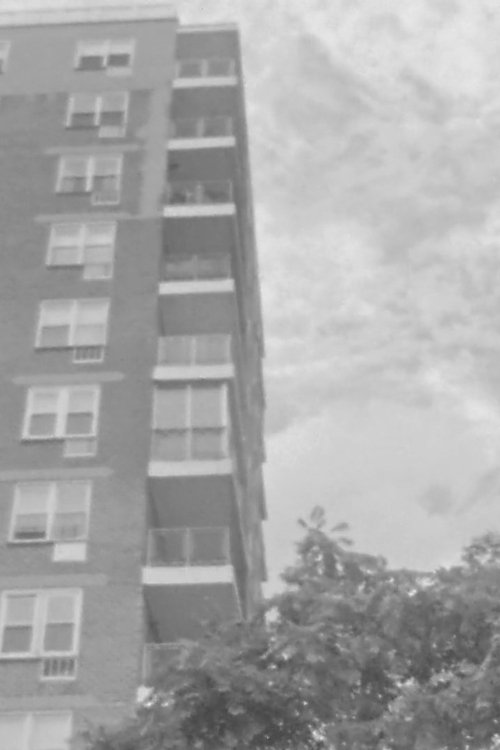
Inspired by Jonas Mekas's essay, The Diary Film, this film raises a question of what a person is looking at out of the window. The three-act structure gradually reveals that the focus was drawn to the domestic life of the Asian neighborhood - a visual connection to the hometown. This film is part of Camera Rolls series by Eria Sheu.
Afternoon
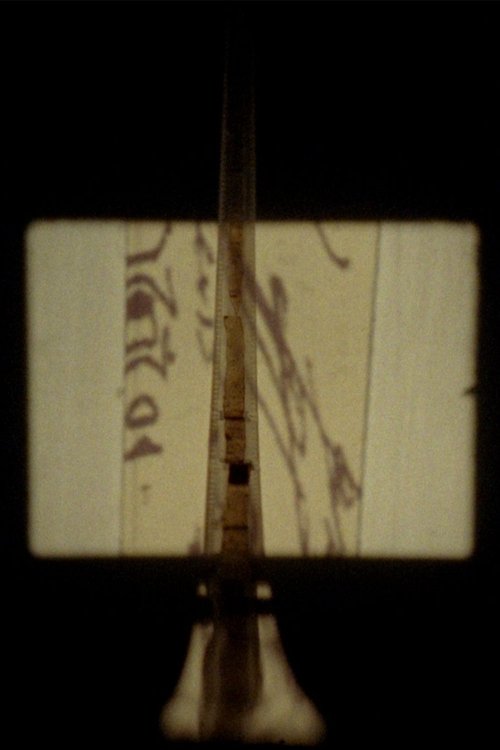
Notes for a film about birthday are deconstructed, cropped and stuck to clear film leaders to project in loops. As if an endless umbilical cord pulling out from a womb, this "interior scroll" is filled with unrecognizable writing that becomes simply moving images continuing to advance.
birthday song
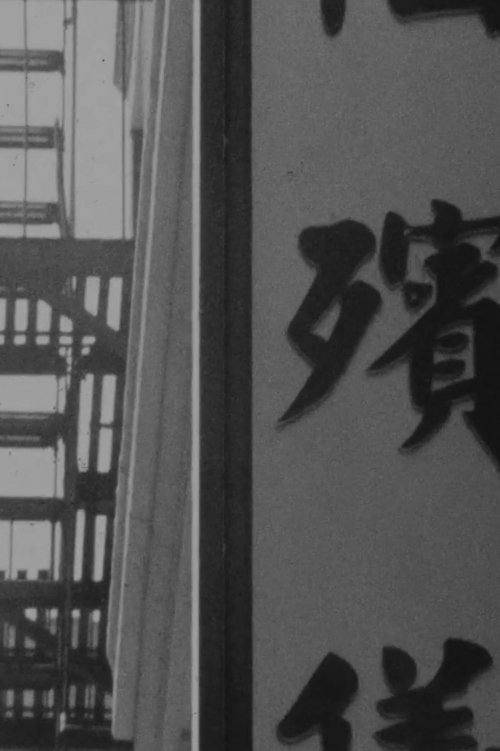
Today i took a walk alone, around the theater we hung out next to a chinese funeral house. This film is part of Camera Rolls series by Erica Sheu.
Take A Walk
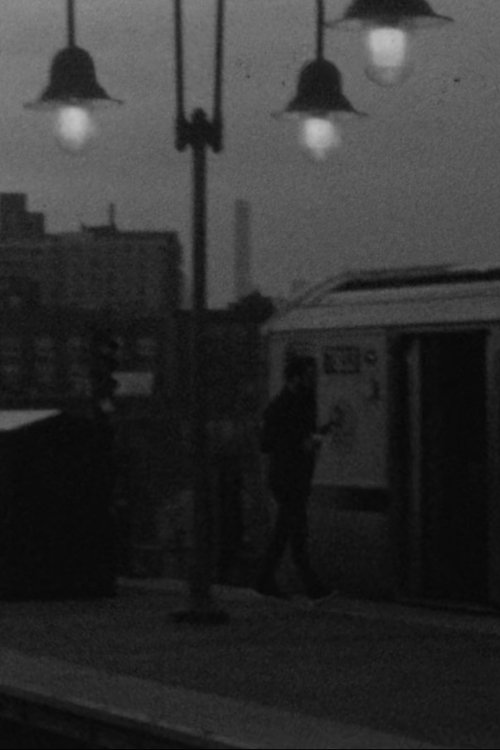
On the subway, a woman asked me how to go home. Distantly, we talked about our home on our way home.
The Way Home
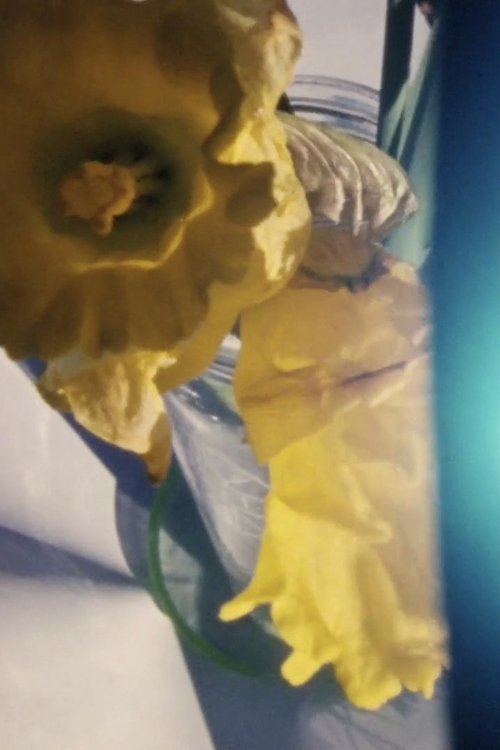
A half-moon on the blue sky. A quiet offering connects the unreachable world with the physical ground. An elegy for the filmmaker's grandma.
pài-la̍k ē-poo (saturday afternoon)
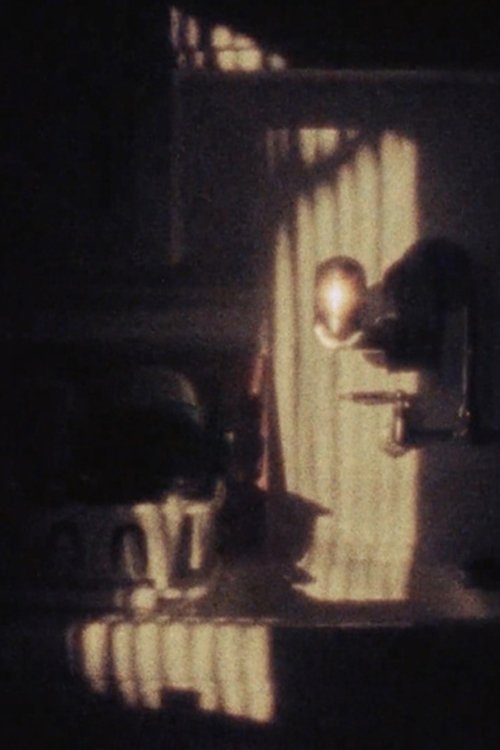
Day after day, bars of sunset pass the kitchen. Lamps carry on when the sky gets dark. The frame finds its balance. Life in work and work in life.
off (I don't know when to stop)

False Expectations is a 3-channel 16mm expanded cinema with a scored live noise performance by Shrine Maiden. Finding and preserving memories of connections and tenderness in dead flowers, in between blinds, slants of shadows and hand processed film frames.
False Expectations
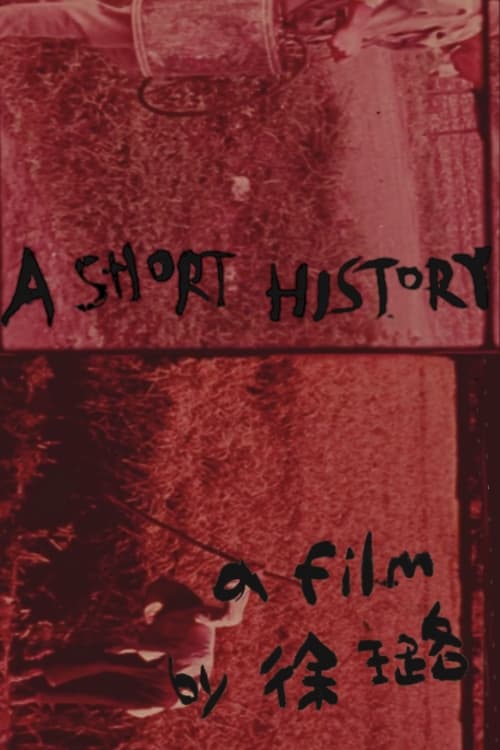
An anonymous narrator reflects on their national history as it forms and collapses their identity. They shift back and forth between two reels of 16mm found footage.
A Short History
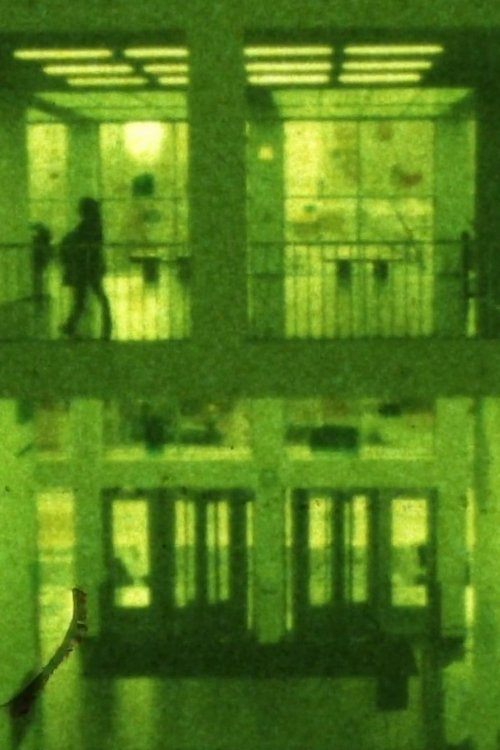
This film is a travelogue in Chicago, which is also a study on color and black and white, the expired and the fresh film, and the fast and the slow pace. I was looking at the city in the snow through the Costa Rican artist Federico Herrero’s installation, Alphabet, on the window at the Museum of Contemporary Art Chicago, and wondering what the difference would be between shooting this grey scenery with color film and with black and white film. As Herrero creates a landscape with color blocks, what landscape would I create with my two rolls of film? - Erica Sheu
Sunday, Monday And Tuesday I Was Out Of Film In Chicago
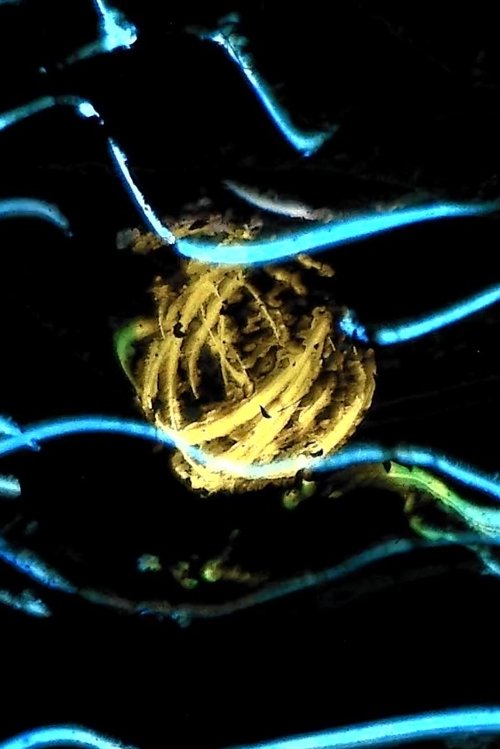
An animation scratching on 16mm black leader.
Insomnia
In the form of a digital stroll, this short uses images taken from the web to map Kinmen, the Taiwanese island and childhood home of artist Erica Sheu. Between reconstruction and digital composition, she retraces the island's landmarks and reflects on her relationship with her father against a backdrop of camouflage and military presence. A video diary emerges through these journeys, linking intergenerational memory, historical past, and anecdotes. Punctuated by a certain irony, don't be afraid let it show (true colors) captures the digital aesthetic, that of the poor image, to critically articulate a gesture of reconstruction.