Tomáš Vtípil
Sound
Known For
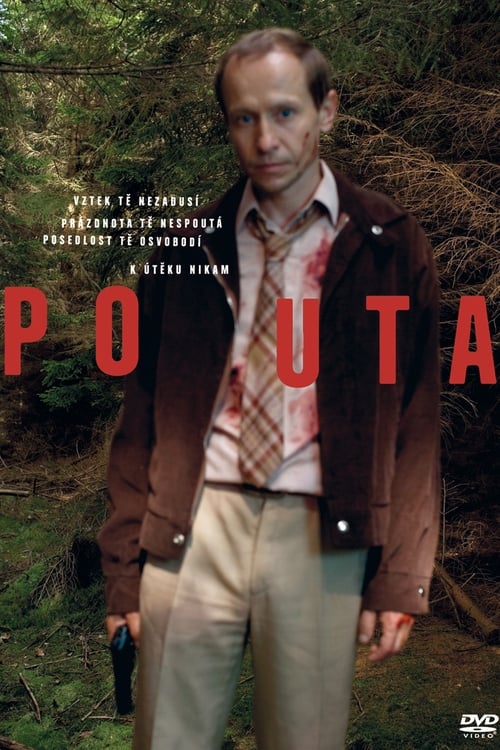
The psyche of a ruthless secret agent in Cold War Czechoslovakia begins to unravel when he obsesses over the girlfriend of a suspected subversive he is tracking. This taut political thriller is a bleak and potent rendering of the emotional destruction wreaked by totalitarianism.
Walking Too Fast
The film follows the fate of the real inhabitants of the former German village of Vitín. The central character of the film is Otto Hille, who comes from a Czech-German family. He prepares an expedition for the old and seriously ill Leopold Švarc, which is supposed to be a cathartic journey into the past shrouded in mystery. Schwartz is accompanied by the faithfully serving autistic Michel, the cook Jan and Dr. Ignaci. Otto also enlists the begging bankrupt painter Henry to join the group. The expedition takes Otto to the land of his ancestors - the long-decayed German village of Vitín. He witnesses the events of 1945, where he meets his grandfather Otfried Hille. The trauma of the past becomes the key to understanding the present.
Blood Kin
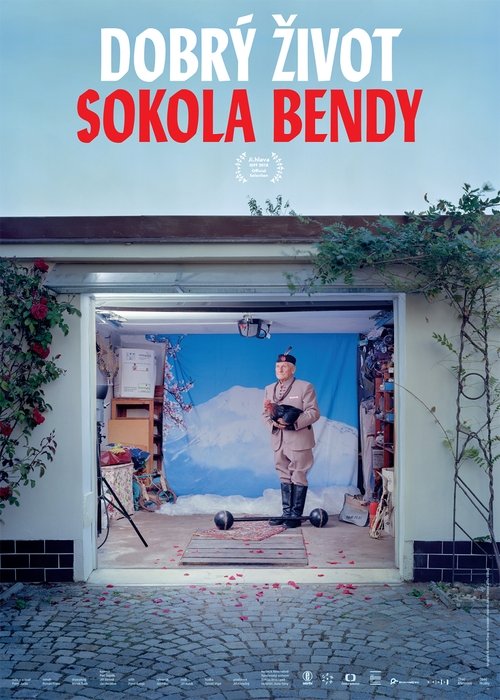
A sensitive portrait of grandfather Miroslav Benda, a tried and true Sokol member and an ordinary man with extraordinary vigor and ideals, revealing a story of human resilience and optimism through nostalgia and situational comedy. The film is a kind of observational documentary - it includes family videos and archival film material. We’re drawn into the microcosm of the village of Křenovice u Slavkova by two Japanese women who have decided to visit Benda, thanks to his long friendship with a university professor from Tokyo. Together with Benda, the audience travels to the only Japanese gas station in Europe, to Prague’s Strahov Stadium, and to New York to visit American Sokol members.
Good Mr. Benda
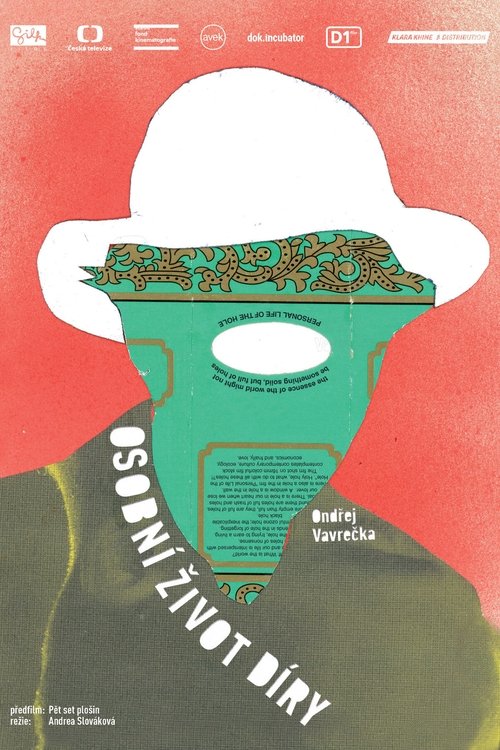
A hole gapes in a house wall. A small flaw, something imperfect that we seldom consciously direct our attention to. Filmmaker Ondřej Vavrečka finds holes in every corner. His focus is on the imperfections of human existence. A hole can also mean an uncertain future, or an empty stomach. The gap that partners leave behind after a breakup. Ondřej Vavrečka does not only deal with visible holes. He looks at the incomplete from a philosophical perspective. He also lets a nuclear physicist, a theologian and an ethnologist have their say. He underscores their thoughts and theses with absurd everyday scenes: a woman with a chair on her head or an invisible skier. These scenes combine with interviews, sounds and stop-motion sequences to create a playful collage.
Personal Life of a Hole
A collage of influences, spoken sentences, deeds, traces, and appearances of the Brno poet and prose writer Jan Skácel. Contemporary cultural figures regard the author as a social and cultural phenomenon. The directors of this documentary, on the other hand, decided to treat Jan Skácel as a subject of literary and social history, whose role in the cluster of regime and cultural events is unwavering and often – nowadays – glorified or otherwise embellished. In the film, they attempt to distance themselves from the established ideas about Jan Skácel and, at the same time, from past interpretations of Jan Skácel’s work. Instead, they interpret him through their own series of images.
Searching For Jan Skácel
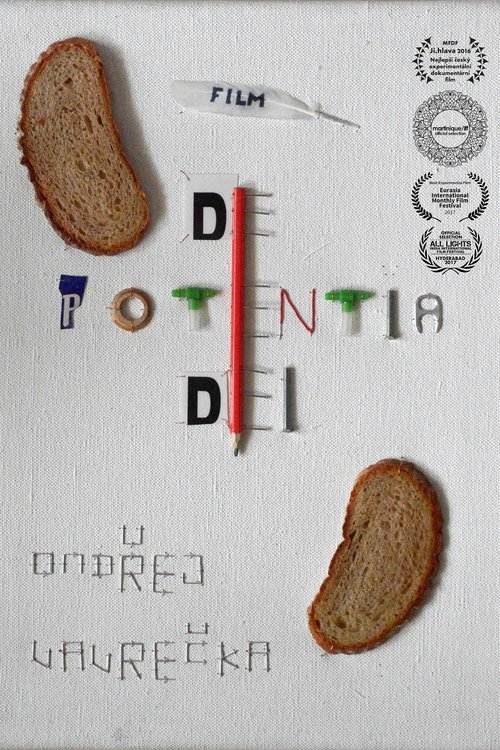
Kazimir Malevich wanted to burn all the pieces of art. And to create black squares from the ashes. The black square (Everything of art) did not appear here by an accident. Where are its roots? Is not the square in its core a circle, the return of Everything? And are we to speak on fundamental matters? Here we enter the quest of spies. The agents want to keep silence. The informaticians prefer the total openness, proximity, disposition. Distance or proximity?