Jeremy Larner
Writing
Biography
Jeremy Larner (March 20, 1937 — February 24, 2026) was an American screenwriter, author, poet, journalist and speechwriter. Born in Olean, New York, Larner graduated from Brandeis University in 1958 before writing several books throughout the 1960s, including his debut novel Drive, He Said (1964), which was adapted by co-writer/director Jack Nicholson into a 1971 film. As a journalist, Larner wrote for Harpers, The Paris Review, and Life. He was a speechwriter for Eugene McCarthy during his 1968 campaign for president, which inspired his book Nobody Knows, serialized for Harpers in ’69, and influenced Larner’s script for Michael Ritchie's The Candidate (1972), which starred Robert Redford as leftist lawyer Bill McKay, who quickly becomes a popular public figure as he is groomed to run for a senate seat. The film earned Larner an Academy Award for Best Original Screenplay. Over the years, Larner further wrote speeches for politician Bill Bradley, activist Sam Brown, Paul Newman and Redford, covering topics like the Vietnam War and environmentalism.
Known For

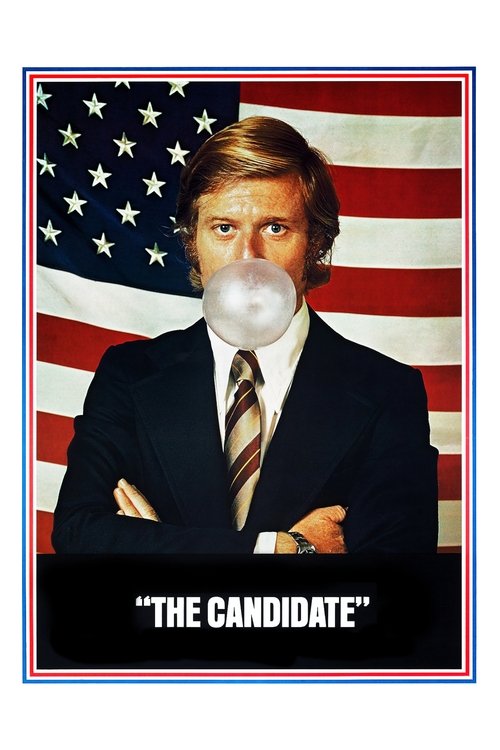
Bill McKay is a candidate for the U.S. Senate from California. He has no hope of winning, so he is willing to tweak the establishment.
The Candidate

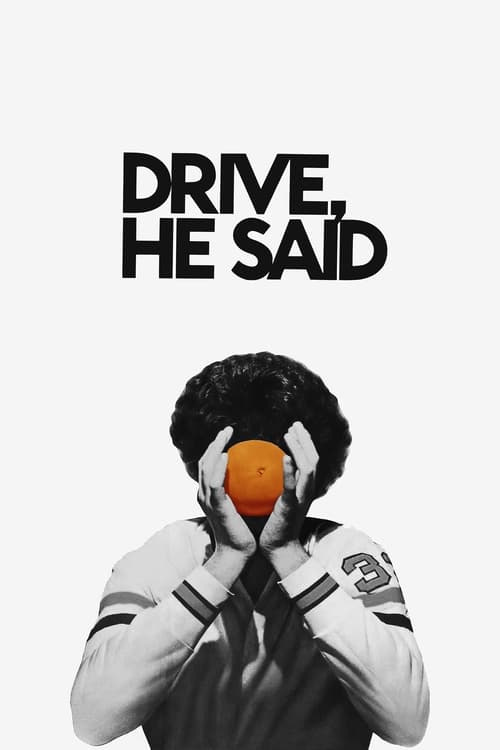
Hector is a star basketball player for the College basketball team he plays for, the Leopards. His girlfriend, Olive, doesn't know whether to stay with him or leave him. And his friend, Gabriel, who may have dropped out from school and become a protestor, wants desperately not to get drafted for Vietnam.
Drive, He Said
People in the entertainment industry recognize Darryl Henriques as an immensely talented comedian: one who creates a unique and biting commentary on modern life. Yet, up until now he's been unable to break through and make a living as a performer. This is mostly because Darryl is driven to speak the truth, as he sees it, even when it conflicts with his ambitions. All his life, Darryl has been caught between his desire for success and his need to challenge authority - both on and off stage. At times, Darryl deliberately alienates his audience with his improvised routines and then tries to win them back. Such theatrics give pause to the people who could help Darryl to become more of a commercial success. This film is a portrait of an artist struggling to come to terms with his eccentricities as he attempts to gain access to a larger audience without compromising his spontaneity or the integrity of his humor.