Acting
A Czech medical television series that focuses on an emergency department. Each episode follows cases inspired by real-life stories and the cases of patients and healthcare professionals.
No description available.
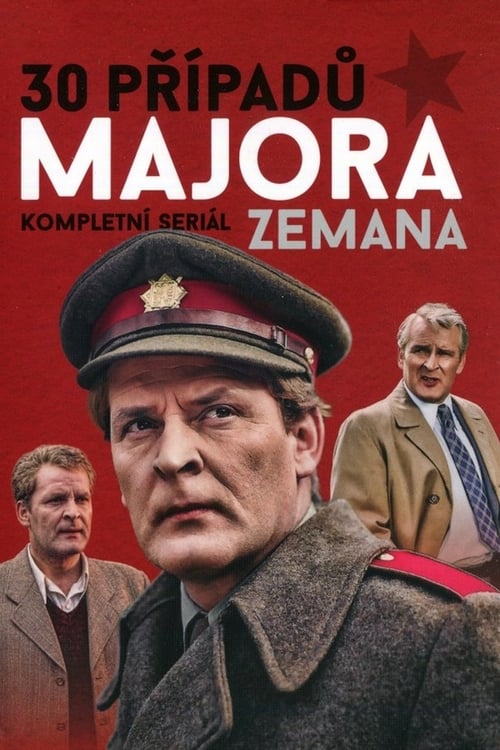
Thirty Cases of Major Zeman is a Czechoslovak action-drama television show intended as a political propaganda to support the official attitude of the communist party. The series were filmed in the 1970s. Each episode encompasses one year, and investigations are stylized to that year. Most are inspired by real cases. The series follows the life of police investigator Jan Zeman during his career from 1945 to 1975.
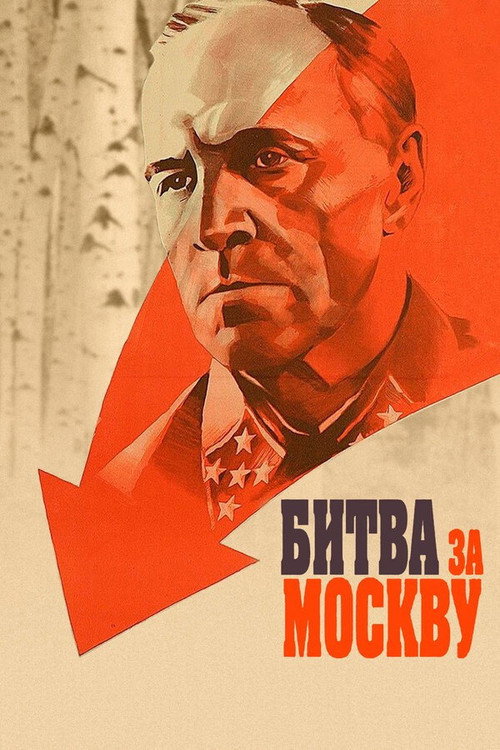
The Battle of Moscow is a 1985 Soviet multi-part war narrative, presenting a dramatized account of the 1941 Battle of Moscow and the events preceding it. The battle was the first major defeat of German Wehrmacht in the Second World War.
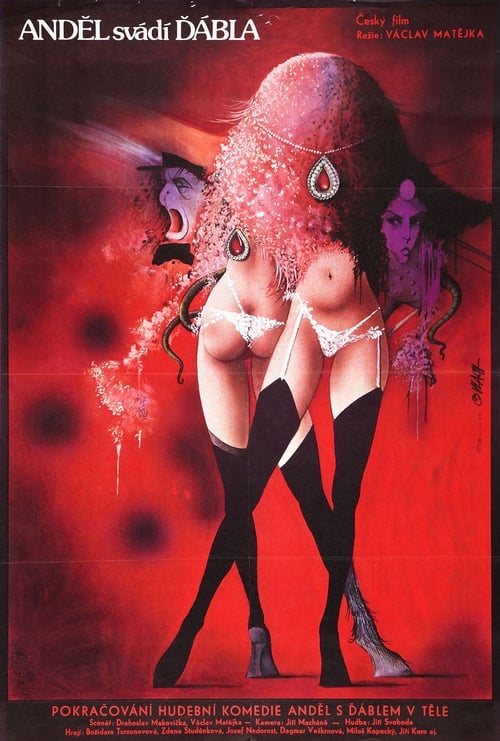
Once again, you can take a look behind the scenes of the Riviera Chateau on the Prague periphery, where a brothel for the socialites is hidden under the guise of an exclusive nightclub. The story takes place in 1930 and although several years have passed since the events of the first volume, the passions unleashed by the intrigues of the time have not cooled down. Once again you meet Renata, called Angel, formerly a prostitute, now the wife of the banker Justice and owner of the Riviera. The elegant Madame, who owned the business before and now works there as a mere manager, is plotting new schemes to get back everything she has...
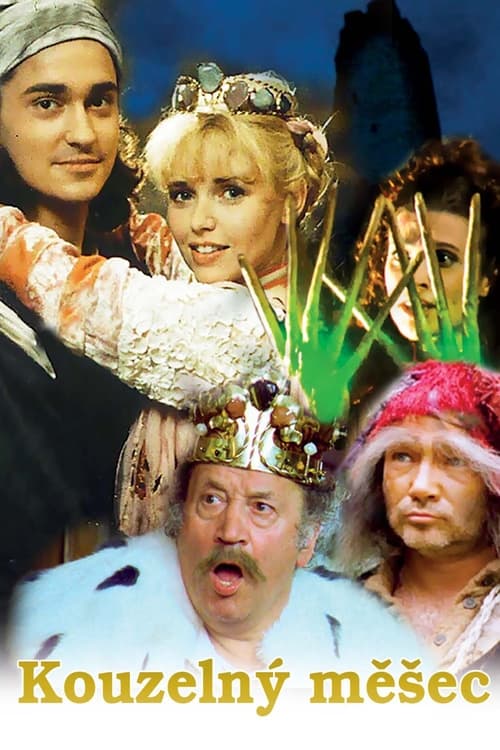
Carpenter Jakub is preparing a gift for his bride Bára – a carved chest. On the advice of his grandmother, a herbalist, he goes into the forest to find a twig from a magical larch tree so that the chest will blossom. In the nighttime forest, he is helped by the fairy Modřínka, who likes Jakub. However, the proud Bára rejects Jakub, and he almost falls victim to the forest fairies. Who will save him, and who will be his bride?
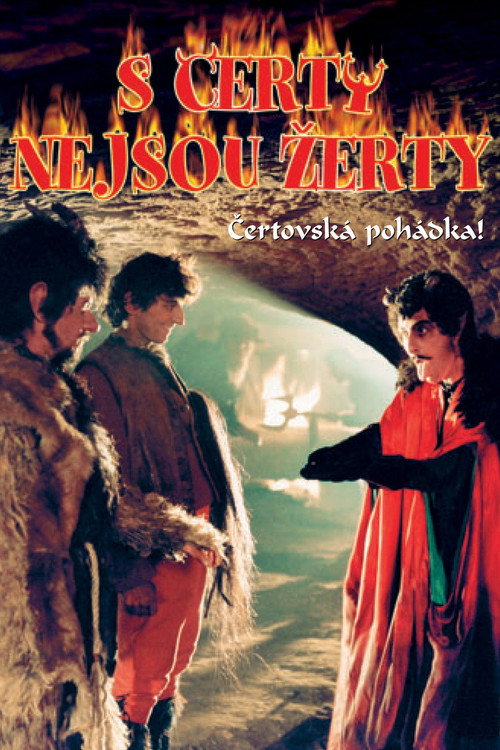
Dorota, a bad woman married the miller, out of sheer greed drives him to death. She then took the mill away from his son Peter and threw him out of the hime. Lucifer, who is known to rule in hell, sends out the devil Janek. He is supposed to fetch Dorota because the measure of her earthly sins is overflowing. But the devil himself can not handle this evil woman and flees to the military. There he meets Peter. By joining forces, they finally succeed in transporting the wicked Dorota to hell. Since then hell is hell. But for Peter, who is suddenly in possession of a magic mantle, begins a nice time, because strangely, the prince shows great interest in him.
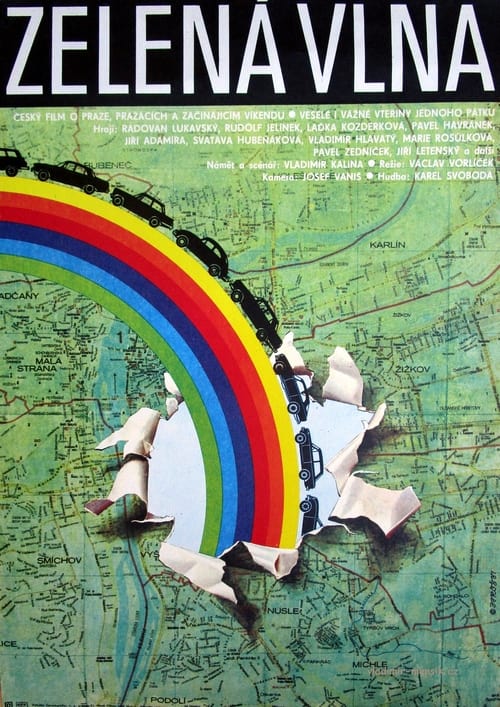
A short film about Prague, Prague residents, and the beginning of the weekend.
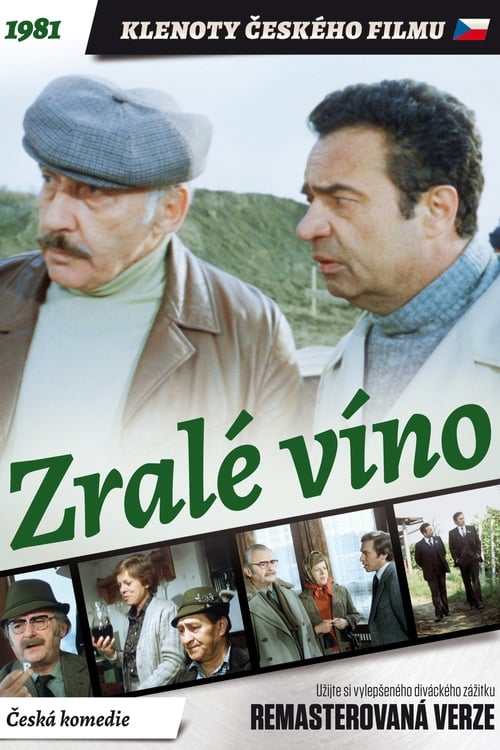
A loose sequel to the 1976 comedy Stormy Wine. The screenwriters and the director recreate on screen a number of characters from the South Moravian town of Pálavice, characterised by their different attitudes and approaches to work and private life. A number of serious issues touching on the times emerge around the story of the con man. The fundamental dispute between the vice-chairman Janák and the chairman of the merged cooperatives ing. Urban, as well as the satirical theme of illegal machinations and bribes, are undoubtedly of general validity.
An evil witch is trying to steal a magic purse possessed by the local ruler. Thanks to Princess Blanka's love, Prince Petr wins out over the witch.
A young blacksmith, searching for happiness in a series of dreams, realizes that he must find a rejected princess and hold her hand. A fairytale after the Brothers Grimm.
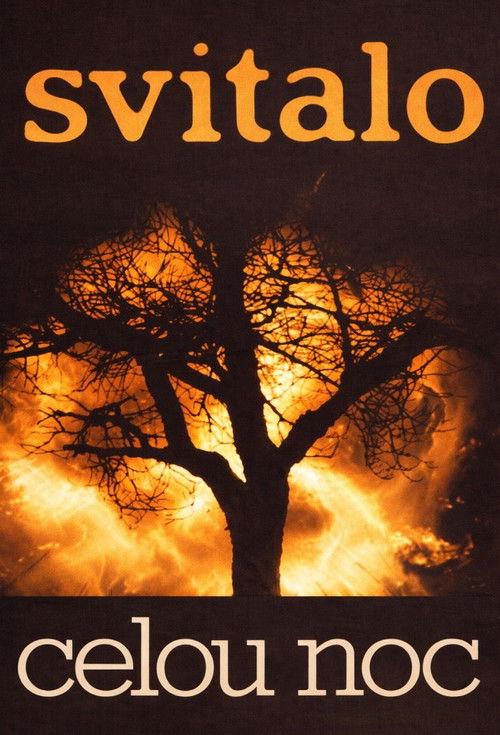
The Czech film Svítalo All Night was made to commemorate the 35th anniversary of the liberation of Czechoslovakia by the Soviet Army and is dedicated to all those who fought and gave their lives in Prague in the May Uprising of 1945. Behind the historical events, the creators see mainly their simple, unassuming participants. Thus, we are presented with a number of apt portraits, whether it is the central hero Dr. Soukup and nurse Daniela on the side of the fighting Czechs, or a captain and a simple private in a Red Army unit coming to the aid of the fighting Prague, or an old, war-weary German major, who only realises the senselessness of the war at the sight of a fanatical, cynical lieutenant for whom Nazi ideology represents the meaning of life.
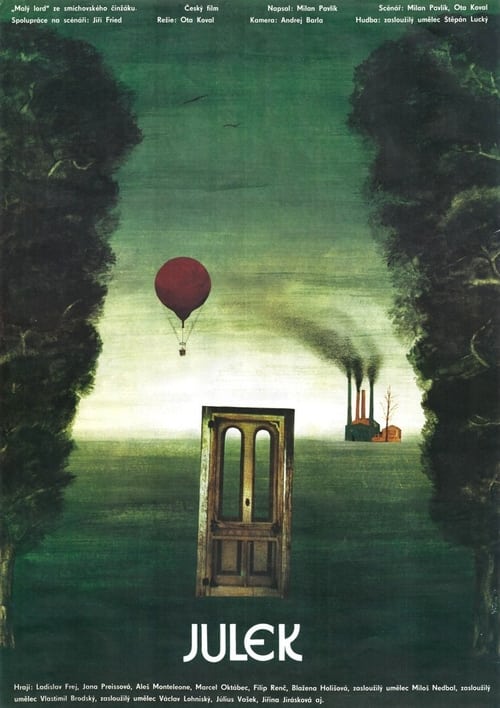
The future communist journalist Julius Fučík had a stimulating childhood and youth in a working-class environment, when his moral maturity was already showing. The authors of the film recall that the young Julek was a star of the suburban operetta scene, and in three episodes they depict him both in his early childhood and already at the gymnasium, when the outbreak of the World War shaped his determination.