Sound
The wet film, in which a teenage girl wants to get her first kiss and at the same time afraid of it.
During a time of political upheaval in Brazil, two strangers meet by coincidence in a foreign land and end up caught in the middle of a gem smuggling ring.
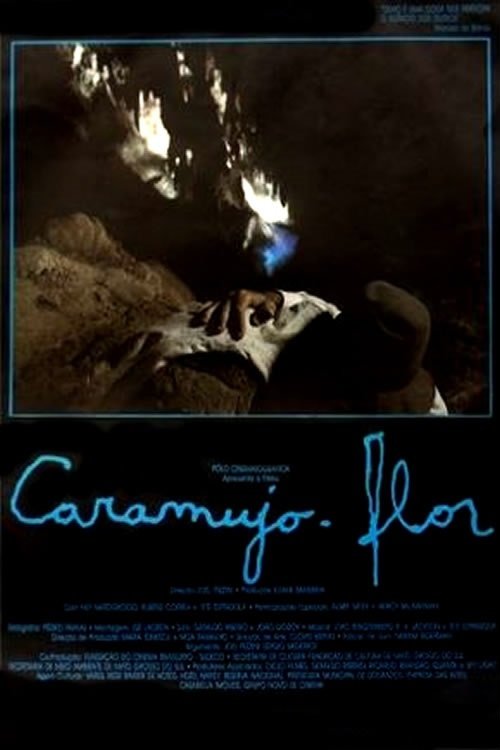
Film based on Manoel de Barros poetry. Story about poet's life in the swamp area of Brazil (Pantanal) and its wildlife; & his obsession with the sea and his new life in the big metropolis in Brazil.
Durval and his mother Carmita live at the back of a record store they own in São Paulo specializing in vinyl records. They lead a boring and unattractive life, until the day Durval hires a maid, Celia, to help his mother with the housekeeping. However, on her second day, Celia goes away leaving a 5-year-old child behind, Kiki, and a note promising to be back in a couple of days. Durval and Celia are charmed by the child at first, but soon they see some sad news about Celia and Kiki on TV that change the whole situation.
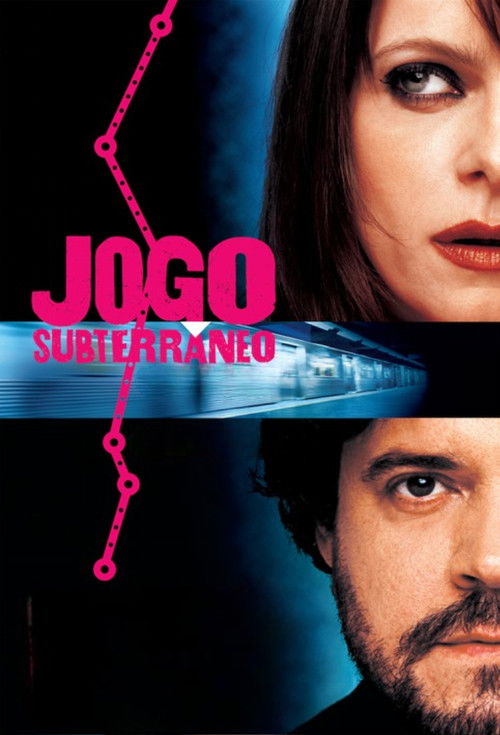
To find the woman of his life, man makes a game up: he enters a subway train wagon, picks a woman he likes and waits to see whether she's going to take the same course and connections as he. If she is, he tries to make contact.
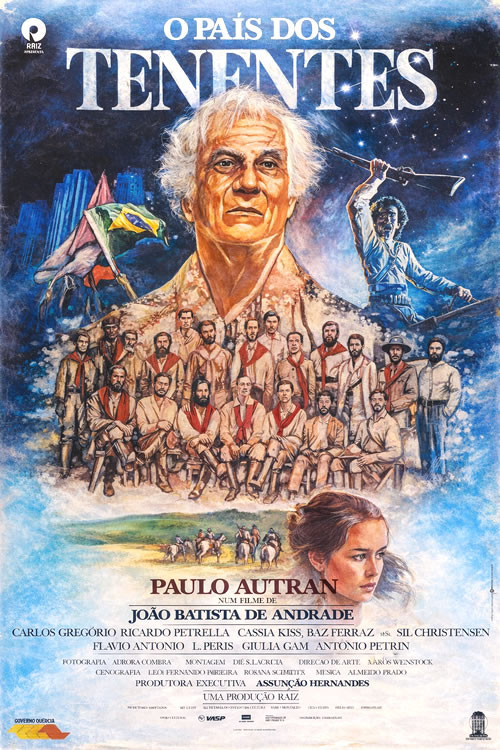
With death getting near, a retired officer remembers the most important passages in his life and his participation in historical events in Brazil, such as the Lieutenants' Movement, and the 1964 coup.
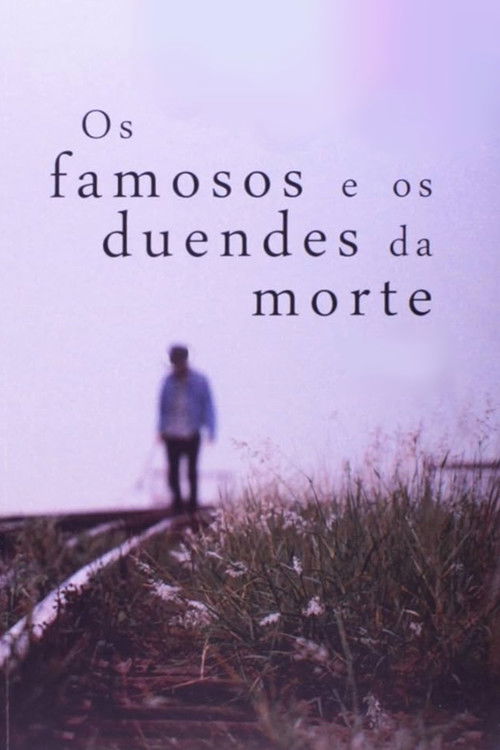
In a small town in the countryside in the south of Brazil, a teenager that uses the codename Mr. Tambourine Man spends his time in Internet, at school, smoking pot with his best friend Diego and with his dysfunctional mother. He dreams on leaving his hometown to watch a Bob Dylan's show but seems to be hopeless stranded in the spot.
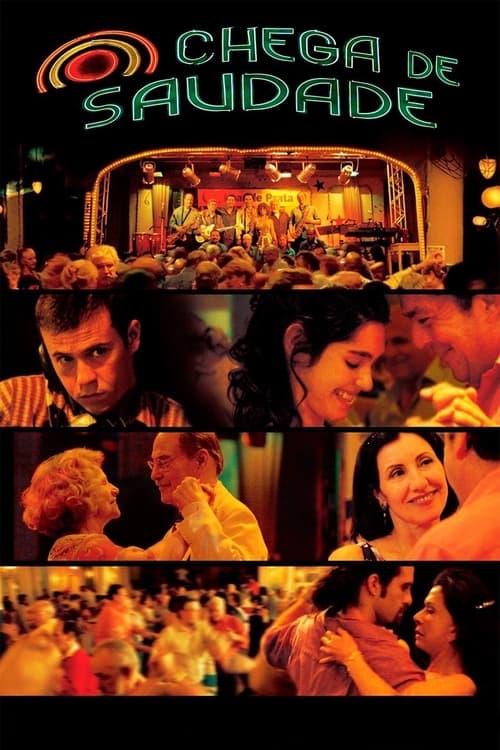
An evening in an old time dance hall in Sao Paulo introduces us to local characters who reminisce about the past, wonder about the future, have fun, flirt, fight and, of course, dance. Its earthy humour and eternal themes of ageing, loneliness and desire is an antidote to grumpy old men and women everywhere.
The tomboyish, outgoing Julieta is the daughter of a member of the Palmeiras soccer club board. She is constantly frustrated by what she sees as institutional bias against women in soccer. One day while watching her beloved Palmeiras, she is struck by a handsome man, Romeu, that she sees rooting for the Palmeiras' chief rivals, the Corinthians. After meeting the same man again in the middle of eye exam, Julieta and Romeu quickly become a couple. However, in order to avoid incurring the wrath of her parents, Romeu is forced to pretend to be an adoring Palmeiras fan, an increasingly difficult task for the die-hard Corinthiano.
Chico and Ana move to an apartment in São Paulo. As they unpack Ana found a cassette tape. It's a mix-tape that Clarisse made 20 years earlier to her husband Daniel. Albeit separated by time, both stories will cross paths in a unique way.
Two seventeen-year-olds go out at night looking for a good time in the streets of São Paulo and end up discovering a lot about them selves and their hidden feelings.
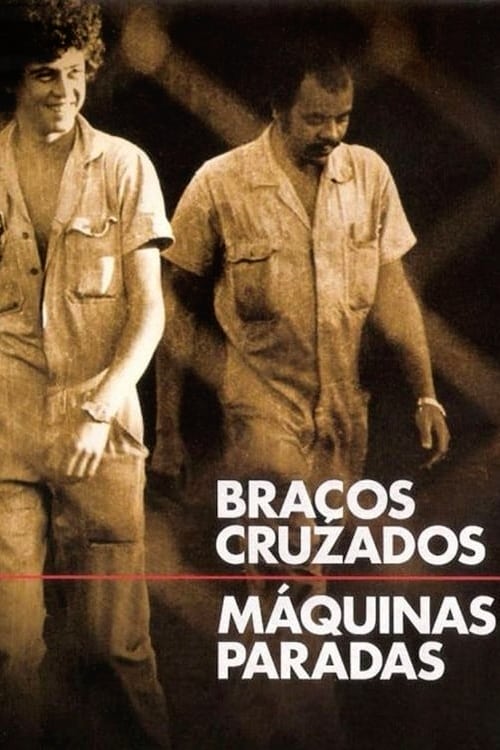
São Paulo, May 1978. Three slates compete for the leadership of the Metalworkers' Union of São Paulo, the largest in Latin America, with 300,000 associate workers, and presided over by a platoon since the military coup of 1964. In the midst of the Union electoral campaign, the first workers' strikes that would change the country began. Braços Cruzados, Máquinas Paradas reveals, in an engaging narrative, the Brazilian trade union structure of fascist inspiration.
A documentary about urban violence in Brazil, especially in Rio de Janeiro. Policemen, drug dealers, and shantytown dwellers get trapped in a daily war that knows no winners.
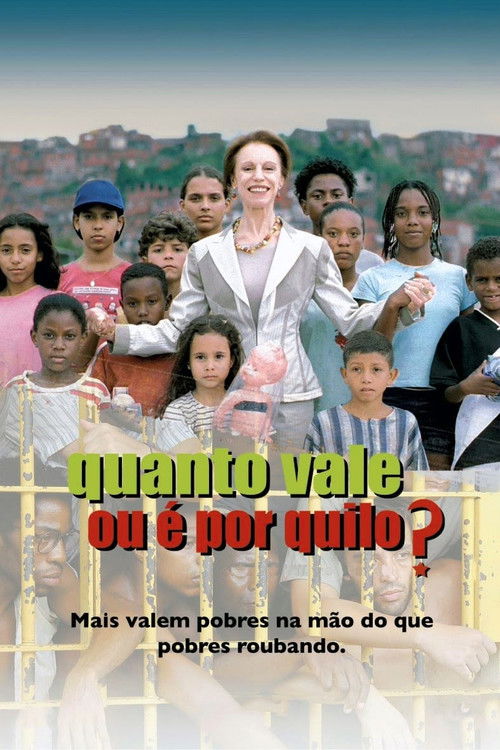
Free adaptation of Machado de Assis's short story "Pai Contra Mãe", having some of Nireu Cavalcanti's 18th Century chronicles as inspiration, the film traces parallels between life in during the slavery period and in modern Brazil.
Where are you, João Gilberto? sets out in the footsteps of German writer Marc Fischer who obsessively searched for the legendary founding father of Bossa Nova and last great musical legend of our time, Brazilian musician João Gilberto, who has not been seen in public for decades. Fischer described his journey in a book, Hobalala, but committed suicide one week before it was published. By taking up Marc Fischer's quest, following his steps one by one, thanks to all the clues he left us, we pursue João Gilberto to understand the history, the very soul and essence of Bossa Nova. But who can tell whether we will meet him or not?
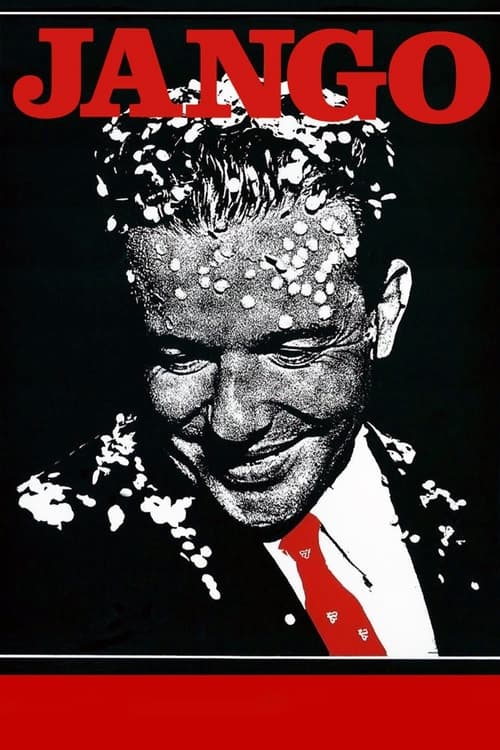
The story of João "Jango" Goulart, the Brazilian left-wing president deposed by the military.
The documentary tells the story of journalist Vladimir Herzog, nicknamed Vlado, who has been tortured and murdered during the repression years of Brazilian military dictatorship.