David Lebrun
Directing
Known For
PBS' premier science series helps viewers of all ages explore the science behind the headlines. Along the way, NOVA demystifies science and technology, and highlights the people involved in scientific pursuits.
NOVA
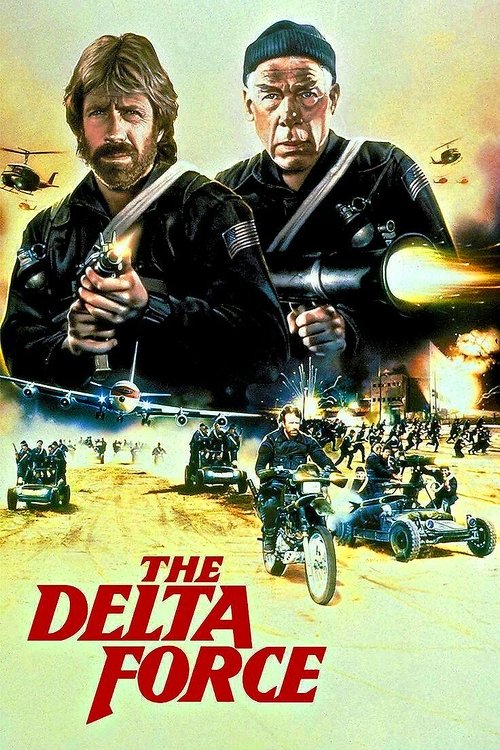
A 707 aircraft jetliner, en route from Athens to Rome and then to New York City, is hijacked by Lebanese terrorists, who demand that the pilot take them to Beirut. What the terrorists don't realize is that an elite team of commandos have been called in to eliminate all terrorists on the jetliner.
The Delta Force
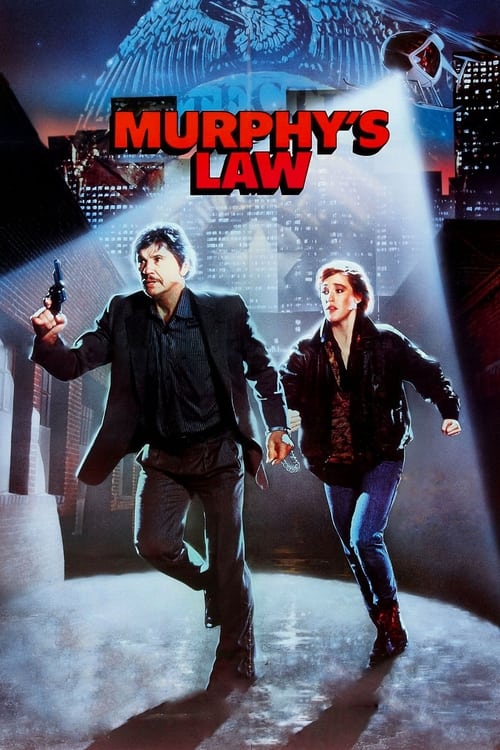
A tough police detective escapes from custody after being framed and arrested for the murder of his ex-wife, and must now find the real killer and prove his innocence.
Murphy's Law
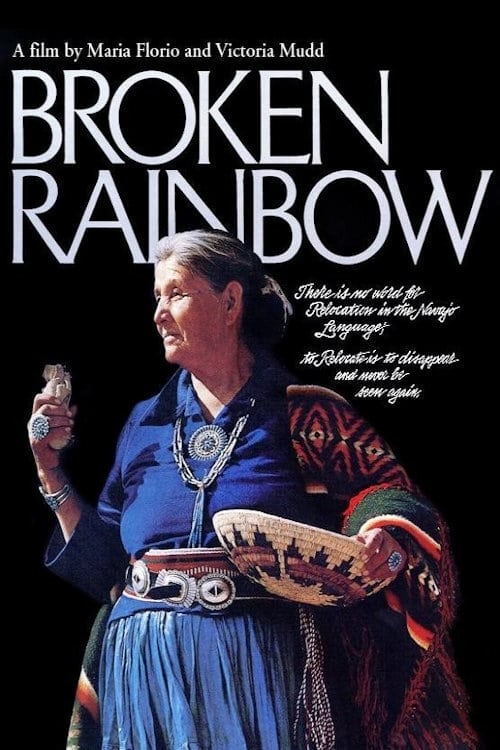
Documentary chronicling the government relocation of 10,000 Navajo Indians in Arizona.
Broken Rainbow
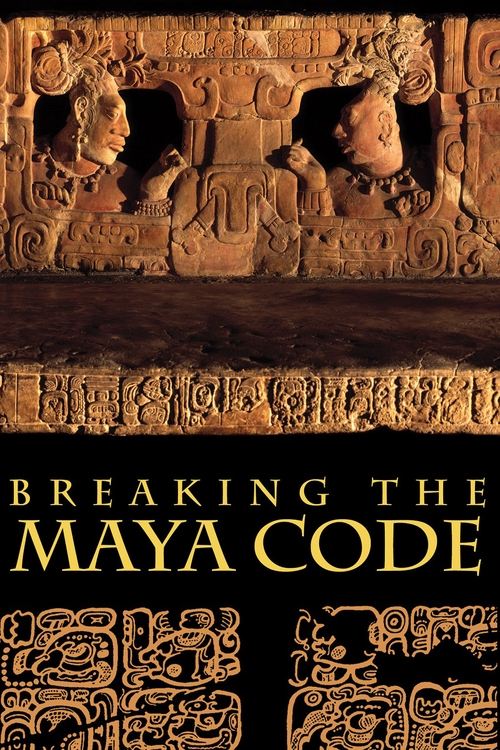
The complex and beautiful hieroglyphic script of the ancient Maya was until recently one of the last great undeciphered writing systems. Based on the best-selling book by Michael Coe, called by the New York Times "one of the great stories of 20th century scientific discovery", Breaking the Maya Code traces the epic quest to unlock the secrets of the script across 200 years, nine countries and three continents.
Breaking the Maya Code
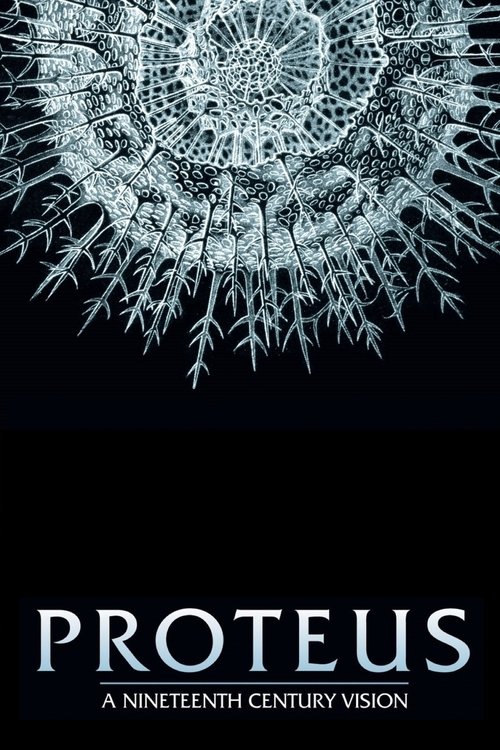
The animated documentary Proteus explores the nineteenth century's engagement with the undersea world through science, technology, painting, poetry and myth. The central figure of the film is biologist and artist Ernst Haeckel, who found in the depths of the sea an ecstatic and visionary fusion of science and art.
Proteus: A Nineteenth Century Vision
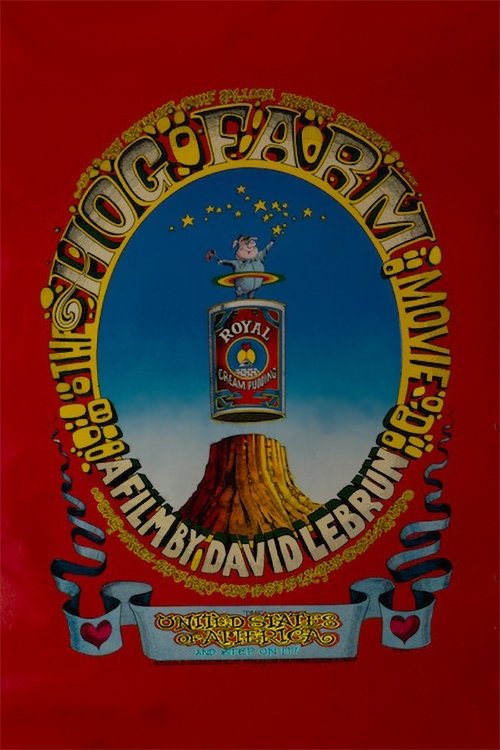
A commune of improvisational theatre performers, musicians, light-show artists, film makers, geodesic dome designers and former members of Ken Kesey's Merry Pranksters takes shape on a mountaintop in southern California, where they have free rent in return for caring for forty hogs. In the summer of 1968 they take off in a caravan of 40 busses to bring the Yippie party presidential candidate, Pigasus the Pig, to Chicago. Along the way they put on free participatory carnivals for thousands in rodeo grounds, indian reservations, and colleges all across the country.
The Hog Farm Movie
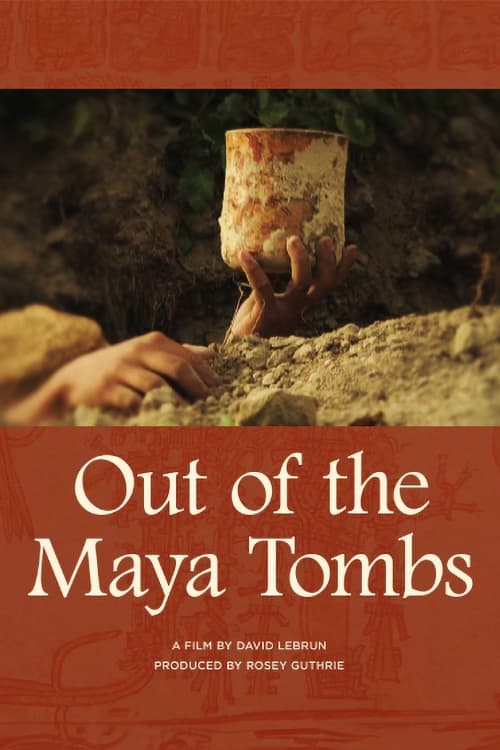
Over the past 50 years, thousands of exquisitely painted Maya vases, almost all looted from tombs, have flooded into public and private collections. These amazing works of art, filled with humor and mystery, have opened an extraordinary window on the Maya past. But the race to unearth these treasures has destroyed temples and palaces, culminating in the takeover of entire ancient cities by looter armies. OUT OF THE MAYA TOMBS (formerly titled DANCE OF THE MAIZE GOD) enters the world of the vases to explore the royal life and rich mythology of the Maya, as well as the tangled issues involved in the collection and study of Maya art. The story is told by villagers, looters, archaeologists, scholars, dealers and curators. For each, these vases have a radically different value and meaning.
Out of the Maya Tombs
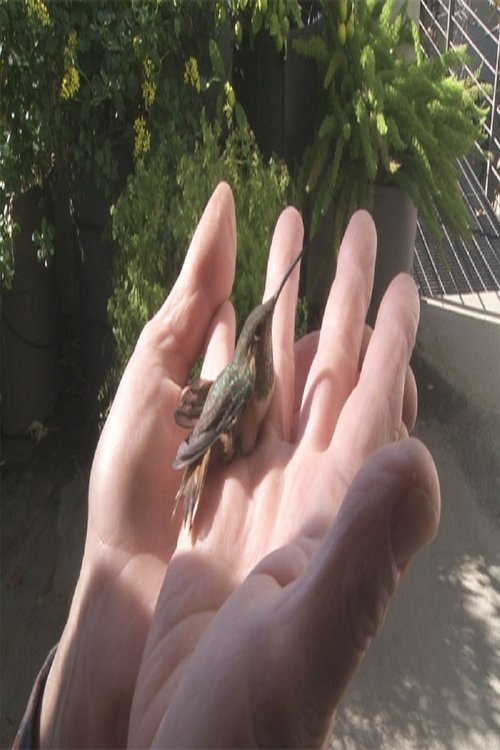
“Trying to get in, trying to get out. Encounters from the plague year.”
Birds in the Window
This film document of a light show performance by Peter Mays, Jeffrey Perkins, Michael Scroggins, Jon Greene, Larry Janss and Rol Murrow includes film footage by David Lebrun, Pat O’Neill and John Stehura — all made on UCLA printers and computers.
Single Wing Turquoise Bird Light Show Film
Short film from The Forms: Four Worlds, an immersive installation comprising an orchestrated set of 100 animations that trace universal human images and forms across time and space.
Vishnu and Consorts, Temples of Karnataka, India, Circa 1250 CE
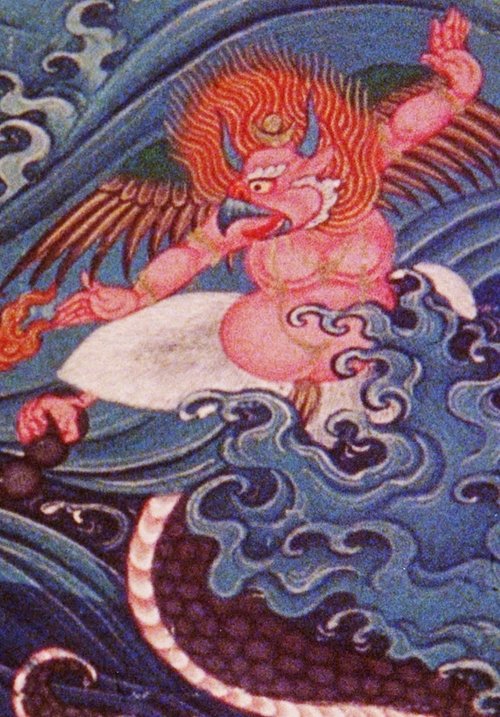
"Tanka" means, literally, "a thing rolled up". Photographed from Tibetan scroll paintings of the sixteenth to nineteenth centuries, Tanka is a cyclical vision of ancient gods and demons, an animated journey through the image world of the Tibetan Book of the Dead.
Tanka
Sidereal Time was filmed in 1979 in at Sayil, Labna, Xlapak and Kabah, small ancient Maya sites in the Puuc region of Yucatan. The film was completed in 1981 as a two-screen piece for live variable speed Super-8 performance. Sidereal Time was photographed at reduced speeds ranging from 6 frames per second to time lapse, and then projected at variable reduced speeds, both to fragment motion and to introduce a mechanical and sometimes hallucinatory shutter strobe. The film was recreated digitally in 2018, using various editing techniques to reproduce the effects of analog projection in the shutter-less digital medium.
Sidereal Time
Short film from The Forms: Four Worlds, an immersive installation comprising an orchestrated set of 100 animations that trace universal human images and forms across time and space.
99 Bronze Finials, Luristan, Iran, 1200-500 BCE
Short film from The Forms: Four Worlds, an immersive installation comprising an orchestrated set of 100 animations that trace universal human images and forms across time and space.
93 Bird Women, Mycenae, Greece, 1600-1100 BCE
Short film from The Forms: Four Worlds, an immersive installation comprising an orchestrated set of 100 animations that trace universal human images and forms across time and space.
53 Figurines, Cycladic Islands, 3300-2000 BCE
Short film from The Forms: Four Worlds, an immersive installation comprising an orchestrated set of 100 animations that trace universal human images and forms across time and space.
65 Churches and Cathedrals, Early Romanesque to Late Gothic France, 1050-1500 CE
Short film from The Forms: Four Worlds, an immersive installation comprising an orchestrated set of 100 animations that trace universal human images and forms across time and space.
45 Lower Paleolithic Stone Tools, 1.7M-300,000 BCE
Sanctus intercuts three Mexican rituals of parallel structure: the Catholic Mass, the bullfight, and the sacred hallucinogenic mushroom ceremony of the Mazatec people.
Sanctus
Transfigurations is an immersive installation project that uses animations of high-resolution digital stills to give viewers new ways of experiencing ancient art, tracing universal human images and forms across time and space—from the Paleolithic through the late Middle Ages, and from Mesoamerica to Europe, the Middle East, and Indian Asia.