Antonietta De Lillo
Directing
Known For
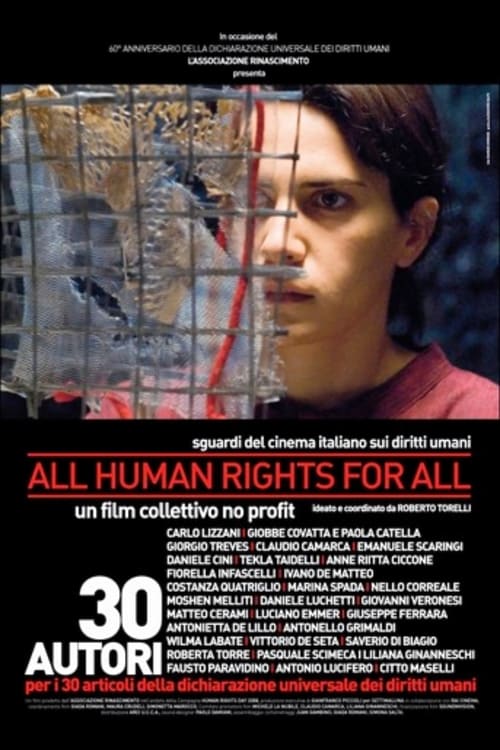
Collective film for the 60th anniversary of the Universal Declaration of Human Rights, with 30 directors each helming a segment about one of the 30 articles of the Declaration.
All Human Rights for All
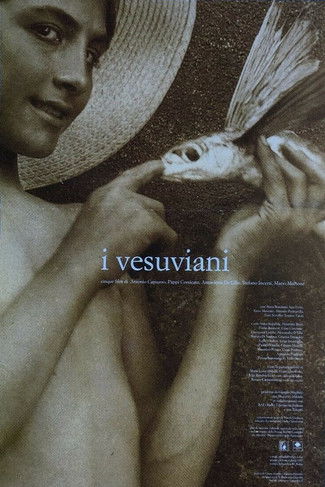
Five Neapolitan directors depict life in the city under the shadow of Mount Vesuvius for this anthology film of comedy, drama, surrealism, and political commentary.
The Vesuvians
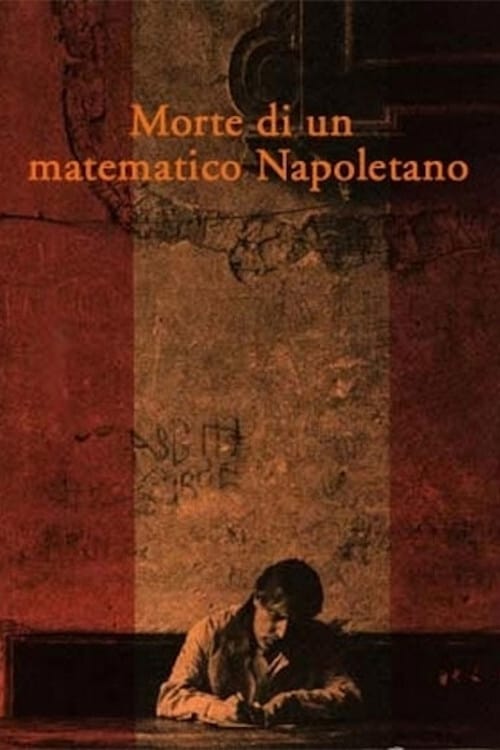
Naples, 1959. Pure Mathematics professor Renato Caccioppoli, Bakunin's grandson, is a tortured soul. Recently discharged from the psychiatric hospital, left by his wife, and increasingly disillusioned with academia and the Communist Party, he lives his last days with painful detachment.
Death of a Neapolitan Mathematician
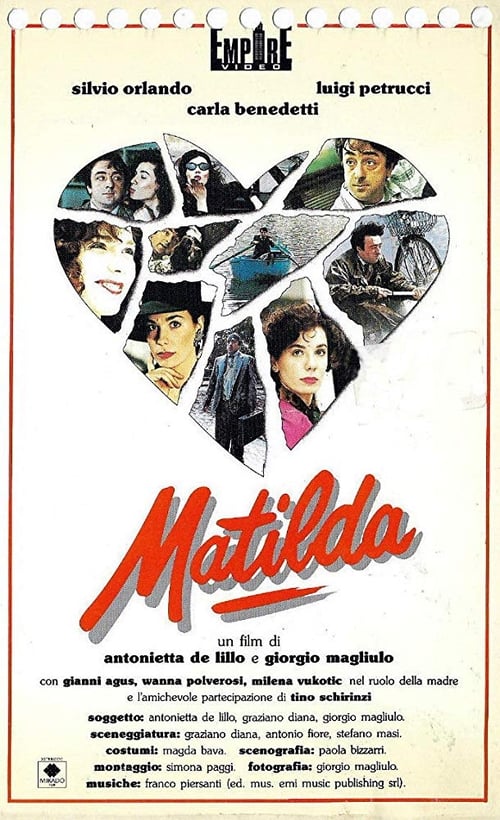
Matilda is an unlucky girl: her boyfriends keep dying in strange accidents. The last of them, Torquato, a shy filing clerk, is a little afraid of this situation and doesn't know how to continue the relationship.
Matilda
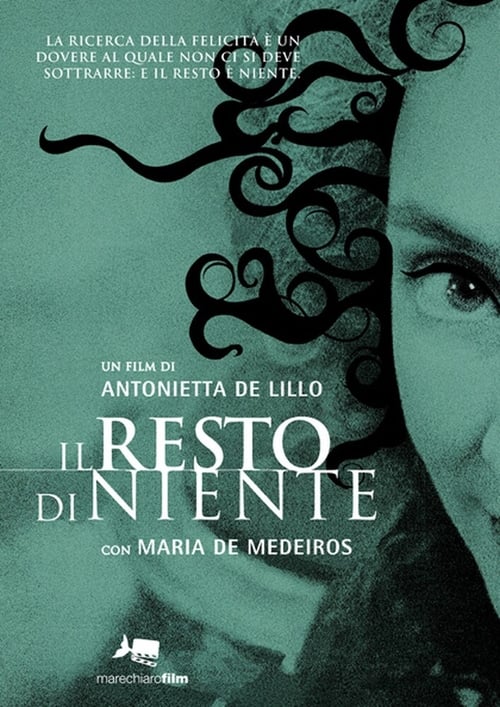
Set in the 1790s, this historical drama follows the travails of an idealistic noblewoman who helps lead a daring revolution in Italy.
The Remains of Nothing
An elderly trio tries to adjust to each other when they all move into an apartment in Rome. When Giovanni (Ricardo Cucciolla) inherits the unit, he invites the Russian immigrant Maria (Marina Vlady) and his shy friend from college Teo (Luigi Pistilli) to live with him. Maria tries to get Teo to marry her friend so she can receive Italian citizenship. The three do their best to live in harmony in this bittersweet drama.
Tottering in the Dark
A passionate, disillusioned and possibly (self)ironic portrait of a generation of filmmakers who decided to tread the rugged paths of real cinema.
Segni particolari: documentarista
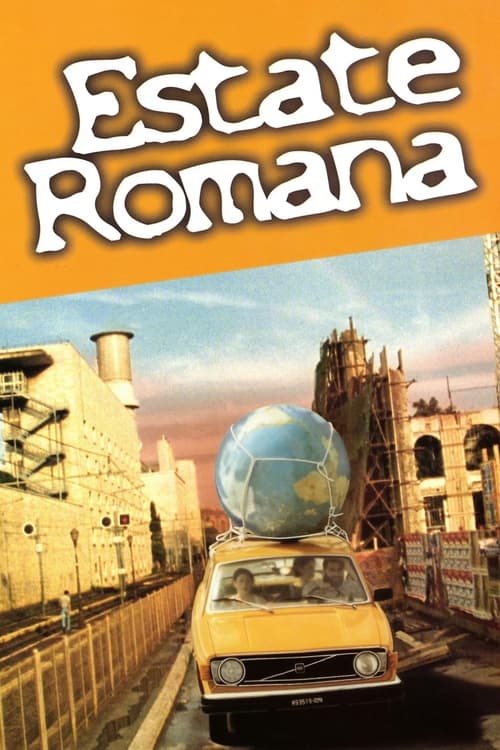
Rome, Esquilino, summer. Rossella returns to Rome after years of absence and returns to her home, rented to her friend Salvatore, the set designer. The woman is gripped by an evident depression and wanders around the city that she does not recognize and that no longer recognizes her. People have changed and Rossella finds no one capable of answering the obsessive question that has plagued her for some time: "How can I disappear?"
Roman Summer
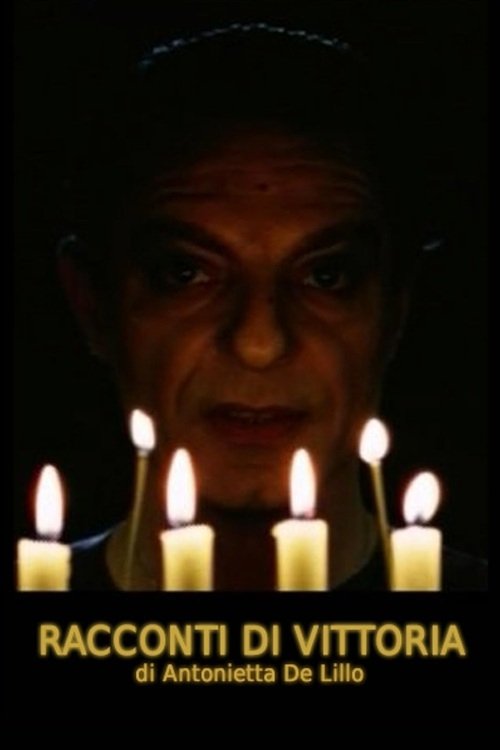
Vittoria Belcastro, a Calabrian oncologist, telis of her long battle against cancer, which she won. Her therapy is based on respect for life, but also for the disease. Two literary testimonies serve to counterpoint her touching words: "Pozzi d'amore (Wells of Love)", a theatrical monologue by Enzo Moscato, the portrait in which fragments the rhythm of the film, and "In alto a sinistra (Top left)", the transposition of a tale by Erri De Luca, in which the themes of pain, memory and absence emerge from the story of a father-son relationship.
Victoria's Tales
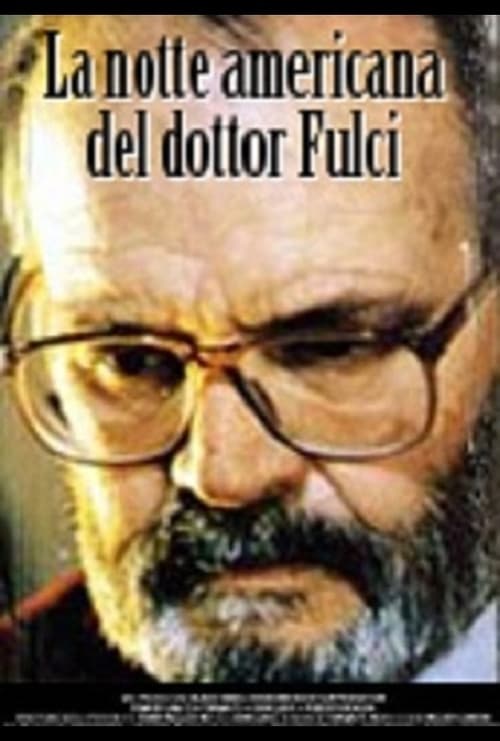
A testament of the greta B-movie director Lucio Fulci, whose films inspired great director like Quentin Tarantino. Lucio Fulci gift a long meditation about moviemaking fascinating for his sincerity, irony e clearness, about his filmmaking and his particular career.
The American Night of Dr. Lucio Fulci
No description available.
Il pranzo di Natale
Rome, Italy, June 1993. Antonietta De Lillo and Marcello Garofalo interview legendary Italian film director Lucio Fulci (1927-96).
Fulci Talks
Portrait of love in our times through a mosaic of looks, faces, stories collected by numerous authors around Italy. The result is a multifaceted image, capable of representing the most elusive of feelings and making people reflect with lightness and irony.
Oggi insieme domani anche - Storie d'amore e di separazione ai nostri tempi
No description available.
Let's Go
Sofia and Valerio, both with divided families, learn to know each other during a sultry Neapolitan summer. They are two kids still subjected to their parents' mood swings and generational confusion. While waiting for the holidays and the entrance into a more adult age, they will learn to look at adults with detachment.
Non è giusto
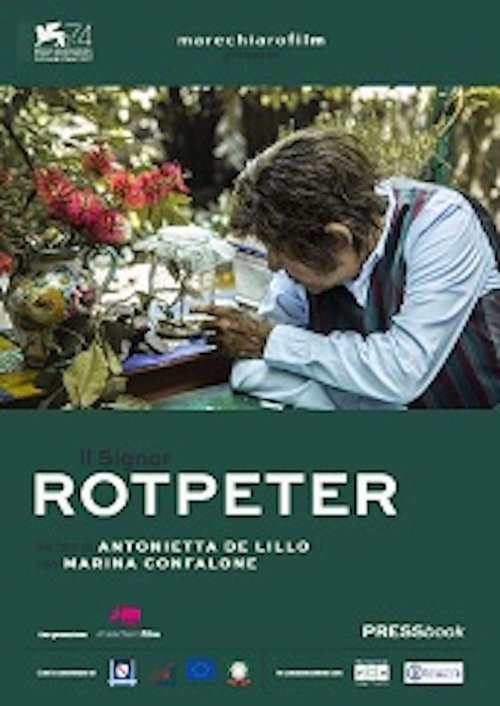
The curious adventure of Mr Rotpeter, a monkey turned into a man. Starting from Kafka's novel 'A Report to an Academy', Antonietta De Lillo's movie sets Mr Rotpeter's adventure in a nowadays Naples. Its peculiar storytelling flows between a faraway past and our recent reality. Mr Rotpeter's interest is strongly connected to human nature, society, politics, inner behaviours and emotions. Antonietta De Lillo's short movie will drag us into a very unique atmosphere, causing us a sense of disorientation and commotion.
Mr Rotpeter
A testimony of the force of love that binds two people, a present-day betrothed couple. The narration proceeds as a thriller in which the two protagonists conceal a mystery: visible traces, scars on an arm, details that worm their way into the story until the enigma is revealed. He had previously been a she. A contemporary metamorphosis made possible by their love.
The Betrothed
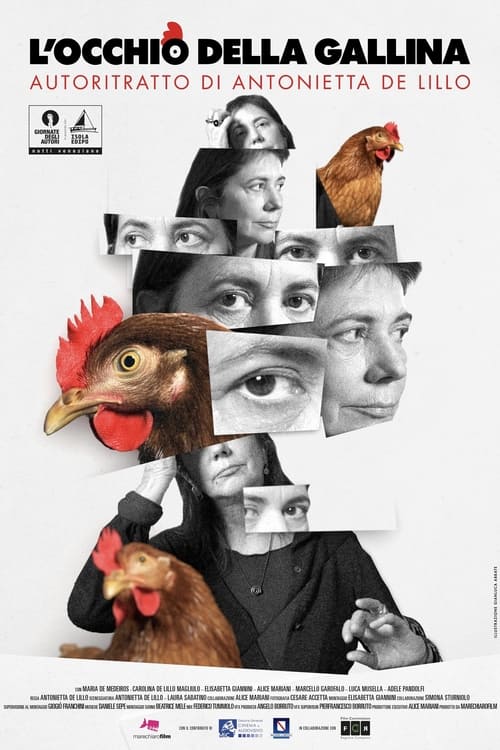
The Eye of the Hen is a story of violence and isolation without precedent in the Italian film industry. After twenty years as a filmmaker, with her best film released to critical acclaim and by some deemed a masterpiece that would cement her reputation with mainstream audiences as well, Antonietta De Lillo suffered an injustice that stopped her career in its tracks and relegated her to the backwaters of the industry, where she would be barred from making another feature film. Taking the form of a self-portrait, the film freely revisits the life and career of its subject, nearly forty years after her first film.
The Eye of the Hen
No description available.
Metamorfosi Napoletane
A portrait of Alda Merini, one of the most important and renowned literary figures of the twentieth century, realized with the inedited footage of a long conversation that the director Antonietta De Lillo had with her in 1995.