Helen Keller
Writing
Biography
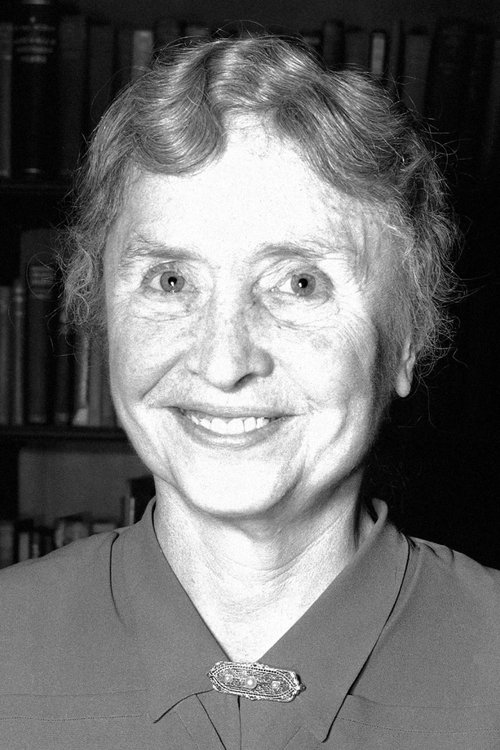
Helen Adams Keller (June 27, 1880 – June 1, 1968) was an American author, disability rights advocate, political activist and lecturer. Born in West Tuscumbia, Alabama, she lost her sight and her hearing after a bout of illness when she was 19 months old. She then communicated primarily using home signs until the age of seven, when she met her first teacher and life-long companion Anne Sullivan. Sullivan taught Keller language, including reading and writing. After an education at both specialist and mainstream schools, Keller attended Radcliffe College of Harvard University and became the first deafblind person in the United States to earn a Bachelor of Arts degree. She was named one of Time magazine's 100 Most Important People of the 20th Century. Keller worked for the American Foundation for the Blind (AFB) from 1924 until 1968. During this time, she toured the United States and traveled to 35 countries around the globe advocating for those with vision loss. Keller was also a prolific author, writing 14 books and hundreds of speeches and essays on topics ranging from animals to Mahatma Gandhi. Keller campaigned for those with disabilities, for women's suffrage, labor rights, and world peace. In 1909, she joined the Socialist Party of America. She was a founding member of the American Civil Liberties Union. Keller's autobiography, The Story of My Life (1903), publicized her education and life with Sullivan. It was adapted as a play by William Gibson, and this was also adapted as a film under the same title, The Miracle Worker. Her birthplace has been designated and preserved as a National Historic Landmark. Since 1954 it has been operated as a house museum and sponsors an annual "Helen Keller Day". Keller was inducted into the Alabama Women's Hall of Fame in 1971. She was one of twelve inaugural inductees to the Alabama Writers Hall of Fame on June 8, 2015.
Known For
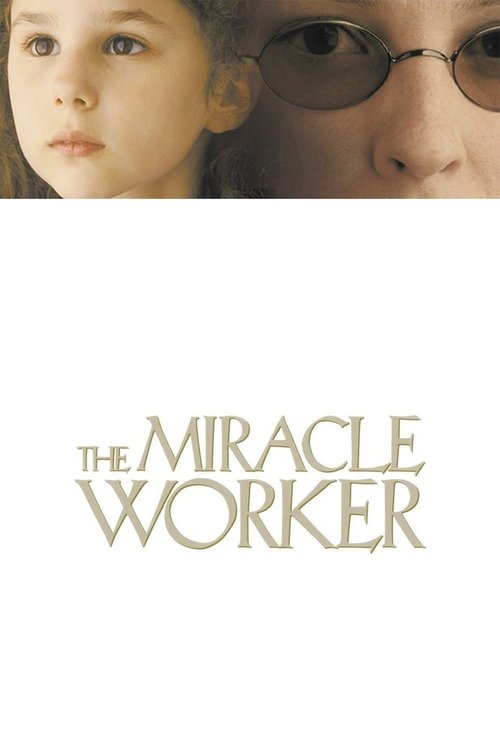
Devoted teacher Anne Sullivan leads deaf, blind and mute Helen Keller out of solitude and helps integrate her into the world.
The Miracle Worker

Americans consider themselves a 'nation of immigrants', but as the catastrophe of the Holocaust unfolds in Europe, the U.S. prove unwilling to open its doors to more than a fraction of the hundreds of thousands of desperate refuge seekers. Through riveting firsthand testimony of witnesses and survivors who as children endured persecution, violence and flight as their families tried to escape Hitler, this three-part documentary series delves deeply into the tragic human consequences of public indifference, bureaucratic red tape and restrictive quota laws in America. Did the nation fail to live up to its ideals? This is a history to be reckoned with.
The U.S. and the Holocaust
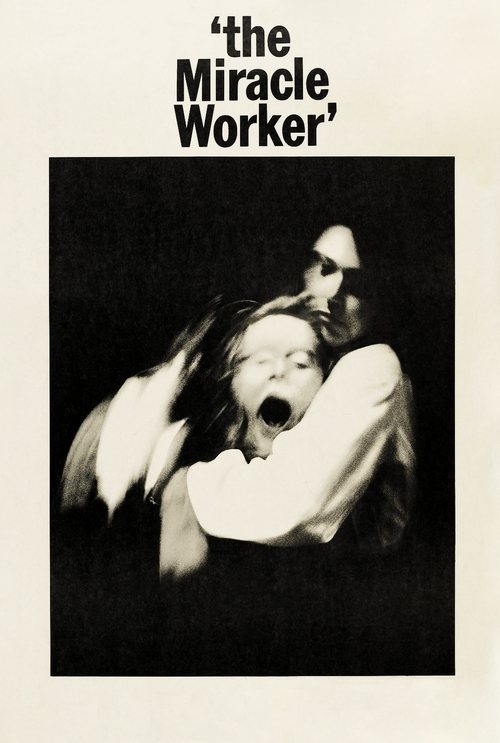
The true story of the frightening, lonely world of silence and darkness of 7-year-old Helen Keller who, since infancy, has never seen the sky, heard her mother's voice or expressed her innermost feelings. Then Annie Sullivan, a 20-year-old teacher from Boston, arrives. Having just recently regained her own sight, the no-nonsense Annie reaches out to Helen through the power of touch, the only tool they have in common, and leads her bold pupil on a miraculous journey from fear and isolation to happiness and light.
The Miracle Worker
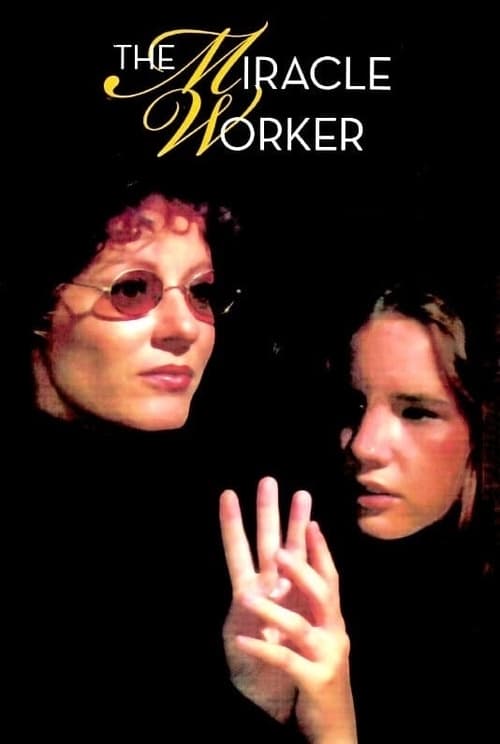
The true story of Helen Keller and Annie Sullivan, a gripping battle to overcome impossible obstacles and the struggle to communicate. As a young girl, Helen Keller is stricken with scarlet fever. The illness leaves her blind, mute, and deaf. Sealed off from the world, Helen cannot communicate with anyone, nor anyone with her. Often frustrated and desperate, Helen flies into uncontrollable rages and tantrums that terrify her hopeless family. The gifted teacher Annie Sullivan is summoned by the family to help the girl understand the world from which she is isolated, freeing Helen Keller from her internal prison forever. Television remake of the 1962 film which also starred Patty Duke in the role of Helen Keller.
The Miracle Worker
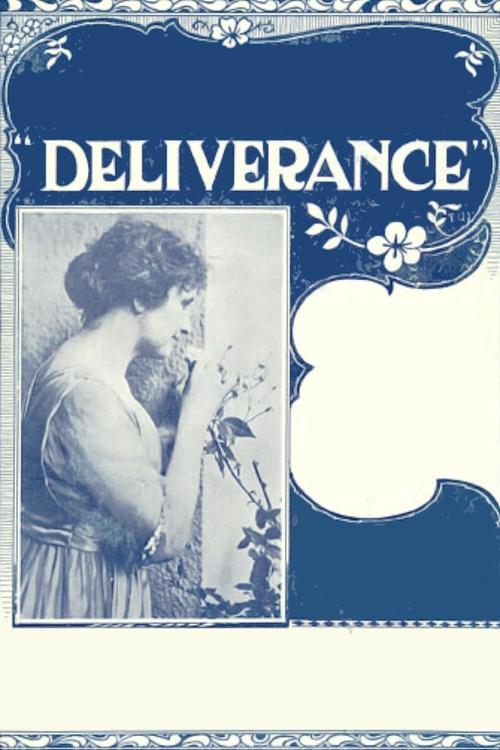
The story of Helen Keller and how she overcame her disabilities.
Deliverance
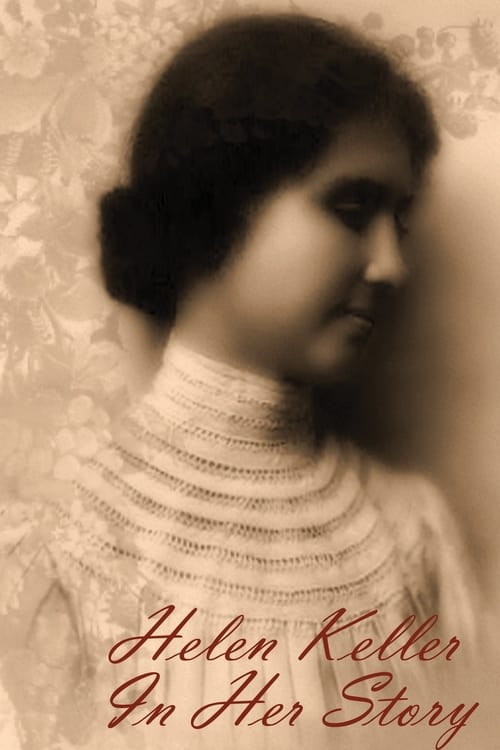
Narrated by actress Katharine Cornell and filmed in black and white, it spends the first 24 minutes introducing viewers, through newsreels, interviews, and old photographs, to the story of the deaf and blind disabled-rights pioneer. News footage shows her international appearances and visits with heads of state, including President Eisenhower allowing her to feel his face. The second half takes a day-in-the-(exceptional)-life approach to Keller's existence circa 1955. Made just 13 years before her death, Keller's famed tutor-translator-friend Anne Sullivan had already died, leaving her live-in replacement, Polly Thomson, to share the film's focus. From the time Keller takes her morning walk along the 1,000-foot handrail around her yard through her workday to her nightly reading of her Braille Bible, her serene acceptance of her life will amaze and inspire. Preserved by the Academy Film Archive in 2006.
The Unconquered
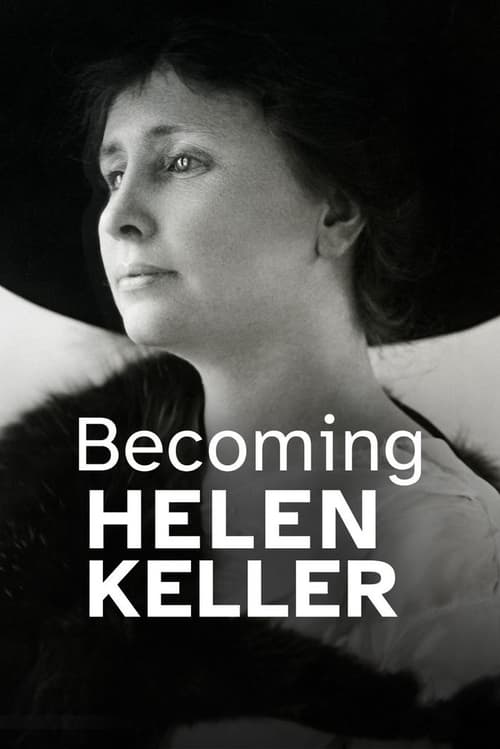
The life and legacy of Helen Keller, including how she used her celebrity to advocate for human rights and social justice for women, the poor and people with disabilities.