Ariel Zúñiga
Directing
Biography
Ariel Zúñiga Laborde (Mexico City, 1947), is a Mexican cinematographer, director, editor, and screenwriter. At the age of 18, he traveled to France where he studied Art History at the Sorbonne in Paris and, in 1968, enrolled as a free student at IDHEC. Upon returning to Mexico, Ariel Zúñiga acquired a 16mm camera and began filming documentaries for cultural television artists. In the early seventies, he worked as a cameraman for Tiempo de cine, a television program on Canal Once featuring Emilio García Riera, José de la Colina, Tomás Pérez Turrent, Francisco Sánchez, Jorge Cantú, and actress Daniela Rosen. He pursued still photography and enrolled at CUEC, where he studied Film Direction and Photography. Alongside his studies, he worked as an assistant and cameraman on Reed: México insurgente (Paul Leduc, 1970), Semana Santa coral (Rafael Castanedo, 1971), Palacio Chino / Mago (Carlos Castañón, 1972), El perro y la calentura / Conducta (Raúl Kamffer, 1973). From that year until 1975, he participated in the cultural program series Artistas, museos y alegrías, produced by Channel 4. In 1978, he produced, wrote, and directed in 16mm Anacrusa, starring Adriana Roel in a powerful portrayal of a university professor who becomes a social activist after her daughter is kidnapped and killed by repressive forces. Anacrusa won the Figueira da Foz Medal at the Portugal Festival and the Ariel Award for Best Actress (Adriana Roel) in 1979. That same year, he wrote and directed Tentativa II, based on the artistic work of his father, the Costa Rican–Mexican sculptor Francisco Zúñiga. Later, again independently and with a strong political focus, Zúñiga directed, produced, wrote, and co-wrote with Alberto Cortés the film Uno entre muchos (1981), based on the true story of a worker who, to avoid paying compensation, is kidnapped by his employers through the police. The film won the Silver Medal at the Nantes Festival in France (1982).
Known For
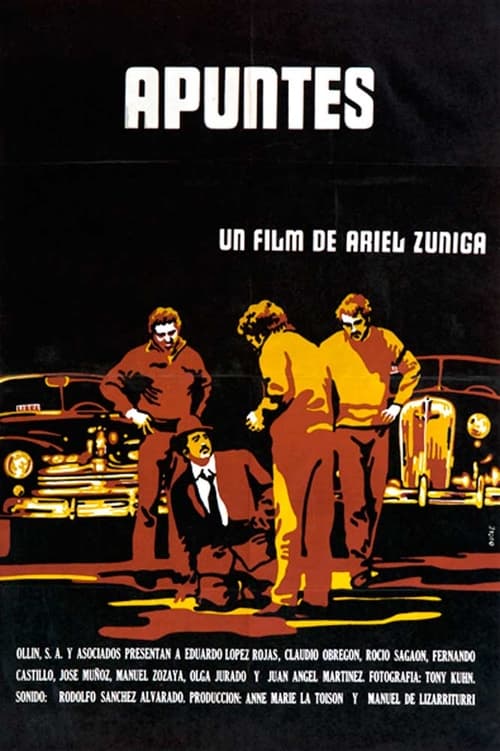
Recounts the union struggle of taxi drivers supported by the Communist Party.
Apuntes
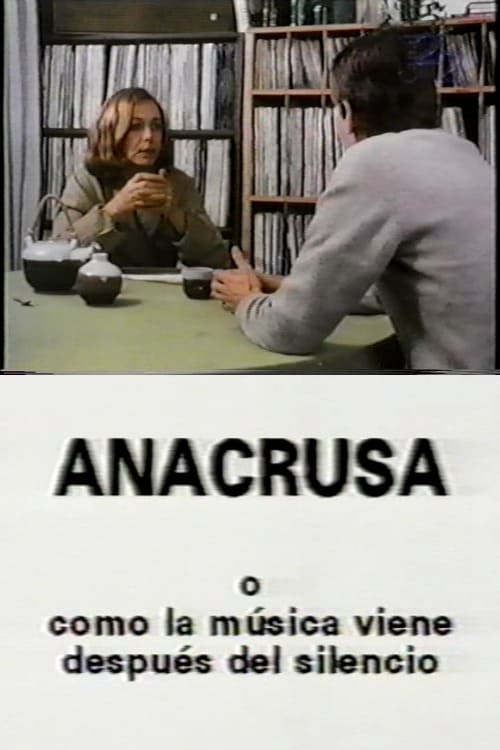
The divorced university professor, Victoria, signs a letter of protest for the political disappeared that her students request, although she is not interested in politics. That afternoon his daughter, a twenty-year-old medical student, disappears. This event will change the vision of Victoria and her participation together with relatives of other political disappeared to obtain justice.
Anacrusa
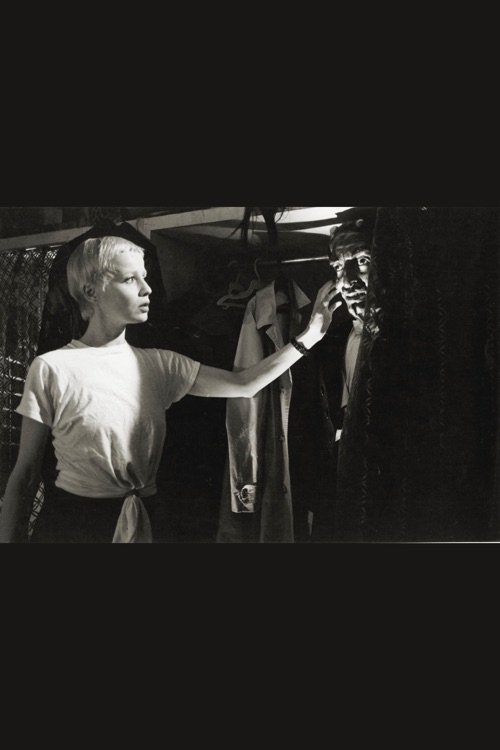
The french dancer America is in a hotel in Paris with her lover. He goes out to buy cigarettes and she imagines that he travels to Mexico, where he makes a cabaret number dancing with a mannequin that represents the devil. It is related to the gigolo Jimmy, who prostitutes and explodes, and wanders around the city getting involved in a strange plot with some gangsters.
El diablo y la dama
In trying to exercise his labor rights a worker is kidnapped by the police so that his employers can fire him without problem. Neither his family nor his companions understand the meaning of his effort or his sacrifice because of lack of communication.
Uno entre muchos

No description available.
Una moneda en el aire
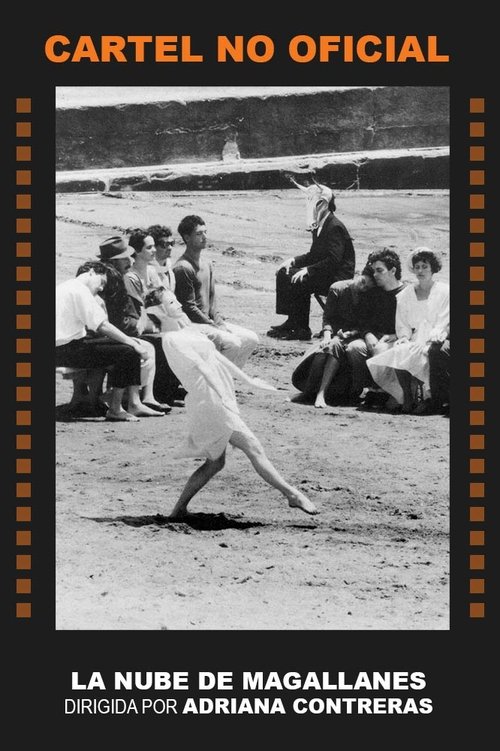
No description available.
La nube de Magallanes
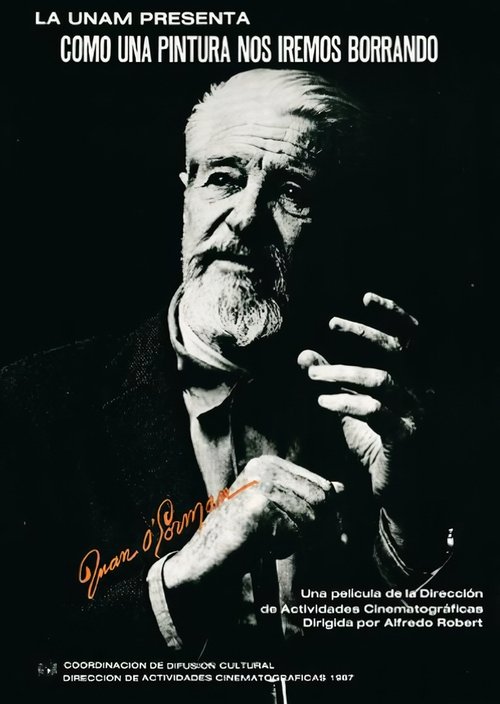
In this film, the renowned muralist Juan O'Gorman bequeaths us his vision of art and life, as well as aspects of his professional career. In the last year of his life, O'Gorman tells the camera all the reasons for his lucid pessimism, in relation to environmental disasters, consumerism in art, and the causes of war.