Acting
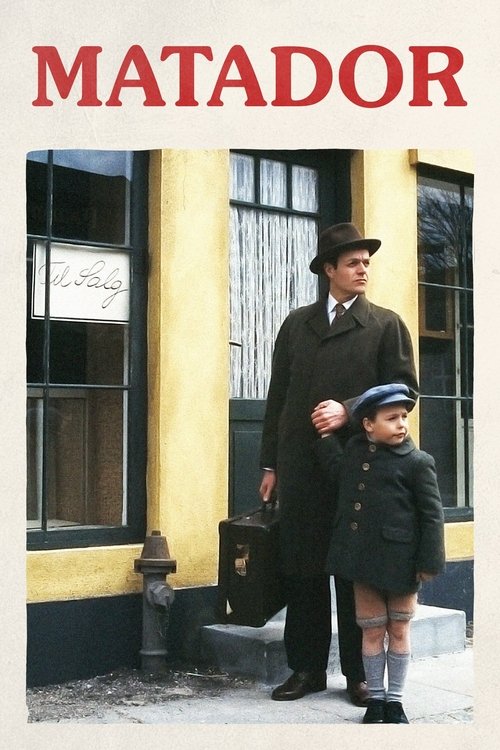
Matador is a Danish TV series produced and shown between 1978 and 1982. It is set in the fictional Danish town of Korsbæk between 1929 and 1947. It follows the lives of a range of characters from across the social spectrum, focusing specifically on the rivalry between the families of two businessmen: The banker Hans Christian Varnæs, an established local worthy, and social climber Mads Skjern, who arrives in town as the series opens. The name Matador was taken from the localised edition of the boardgame Monopoly, also the series' tentative English title. In addition, in contemporary Danish a "matador" is often used to describe a business tycoon, in the series referring to the character of Mads Skjern and his craftiness as a self-made entrepreneur. Directed by famed Danish film maker Erik Balling, Matador was the idea of author Lise Nørgaard who wrote the bulk of the episodes alongside Karen Smith, Jens Louis Petersen and Paul Hammerich. The series is one of the most well-known and popular examples of Danish television and represents the peak of longtime development of Danish TV drama by the public service channel Danmarks Radio. The series has become part of the modern self-understanding of Danes, partly because of its successful mix of melodrama and a distinct warm Danish humour in the depiction of characters, which were portrayed by a wide range of the most popular Danish actors at the time; but also not least because of its accurate portrayal of a turbulent Denmark from around the start of the Great Depression and through Nazi Germany's occupation of Denmark in World War II.
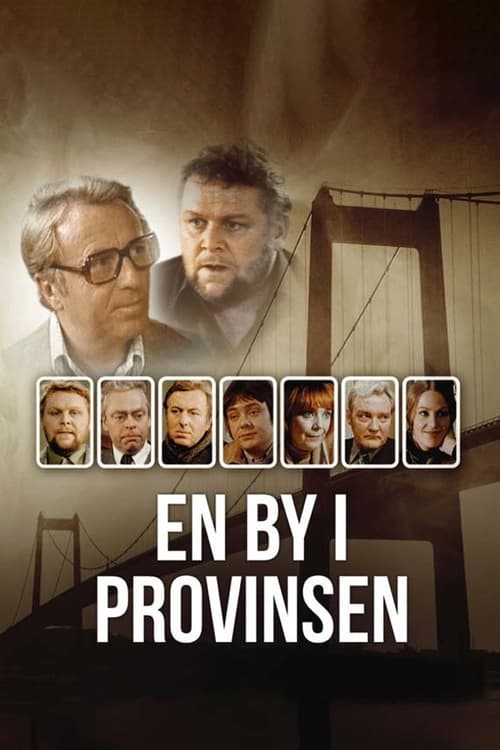
In 1970s Denmark, the criminal police in a provincial town solve different criminal cases, when the police was dominated by men and DNA was not yet a tool in investigation.
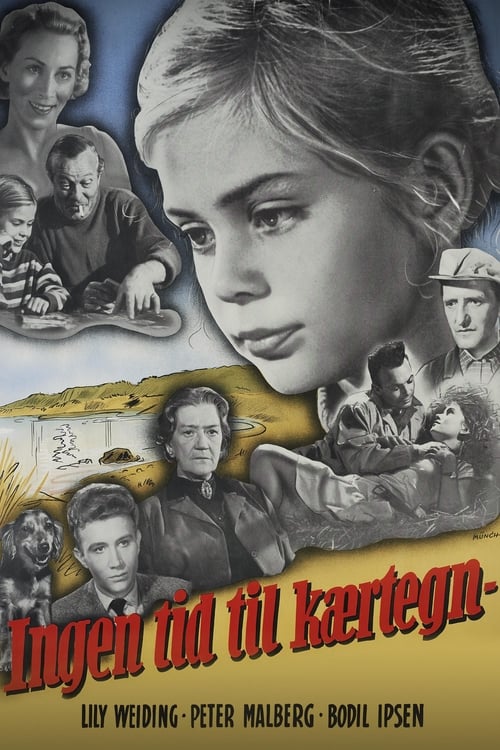
The Danish Ingen tid til Kaertegn (Be Dear to Me) is heavily reliant on the appeal of its star, 8-year-old Eva Cohn. Our heroine is the neglected child of a businessman father and actress mother. Feeling that happiness lies well outside her own backyard, Eva goes on a search for that happiness. The longer she stays away, the more her parents realize that they've unfairly ignored her. The plot is nothing new: it's what is done with it that pleases the eye and ear. Ingen tid til Kaertegn was one of the more popular entries in the 1957 Berlin Film Festival.
No description available.
We are at Fiskeby Badehotel, owned by a charming young executive's daughter, Miss Søgaard. One day, when Miss Søgaard is on her way to inspect the hotel, she meets a young man on the road. One day, when Miss Søgaard is on her way to inspect the hotel, she meets a young man on the road. It is love at first sight. However, the young man turns out to be the doorman at her own hotel, where she now takes a job disguised as a bellboy. She wants to get to know the doorman better without him knowing who she is.
A millionaire gets amnesia after a hit to the head and now he has to rediscover his past and decide what kind of man he wants to be in the future.
About the traditional celebration at Christmas. It is a safety valve, a cleansing bath that gives strength and zest for life well into the new year. "People meet" – and masks fall around the lavishly laid tables, where the director and the workers drink together. Local democracy works – and long-standing marriages falter! However, very few Christmas parties reach the same heights as the one enjoyed by the staff at Simonsens Bijouteri Fabrik.
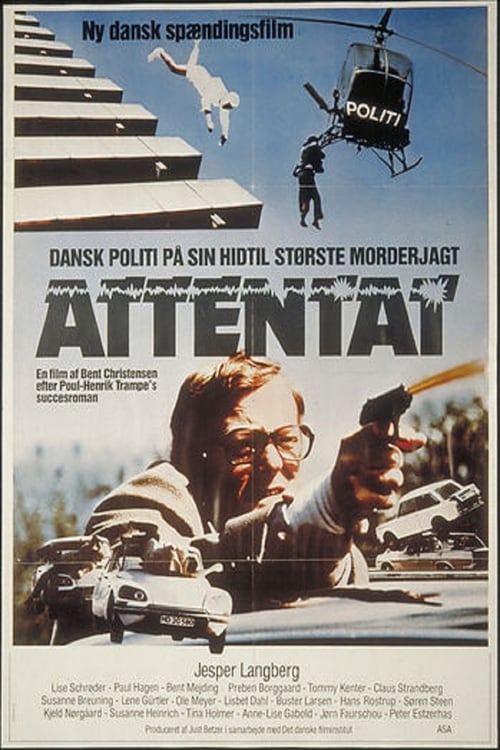
Following a nuclear power debate in Parliament, a shot rings out. Was the Minister of Energy the gunman's target? And who was the would-be assassin? Police and Secret Service come under pressure to solve the case quickly. In this clearly political thriller, implications of power abuse and trampling of citizens' right are rife, but one calm police inspector brings everything down to earth.
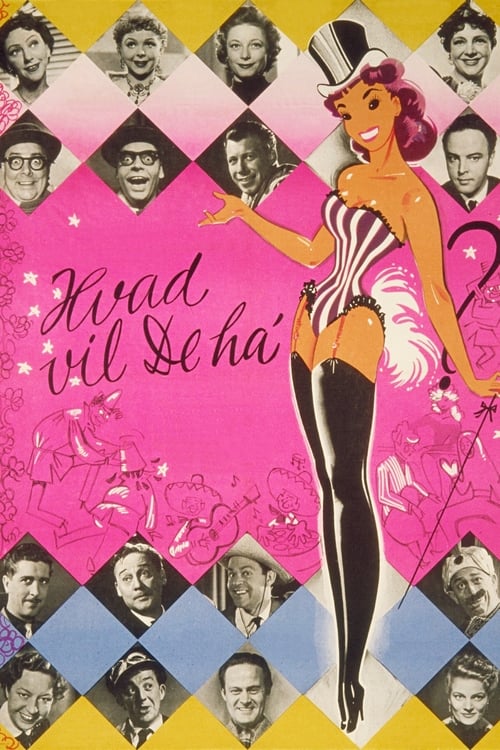
A film director sends his director and two screenwriters out into the city to find out what a film should contain in order for the person in question to want to see it. This results in many different episodes. The film includes the famous scene where Dirch Passer and Kjeld Petersen wallpaper a room.
Ersilla arrives almost lifeless when she seeks out the famous writer Ludovico Nota at his boarding house. It quickly becomes apparent that she has turned to prostitution in despair after her fiancé Franco cheated on her.
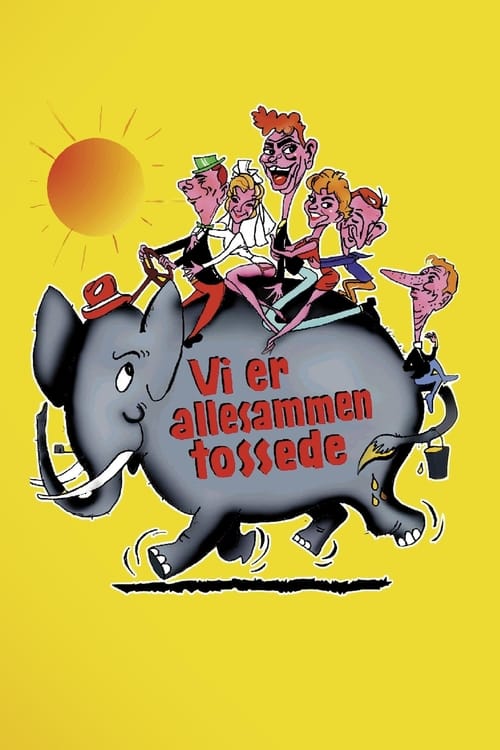
After a gruesome meeting with the tax authorities Alex Alexander takes a drive in the countryside to calm down. While driving, he accidentally runs into an elephant from a circus. When he is stopped by the police and tells them about the elephant they think he is crazy. He is committed to an asylum by the very authorities his taxes are funding. The doctor tries to convince him that the elephants were not really there, but he gets more help from manic fellow patient Knudsen who makes him realize that everybody in the world is crazy in some way.
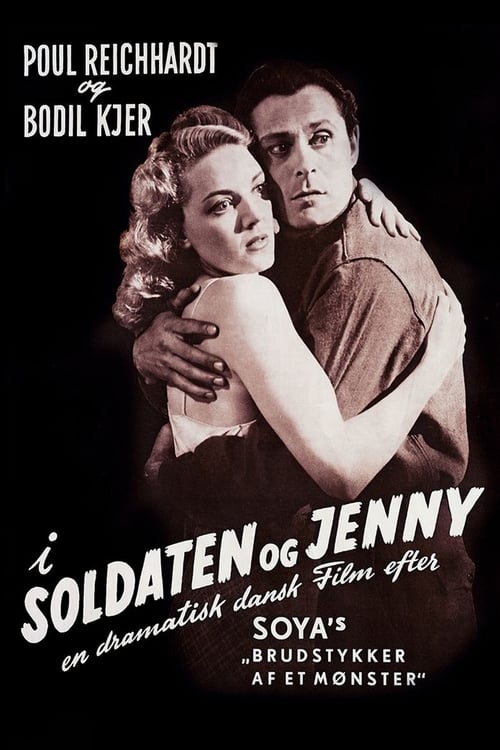
A good natured soldier with a killer right hand falls in love with a beautiful girl who has a troubled past.
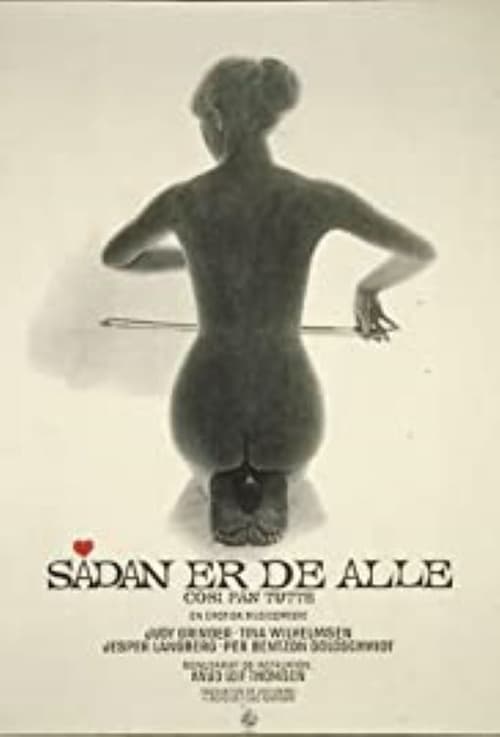
Johannes is a shy and inexperienced young student at the music conservatory. He is a Mozart admirer and in love with his fellow student Elisabeth, who also seems interested in him. The smart and modern Herbert, called Pop, has dropped out of the conservatory and lives as a jazz musician and womanizer. He bets Johannes that he can sleep with Elisabeth before 8 p.m. that same day, since all girls are the same. He wins the bet, while Johannes consoles himself with Solvei, the girl who lives downstairs and works in a grocery store. In the end, Johannes and Elisabeth meet on the stairs. Can they still find each other?
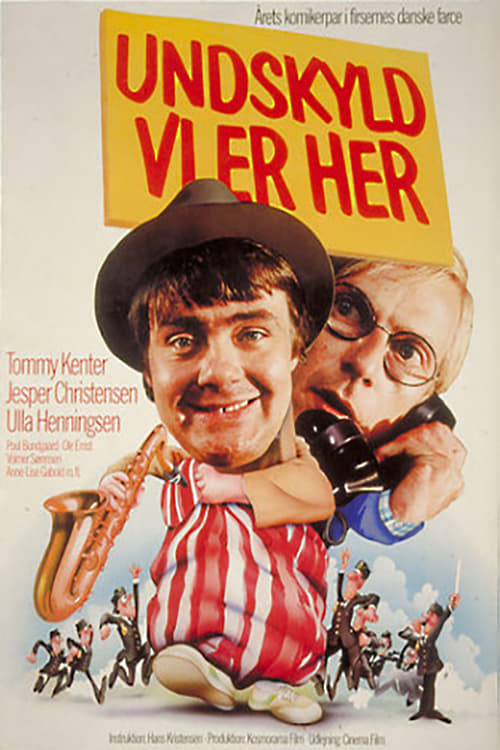
A farce about cousins Aage and Viggo, whom Aage's girlfriend Else no longer wants living with them. The cousins then become embroiled in a rebellion against their workplace, Multi-Max, and against society in general, with chaotic consequences.
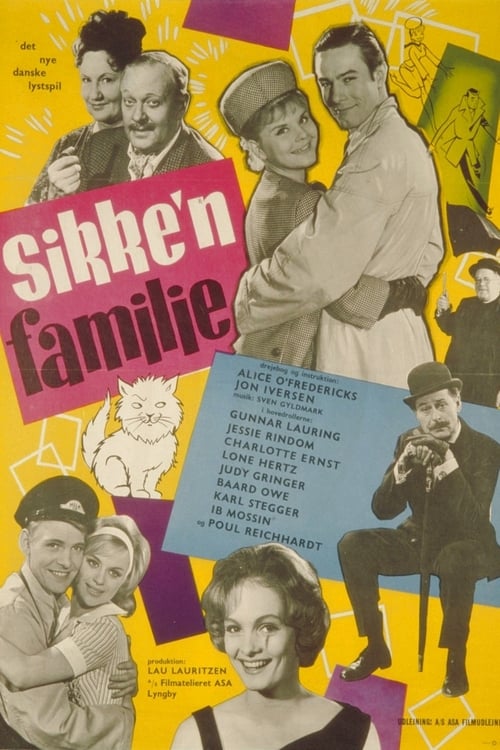
The Winther family lives in a beautiful house and enjoys a life of luxury and comfort. No one knows where the money comes from, but we soon discover that all members of the family have their own speciality within the field of theft, which they have been involved in for generations. It started with the "great-grandfather", who was a counterfeiter. They appear to be respectable citizens, but appearances can be deceiving.
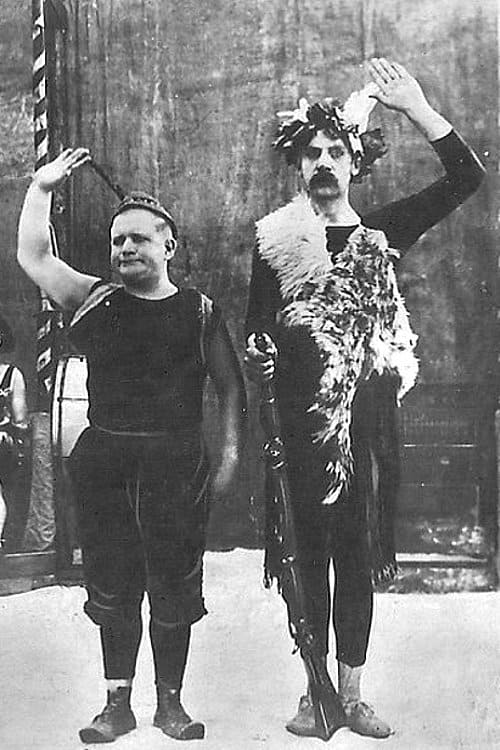
When the modest butcher’s wife becomes a wealthy landowner, it immidiately goes to her head. With her new stuck-up attitude, she rejects the long-time butcher’s apprentice when he asks for her daughter’s hand in marriage. Fortunately, the poor butcher’s apprentice is friends with Pat and Patachon, who work in a circus and have experience with clownery. Together, they must fight fancy with silly, and ground the butcher’s wife’s aloofness, in the name of love! (Stumfilm.dk)
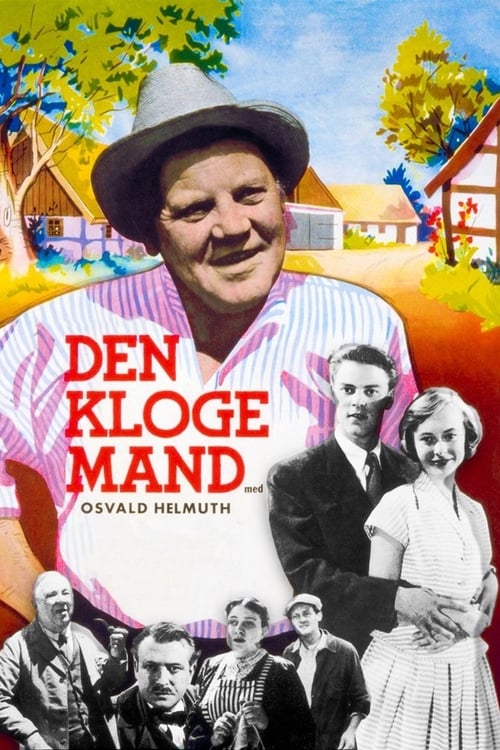
In the small idyllic town Randrup, lives on nature-loving and friendly thatcher Rasmus Thomsen (Oswald Helmuth). In addition to refurbish people's roofs, he runs a small "geschæft" that "The wise man". Son Ulf (Frits Helmuth), which reads the doctor's home on leave before the final exam in Copenhagen. Rasmus' big dream has always been that Ulf had to be "real doctor" and achieve what he always wanted so dearly. By thrift and income have gained through the many patients who seek Him from far and near, he has been able to afford his son's studies. His reputation as a wise man has knowledge of.
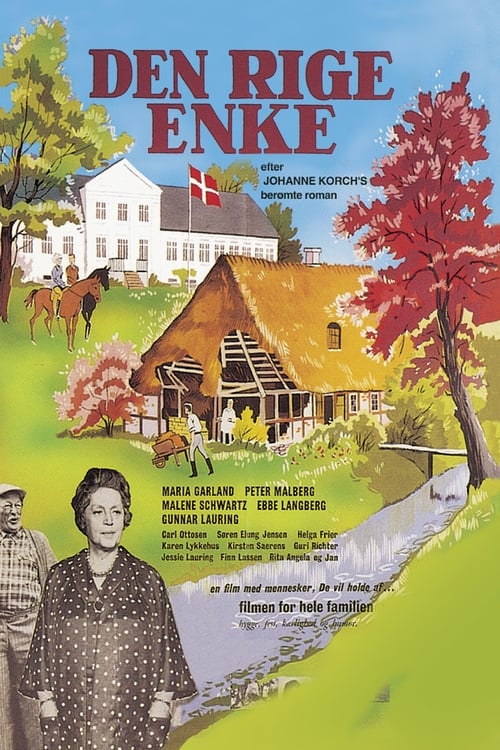
Ellekjær's future is on Ann-Marie's mind. She tries to get her adopted daughter, Grete, married to Erik von der Rude, but Grete loves the farmhand Jørgen. They decide to get married, after which Annemarie disowns Grete. However, Ann-Marie's other daughter, Elin, is in love with Erik. Erik's past in Copenhagen catches up with him, and Elin moves in with her sister. The film then goes through a series of complications before Elin and Erik can finally get married and Ann-Marie is reunited with her daughters.
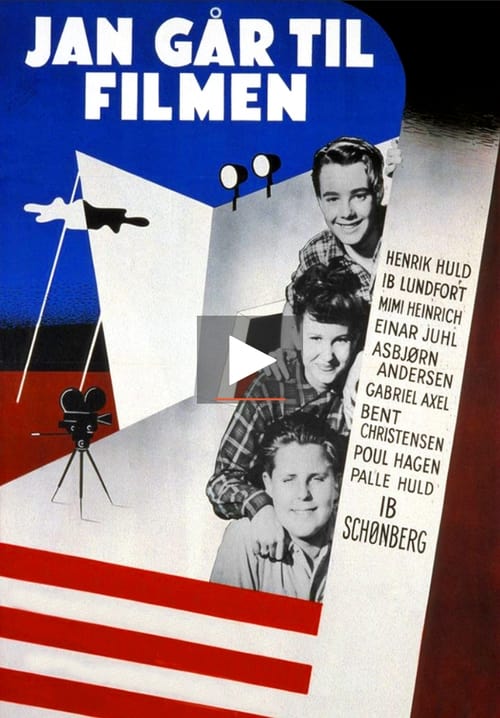
Fourteen-year-old Jan and his companion Erling appear as extras in a film being filmed at Nordisk Film's studios in Valby. A mysterious burglary at the studio's fine mechanics workshop gives the two healthy boys the opportunity to act as detectives.