Directing
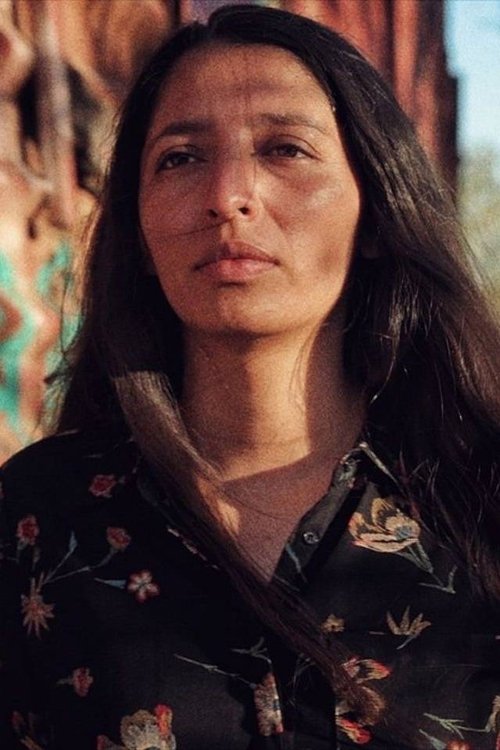
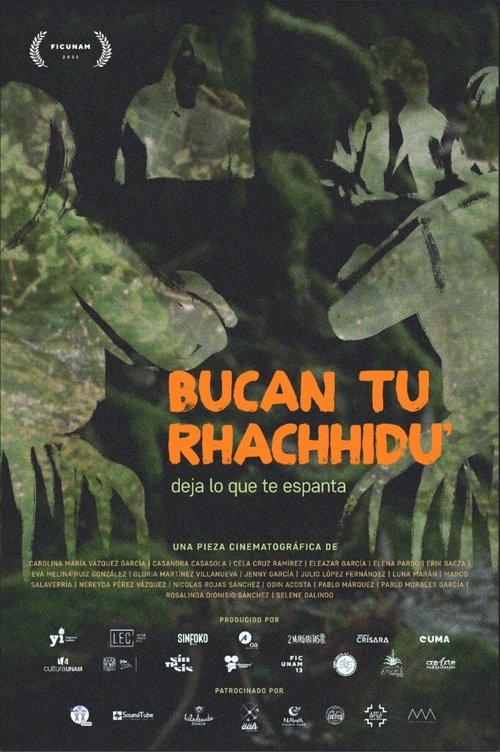
Yuli (38) is the Topila (auxiliary police) of San Pablo Begu', a mountain community in Oaxaca where the inhabitants assume the responsibilities of self-government on a rotating basis on an honorary basis (Comunalidad) at the same time as they carry out their work and personal activities. At the entrance to the town, they hold back a group of machinery that is trying to move into the community to begin construction of a four-lane highway. No one in authority is aware of this and the community is on alert. San Pablo Begú will have to decide whether or not to accept the road project.
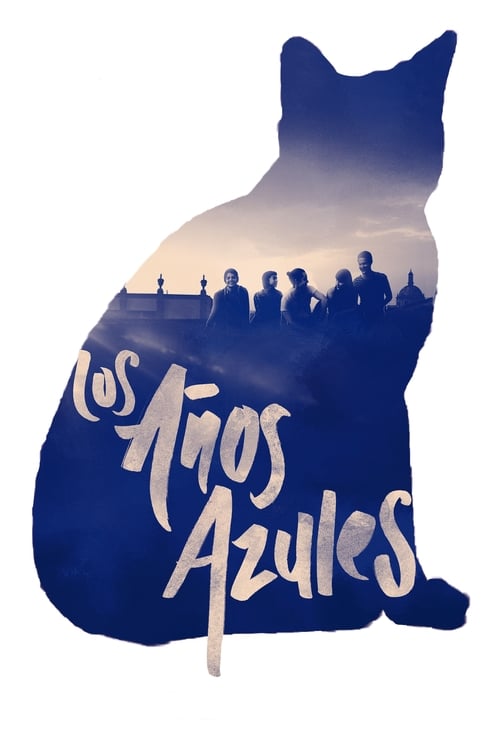
An old cat and a deteriorating urban villa are witnesses to the drama of five youths living together, who are drastically transformed into a close-knit family by the arrival of a flamboyant housemate.
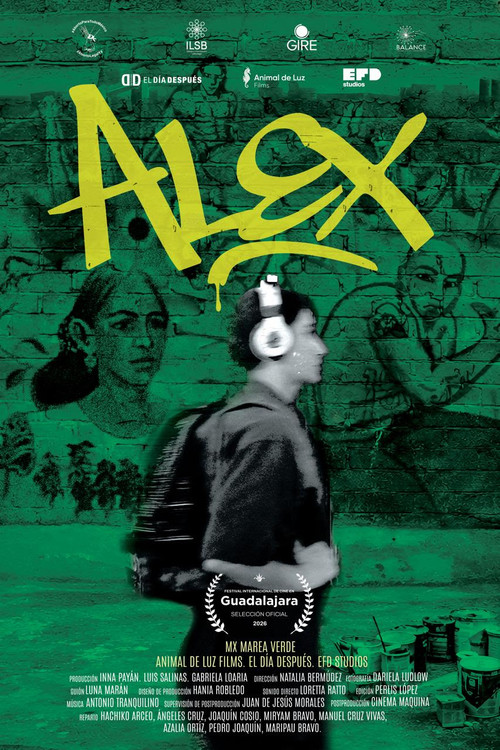
Alex, a non-binary person, becomes pregnant and seeks an abortion with support from their aunt Salome, a traditional doctor.
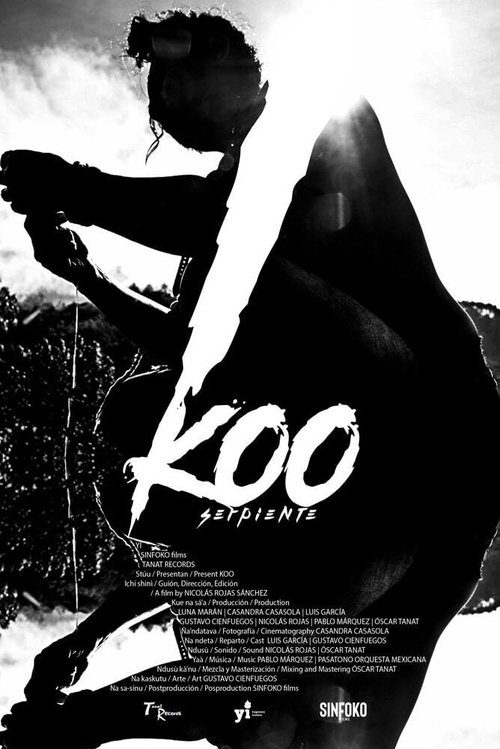
On the 11th day of Death (Year 10 Pedernal), 9 Serpent ‘Fire Eagle’ entered the temazcal determined to fulfill his last assignment.
A journey to rediscover the great commitment of fifty years of life and feminist activism of a group of women united to make a revolt and see the changes in the new generations.
Huachindango is the small capital of a small Central American country. In this city, women must enter rooms managed by “The System” at different times in their lives, where there are different types of sexual assault. No woman in Huachindango escapes from entering, at one or more moments in her life, to these rooms. There is one room that is the most feared of all: Cock’s Quickie.
From the communal future, a woman recalls the words of her ancestors, women warriors who gathered to record their words about community service. At the same time she questions her own future: Will we ever stop fighting? Does anyone care what we say?
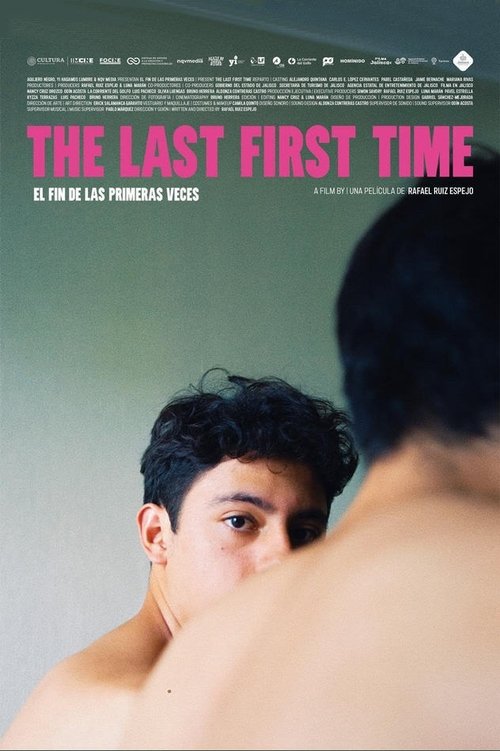
Eduardo, an 18-year-old kid from a small village in Jalisco, travels to Guadalajara. In this big and strange city, away from the eyes of his parents, he experiences his first encounters in love and sex.
The piece that inspired the films is the composition of Eduardo Díaz Méndez, an ayüük composer, who is also an agricultural engineer. In conversation with the artist we discovered how “poverty” is a un concept learnt from outside to see ourselves, that generates a fragmented vision of out own reality. The process of discovering our wealth is the process of the cultural re-appropriation that we have challenged the new generations to enjoy, to honor what we are. The labelling of our people as poor, a labelling that comes from the capital cities, is a form of violence that questions what we are as peoples, as well as questioning our way of life and culture.
Encouraged by his daughter and with a broken voice, Jaime Luna (Uncle Yim) –indigenous philosopher, social leader and singer songwriter–, composes a new song about his tumultuous life after 15 years of silence. But this time he will do it with his family, so the memories and interpretations are contradictory and painful. Uncle Yim is an immersion in the identity of a peculiar family shaped by tradition, music and communality.
Three grandmothers and three youngsters from the Sierra Norte, in Oaxaca, tell us how they use to be and which are their most intimate desires. The film portrays the path of three generations of women through their dreams and htrough the opportunities of their past, present and future.