Yu Kaneko
Directing
Known For

Hikari is a newly expectant mother cohabiting with her boyfriend Taro. However, their relationship seems to be on the rocks. The couple has had trouble finding steady employment since graduating from college, and mounting financial problems further strain their relationship. Taro has a secret: he’s been relying on his eccentric aunt Kyoko, who has been acting strangely since losing her husband at a young age. Hikari’s first encounter with Kyoko does not go well, but Hikari visits Kyoko’s home unbeknownst to Taro and is introduced to a world where young women take part in bacchanals. This could spell doom for her relationship with Taro...
The Garden Apartment
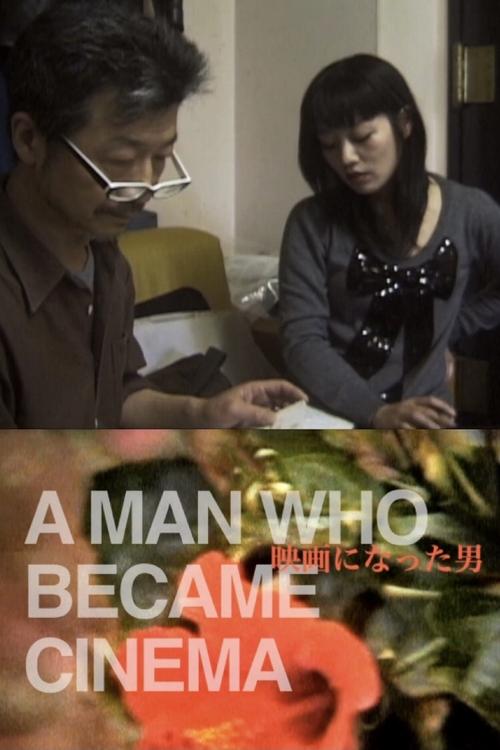
Masato Hara made his directorial debut in high school in 1968 and achieved a reputation as a young prodigy. Many years later, he continues to make films and show his old experimental 'live-screening' films, but is saddled with massive debts. This film follows eight years in his life.
A Man Who Became Cinema
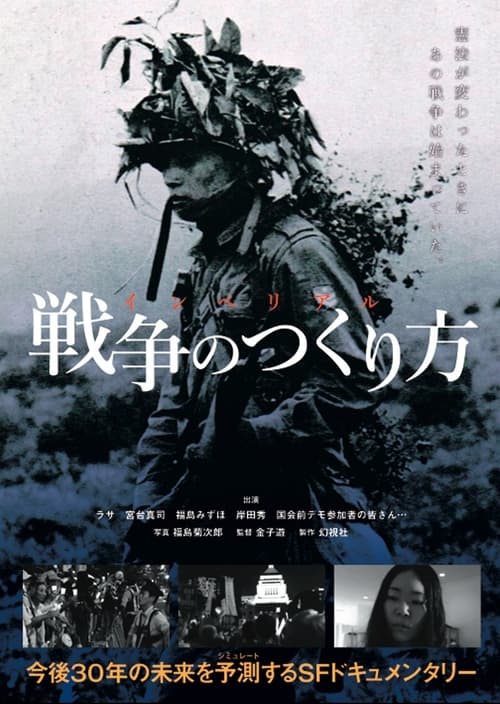
In the year 2045, after the re-militarization of Japan, conflict erupts in Korea, and Japan is destroyed in the ensuing nuclear war. A survivor uses an old computer in the "zone" to produce a documentary from photographs, interviews and newsreels, reconstucting the last 100 years of Japanese history
Imperial: How They Create a War

Follows the election campaign of Muneo Suzuki, a politician who was at the center of a corruption scandal but is now extremely popular in his home Hokkaido for his character, and examines the state of postwar democracy through his election campaign.
Muneo-ism
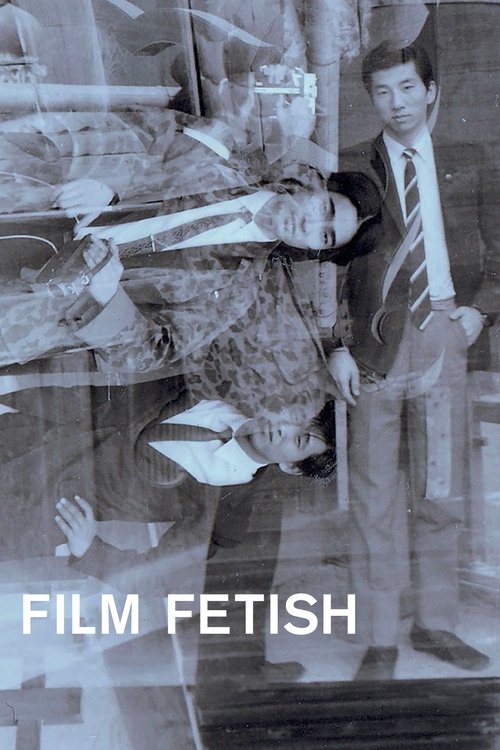
For some eight years, Kaneko Yu followed Japanese avant-garde director Okuyama Jun'ichi, observed him making and showing his films, and collecting printed materials.
Film Fetish

A film diary shot in 8mm and 16mm over 10 years, from 1997 to 2007. A man with a camera runs from Sapporo and Ishikari in the north, to the Amami Islands such in the south, and as far as Jordan and Iraq in the west. Encounters with poets, anthropologists, Russian literature scholars, Ainu ethnic activists, nationalists, folk dancers, musicians, Amami singers, dark dancers, cameramen, shamisen players, and more are captured in dazzling images and sound. The title comes from Atsushi Nakajima's poem "In the darkness of Nubatama's universe, there is something bright about human culture."
In The Darkness Of The Space

The Mlabri is one of the smallest ethnic minorities on the planet who have lived in the mountainous forests of northern Thailand and western Laos. Since being "rediscovered" on the Thai side in the early 1980s, they have gradually come to live a settled life in a few villages in Nan and Phrae provinces in Thailand. However, even though they have been integrated into modern society, they do not have a means of livelihood. They receive public assistance, make knitting crafts, or are hired by the neighboring Hmong as day laborers to help with the cultivation. Ito Yuma, a young Japanese linguist has been collecting and studying the Mlabri language, which is ind danger of disappear.
Mlabri in the Woods

The "new right" organization Issuikai was founded by activists after the death of Yukio Mishima in 1970. Director Kaneko follows representative Mitsuhiro Kimura's efforts to build an international anti-American network, visiting warzones in Iraq and former Yugoslavia.