Acting
Al Kabeer seeks to find love again after his wife was gone, unaware that what he is looking for is closer than he imagines.
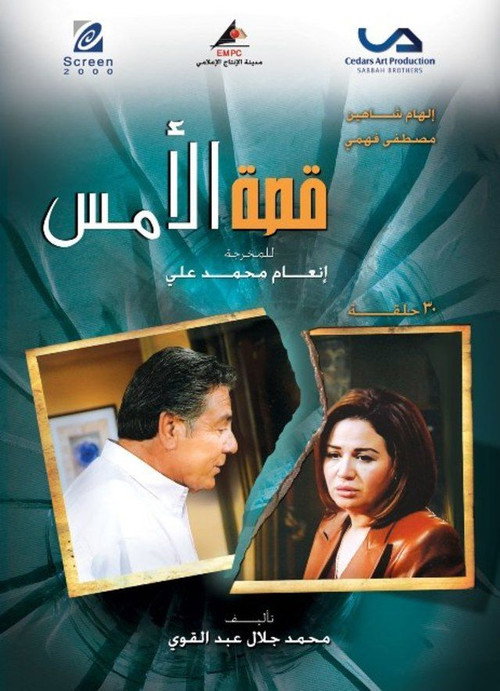
The series deals with the alienation of the Egyptian family in search of money and its impact on the cohesion of the family and on the future of their children, through Zahra, who travels with her husband to one of the Gulf countries, and when the children reach the university stage, the mother is forced to return them to Egypt.
Menahi is a Saudi Bedouin young man, single and living with his old mother. He is a simple, spontaneous and kind-heart man, instinctive and adhering to the ethics of the environment from which he emerged, such as honesty, honor and virility. He dreams of owning a small farm to raise sheep. But he went out into the city and didn't adapt to civic life. —Akram Gus
The Walls is a 1983 Kuwaiti drama about two close friends facing contrasting family struggles. One is forced into marriage by her father, losing her mother’s support, while the other fears losing her father’s love when he remarries. The series explores themes of forced marriage and family breakdown with realistic storytelling and strong performances.
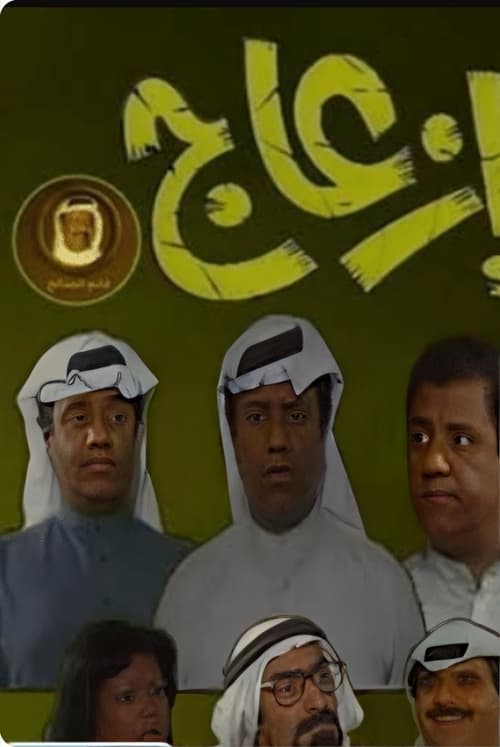
A traditional comedy series, which deals with the memoirs of Juha and his son, the poet Ajib, their adventures in trade, and their passage in funny situations that expose them to embarrassment, their determination and their efforts to earn the sustenance of their day and to satisfy Juha's wife, the greedy.
This comedy series addresses the issue of class distinctions from the perspective of two sisters. One of the sisters is working class while the other is part of the bourgeoisie which creates a variety of comical and ironic scenarios.
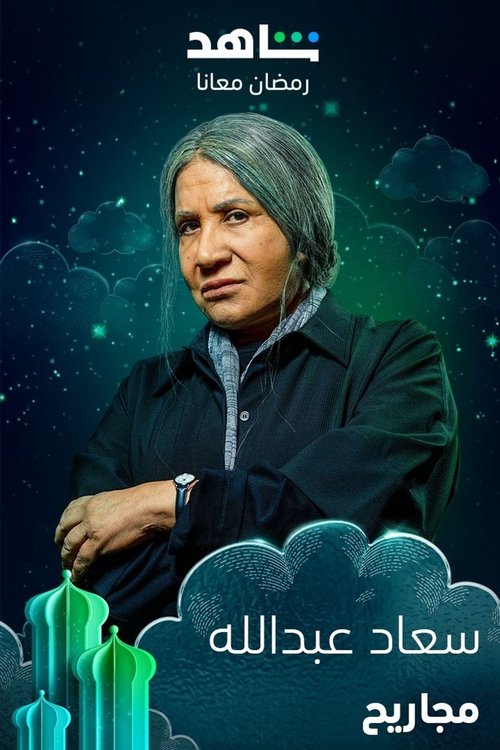
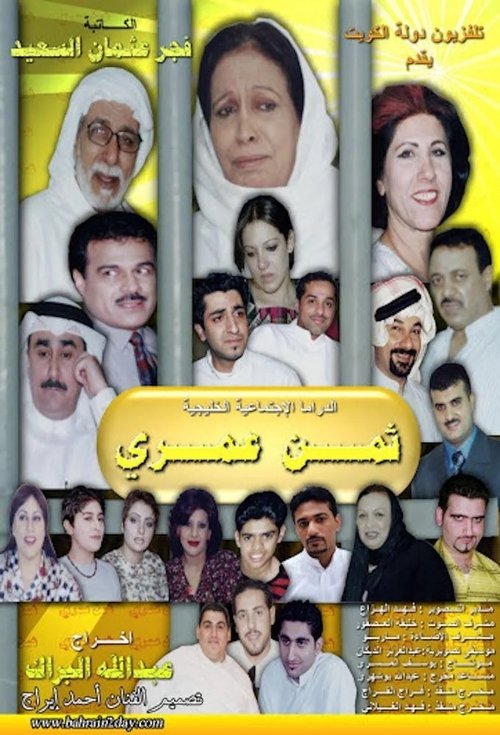
Having spent almost half her life incarcerated, 80-year-old Ghanima is finally released from prison. She must strive to let go of the past and make a fresh start.
Layali is a pharmaceutical student whose father urges her to give false testimony in a corruption case. Refusing to obey, she flees to Cairo and gets into a relationship with a Lebanese producer who promises to help her rise into stardom, but fails to honor his promise.
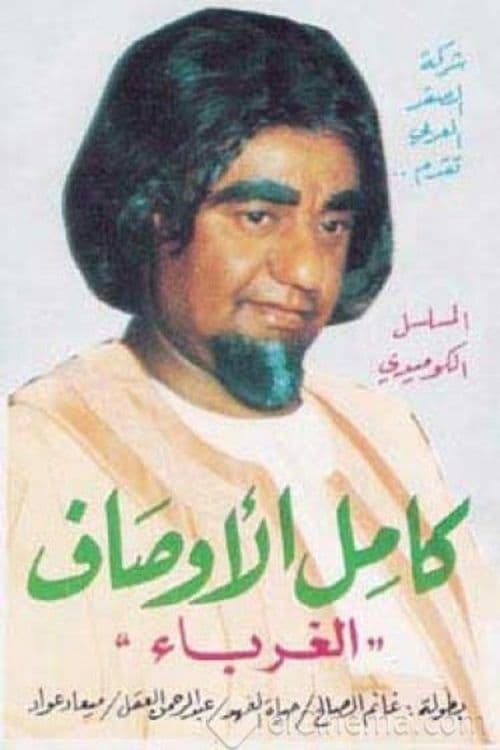
Set in the fictional City of Storms, "Al-Ghorbaa" is a Kuwaiti heritage drama that follows the lives of citizens under the oppressive rule of Kamel Al-Awsaf. With injustice and fear spreading through the streets, a masked knight, a courageous woman named Hind, and a resourceful ally named Morjan emerge as symbols of hope. Together, they quietly resist the regime in a fight to reclaim their city's freedom and dignity.
The work, which revolves around the story of five teenage girls in a secondary school, monitors the relationship of these girls with their society, their families, and their academic environment. Each episode deals with a new event in the girls' lives in terms of raising teenage problems, their issues, their view of society, principles and beliefs, and the impact of family and social problems on them.
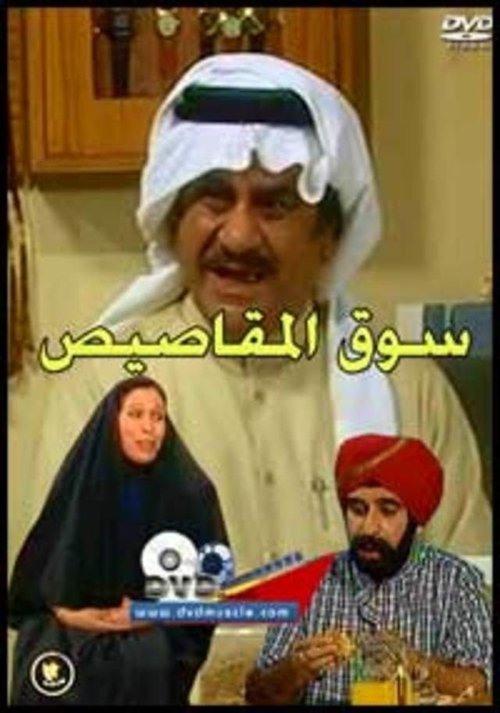
The events of the work in the market and the old Kuwaiti market and the situation of traders and the problems they are exposed to and projections on the state of the Kuwaiti economy.
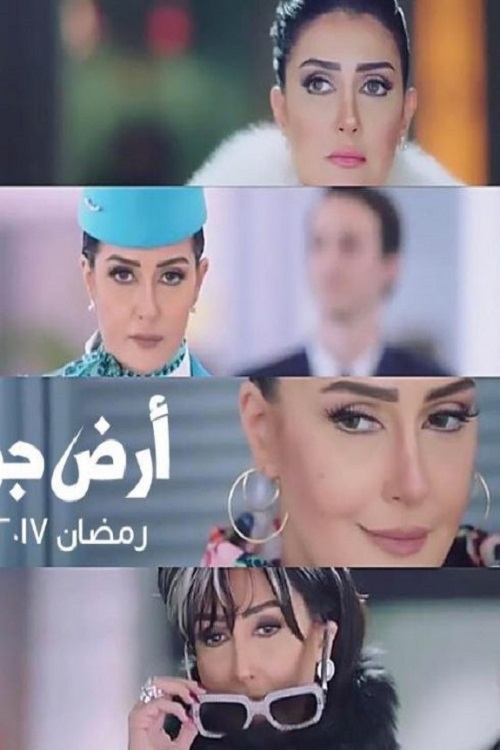
When a flight attendant faces an unpleasant problem, she decides to avenge, but as luck would have it, her situation gets even worse when she is accused of hijacking a plane. Has she hijacked it in retaliation? Or is it just a scheme against her?
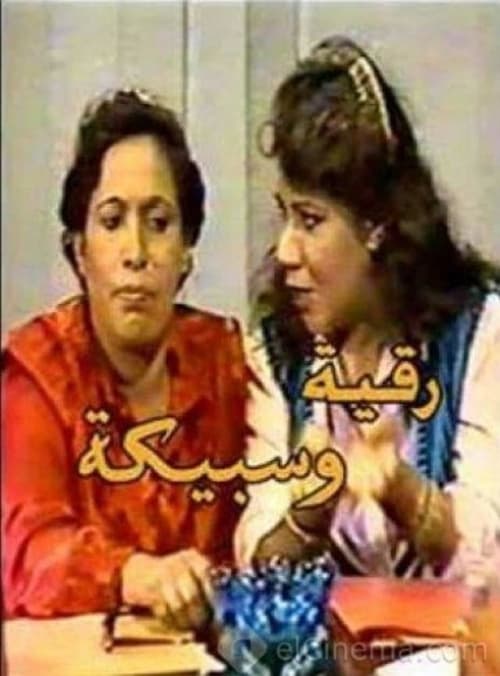
The series revolves around the two sisters (Ruqaya) and (Sabeeka), who work selling old women's necessities, where they meet (Diab), who works as a driver, who marries (Sabeeka) and then discovers that the house in which (Sabeeka) and (Ruqaya) live belongs to them and events escalate
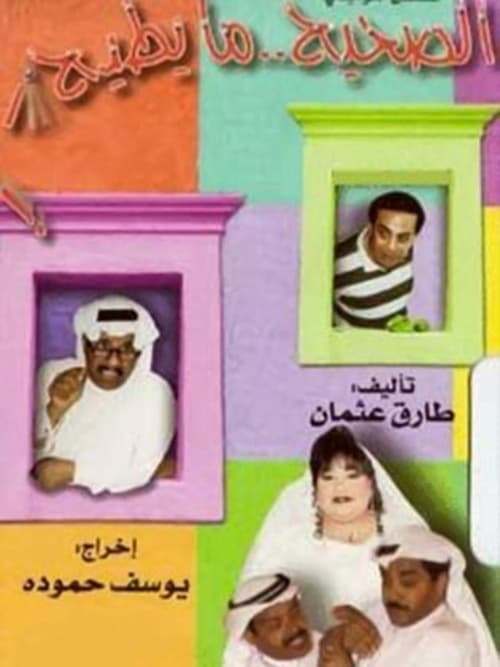
Mansour marries Hayat, and he thinks that he will live a simple, decent life with her, but he is surprised by her mother’s interference in all their affairs, and debts control him, and every time he tries to overcome his problems, he falls into another problem.
A young man (Mohammed Ramadan) travels from Qena to Cairo for work, but the only job he can find is as a painter. He is constantly running into trouble, as he deals both with his extreme poverty and his desire to live a decent life for his mother. His world gets turned upside down when he finds himself way in over his head, and it becomes clear that he must find a way out before it is too late.
Laila lives with her mother in London. After she spends her life wondering about her father whom she has never seen, her mother's death leads to the discovery of important papers that reveal a shocking truth about her father and what he did to her mother's family.
A social comedy that revolves around Samiha and her son Hilal, and his uncle Dahi’s interference with their lives, until he marries Fawzia, so Hilal tries to convince his mother to marry the divorced Nouf, but his mother rejects the matter, until she recognizes Nabil and everything changes.
The events of the work revolve around a comedic framework around the Bazza family, who belong to the poor class and are unlucky enough to move to Abu Khaled's house to work as a maid for his family, but with Bazza's cleverness and intelligence, Abu Khaled falls in love with her and marries her, and she begins her plans to obtain Abu Khaled's property.
The series deals with an important era in the history of Kuwait, the period of the rule of Sheikh Mubarak Al-Sabah in the period between 1896 and 1915, and narrates some of the events that occurred in that period, such as his receipt of power, the Battle of Al-Sarif, the Battle of Hadiya, the attacks of Youssef Al-Ibrahim, his relationship with the Ottoman Empire, and the signing of the British-Kuwaiti protection agreement.
In the framework of the social drama, the events of the series revolve around Noura, who sacrifices for her brother Faisal, and enters prison instead of him in a drug case, and when she serves the punishment and comes out, she is surprised by Faisal's repudiation of her, threatening to expose his matter if he does not compensate her the years of imprisonment.