Acting
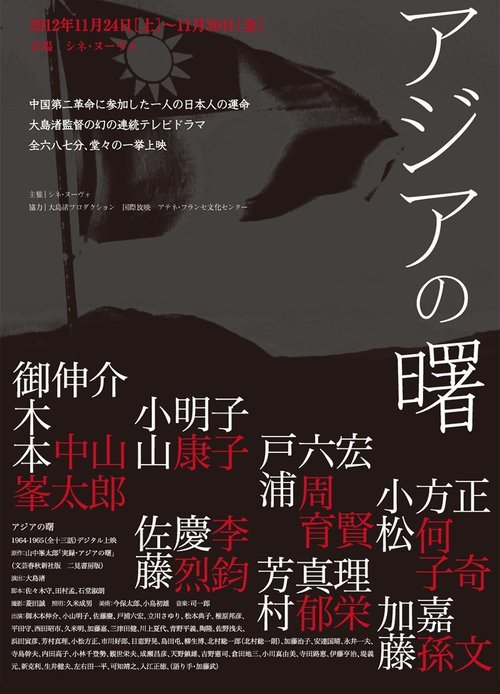
A TV drama consisting of thirteen episodes about the trans-China/Japan collaboration of revolutionaries in the early twentieth century. It was Nagisa Oshima’s rare attempt to direct a TV drama in a social atmosphere in which Japan was embracing postwar prosperity as well as the effects of permeating mass media. Making an effort to reach out to the mass audience through a seemingly conventional method of filmic representation, Dawn of Asia takes up the epic of trans-Asiatic solidarity while challenging nationalism on both sides.
A vacationing entomologist suffers extreme physical and psychological trauma after being taken captive by the residents of a poor seaside village and made to live with a woman whose life task is shoveling sand for them.
The world-famous woodblock artist Hokusai (1760-1849), a widower in need of a steady income, lives with his daughter Oei in the house of his friend Bakin.
Late in the 1500s, an aging tea master teaches the way of tea to a headstrong Shogun. Through force of will and courageous fighting, Hideyoshi becomes Japan’s most powerful warlord, unifying the country.
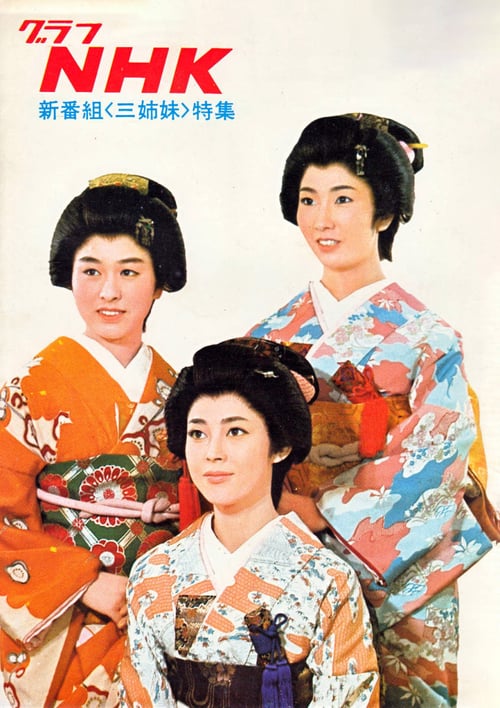
The Story is about three daughters of a "Hatamoto" during the end of the Edo period and the Meiji Restoration.
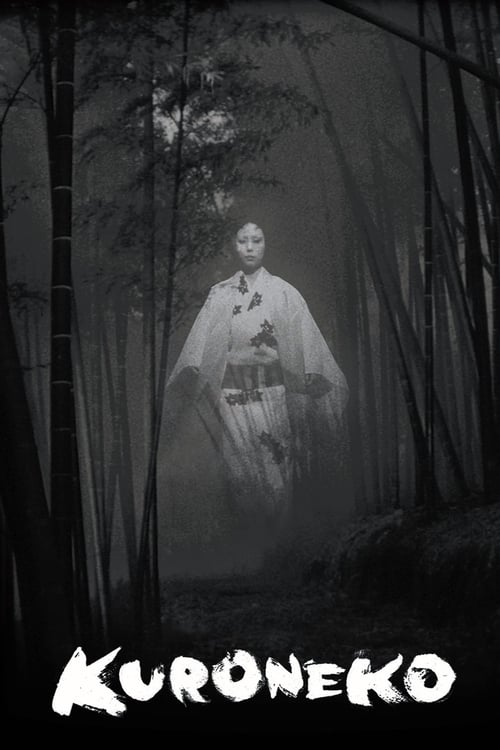
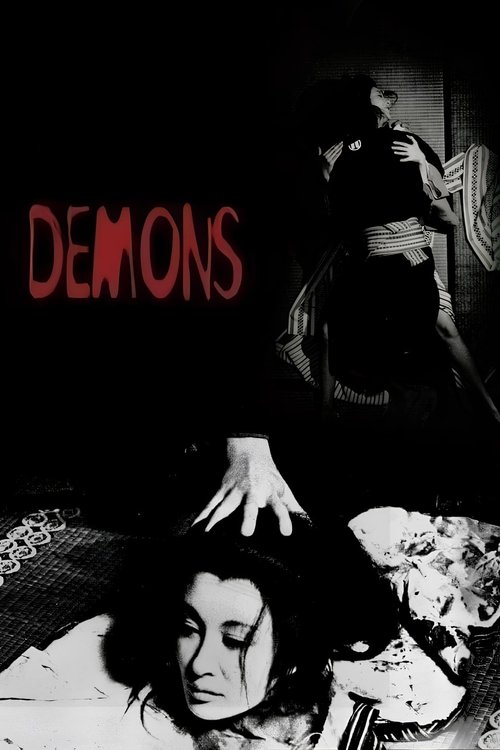
In the Sengoku period, a woman and her daughter are raped and murdered by soldiers during a time of civil war. Afterwards, a series of samurai returning from the war through that area are found mysteriously dead with their throats torn out. The governor calls in a wild and fierce young hero to quell what is evidently an Onryō ghost.
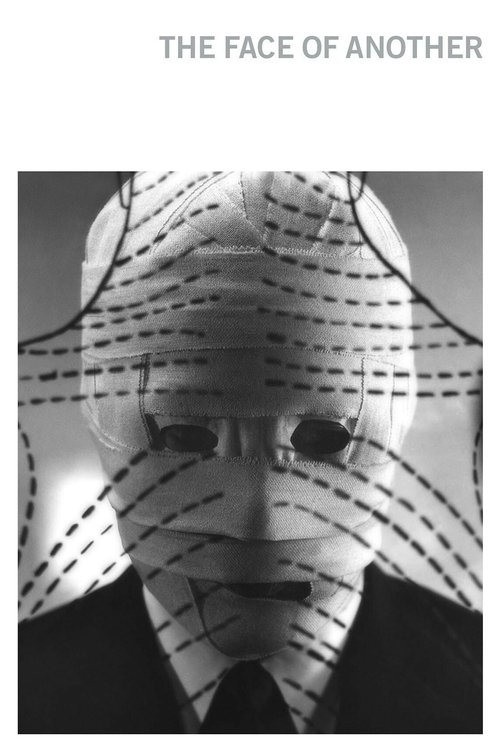
A businessman with a disfigured face obtains a lifelike mask from his new doctor, but the mask starts altering his personality and causing him to question his identity.
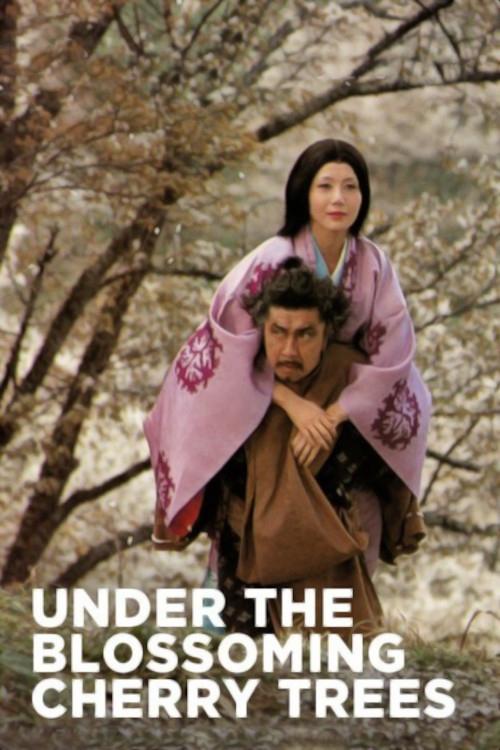
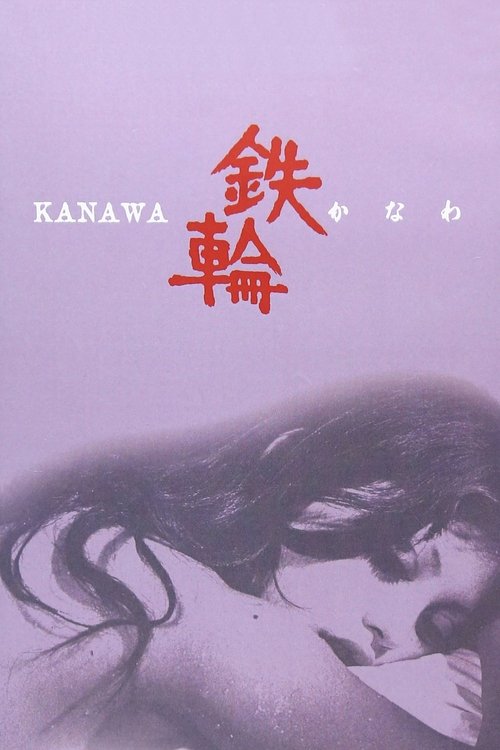
A mountain bandit abducts a woman who demands he kill his other wives to please her, leading to a cycle of violence and madness fueled by superstition and obsession.
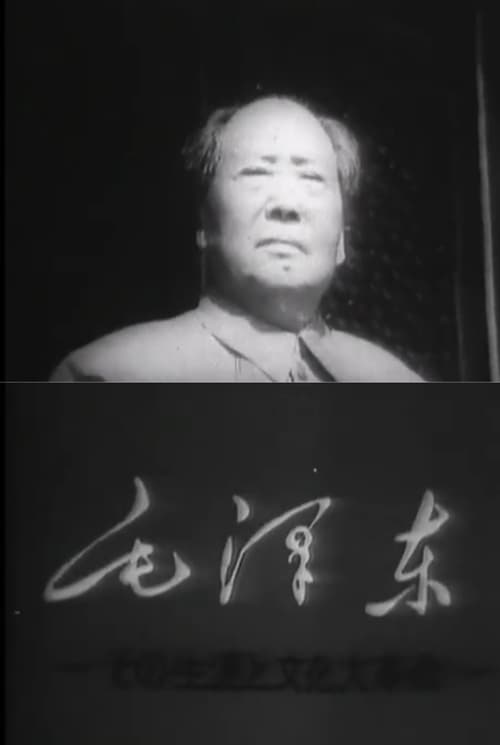
Nagisa Oshima's documentary details the rise of Chairman Mao during the revolution and shows the Communist Party's struggle and cultural upheaval. Made in 1969 for NTV station, this TV documentary also questions Mao's dictator tendency during the cultural revolution.
Gengobe Satsuma, an exiled samurai cast out as an Asano clan retainer, is given a second chance to join his brothers in arms to become the 48th Ronin against the Shogunate. His faithful servant gathers the 100 ryo required for his acceptance. Gengobe is also in love with a greedy geisha named Koman. About to be sold to another man, Gengobe learns that in order to keep her, her debt is exactly 100 ryo.
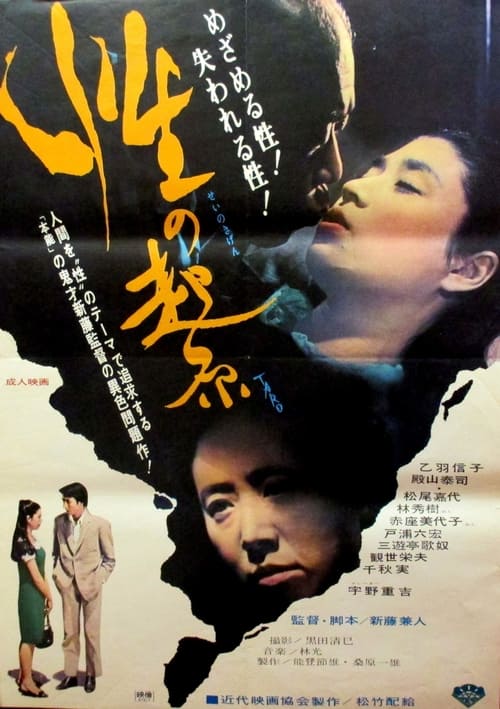
After an elderly man is discharged from a hospital following a misunderstood, life-affirming impulse toward a fellow patient, he finds himself caught between his wife’s empathy and his children’s judgmental scorn. As his health wavers, he and his wife attempt to reclaim their intimacy and vitality during a seaside getaway, even as their son becomes entangled with the same young woman from the clinic.
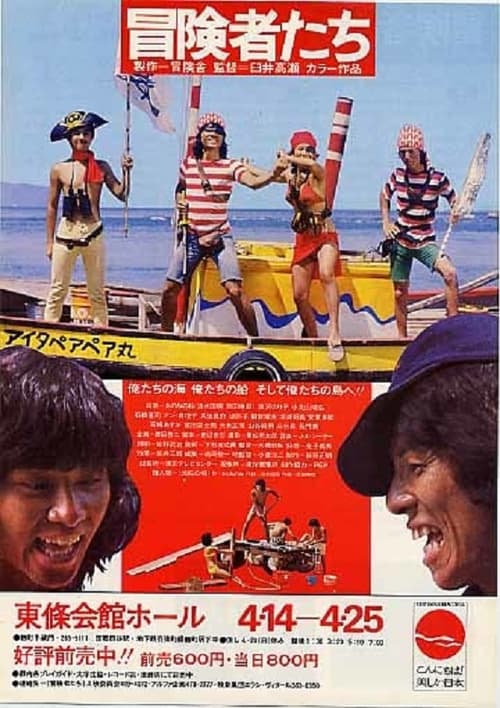
A group of young men go treasure hunting in the sea.
A man wanders into a seemingly deserted town with his young son in search of work. But after a bit of bad luck, he joins the town's population of lost souls.
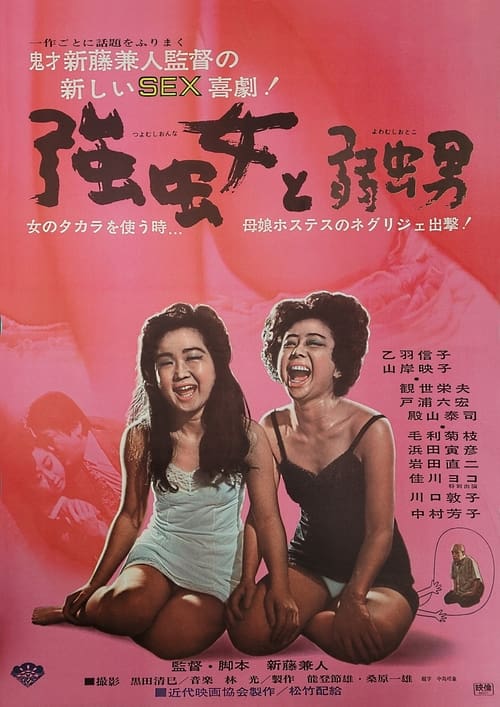
After the closure of a coal mine leaves her husband unemployed, Fumiko travels from Kyushu to Kyoto with her daughter Kimiko, and they become hostesses at a cabaret.
Two young women must come to terms with the fact that a man they're deeply linked to is a murdering rapist.
A woman takes revenge on her husband after he leaves her for a younger woman by harassing the couple with unwanted phone calls at night.
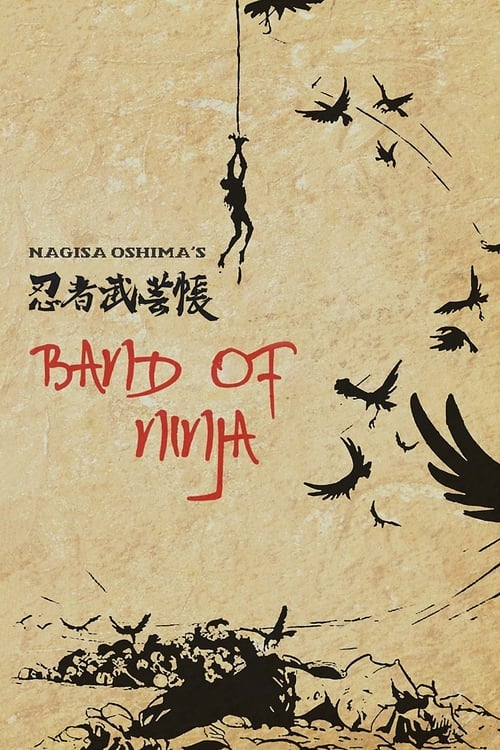
The son of an assassinated feudal lord, in the Muromachi period, attempts to avenge his father's death and meets Kagemaru, a renegade ninja helping peasants and farmers rebel against Oda Nobunaga's regime, all depicted through an experimental form of filming pages from the original manga set to sound.
A sex-obsessed woman, a suicidal man she meets on the street, and a gun-crazy wannabe gangster become trapped in an underground hideaway.
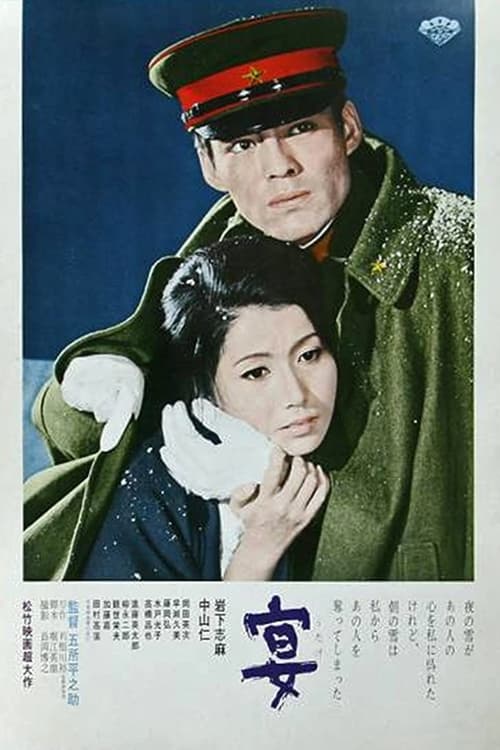
Suzuko, a woman in her twenties who has a brother with political problems (due to communist reprisals), lives for over five years in a love affair with Tate who's a young lieutenant in the Army, ultimately becoming a right-wing fundamentalist revolutionary. She marries another man, one totally dedicated to the rigorous practices of Noh theatre, in an arranged marriage, but the bond that connects her with Tate is too strong.
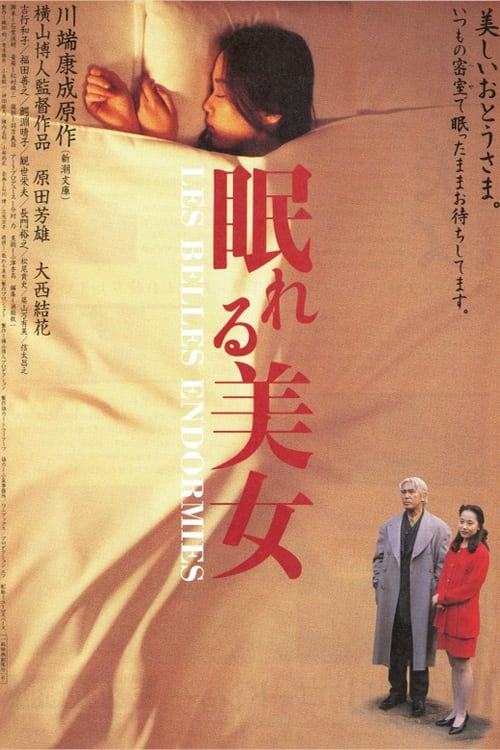
About an establishment where old men pay to sleep besides young girls that had been narcotized and happen to be naked, the sleeping beauties. The old men are expected to take sleeping pills and share the bed for a whole night with a girl without attempting anything of bad taste like putting a finger inside their mouths.