FEEL IT.STREAM
Kazuo Kuroki

Kazuo Kuroki

Directing

Biography

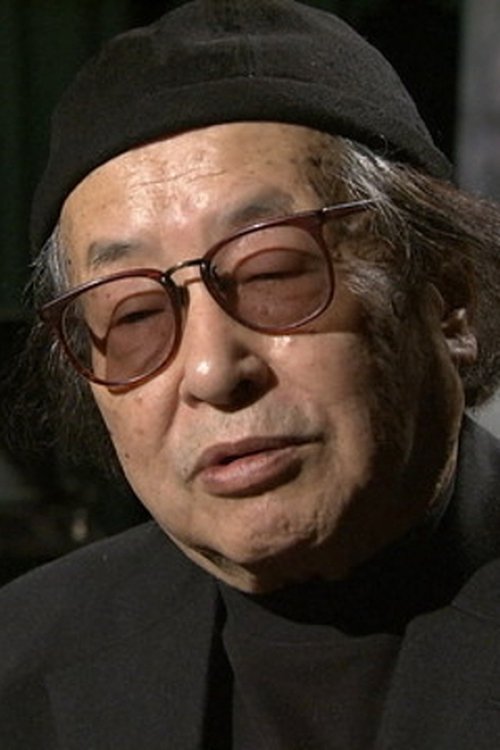
Kazuo Kuroki (黒木和雄 Kuroki Kazuo) was a Japanese film director who was particularly known for his films on World War II and the question of personal guilt. He attended Doshisha University, but left before graduating, instead finding employment at Iwanami Productions. There he directed PR films and documentary films, while also participating in the "Blue Group" (Ao no kai) with other Iwanami filmmakers such as Noriaki Tsuchimoto, Shinsuke Ogawa, and Yōichi Higashi, a group that was exploring new paths in documentary. Kuroki left Iwanami after experiencing conflicts with the sponsors of Hokkaido, My Love (1960). With Record of a Marathon Runner (1964) that helped spark changes in the Japanese documentary world. Kuroki switched to fiction film, independently producing Silence Has No Wings (1966) and showing it at the Art Theatre Guild. He became one of the representative figures of ATG and independent Japanese cinema, and was particularly known for a series of works dealing with the atomic bombings of Japan, such as Tomorrow (1988) and The Face of Jizo (2004). These were in part spurred by his growing up near the city of Nagasaki. Kuroki's work also dealt with his own feelings of guilt from the war, as he felt responsible when some of his fellow students, who had been conscripted to work in a local factory, died in Allied bombings and he did not help
Known For

Keishi-K
N/A

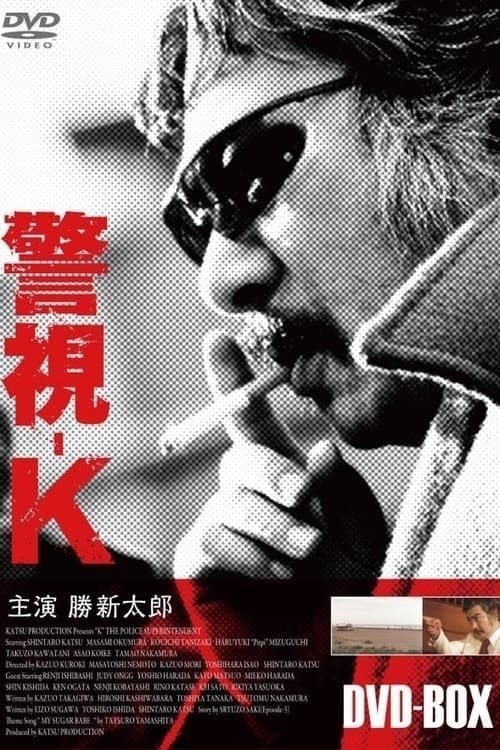
" Keishi-K " is a detective drama directed and starring Shintaro Katsu. This drama tells the story of Inspector Katsutoshi Gatsu, a hammy detective, as he fights crime.

Keishi-K

1980
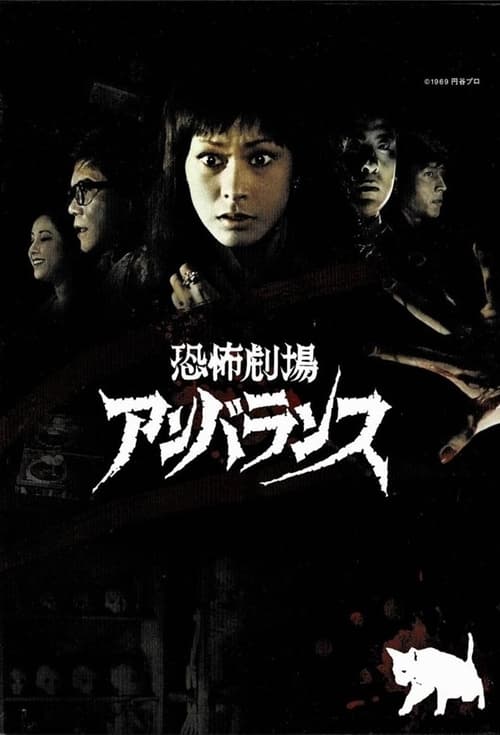
Horror Theater Unbalance
N/A

Horror Theater Unbalance is a 1973 Japanese Anthology television series created by Tsuburaya and Fuji TV to air on the Fuji TV network on Monday Nights for 13 episodes. Originally started in production in 1969, it was shelved and took years for its airing debut to begin its broadcast, before production was eventually completed at the end of 1972. It was then aired on Fuji TV in 1973.

Horror Theater Unbalance

1973
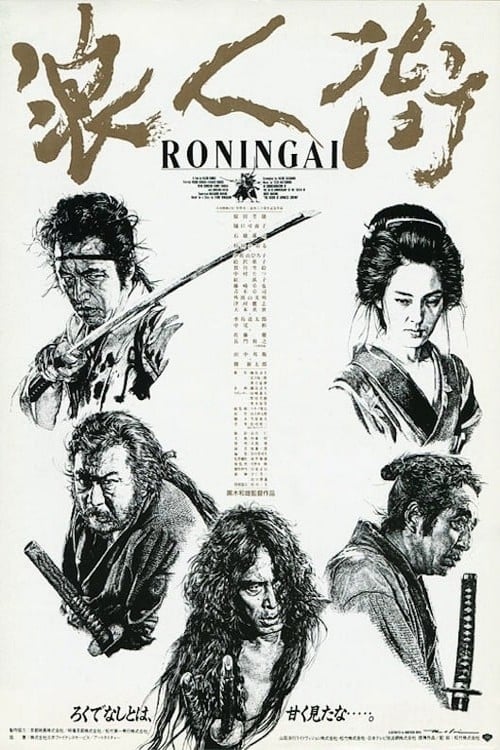
Ronin-gai
6.2

Near the end of Japanese civil war, several disgraced ronin living in Edo's red light district attempt to regain their honor by defending a brothel from a hostile militia bent on wiping out local prostitutes.

Ronin-gai

1990
The Assassination of Ryoma
4.8

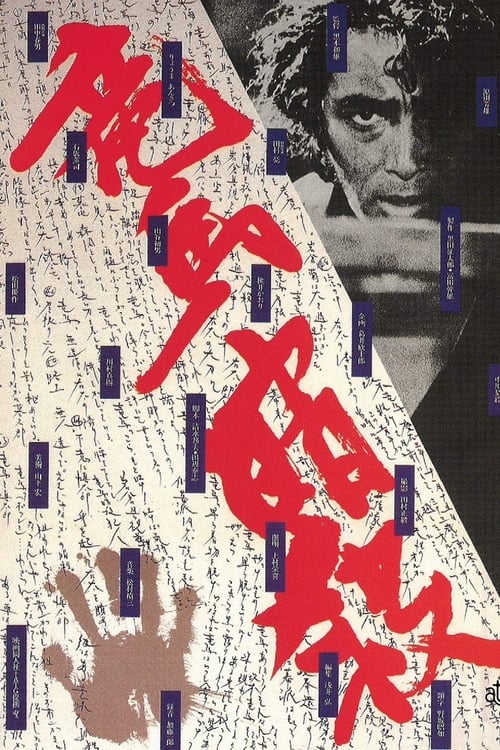
Story of the last three days in the life of Sakamoto Ryoma (1836-1867), the imperial loyalist who tried to unite the Choshu and Satsuma clans and prepared the way for the Meiji Restoration (1868).

The Assassination of Ryoma

1974
Silence Has No Wings
6.9

After a young boy captures a rare butterfly in Nagasaki, a caterpillar begins a relay-trip toward the northern tip of Hokkaido, serving as a silent witness to a series of vignettes featuring people struggling with the psychological and social scars of post-war Japan.

Silence Has No Wings

1966
Lost Love
6.4

At a seaside city somewhere in the Tohoku area, the corpses of Nozomi, daughter of an affluent family, and Yamazaki, son of an engineer at the local nuclear power-plant, are found tied-to on a beach, as if they intended to commit double suicide. Nogami, a reporter, begins to investigate.

Lost Love

1978
The Face of Jizo
7.0

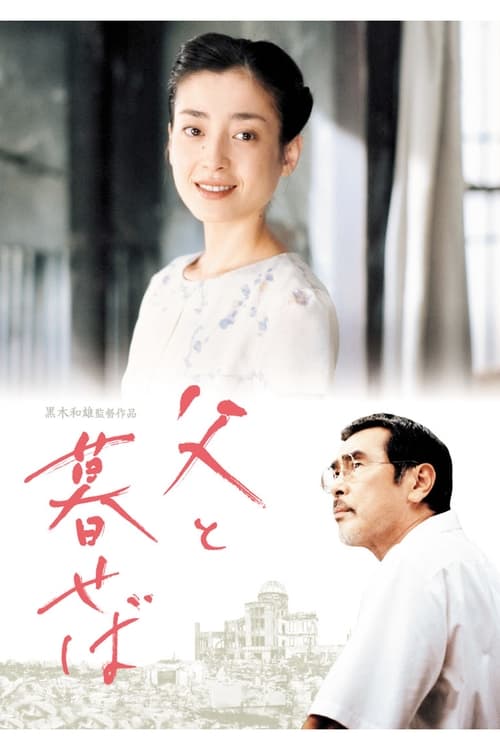
Based on a play by Hisashi Inoue, it focuses on the sufferings of the survivors of Hiroshima. The film takes place during 4 days in the summer of 1948, as the ghost of her father visits Mitsué (Rié Miyama). He had somehow learned that she has fallen in love, and tries to convince her to start her new life. But Mitsué obstinately refuses his warm and humorous encouragements : « People were killed in my place. I do not have the right to find happiness », she says.

The Face of Jizo

2004
Tomorrow
8.0

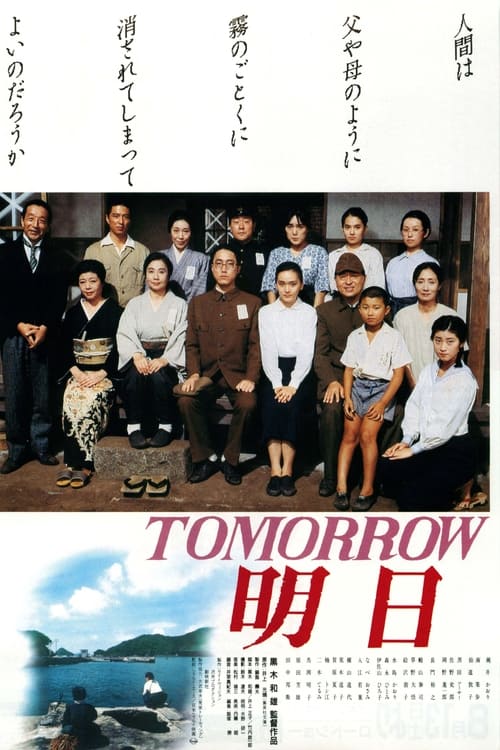
On August 9, 1945, the Americans dropped an atomic bomb on Nagasaki. This film, based on a story by Mitsukaru Inoue, describes the daily life of people in Nagasaki the day before that fateful event. It presents the human drama of people's lives, and their feelings of joy and sadness. These include a newlywed couple, an expectant mother, and lovers who must say farewell because the boy is called to serve in the army. Each of these people, like others in the city, hoped to live with their dreams for ‘tomorrow’. But tomorrow never comes for them, as their lives are brought to an abrupt and unexpected end. Knowing how the story ends, in this case, doesn't detract from it at all; rather, it enhances the emotional impact, which is further heightened by the poignant musical score from Teizo Matsumura. 'Ashita' is the first film in Kazuo Kuroki's 'War Requiem Trilogy,' which also includes 'Utsukushii Natsu Kirishima' (2002) and 'Chichi to Kuraseba' (2004).

Tomorrow

1988
Hear the Wind Sing
6.6

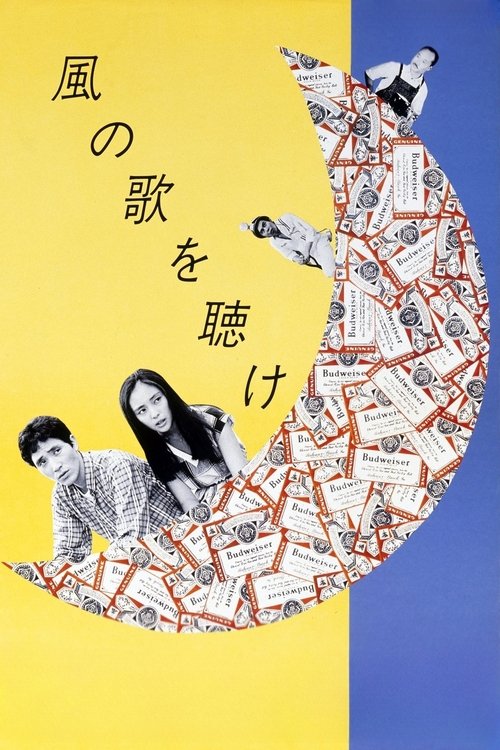
A student travels back to Kobe for the summer. Once there, he meets his friend Rat, hangs on the usual place, listening to the Beach Boys and meets a mysterious twin girl.

Hear the Wind Sing

1981
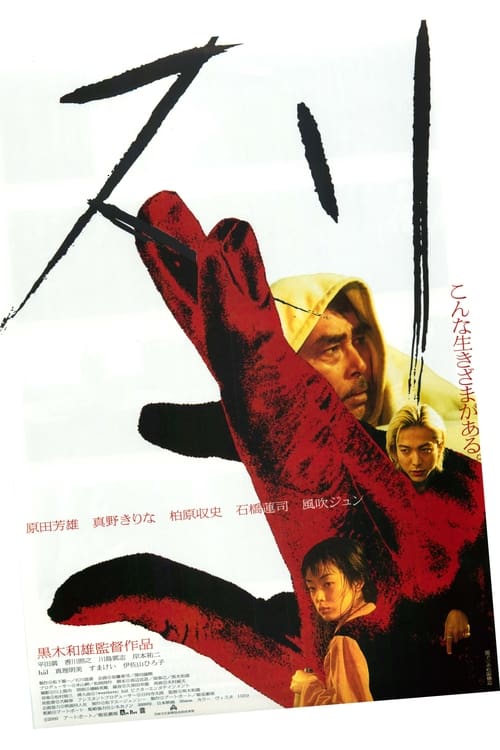
Pickpocket
6.8

Kaido is a professional pickpocket who works the Tokyo subway with his young foster-daughter, Rei: She lets herself be groped while Kaido relieves the groper of his wallet. More often than not they're observed by a middle-aged cop, who generally lets Kaido go free. Rei is unsettled when Kaido takes on a young street punk, Kazuki, as an apprentice -- with instructions to make Kaido stop drinking. Kazuki, however, would like to go into business with Rei.

Pickpocket

2000
Until Evening
7.0

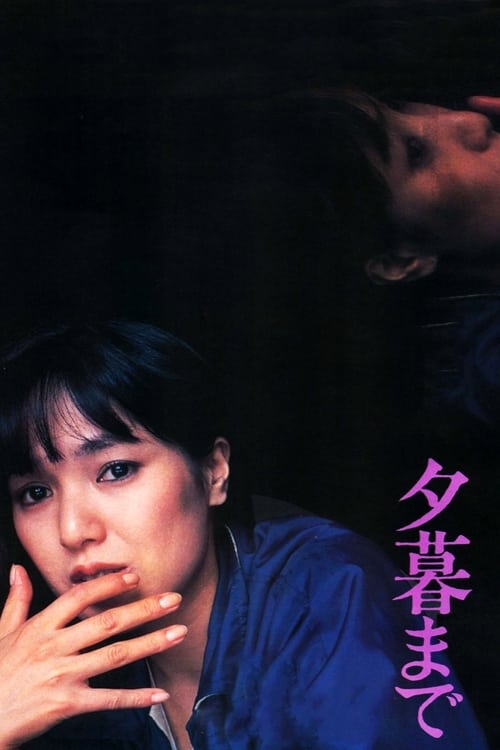
Intellectual collegue professor Sasa becomes obsessed with beautiful Sugiko, a virgin. Eventually, luring her to a love hotel.

Until Evening

1980
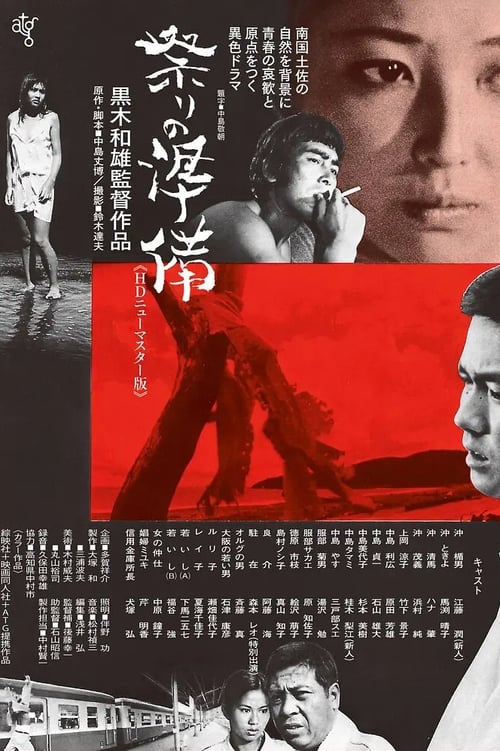
Preparation for the Festival
5.4

Tateo, young and neurotic, wishes to leave the village his mother has raised him in.

Preparation for the Festival

1975
A Boy's Summer in 1945
5.8

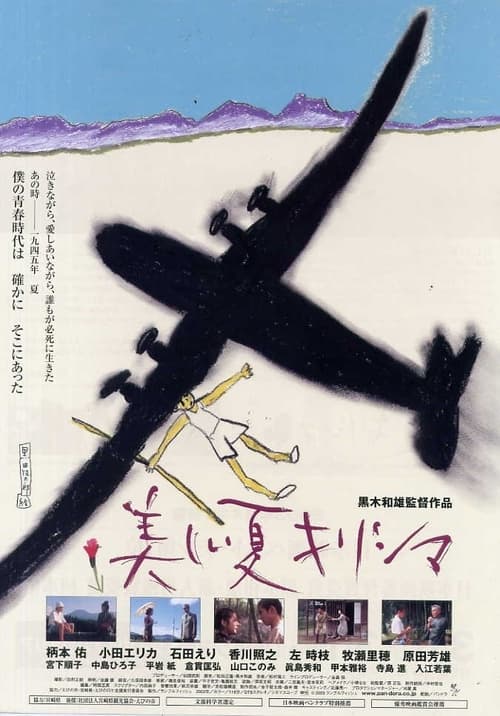
Commencing well-respected Nippon director Kazuo Kuroki's sixth decade behind the camera, "A Boy's Summer in 1945" (literally "A Beautiful Summer in Kirishima") is a lyric, novelistic drama set in the countryside in the last days before Japan's surrender ending WWII. Striking a welcome retro note in its languid pacing and delicate handling of seriocomic ensemble threads, handsome production is a natural for fests. It might also prove a cornerstone for retrospectives or ancillary releases of works by a helmer ("Preparation of the Festival," "Ronin-gai") who's long been appreciated at home but has won just limited attention abroad.

A Boy's Summer in 1945

2002
Evil Spirits of Japan
6.8

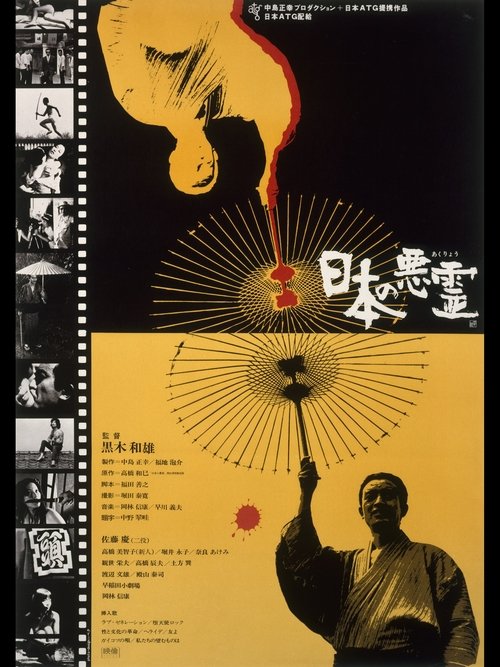
Murase is a bodyguard of yakuza group. Ochiai is a police officer who once was a student activist. When they meet, they are surprised how identical they look.

Evil Spirits of Japan

1970
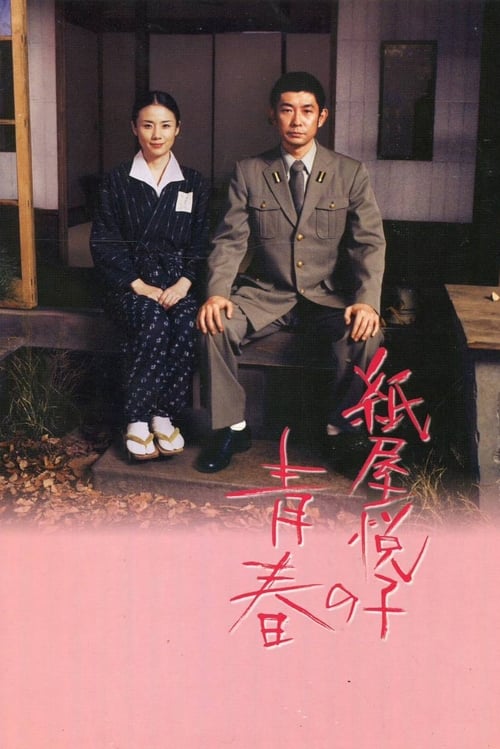
The Blossoming of Etsuko Kamiya
7.6

In Kagoshima, in the final days of World War II, an offer of marriage comes to Etsuko Kamiya, who lives with her brother and his wife. The offer comes from Nagayo, but Etsuko is attracted to his friend, Akashi.

The Blossoming of Etsuko Kamiya

2006
No image
8.0

Japanese drama film.

A Bridge of Tears

1983
When the Night Breaks
N/A

In a bustling shopping district, a humble tailor accompanies his daughter for an afternoon out — until a trio of thugs begin harassing her in broad daylight. Unable to stay passive amidst the crowd’s indifference, he intervenes with tragic results. Two years later, having served time for excessive self-defense, he remains haunted by both the violence and the apathy of society. A veteran detective, still unsettled by the case, notices the tailor quietly providing money to the same thugs. What drives him? A modern horror tale with social undertones, adapted from Futaro Yamada’s short story “The Black Curtain,” this episode merges psychological unease, moral ambiguity, and a chilling critique of bystander indifference.

When the Night Breaks

1973
No image
10.0

A college graduate falls in love with a woman during a business trip in Hokkaido

Hokkaido, My Love

1962
Cuban Lover
6.8

Japanese fishery instructor Akira is attracted to beautiful Cuban young girl Martia. Though initially rejected, Akira still returns with Martia to her homeland. On the way he sees a post-revolution Cuba, cultivating fields, relics from the revolution, armies in training, and Castro in a political rally.

Cuban Lover

1969
Record of a Marathon Runner
10.0

This was a sponsored documentary film by director Kazuo Kuroki of Japan. This highly artistic film focused entirely on Japanese marathon runner Kenji Kimihara. Kimihara finished eighth in the 1964 Olympic marathon with a time of 2:19:49. He had previously won the Japanese trials in 2:17:11 on April 12th of that year. He competed in a total of three Olympic marathons in all (finishing 2nd in 1968, and 5th in 1972) and he won 9 of 18 marathons prior to the Mexico City Games, including the Boston Marathon in 1966. Kimihara’s personal best was 2:13:25.

Record of a Marathon Runner

1963