Laura Meļķe
Directing
Known For
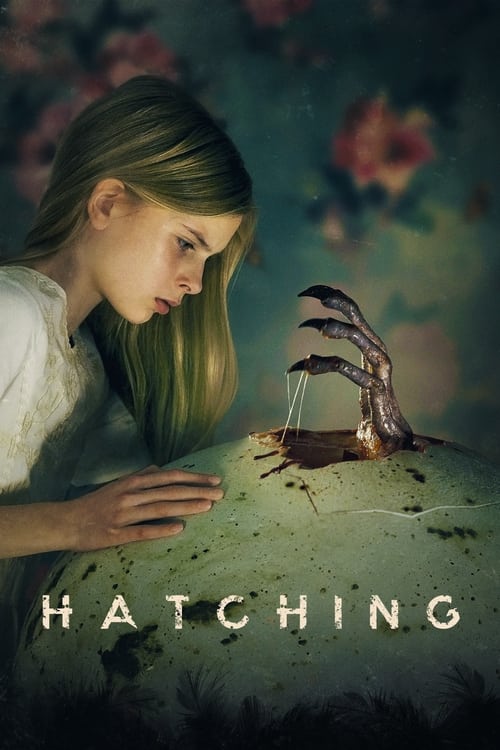
12 year old Tinja is desperate to please her mother, a woman obsessed with presenting the image of a perfect family. One night, Tinja finds a strange egg. What hatches is beyond belief.
Hatching

A grieving heart surgeon struggling with the loss of his wife drifts through an emotionally detached life while raising his teenage daughter. His chance encounter with a dominatrix awakens feelings he thought were gone, drawing him into a dark and unconventional world where pain and desire intertwine.
Dogs Don't Wear Pants

A story about Emīlija Benjamiņa, the “queen of the press” in interwar Latvia, whose wealth and tragic fate have since become folklore. The film’s narrative covers the period from the beginnings of Emīlija’s magazine Atpūta (Recreation), to her arrest and slow demise in a train en route to Siberia. The most prominent clairvoyant of the time - Eugene Fink’s prophecy that Emīlija would die from starvation in a foreign land (which served to be true) weaves through the narrative as a red thread. With this strong woman at the centre of the story, the film shows Latvian society in all its richness and gives the audience the opportunity to meet many well-known historical figures.
Emily. Queen of the Press
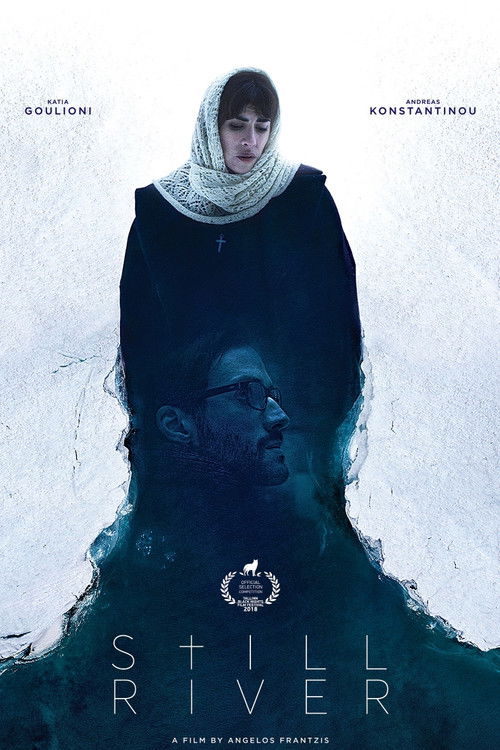
A Greek couple, Anna (Katia Goulioni) and Petros (Andreas Konstantinou), have recently moved to a small industrial town in Siberia. It’s a long process to adapt, especially for Anna, since Petros is quite occupied with his job. That will cause a conflict between them and inevitably the couple is distanced. Everything is escalated as for the past period there is no sexual intercourse between them. This slow-paced decay is intensified when an unexpected event occurs, changing everything between them. Balancing between trust and disbelief the haunting suspense evolves.
Still River

In 1873, brave men known as the New Latvians held the first-ever Latvian song festival under the watchful eye of oppressive censorship. This massive celebration, featuring 1,003 singers – both men and women – changed the course of the nation’s history. It stands as a unique example of non-violent resistance in the fight for freedom against imperialism, led by Latvia’s entrepreneurs, writers, publicists and ordinary villagers.
In The Land That Sings
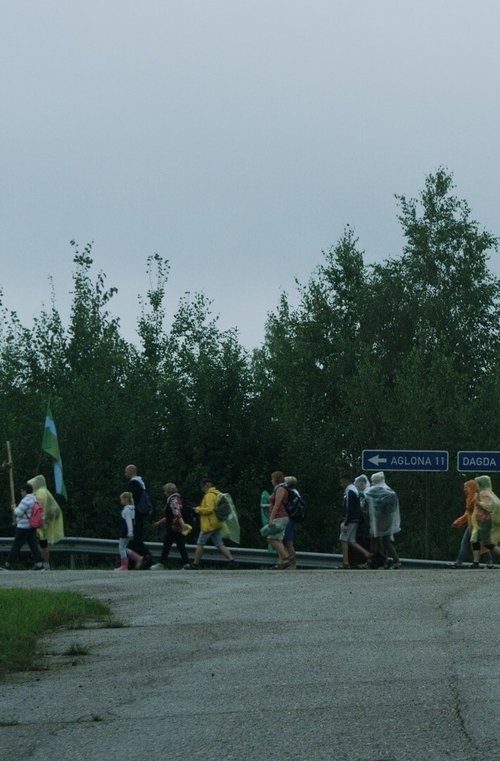
"If a person doesn't go to church anymore, then the church should go to them," says Rinalds, a calm, smiling, young man with a good sense of humor. He is a priest from a small village in Latgale, Latvia's easternmost and poorest region, and the documentary Prīsters (The Priest) follows the routines of his daily life, his thoughts of life and religion and why he chose this path for himself.