Directing
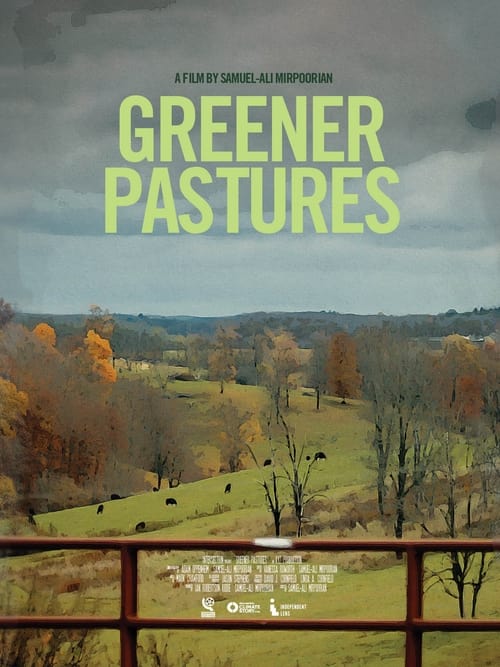
Contemplating the future of farming in America through the day-to-day lives of four small, Midwestern, multigenerational family farms over the course of three years.
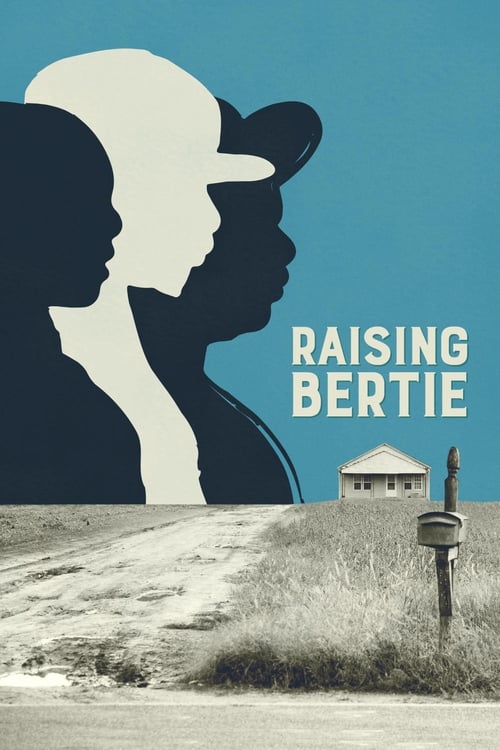
Raising Bertie is a longitudinal documentary feature following three young African American boys over the course of six years as they grow into adulthood in Bertie County, a rural African American-led community in Eastern North Carolina. Through the intimate portrayal of these boys, this powerful vérité film offers a rare in-depth look at the issues facing America's rural youth and the complex relationships between generational poverty, educational equity, and race. The evocative result is an experience that encourages us to recognize the value and complexity in lives all too often ignored.
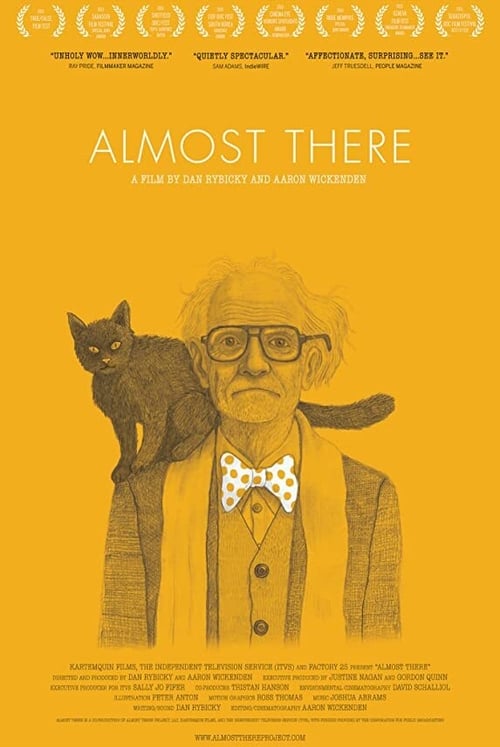
A coming-of-(old)-age story about Peter Anton, an elderly "outsider" artist living in isolated and crippling conditions whose world changes when two filmmakers discover his work and storied past. Shot over eight years, ALMOST THERE documents Anton's first major exhibition and how the controversy it generates forces him to leave his childhood home. Each layer revealed reflects on the intersections of social norms, elder care, and artistic expression.
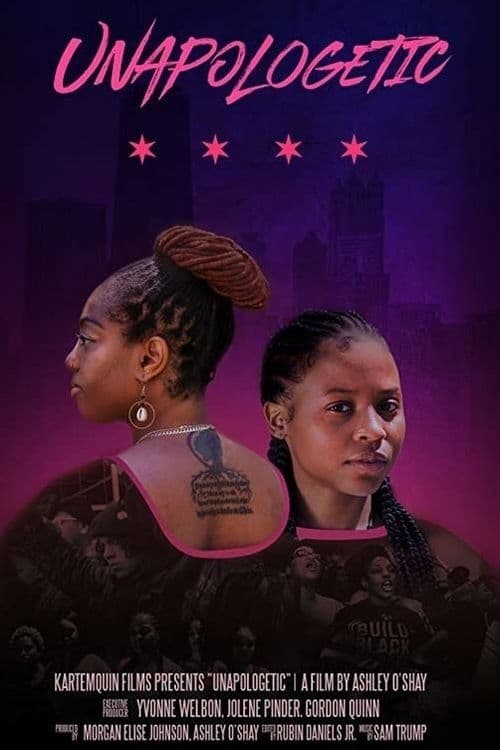
Told through the lens of Janaé and Bella, two fierce abolitionist leaders, Unapologetic is a deep look into the Movement for Black Lives, from the police murder of Rekia Boyd to the election of Mayor Lori Lightfoot.
Actor Robert Culp narrates this special examining the use of boycotts by African-Americans as a way of obtaining jobs.
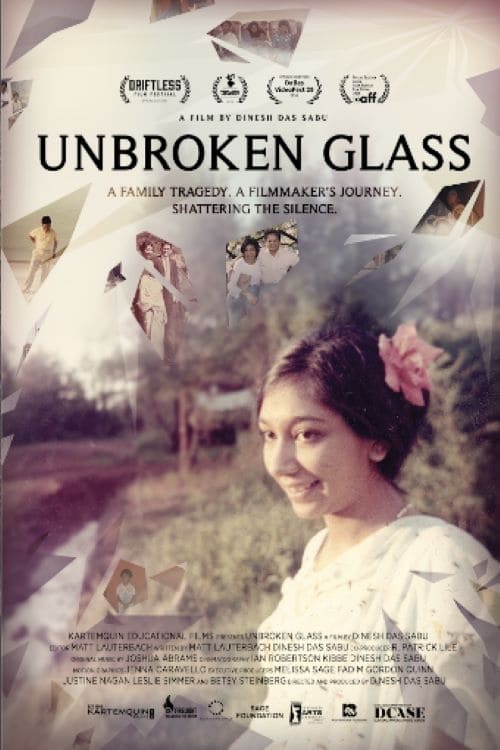
Unbroken Glass is a documentary about filmmaker Dinesh Sabu's journey to understand his parents, who died 20 years ago when he was six years old.
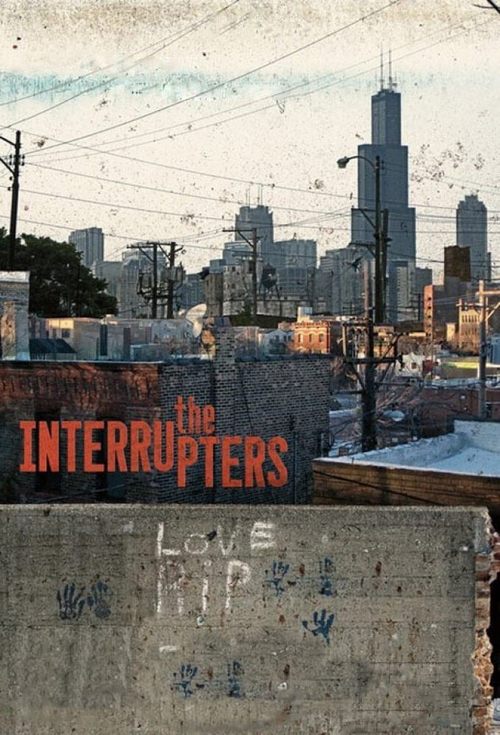
The Interrupters tells the moving and surprising stories of three Violence Interrupters — former gang members who try to protect their Chicago communities from the violence they once caused.
Three young men bond together to escape volatile families in their Rust Belt hometown. As they face adult responsibilities, unexpected revelations threaten their decade-long friendship.
When the wife of one of the filmmakers decides to give birth without pain medication using the Lamaze method of childbirth - and coached by her own husband - she is confronted with disbelief, superstition and downright hostility. In order to find a doctor who will respect their wishes, the parent-to-be have to make arrangements with a hospital in Wisconsin and race over the state line when the baby comes. This frank and sensitive cinema verity documentary follows the young couple as they learn about natural childbirth, discuss their plans with friends and medical staff, and experience the actual labor and birth of their fist child, Marco
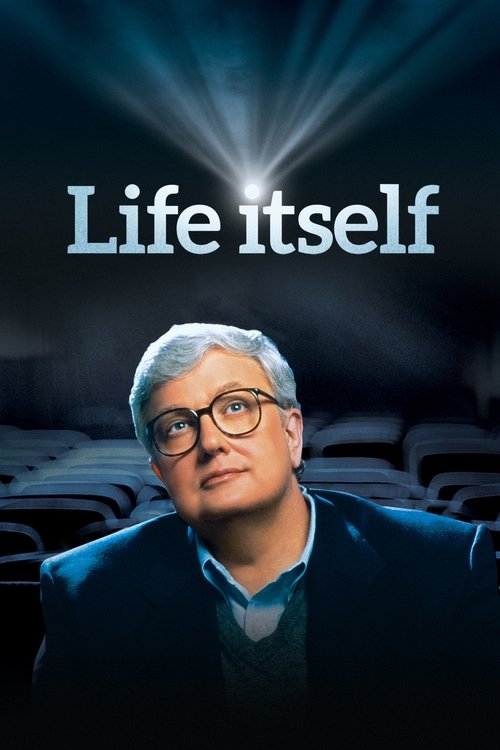
The surprising and entertaining life of renowned film critic and social commentator Roger Ebert (1942-2013): his early days as a freewheeling bachelor and Pulitzer Prize winner, his famously contentious partnership with Gene Siskel, his life-altering marriage, and his brave and transcendent battle with cancer.
Edith and Eddie, ages 96 and 95, are America's oldest interracial newlyweds. Their unusual and idyllic love story is threatened by a family feud that triggers a devastating abuse of the legal guardianship system.
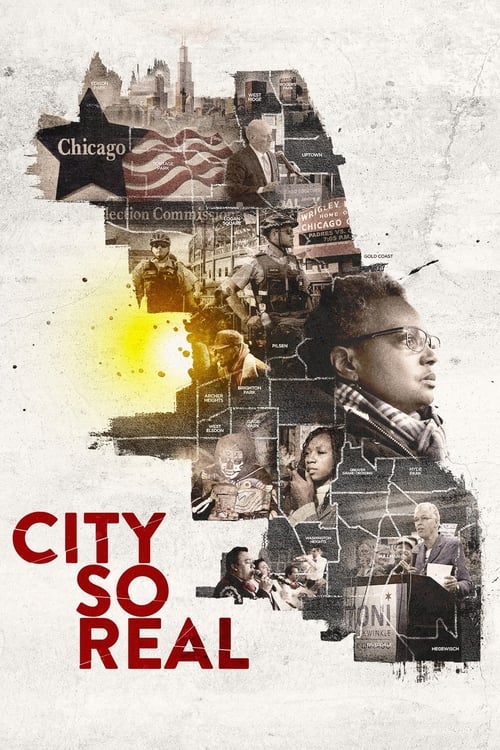
Academy Award-nominated filmmaker Steve James’ fascinating and complex portrait of contemporary Chicago delivers a deep, multifaceted look into the soul of a quintessentially American city, set against the backdrop of its history-making 2019 mayoral election, and the tumultuous 2020 summer of COVID-19 and social upheaval following the police killing of George Floyd.
Leon Golub's massive canvasses depict scenes most of us would prefer not to see - mercenary killings, torture, and death squads. Golub offers not simply a profile of a painter with a political conscience, but an investigation into the power of the artist to reflect our times and to change the way we think about our world.
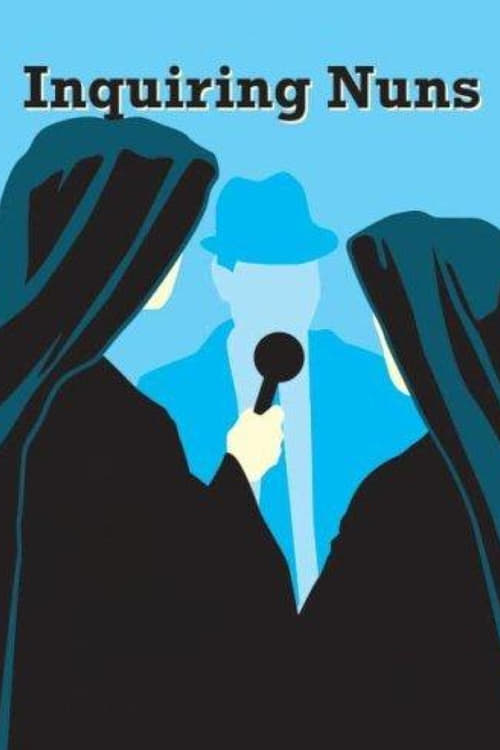
Two nuns travel across Chicago asking people the question, "Are you happy?"
For two years, filmmaker Maria Finitzo followed five strong young women between the ages of 13 and 17. Unlike the myriad reports, books and "specials" that focus on young women as passive and powerless, 5 Girls explores the ways these girls discover the resources necessary to successfully navigate the rocky waters of adolescence. It focuses on the positive ways girls learn to adapt to challenge in their lives by understanding and exercising choices, by believing in their strength when others do not and by resisting powerful cultural messages, which urge them to be silent.
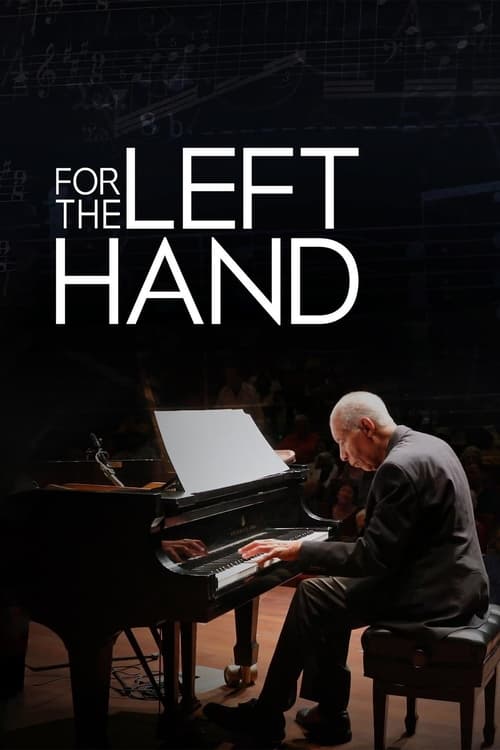
At age 10, aspiring pianist Norman Malone is paralyzed on his right side after being attacked by his father. Over the next several decades he masters the left-hand repertoire in secret, before a chance discovery of his talent leads him towards making his concert debut. Aged 78, he will perform the greatest work in the canon: Ravel’s Piano Concerto for the Left Hand.
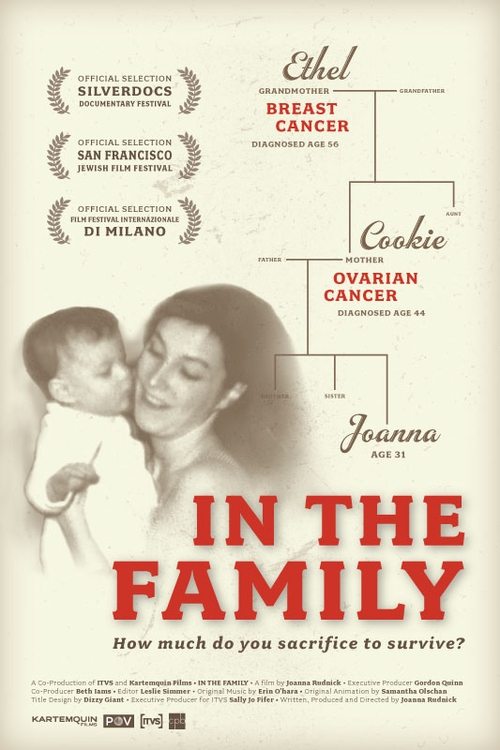
At 31, filmmaker Joanna Rudnick faces an impossible decision: remove her breasts and ovaries or risk incredible odds of developing cancer. Armed with a genetic test result that leaves her vulnerable and confused, she balances dreams of having her own children with the unnerving reality that she is risking her life by holding on to her fertility.
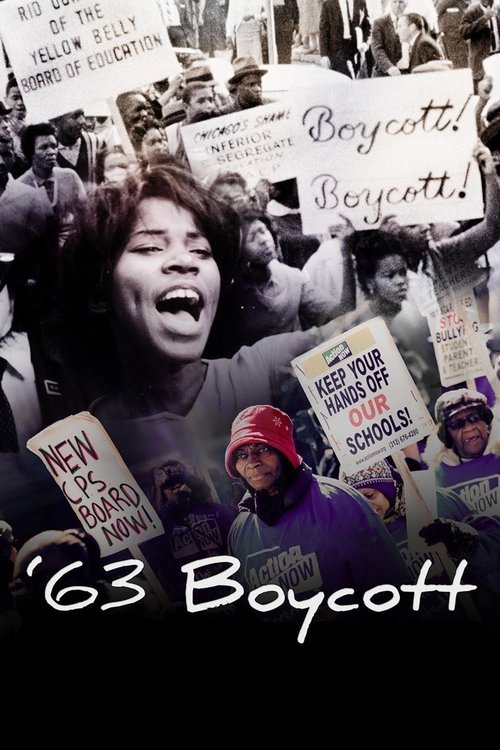
On October 22, 1963, more than 250,000 students boycotted the Chicago Public Schools to protest racial segregation. Many marched through the city calling for the resignation of School Superintendent Benjamin Willis, who placed trailers, dubbed ‘Willis Wagons,’ on playgrounds and parking lots of overcrowded black schools rather than let them enroll in nearby white schools. Combining unseen archival 16mm footage of the march shot by Kartemquin founder Gordon Quinn with the participants’ reflections today, ’63 Boycott connects the forgotten story of one of the largest northern civil rights demonstrations to contemporary issues around race, education, school closings, and youth activism.
A parish youth group in a lower middle-class Chicago neighborhood discusses parental authority, what growing up means and the difficulties of communicating with their parents.
Takes audiences behind the scenes of the new golden age of children’s picture books —a time when all children can see characters who look like them on the page; a time when creators come from diverse communities and backgrounds; and a time when instead of keeping the hard stuff out of stories for children, we put it in and provide context and counternarrative.