Jerry Blumenthal
Directing
Known For
Since its 1988 premiere, this critically acclaimed documentary series has presented hundreds of films that put a human face on contemporary social issues by relating a compelling story in an intimate fashion. "POV" has won virtually every major film and broadcasting award available, including 38 Emmys, 22 Peabody Awards and three Oscars.
POV
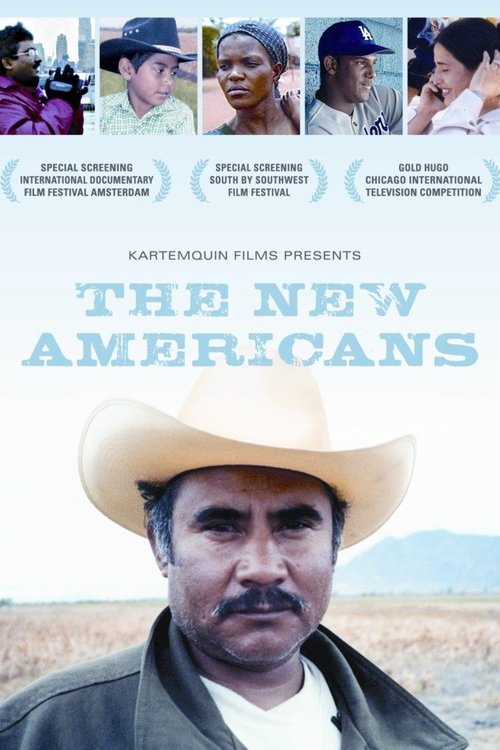
Four years in the lives of a diverse group of contemporary immigrants and refugees as they journey to start new lives in America.
The New Americans
Gang members, Vietnam vets, and young factory workers from Chicago's neighborhoods tell of their personal experience with racism- who gets hurt and who profits.
Trick Bag
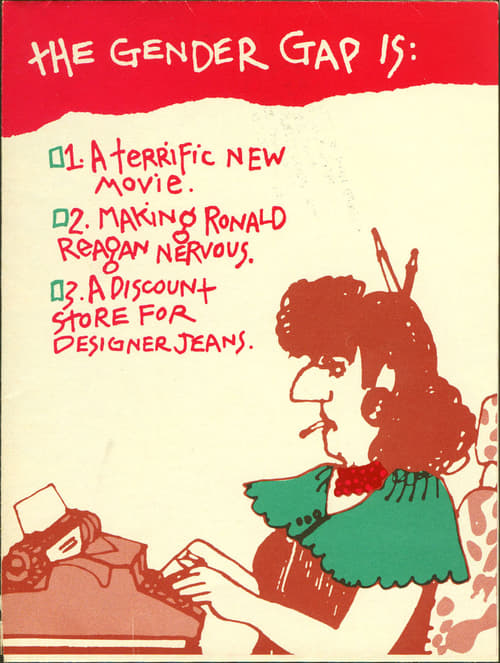
Filmmaker Jenny Rohrer explores the growing difference in voting patterns between men and women.
Women's Voices: The Gender Gap
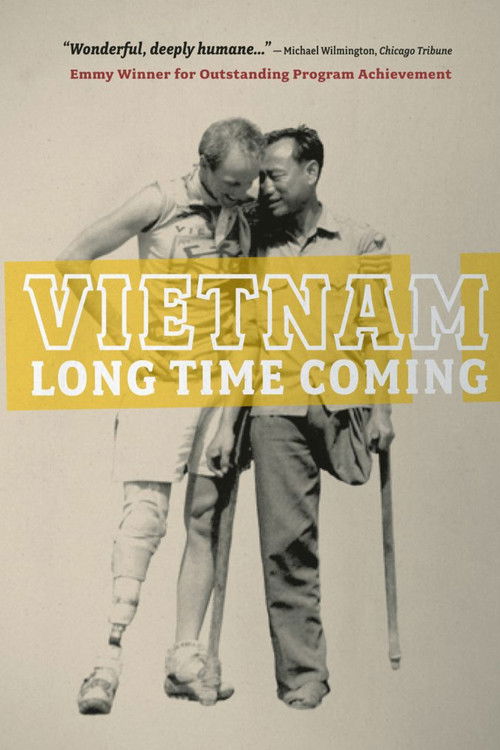
The last American officials were airlifted out of Vietnam from the embassy roof in Saigon in 1975. Most have never returned. In 1998, World T.E.A.M. (The Exceptional Athlete Matters) Sports organized a 16-day, 1100 mile bicycle expedition through once war-torn Northern and Southern Vietnam. A non-profit organization that focuses on events for the disabled, World T.E.A.M. Sports drew an array of veterans from the U.S. and Vietnam, as well as celebrity riders like Greg La Monde and Senator John Kerry. Those without use of their legs used special hand-powered bikes, while blind riders pedaled from the back of tandem bikes. What is immediately apparent on the veterans' arrival in Vietnam is that their biggest handicaps are the ghosts of their pasts. Past enemies ride as one team in peace across a landscape they once killed to stay alive on. Much more than a race, the ride is an exorcism; the real finish line is the painful emotional confrontation each must make alone along the way.
Vietnam Long Time Coming
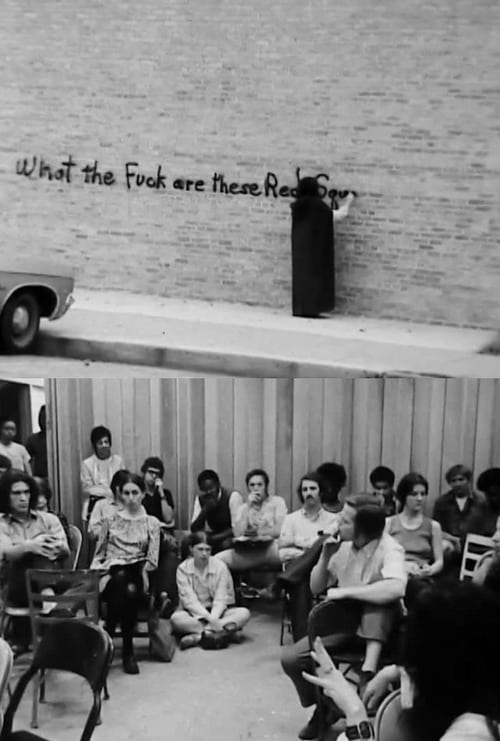
Striking students meet at a "Revolutionary Seminar" at the Art Institute of Chicago in response to the invasion of Cambodia and the killing of protesting students at Kent and Jackson State Universities.
What the Fuck are These Red Squares?
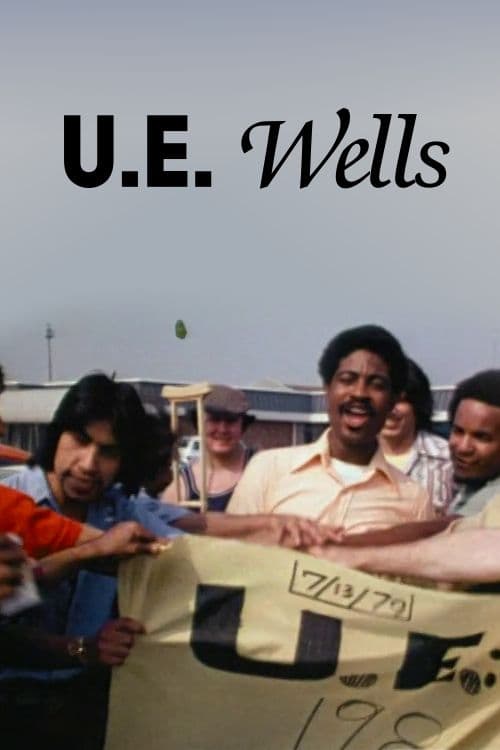
U.E. Wells follows an organizing drive by the United Electrical Workers Union at the Wells Foundry in Chicago. The multi-ethnic work force of Polish, Arab, Jewish, Hispanic and African American men and women unite together despite the company's efforts to use race as a wedge to divide them.
U.E. Wells
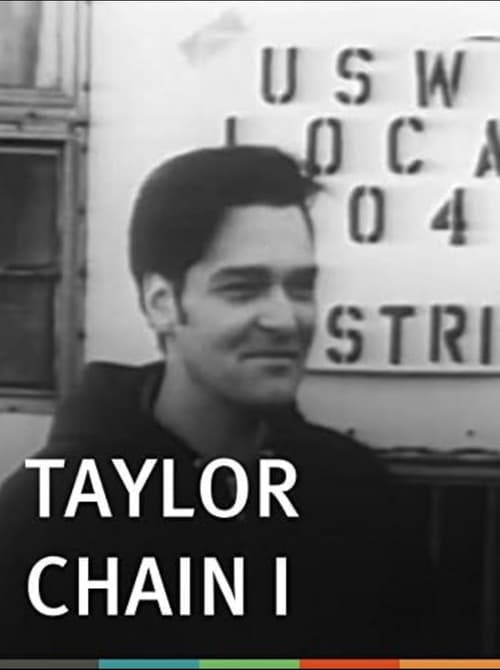
During a 7-week strike at a small Indiana chain factory in 1973-74, volatile union meetings and tension-filled interactions on the picket line provide an inside view of the tensions and conflicts inherent to labor negotiations. Circumstances delayed the film's release until 1980, after which a second installment would be produced focusing on collective bargaining.
Taylor Chain I: A Story in a Union Local
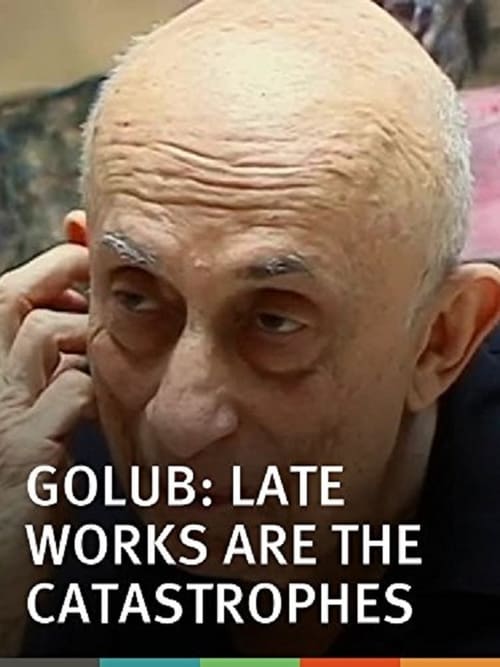
The work and times of American artist, Leon Golub from 1985 to his death in 2004, taking us from images of interrogations and torture to the ironies and dark humor of old-age.
Golub: Late Works Are the Catastrophes
For more than seventy-five years, the Chicago Maternity Center provided safe home deliveries for Chicago mothers. This film interweaves the history of the center with the stories of a young woman about to have her first baby and the center's fight to stay open in the face of the corporate takeover of medicine.
The Chicago Maternity Center Story

In 1968, striking students at the University of Chicago occupied an administration building. A year later, two expelled young women were asked by their former classmates to talk about the experience as a class project. The women confront the students about their convictions and how far they are willing to go to defend their values.
Hum 255
Leon Golub's massive canvasses depict scenes most of us would prefer not to see - mercenary killings, torture, and death squads. Golub offers not simply a profile of a painter with a political conscience, but an investigation into the power of the artist to reflect our times and to change the way we think about our world.
Golub
Now We Live on Clifton follows 10 year old Pam Taylor and her 12 year old brother Scott around their multiracial West Lincoln Park neighborhood. The kids worry that they'll be forced out of the neighborhood they grew up in by the gentrification following the expansion of DePaul University.
Now We Live on Clifton
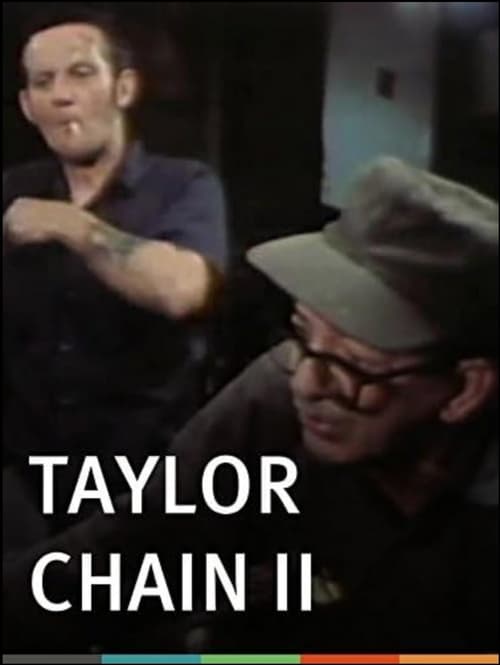
In 1981-2, the Kartemquin filmmakers returned to the Taylor Chain plant to show labor and management working together against the odds, trying to save the plant from becoming the latest victim of anti-union legislation and the globalization of cheap, exploitable labor. A sequel to Taylor Chain I: A Story in a Union Local.