FEEL IT.STREAM
Jan Lindkvist

Jan Lindkvist

Directing

Biography

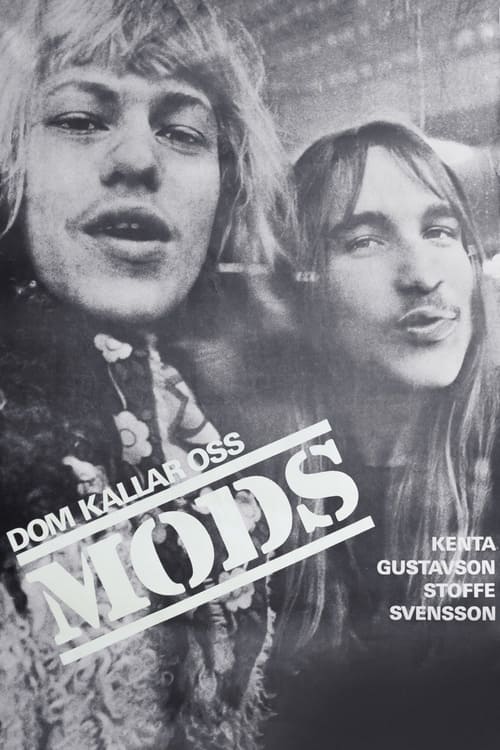
Jan Lindqvist, born 1941, in Säffle, is a Swedish filmmaker, director, cinematographer, and screenwriter, best known for his collaboration with director/writer Stefan Jarl in “Dom kallar oss mods/They Call Us Misfits” (1968). Jan Lindqvist made his first official documentary in 1962, “Medevi brunn”, was accepted at the Filmskolan in Stockholm where he met with Stefan Jarl. The two explored the offbeat parts of the city, made a couple of short documentaries on youth issues and became well known through the feature film “Dom kallar oss mods”. They used up the money they had made on the film to create the ultimate documentary called “Förvandla Sverige/ Transform Sweden”. In the 70’s Jan Lindqvist produced a couple of films with Marie Cederquist in Latin America. “Tiden är en dröm/ Time is a Dream” (1999) – a film about Sweden 1859-1879. Jan Lindqvist has received a large number of awards over the years
Known For

Off Track
6.1

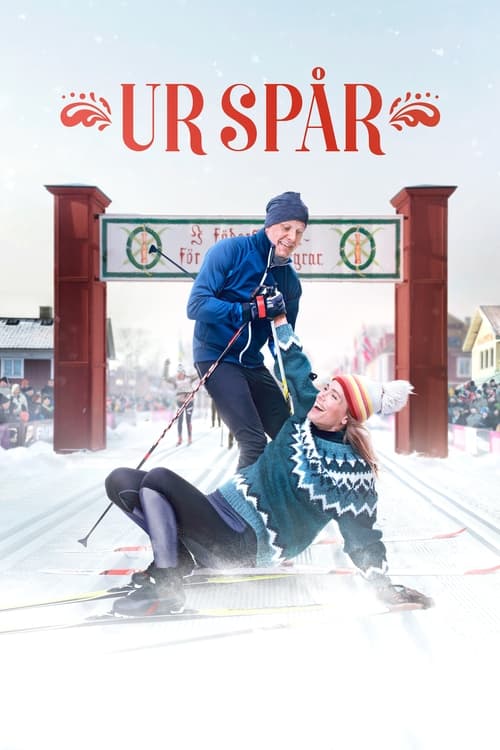
A mid-age hipster in Stockholm is a training freak and trains for the 90 km ski race Vasaloppet. His sister is the opposite, no job, drinks but has a daughter. Suddenly secrets reveals and promises are made.

Off Track

2022
Doggerland
N/A

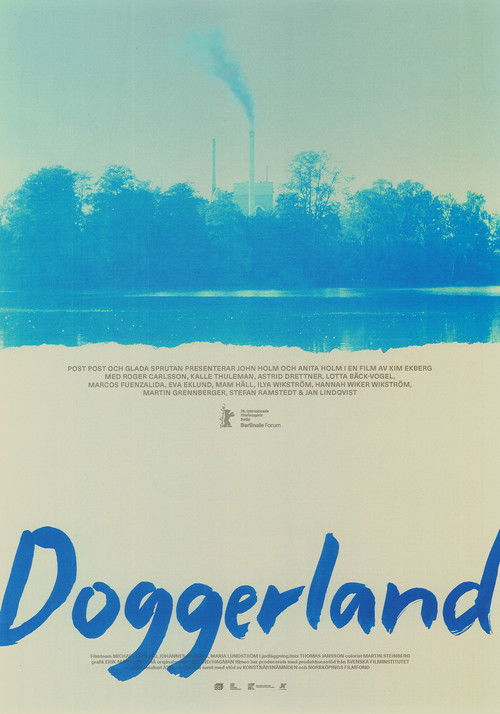
Instead of finding a “proper” job, Alf, pushing 40, lives with his mum and drifts though Norrköping’s cultural scene. Chats & faces, routines & intuitions, local politics & everyday life – the intimate and the social, in black-and-white analogue images.

Doggerland

2026
A Respectable Life
6.9

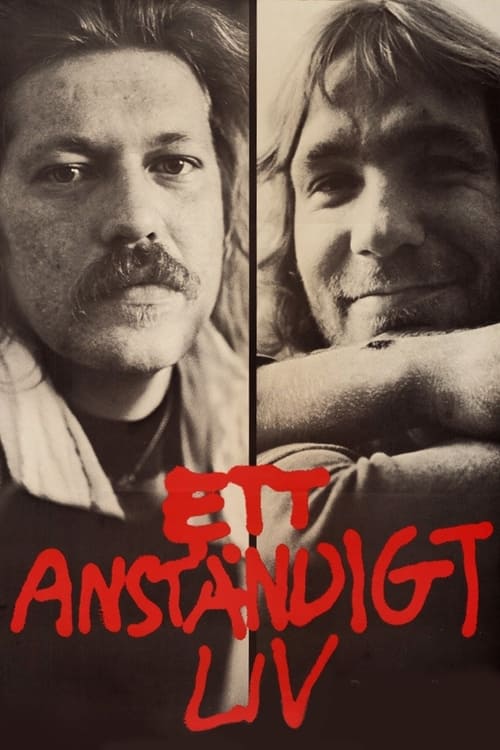
A decade has gone by and the spirit of the preceding film, Dom kallar oss mods, has disappeared. Kenta is an alcoholic and lives with his girlfriend Eva. Together they have a son, Patric. Kenta's mom is in jail for manslaughter and Kenta goes to Kronoberg to greet her. Heroin also comes to play and Stoffe is one of those who falls victim to it. He lives with his girlfriend Lena and their young son, Janne. Lena later throws Stoffe out their home when she gets enough of his abuse, and he is forced to live with his mother. Kenta calls Stoffe and decides to meet him, and he tries to persuade him to give up heroin, but the two have a falling out and they separate. This film features other users from the previous film, such as Jajje and Kenta Bergkvist. The film ends with the death of a prominent person in the trilogy.

A Respectable Life

1979
They Call Us Misfits
6.7

A documentary film depicting a group of young boys from Stockholm which live on the outskirts of society. The film is the first part of a trilogy.

They Call Us Misfits

1968
Transform Sweden
5.0

This is what the filmmakers say about the film: We wanted to make a feature film about the class society Sweden. But we were not allowed by the Swedish Film Institute. At least we filmed some and cut it together into a short film. The class society is included. And a lot about the meaning of the work or lack of meaning. Because that’s what it’s about: the power over our work. That can be discussed based on this film.

Transform Sweden

1974
¡Tupamaros!
5.5

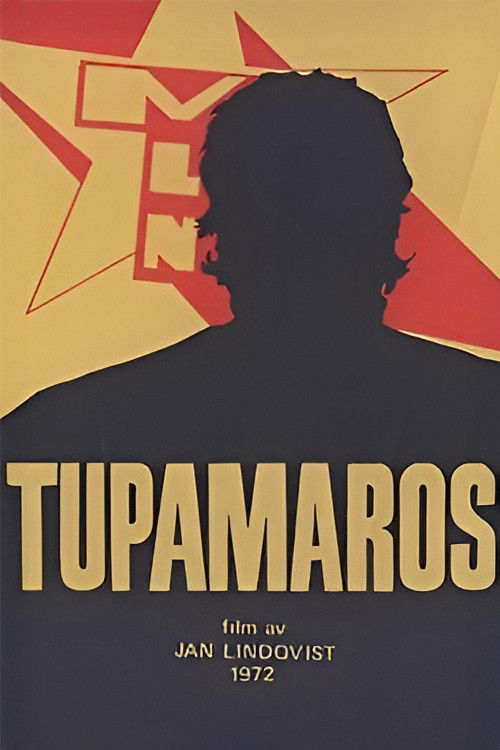
A documentary on the Uruguayan leftist urban guerrilla organization named Tupamaros. The documentary was shot during the height of their operations, in their midst. Contains the only known footage of the Prisíon Del Pueblo (the Tupamaros prison facility).

¡Tupamaros!

1974
Time Is a Dream: Part 1 Sweden 1859-1879
8.5

Jan Lindqvist's epic historiographic film project Tiden är en dröm/Time is a dream is an attempt to trace the birth of modern Sweden through the early still photographies from that time.

Time Is a Dream: Part 1 Sweden 1859-1879

1999
We Have Our Own Song - The Music Movie
9.0

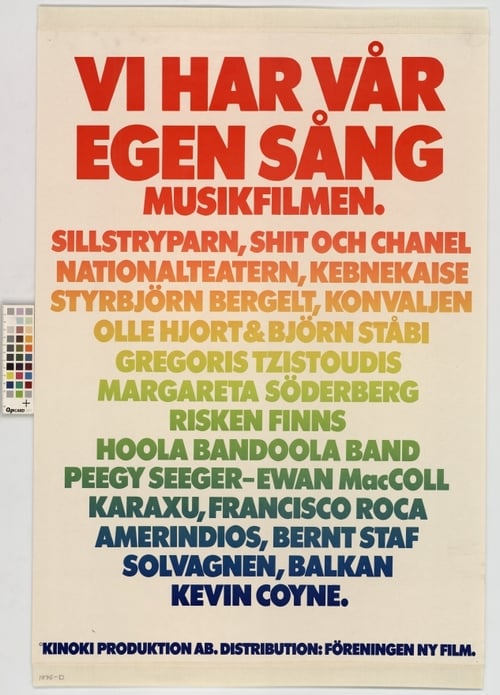
The film documents the alternative festival, made to protest against the Eurovision Song Contest held in Stockholm 1975. There are many Swedish and international artists on stage, as well as some clips from speeches, riots, civil wars, and the people at the song contest itself.

We Have Our Own Song - The Music Movie

1976
No image
N/A

Bolivia after Chen begins in medias res, with a long shot filmed atop a truck traveling up the Bolivian mountains to transport tin miners. It is a place where union organizing is prohibited, and where women and men, sometimes even children, can work up to 24 hours a day. This was the situation in the mines until the fall of 1969, when a socialist military coup shook the country. The question of whether the situation would really change is what Lindqvist explores in his film.

Bolivia efter Che

1970
Agripino
N/A

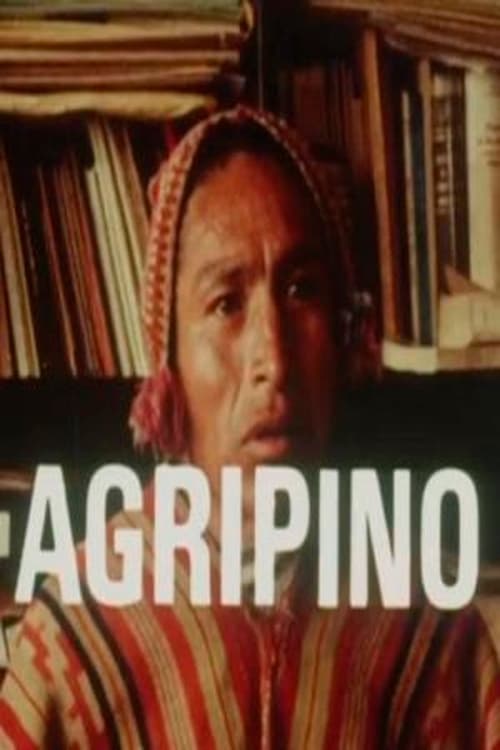
Depicts the struggle of the Peruvian indigenous people to get their land right, taken from them by a white landowners.

Agripino

1977
No image
N/A

No description available.

Medevi brunn

1962
Time Is a Dream: Part 2 Sweden 1880-1900
8.3

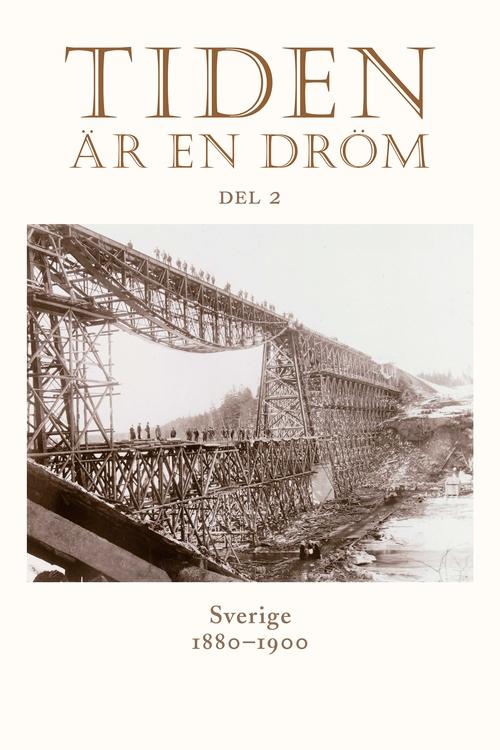
The second part of Lindqvist's "Time Is a Dream." In the mid-19th century, photography came to Sweden.

Time Is a Dream: Part 2 Sweden 1880-1900

2014
Snutarna
N/A

A hot summer evening at a youth club in the city of Stockholm. 13 youngsters talk about their experiences of police violence and their views on the police.

Snutarna

1966
No image
N/A

No description available.

Soporna

1971
No image
N/A

No description available.

Bojkott

1975
No image
N/A

No description available.

Liten lantförsamling

1964