Martin Červenka
Writing
Known For
No description available.
Osudové lásky
Ancient mysteries, new findings and state-of-the-art scientific methods on the way to sensational discoveries. Actor Jan Novotný searches for the greatest secrets of Bohemia, Moravia and Silesia.
Czech mystery
No description available.
Klenoty příhraničí
No description available.
LEGIE 100
On October 11, 1424, Hussite commander Jan Žižka breathed his last breath near the castle in Přibyslav. With a little exaggeration, it can be said that he never actually died, as he immediately entered national mythology as the prototype of a brilliant military leader and a true Czech. The revolutionary events then took a slightly different course than he would have liked, but his legacy remained ever-present among the Hussites. To this day, Žižka lives on in our society, with books written and films made about him. But even after 600 years of uninterrupted interest, a significant question mark remains over the Trocnov warrior: What was he really like? A deeply religious warrior of God, or just an ordinary medieval cutthroat? Leading Czech historians, headed by Professor Petr Čornej, are attempting to answer this question.
Žižka – Hrdlořez i boží bojovník
No description available.
Slasti a hořkosti mistra Švabinského
No description available.
Zrezivělá krása
No description available.
Průšvihy první republiky
No description available.
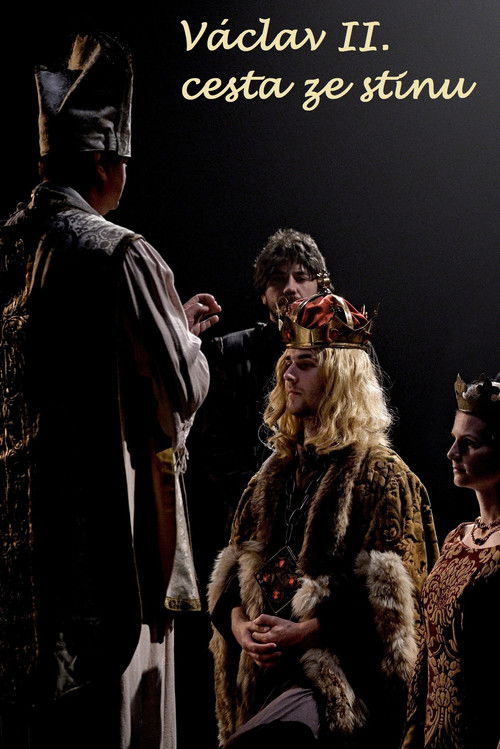
Václav II. – cesta ze stínu
No description available.
Disident bez kotolne
No description available.
Dva muži v roce jedna
No description available.
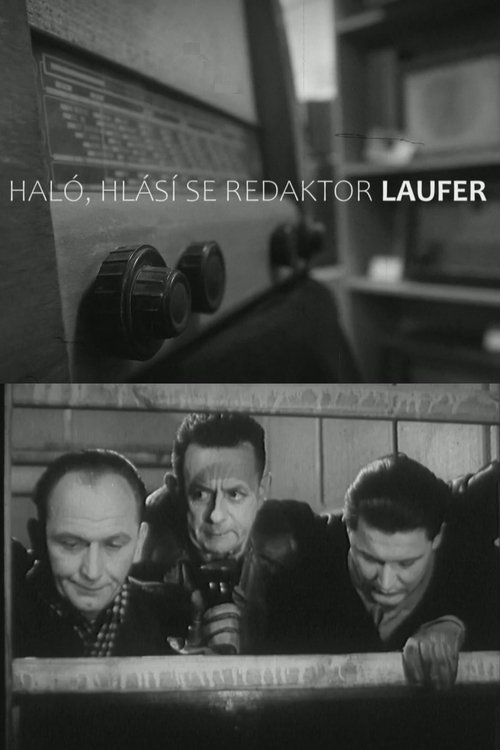
Haló, hlásí se redaktor Laufer!
No description available.
Všechny příští Černobyly
No description available.
Frontoví kameramani na Slovensku
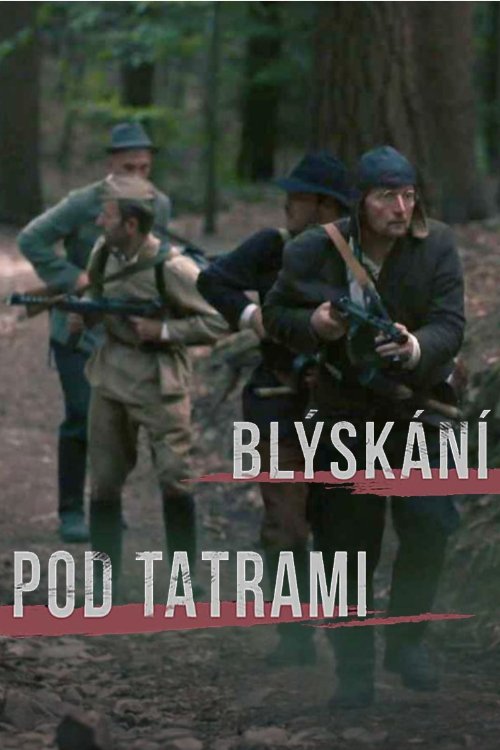
Protagonists and new context of the insurrectionary drama in the critical interpretation of contemporary Slovak and Czech historians. In postwar Czechoslovakia, the image of the Slovak National Uprising (SNP) was subordinated to the ideological needs of the Communist Party and the objective interpretation only allowed the free conditions after 1989. While in the Czech countries this event disappears from general awareness, for Slovaks, it remains a key aspect of modern history. The current interpretation describes the insurrection not only as a Slovak struggle with fascism and German Nazism, but also as a duel about the form of the next Czech-Slovak relations.