Margaret Raspé
Directing
Known For
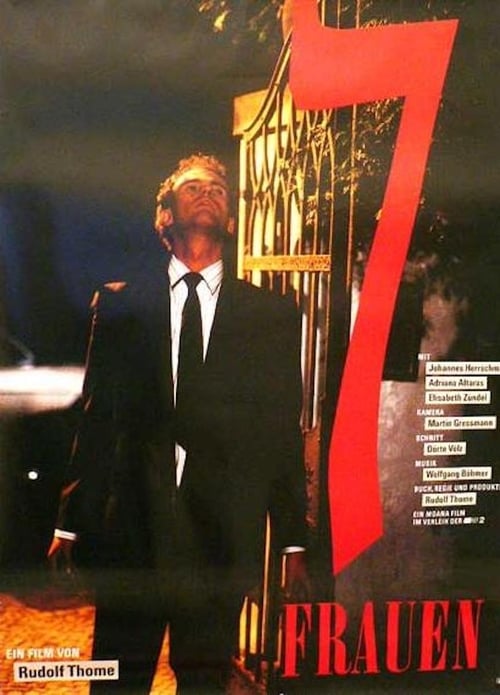
Hans Hummel abandons a South Sea paradise and returns to his old homeland to trace his deceased father's path in life. His father has not only bequeathed him a large house and valuable documents, but also a type of treasure map in the form of a computer with the corresponding program. While he is involved in this treasure hunt game, he meets up with seven women - the family in the neighbouring house, who support him both in a business as well as in a personal sense. But instead of delighting in his new found wealth, he trades money, gold and millions for happiness - just like in a fairy tale.
Seven Women
No description available.
Anastenária - das Fest der Feuerläufer von Lagadás
No description available.
Oh Tod, wie nahrhaft bist Du
No description available.
Selbstportrait und vice versa
No description available.
The Sadist Beats the Unquestionably Innocent
No description available.
Die Selbstbewegung des Frautomaten, oder Schein bleibt Schein
No description available.
1. Mai Berlin-Kreuzberg
No description available.
Rückprojektion

No description available.
Backe, backe Kuchen
No description available.
Blau auf Weiss
This was the the first film I made with the camerahelmet, after I had meditated for a long time on aggression in the kitchen. – M.R.
Schweineschnitzel
No description available.
Gelb, Rot und Blau entgegen
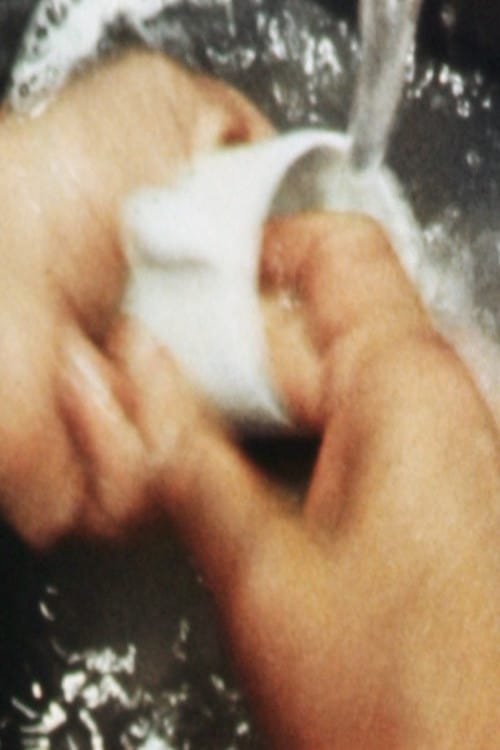
Housework seen from a radically subjective point of view. The film shows a woman’s hands busy washing the dishes, which include a white porcelain cup in the shape of a woman’s body. Monika Treut said of the film in 1978 that “something very familiar suddenly comes at us from the screen as something completely unusual”. It was shot with Margaret Raspé’s famous “camera helmet”, which had an Agfa Super 8 Microflex camera attached to it, placing the viewfinder in front of the eye.