Vladimír Sís
Directing
Known For
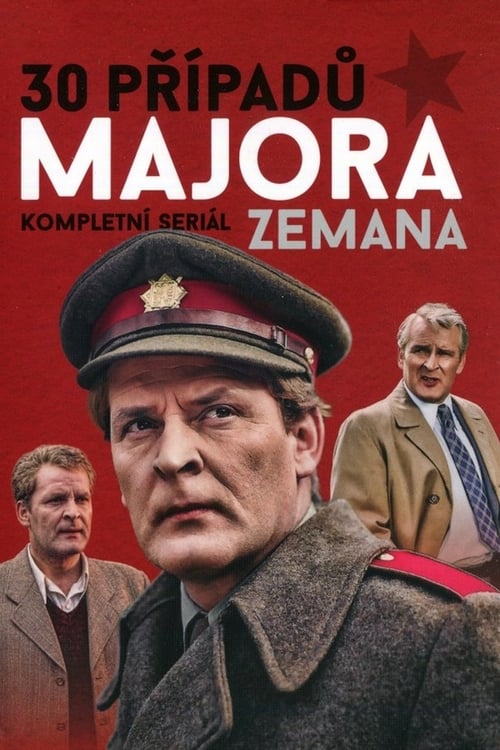
Thirty Cases of Major Zeman is a Czechoslovak action-drama television show intended as a political propaganda to support the official attitude of the communist party. The series were filmed in the 1970s. Each episode encompasses one year, and investigations are stylized to that year. Most are inspired by real cases. The series follows the life of police investigator Jan Zeman during his career from 1945 to 1975.
Thirty Cases of Major Zema
No description available.
Hříšní lidé města pražského
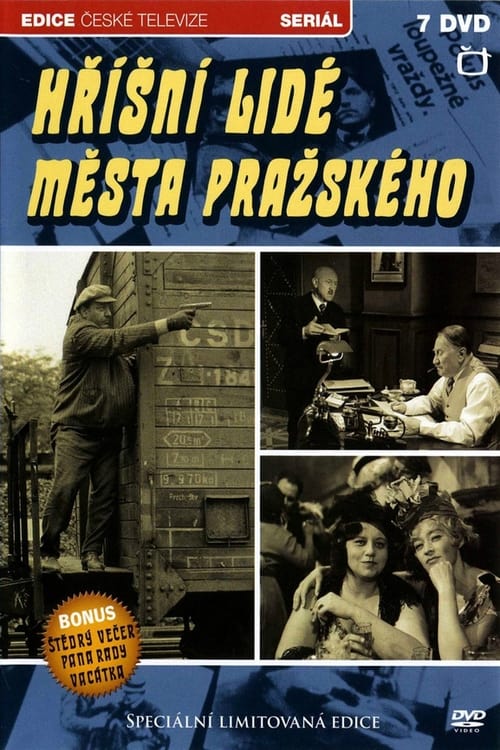
Prague in the 1930s. A young, pretty girl gets on a crowded tram. She immediately catches the attention of a young man who not only appreciates the girl's charm, but also tries to steal her handbag discreetly. And so we meet one of the main characters of the film, a swindler, pickpocket and generally strange being Josef Kořínek alias Pépi. In addition to him, the story is populated by other characters from the Prague outskirts. Of course, the film also features the shrewd councilman Vacátko and his inseparable investigators Brůžek and Bouše. They have a sad duty - to track down the murderer of the collector Krále, who was found dead and who lost a sum of money on the way from the bank that could interest many people from his surroundings...
The Death of Black King
The 50th anniversary of the Barrandov studios was celebrated with a spectacular show: many directors and other important people gathered in the expensive decorations of the Variety Theatre auditorium (built for the Circus Humberto series). They smiled and showed well-deserved relaxation after a job well done in managing socialist cinema. Vladimir Sís interspersed this with excerpts from films, mainly his own and also a little of others who had worked on the "Hill of Dreams".
Barrandovské nokturno aneb Jak film tančil a zpíval
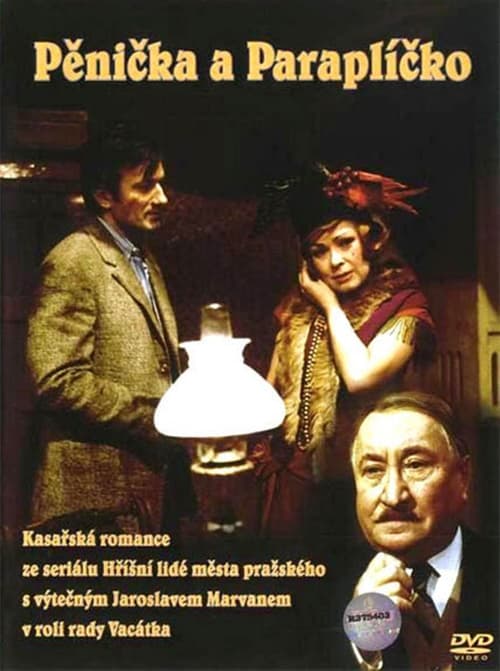
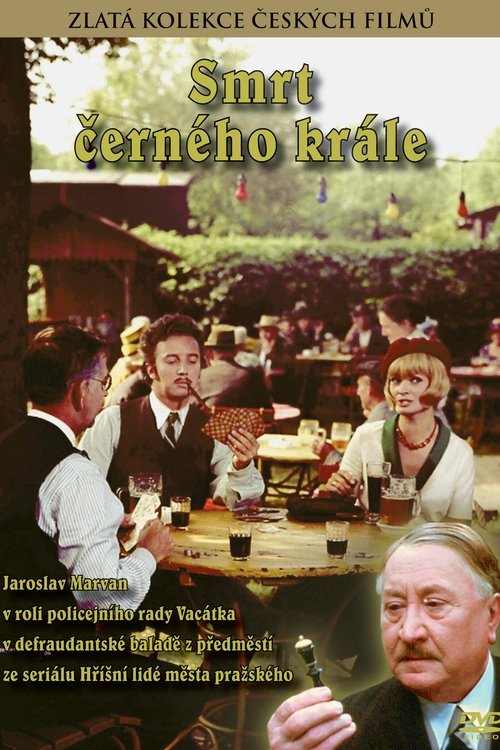
In the morning twilight of Prague, the dead body of the safe-breaker Toufar is found floating on the river Vltava with a knife in his back. Police inspectors visit Toufar's lover, the prostitute Anna Kulatá (Jirina Bohdalová), nicknamed Umbrella, and it is apparent that the moment before she opened the door of her flat, someone fled through the window. Umbrella is summoned for examination to the head of the criminal police - Police Councilman Vacátko Jaroslav Marvan, but although shocked by the photograph of the dead man, she does not confess to anything. Before Toufar, Umbrella lived with the safe-breaker Penicka (Radoslav Brzobohatý), who loved her very much and made her quit her street trade. But when he was sentenced to three years' imprisonment, Umbrella began to live with the brute Toufar, who chased her to street again. In the case of the murder, Penicka is therefore the prime suspect.
Burglar and Umbrella
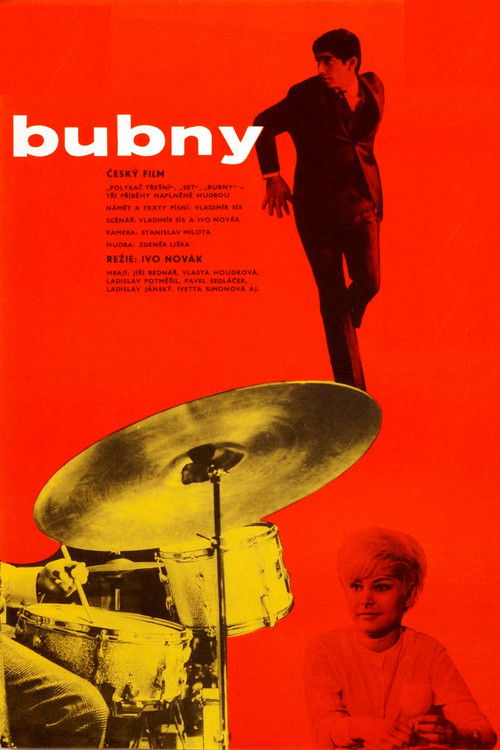
An anthology in three jazz-infused tales: an idealistic student’s romance with a pragmatic trumpeter; a vibraphonist’s urgent journey ending in tragedy; and drummer Honza’s moral dilemma as he confronts how far he’ll go to obtain his dream kit.
Bubny
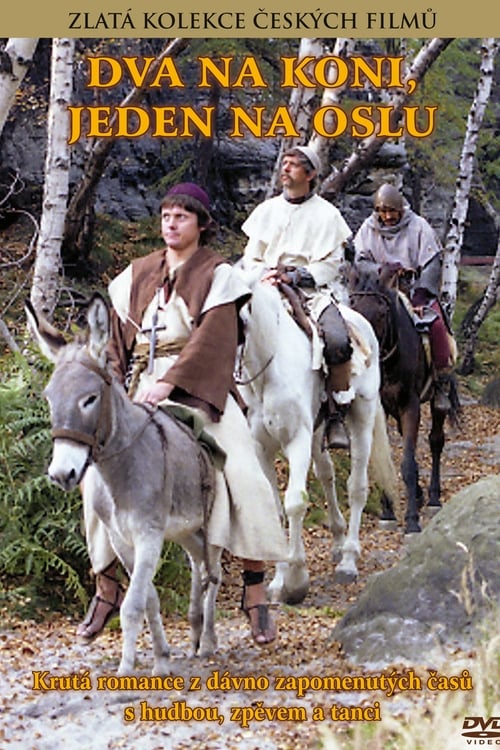
The musical version of the successful play of Oldřich Daněk was transferred to the screen by director Jiří Sequens in 1986. It takes place in the 14th century in Bohemia during the reign of King Wenceslas IV. Heroes of the story are three mercenaries who always fight on the wrong side and are always beaten, but they are moral winners of all conflicts and skirmishes.
Dva na koni, jeden na oslu
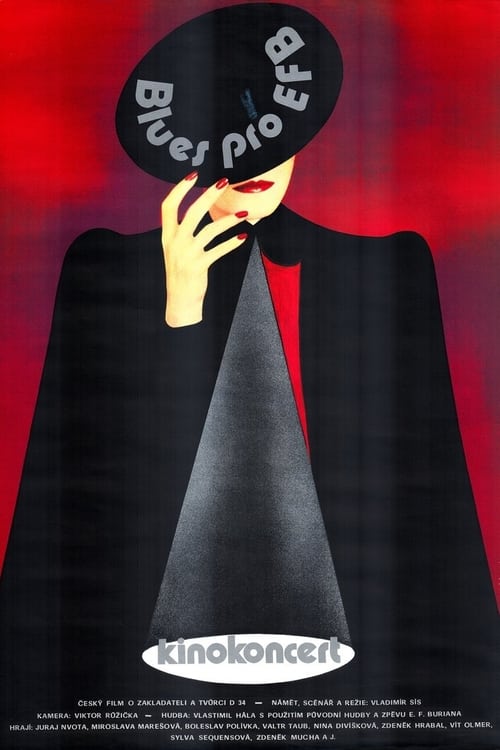
An image and music collage - a cinema concert - guided by a young sound engineer David, for whom the exhibition on E. F. Burian is an incentive to take more interest in this avant-garde artist. The film interweaves two strands - documentary and factual, drawing on contemporary material and archival images - and fictional with the story of David the sound engineer.
Blues pro EFB
No description available.
Rodeo
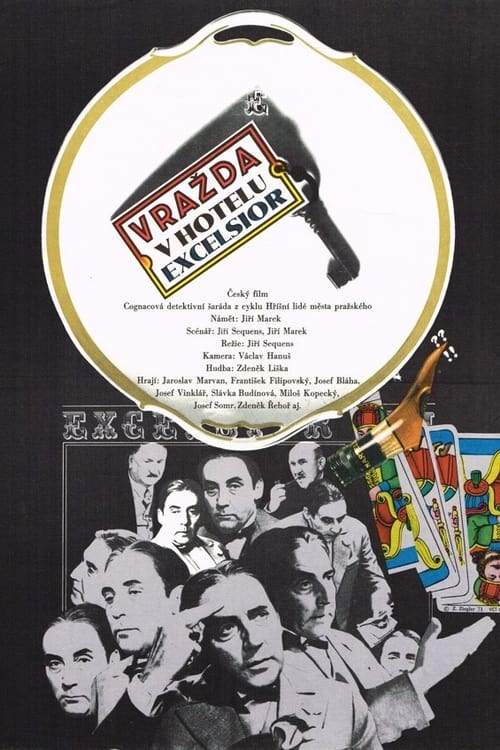
In Vražda v hotelu Excelsior, the interwar period homicide detective squad from Prague investigates the murder of a wealthy woman, Mrs Matoušová, which threatens the reputation of the eponymous luxury hotel popular with Prague’s elite. Even the retired police inspector Mrázek (František Filipovský), who works at the Excelsior as a hotel detective, is unable to help at first. Although the investigation inevitably uncovers the hotel staff’s scheming, Vacátko and his team unerringly follow the trail that leads them to the murderer…
Murder in the Excelsior Hotel
No description available.
Jonáš II aneb Jak je důležité míti Melicharovou
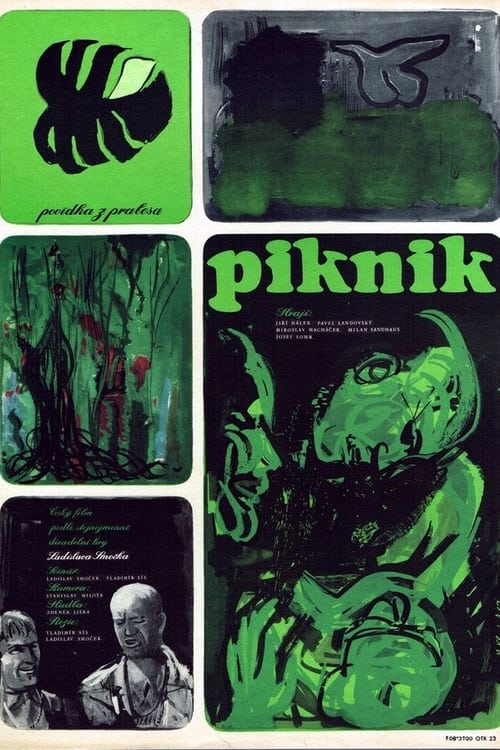
Pacific Island - 1945. Five American soldiers were sent to reconnoiter the Japanese rear. Surrounded by unpredictable jungle and terrible heat, they have been moving in unknown territory for over two weeks in order to find the enemy. Commander Grackmiller, due to the fatigue of the rest of the platoon, takes it upon himself to scout the area ahead of them, and the soldiers Smile, Burda, Tall and Rozden are to wait for him and hold position. The heat to kill, exhaustion and nervousness soon begin to take a toll on their sanity and morale. Unafraid to say anything to each other's faces, vigilance and caution are completely gone and paranoia and suspicion take over instead. After a while, strange noises start coming from the jungle, which Smile goes to investigate, and comes back pale as death...
Piknik
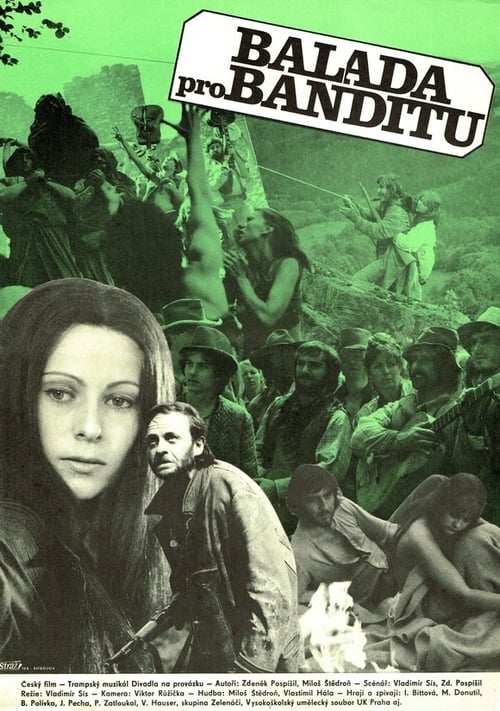
The film version of the theatre musical production by the "Divadlo na provazku" in Brno tells the tale of legendary bandit Nikola Šuhaj from Koločava.
Ballad for a Bandit
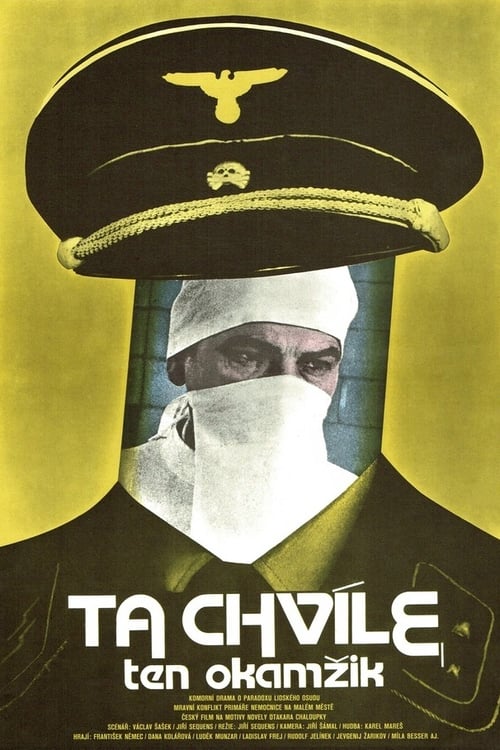
Autumn 1944. A doctor is accused in the collaboration with the Nazis and found guilty...
That Instant, That While
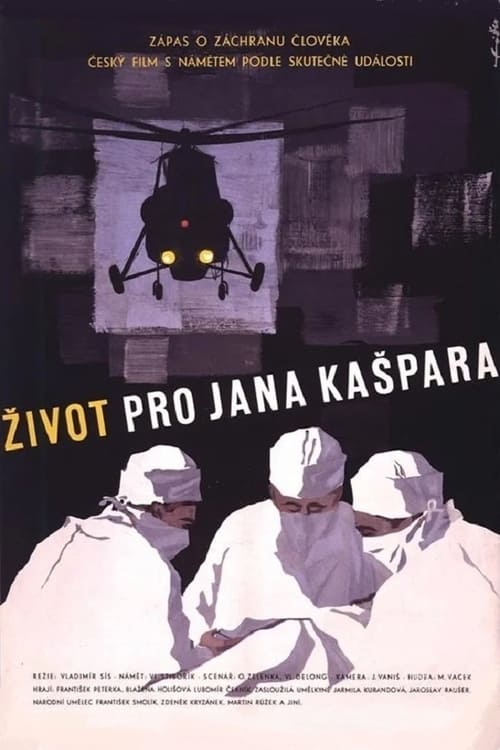
The bridegroom Jan Kaspar is an officer in the Klement Gottwald's Nová Hut rolling-mill. After bidding farewell to his freedom, he accidentally takes a sip from the bottle of tetrachlore which he stores at home. He disregards the dizziness, but the next day, he faints in the factory and has a brain concussion. During her regular tests, doctor Dudková is shocked by a high percentage of residual nitrogen found in Kaspar's blood. Doctor Bohácek, with whom Dudková consults, thinks that it is a liver disease and informs the head physician Filip. The doctors know nothing about tetrachlore and are in the dark about the case. Despite that, they immediately start to fight for Kaspar's life and their struggle consequently affects their personal lives.
Life for Jan Kaspar
No description available.
Zlatá ručka
No description available.
Dýmka míru

No description available.
The Road Leads to Tibet
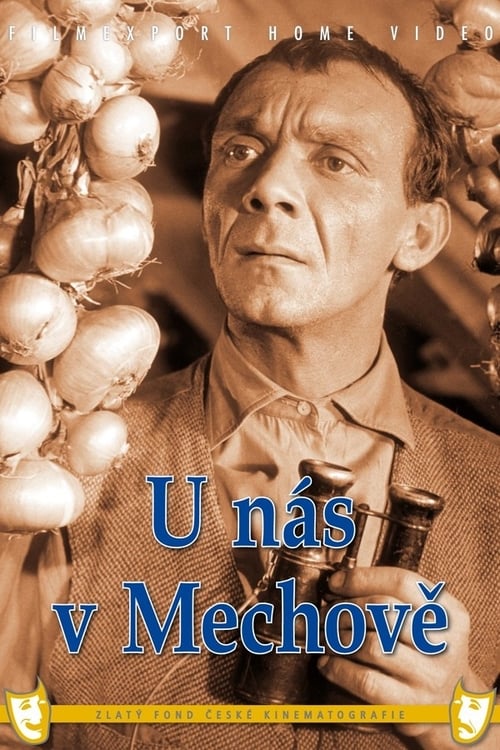
A rumour that a large holiday resort is supposedly being built on the banks of the local pond causes confusion among the villagers.
U nás v Mechově
The film recording of the ballet performance of the State Theatre in Brno was expensively realized in a theatrically stylized set built in the Barrandov studios. The original ballet music by Václav Trojan, based on Shakespeare's fairy tale comedy, was preceded by incidental music for theatre and radio, and in particular the soundtrack to Jiří Trnka's feature-length puppet film A Midsummer Night's Dream.