
Francesca Archibugi
Directing
Known For
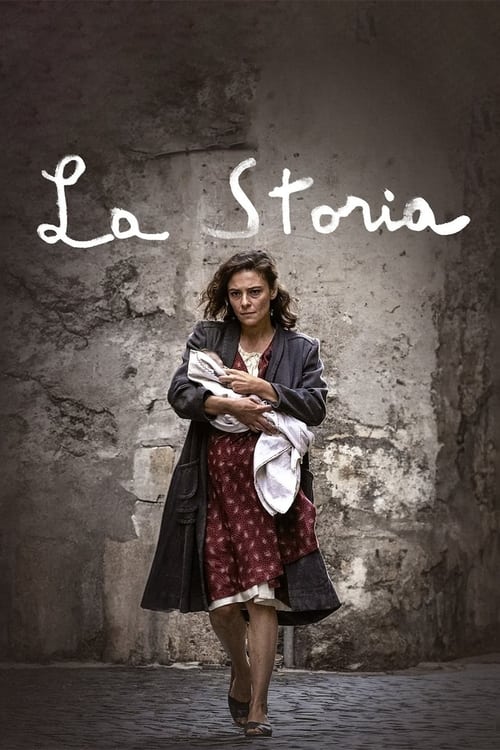
Ida, a single mother of two sons, hides her Jewish heritage and fights against poverty and persecution during the end of World War II and post-war Rome.
The Story
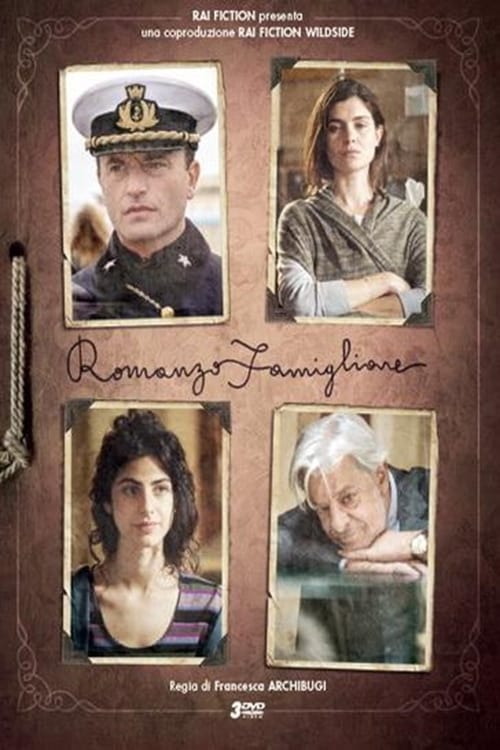
No description available.
A Family Tale

A runaway couple go on an unforgettable journey from Boston to Key West, recapturing their passion for life and their love for each other on a road trip that provides revelation and surprise right up to the very end.
The Leisure Seeker

Young terrorist Laura shoots both a judge and a comrade, and over time her violent act becomes a thread linking the lives and fates of several other women. Each has her own secret, including the lawyer who listens to Laura as if in a ‘trance’: moments before, she discovered her husband was cheating.
Secrets Secrets
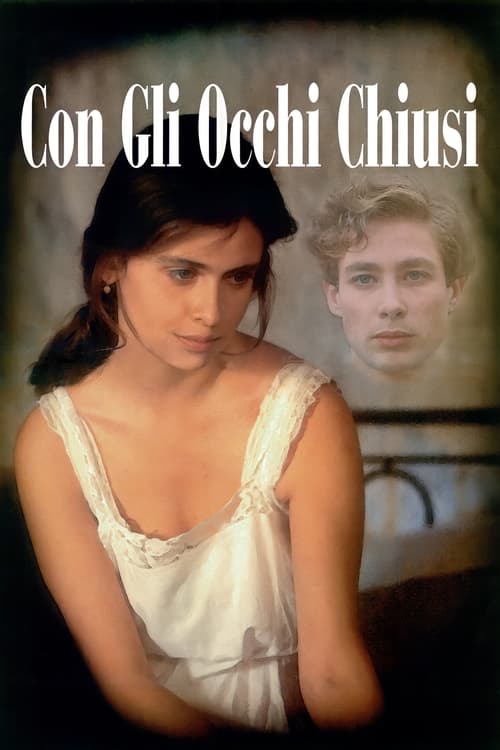
In the Tuscan countryside at the end of the 19th century, Pietro, the shy son of a tyrannical landowner, falls in love with Ghisola, a peasant girl with no family. His father has her sent away. Years later, the two meet again: still in love with her, Pietro would like to marry her, but she has become the mistress of a married man.
With Closed Eyes
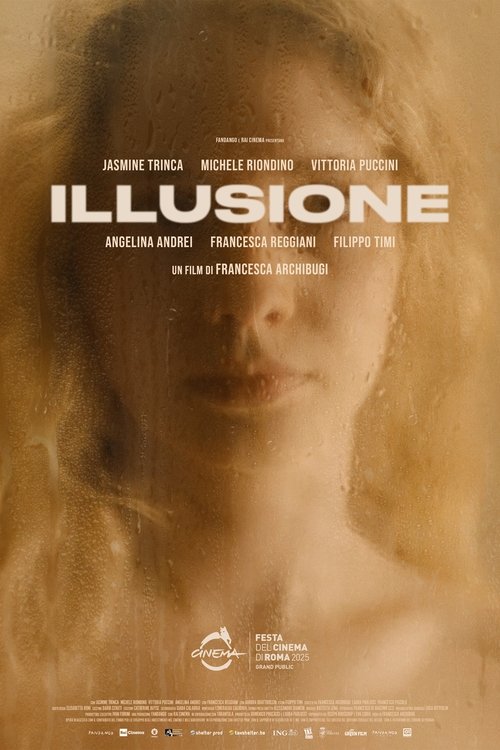
Perugia. The police are carrying away the body of a young woman when they hear a sigh: Rosa Lazar is still alive. The assistant district attorney Cristina Camponeschi and psychologist Stefano Mangiaboschi investigate, but Rosa seems unaware of the attack she has endured and hides the truth. For Cristina, the girl is the key to an international crime ring; for Stefano, the start of an inner journey that will lead him to reveal the true enigma of Rosa Lazar.
Illusione
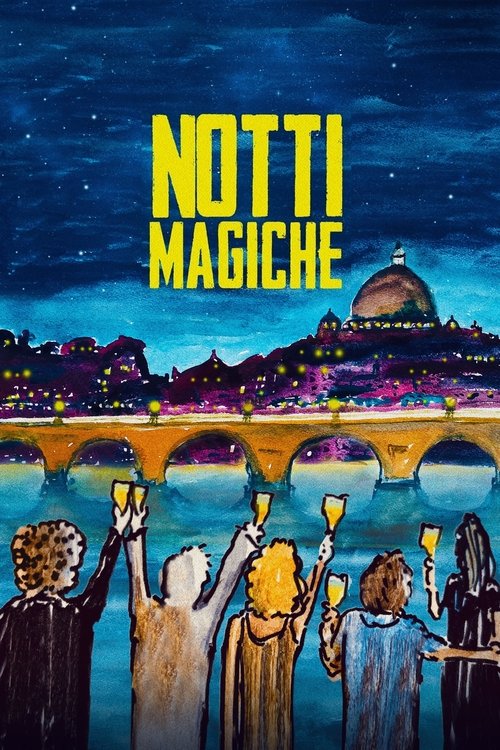
Rome, 1990. The night Italy's national football team is eliminated from the World Cup by Argentina on penalty kicks, a well-known film producer is found dead in the Tiber river. The main suspects for the murder are three young aspiring screenwriters, who–promptly taken to the police–start to tell their version of the story.
Magical Nights

Everyone in Marco's life seems constantly restless, from his brilliant but unhappily married parents to his own wife Marina, or even Luisa, the real love of his life, a girl he met during a fateful summer in the '70s and always stayed in touch with. Tragedy and fate seem to haunt him, yet he somehow manages never to get ensnared in the chaos—like his namesake, “the hummingbird”, he focuses all his energy at standing still.
The Hummingbird

Two mental patients with opposite personalities ditch their Tuscan hospital and embark on an unpredictable exploration of the real world.
Like Crazy
At the beginning of the 20th century, a junior resident takes an interest in a newly-arrived patient, a young Italian woman who has mysteriously developed schizophrenia. To identify the causes of her condition, he employs psychoanalytic methods to dig into her sexual past, despite objections by the old-fashioned chief physician.
The Wicked
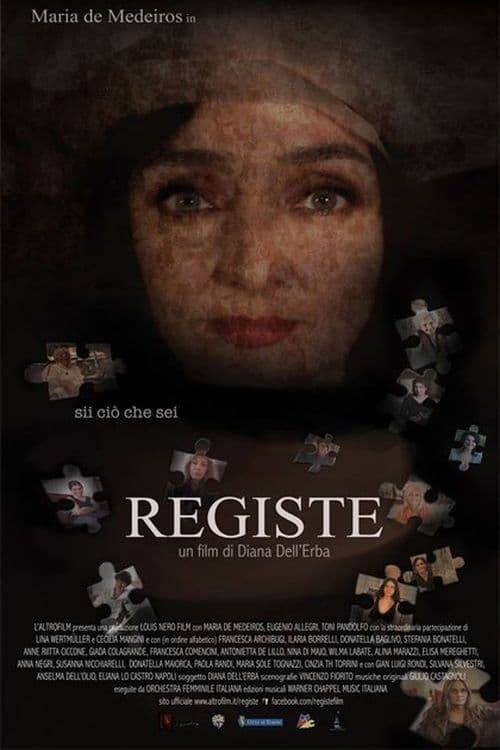
Registe, talking on a blade is an Italian documentary about the Italian Cinema signed by women and about the pioneer of the Silent Cinema Elvira Notari (1875-1946) plays by Maria De Medeiros. The directors interviewed are the most important Italian women directors: Lina Wertmüller, Cecilia Mangini, Francesca Archibugi, Francesca Comencini, Wilma Labate, Cinzia Th Torrini, Roberta Torre, Antonietta De Lillo, Giada Colagrande, Donatella Maiorca, Ilaria Borrelli and others.
Women Directors

In Rome it hasn’t rained for three years and the lack of water is overturning rules and habits. Through the city dying of thirst and prohibitions moves a chorus of people, young and old, marginalised and successful, victims and profiteers. Their lives are linked in a single design, while each seeks his or her deliverance.
Dry

An epileptic 12-year-old girl, Pippi, is hospitalized in the psychiatric ward instead of the neurological ward, due to an administration error. Out of this mistake begins the difficult journey towards being cured.
The Great Pumpkin
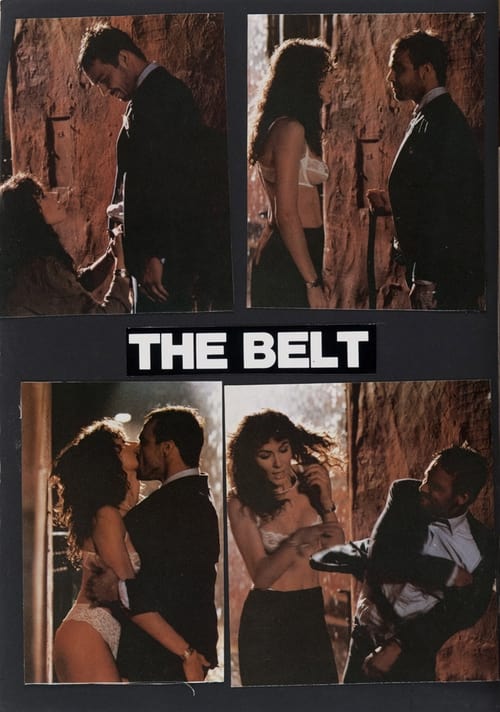
Vittorio, an American novelist teaching in Rome, meets the beautiful but damaged Bianca and they rapidly fall into an urgent, tempestuous affair. He's hesitant over their relationship since she seems to thrive on conflict and is constantly baiting him into physical altercation. Bianca gives Vittorio an exquisite leather belt as a gift; he knows immediately that she wants him to whip her with it. Driven by his craving for her, Vittorio complies to Bianca's desire. Their relationship escalates into a dark realm of S&M which becomes more and more self-destructive.
The Belt
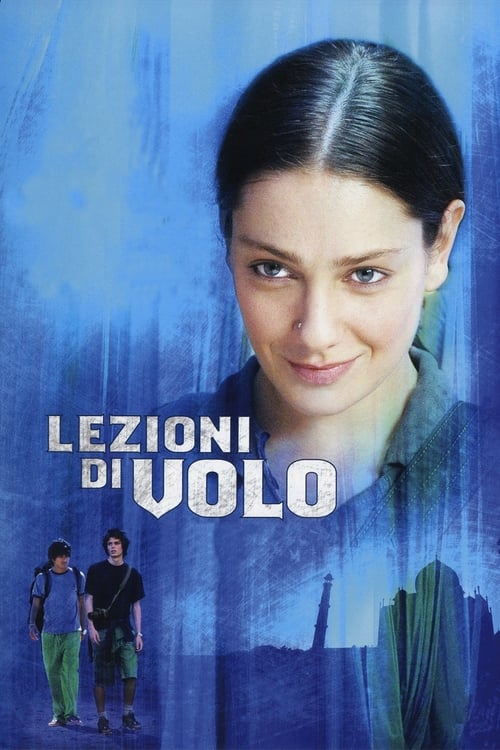
A pair of teen friends – known as "Chicken & Curry" because they are virtually inseparable – fail their high school finals and try to cover it by claiming that Curry is in the midst of an identity crisis that can only be solved by a visit to his ancestral homeland, India. While the ruse works wonderfully on their parents, this impromptu journey of self-discovery takes an unexpected detour when Curry locates his biological sister and remains captivated by the country he first despised, and Chicken falls for an older doctor working for Médecins Sans Frontières.
Lezioni di volo
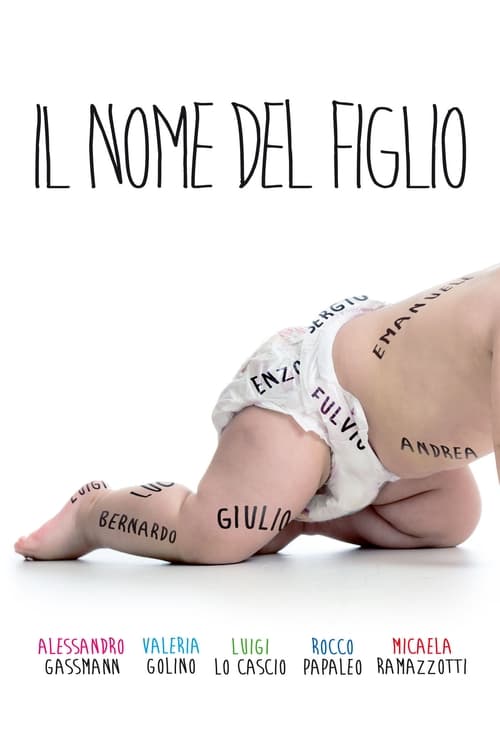
Paolo is an outgoing and handsome real estate broker married to Simona, a beautiful woman from the rough outskirts of Rome who has become an author of spicy bestsellers and is pregnant with their child. Betta, Paolo’s sister and her husband Sandro organise a dinner party with Paolo, Simona and their childhood friend, the eccentric musician Claudio. During the lively gathering Paolo reveals what he would like to name his son, causing reactions to steam up and a torrent of revelations to follow reaching climactic proportions.
An Italian Name

A portrait of the mythical Italian actor Marcello Mastroianni (1924-96), a unique performer who was one of the kings of European cinema.
Marcello Mastroianni, the Ideal Italian
Italian TV mini series
What Is to Be Done?
A three-episode adaptation of Goethe's novel.
Elective Affinities
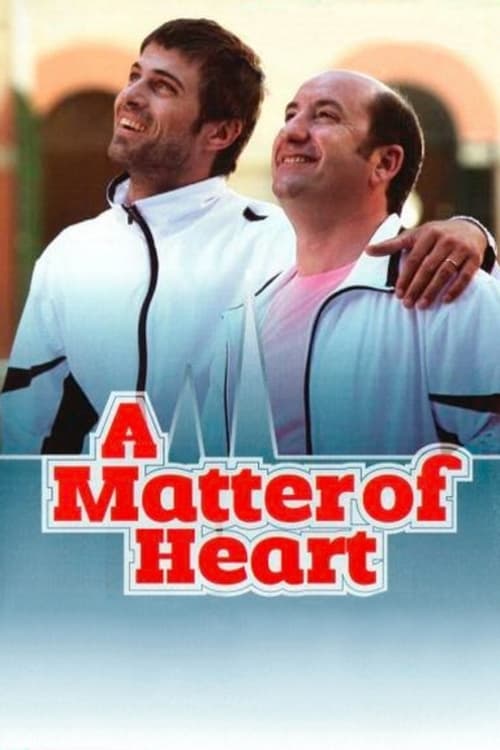
Garage owner Angelo and big-time film producer Alberto find themselves occupying neighbouring beds in a Rome hospital after suffering heart attacks. Alberto is a gregarious joker - and chain smoker - who has a strong effect on the impressionable Angelo. However, as one of the men's condition deteriorates, the other becomes more deeply involved in his personal life.