
Sława Kwaśniewska
Acting
Known For
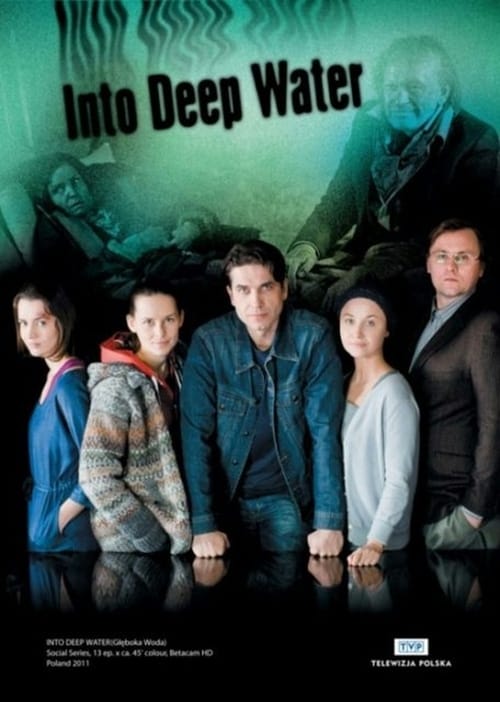
A group of social welfare workers led by their new director tries to provide necessary aid to people struggling with various problems.
Into Deep Water
No description available.
Kuchnia polska
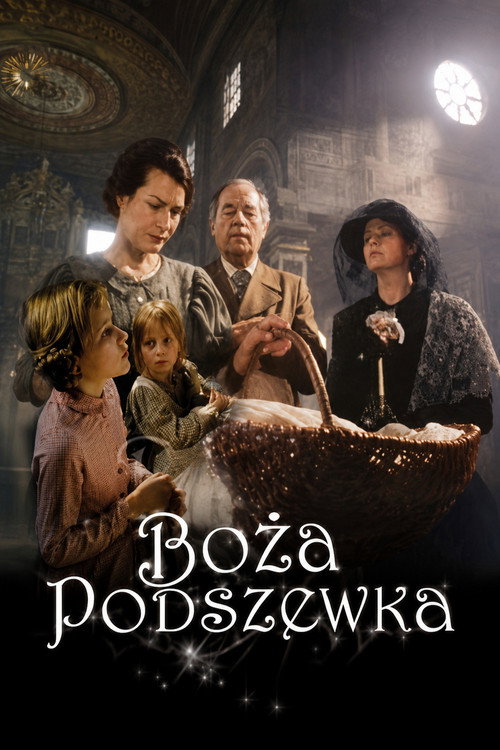
God's Lining presents the dramatic fate of Marianna Jurewiczówna, her family, and the inhabitants of the Vilnius region from 1900 to 1945. The series begins in 1900, when Marianna, the youngest child of Maria and Andrzej Jurewicz, is born. Through Maryśka's eyes, we meet a succession of characters passing through the manor: the order-takers (Bartłomiej), the slackers (e.g., Mickiewicz), the peasant farmhands (e.g., Antośka), the servants (e.g., Walunia), and various misfits, rejected and ridiculed (e.g., the foolish Maryla), just like the main character. Marianna Jurewiczówna is called "niedonosek" by her family because of her premature birth; she feels unloved and rejected, misunderstood, and different. The series concludes in 1945, during the so-called first repatriation.
Boża podszewka
No description available.
Pogranicze w ogniu
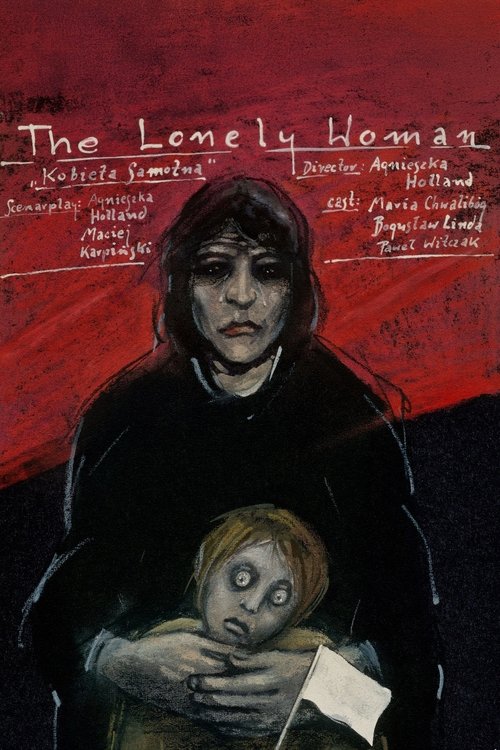
Irena, a postal delivery worker, is struggling with inadequate housing, a drunk neighbor who wants to take her place, and a heartless boss, knowing that the whole day at work, she is leaving her young son. But the worst is the loneliness, exacerbated by her single mother status. She meets a crippled pensioner Jacek, who appears to be the key to her happiness, but tragedy continues to strike.
A Woman Alone
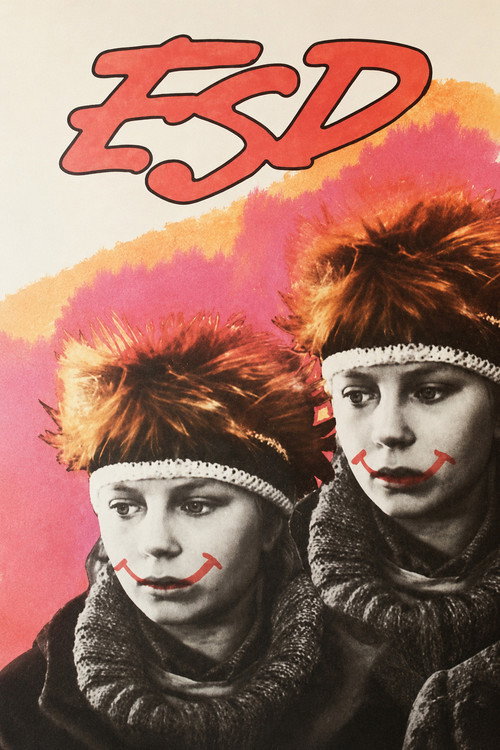
The Borejko family has four daughters — Gabriela, Ida, Natalia and Patricia. Most concern causes the red-haired Ida, whose unusual ideas often end badly, though the girl has the best intentions. Her father, who works at the university as a classical philologist, gives her the idea to found a group called ESD. They want to try out the theory that you are more successful if you send out more positive signals to the environment. Soon this theory will be put to the test. Ida's mother has to go to the hospital and the entire burden of household chores falls on the children.
ESD

The film is set in a small town near Warsaw, to which a young and coming director comes to produce a classic play (Wyspianski "Wyzwolenie") with a modern vein. Everyone in the production gets his usual stereotypical role, but the aging idol of the ensemble senses opportunity to give the performance of his life. For young director everything is already set. The leading man, however, is not giving up and is trying to restore the role according to his view. His wife listens to his fears, complaints and frustrations, while resigning herself to a fading career in a puppet theatre.
Provincial Actors

During the "winter of the century," impatient passengers wait for the train to arrive at the station in Koluszki. Railway communications are disrupted. At the same time, a train is stuck in snowdrifts near Koluszki. The atmosphere in its carriages is cheerful. Some passengers, who are in a hurry to connect to other stations, get off and walk to the station in Koluszki. Among them is Andrzej Roszak, a young man rushing to Warsaw, and probably his peer Basia. Shortly after them, Mr. Walerek, a political activist who was on his way to a ball at the Central Committee, Mr. Rozbicki and his wife, who had just returned from a contract in Iraq, Matyjak, a television star, journalist Przoniak, and others arrive at the station in Koluszki. At the deserted station, the passengers efficiently organize a New Year's Eve party. During the revelry, the participants gradually reveal their hidden complexes, frustrations, and hopes.
Bal na dworcu w Koluszkach

A well-regarded engineer in a big enterprise is hounded by trumped up attacks on his integrity when he delves too deeply into how bonuses are handled by the management. He gets into an argument with the guard, is arrested and subsequently fired. An old friend, a journalist, tries to sort things out but the victim's stubbornness and past problems with his wife lead to lossess by both.
Kung-fu
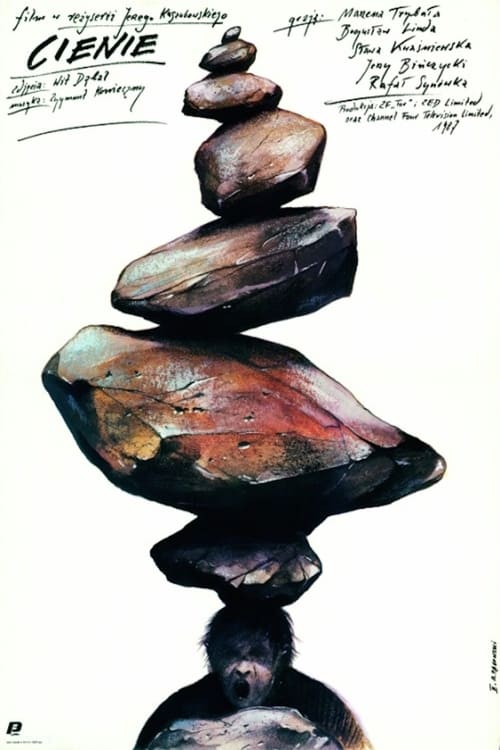
During the Second World War, tens of thousands of blonde, blue-eyed Polish children were snatched from their parents and given to German families. Lebensborn was part of Hitler's plan to expand the Aryan master race within the Third Reich. Eight-year old Jerzy returns home at the end of the war to a joyful reunion with his long-lost mother and grandfather. But problems arise as he is taunted by his peers and, longing for his missing father, burns with resentment for his new communist stepfather.
Shadows

One night, a teacher is murdered. A police investigation soon leads to the deceased's true nature and two unlikely suspects.
Balanga
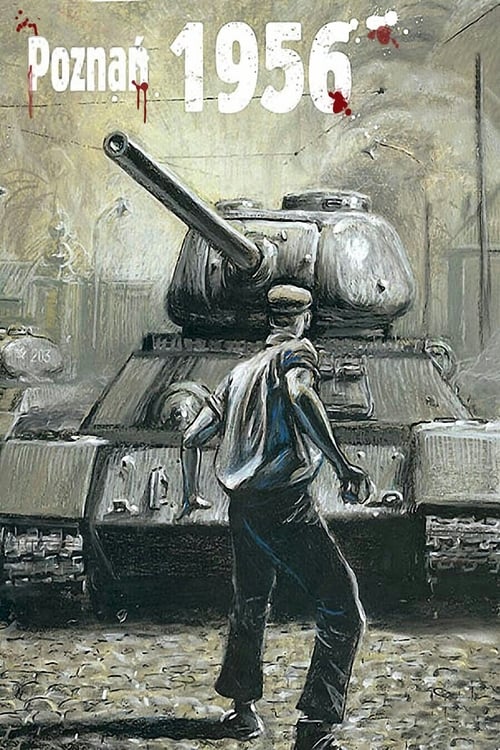
The film depicts the momentous and tragic history of the Poznan uprising of 1956. The memory of the director, who was a nine-year-old boy at the time, is the only canvass of the script. The main characters of the black-and-white film are two boys aged ten and twelve. From their perspective, the viewer follows the development of events. From the depths of the gates, through the rails of fences and cluttered backyards, through the eyes of the children we watch the street riots. The film, without action in the literal sense of the word, was made using a reportage technique that perfectly captures the spontaneity of the Poznan uprising. Among other things, the author of the picture depicts the adventures of a young worker Zenek, who becomes the unwitting leader of the protest, and five professors, who by chance find themselves in the very center of events.
Poznań 56
When a renowned Berlin architect pays a visit to his birthplace, a Polish village which was part of Germany before World War II, he's suddenly compelled to discover the truth about his past.
Pension Sunshine
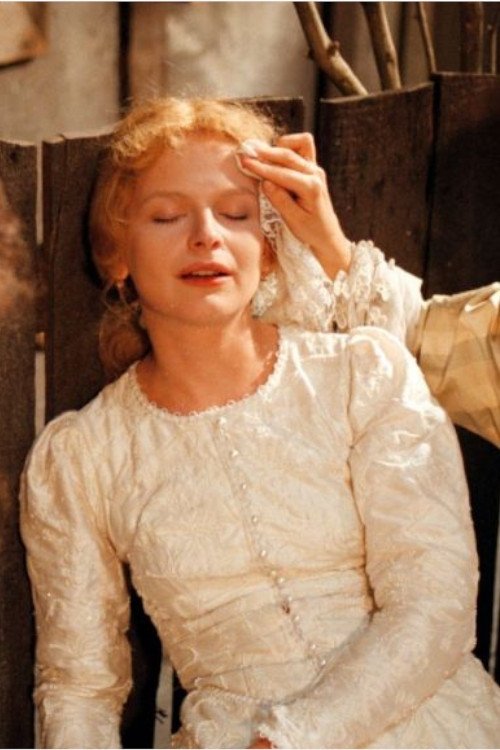
In a Polish-Jewish village, pious student Chanan, captivated by Kabbalah, falls in love with Leah, the rabbi’s daughter, but is forbidden to wed her and dies invoking the Ineffable Name - returning as a dybbuk (possessing spirit) at her wedding. Only after a mystical “trial” reveals a centuries-old vow binding their souls does the revered Rabbi Azriel exorcise the dybbuk, freeing both Leah and the restless spirit.
Dybuk

A story of a middle-aged Jew methodically preparing himself to be shipped off to a concentration camp. The main character, Jacob Rosenberg, is a former industrial counselor, who is forced to work as a street cleaner. He knows what the fate is holding for him in the future, nevertheless he takes it with and implacable calmness.
Postcard from a Journey

An ironic look at a climber who decides to do anything to get a job he thinks will launch him into a better career.
Top Dog
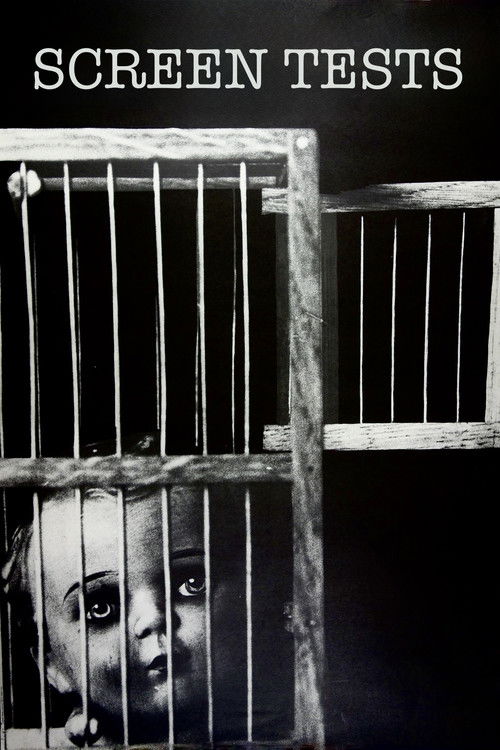
Three-part film centered around a film being made by a group of young directors. In the first a working-class girl finishes school and has her first love affair, which ends badly. In the second a provincial boy with dreams of life in the theater has an affair with his boss' wife. They meet during the film's screen tests.
Screen Tests
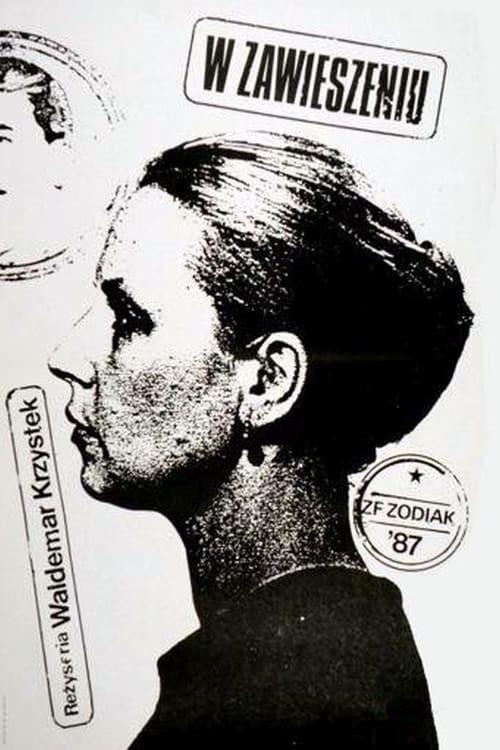
Anna, a nurse, meets her wartime lover Marcel in 1951. Learning that he has been sentenced to death for his role in the Home Army, she hides him in her cellar for five years. She gets pregnant with his child and has the baby out of the wedlock. Despite the hardships and gossip she holds much better than he. In 1956 when the political climate changes, he resurfaces and is arrested, but then acquitted by the court.
Suspended
Young Tomek is fascinated by his sweet and friendly mother, Anna, an attractive widow. She takes care of her son carefully, and in the evenings debates with her girlfriend Roza, a free and childless woman. But due to poor financial conditions he is sent to a boarding school where he wouldn't stay long; he must return home because his mother died. After returning, a surprise is waiting for him in the form of a little brother. He decides to take care of him and finds a job and a likely little boy's father who comes to claim his rights, decides to leave the house. When he visits the priest, he discovers that not only his brother is an illegitimate child. And Roza searches for comfort in his arms.
Wir
A clerk looks after a flower that reminds him of his former sweetheart. A man's affection for a plant makes his mother jealous.