
Anna Sarna
Acting
Known For
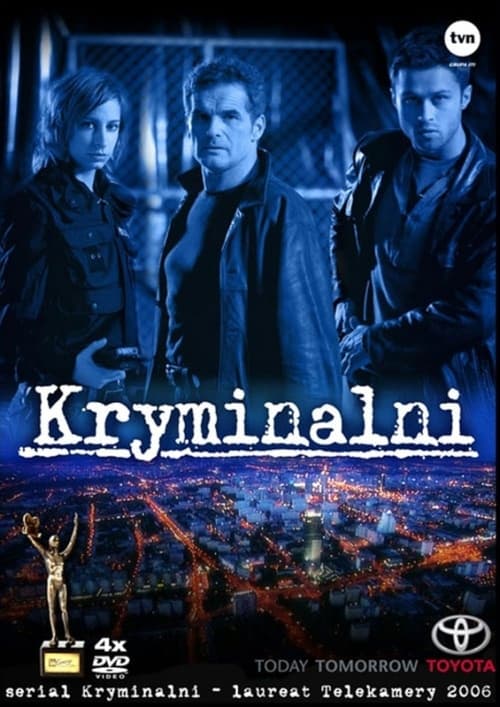
Kryminalni was a Polish crime drama television series that aired on TVN network from September 18, 2004 until May 24, 2008. It ran for 8 seasons and 101 episodes were broadcast in total. It was created by Polish director and screenwriter Piotr Wereśniak and produced by MTL Maxfilm studio. The series followed life and work of police officers from the elite Criminal Terror and Murders Division of the Warsaw Metropolitan Police; the title refers to police officers in the crime section. The three main characters were Adam Zawada, an experienced, tough cup, his younger colleague Marek Brodecki and Barbara Storosz, an ambitious female officer who in the first season joins the team just after graduating. Although none of the main actors had had star status before the series debuted, all three of them rose to prominence and popularity during the 5-year-long run. Many of Poland's best known actors guest starred, usually playing roles of people involved in just one particular investigation. The serial was one of the most popular in Poland: each week it had an audience of 4 million.
Kryminalni

Seven policemen, seven deadly sins, a murder case, secrets and the filth of everyday police work: Traffic Department transports the viewer into the darkest Warsaw streets.
Traffic Department
No description available.
Zegar
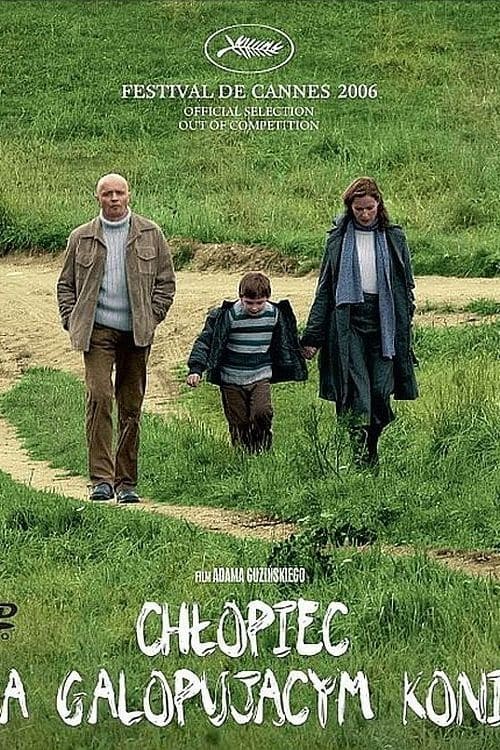
The film tells the story of Jerzy, a writer whose creativity has burnt out. His wife and their seven-year-old son Jasiek live far from the city. Jerzy’s enduring creative crisis and their related financial troubles affect the married couple. They are drifting apart and falling out of love. One day, they find out their son is ill and will have to travel to the city for an operation. The long-anticipated journey is exciting for the boy. For the parents, the journey is one of anxiety and separation, which forces them to reflect anew on the essence of their relationship.
The Boy on the Galloping Horse
When Marcin dies in an accident, his family mourns. However, instead of seeking reconciliation, the relatives of the deceased furiously scratch fresh wounds. The atmosphere in the house thickens with each word spoken because neither the brother nor the parents were prepared for the young man's departure. Mutual relations also become more complicated, and attempts to start a conversation do not lead to an agreement. To make matters worse, the question returns more and more clearly: who is to blame for this death?