Włodzimierz Twardowski
Acting
Known For

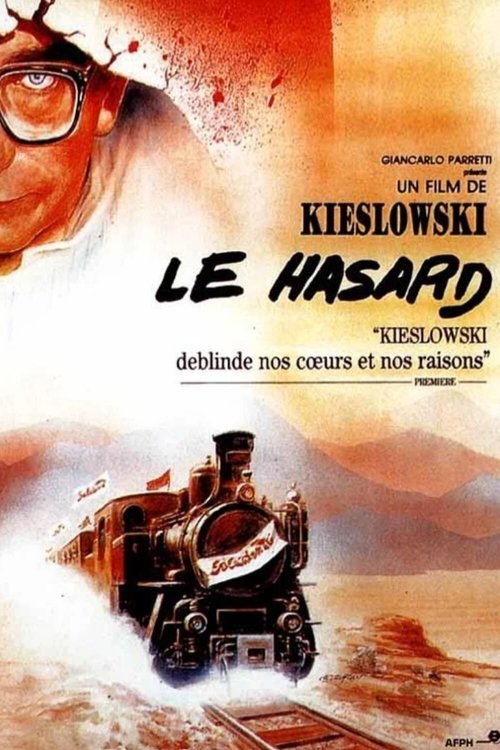
Witek runs after a train. Three variations follow on how such a seemingly banal incident could influence the rest of Witek's life.
Blind Chance

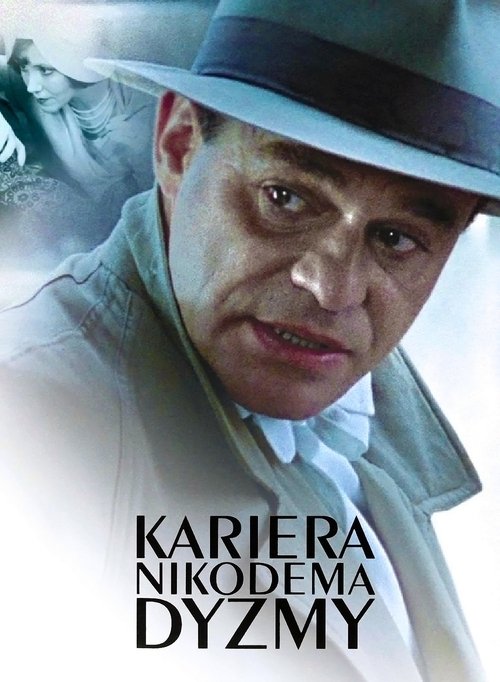
Nikodem Dyzma immigrates from the eastern part of Poland to the capital in the hope for possibilities to make a living. He is in need, very poor and forced to look for basic food and shelter. Yet, on a day when an unexpected invitation appears, his life changes dramatically.
Kariera Nikodema Dyzmy

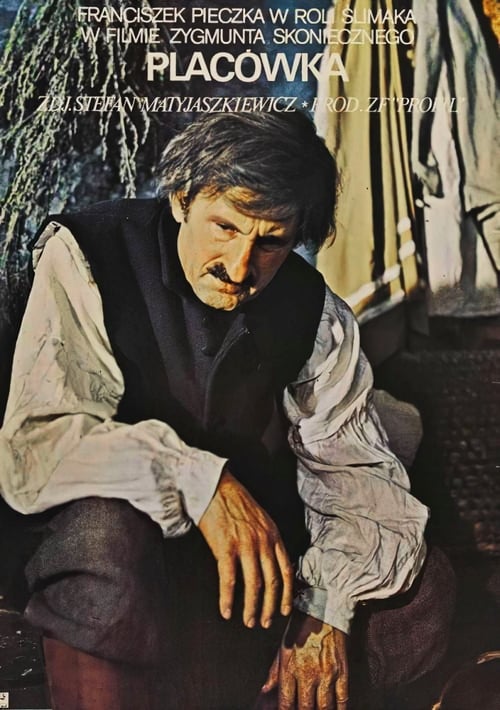
The problem of the Polish population displacement from their land within the limits of the Prussian partition. Germans come to the village harassing a wealthy peasant Snail, leading to the tragedy. Slug's cottage burns, his wife dies. The peasant does not give up, defending his inheritance. He sticks on a patch of his Polish soil and protects it like a soldier his post.
Placówka
Ignacy Jan Paderewski returns to Poland. A journalist who is supposed to describe his arrival is called to the editorial office.
Powrót do Polski

Two young men from a town near Łódź attack and rob a taxi driver. Unsatisfied with the loot, they make their escape from the authorities across Poland.
Criminal Records

In the first months after the war, a period of confusion and fratricidal fighting, a Warsaw whack-job drafted into the ranks of the KBW gains the first life experiences that make him an informed citizen. Marian, a boy from Targówek, is serving in the KBW. His unit is sent to a village plagued by a band of NSZ. Marian becomes involved with a young teacher, Anka, whose brother is a member of the NSZ. During the final trial, Stefan is killed and Marian is seriously wounded and taken to the hospital. An investigation is carried out in the village. Marian does not admit that he knew about Stefan and his contacts with his sister. When he leaves the hospital, he does not find the girl, but their son, who is being cared for by Anka's parents. He takes the boy and returns to Targowek.
The Fog
The social and independence ferment triggered in the fall of 1980 by Solidarity created an opportunity for dialogue between the nation and the ruling communists. Dialogue, not force. As always, students quickly joined the "rebellion and pressure." They wanted autonomy for Polish universities and their own independent representation, as well as sovereignty, without the "leading role of the party." When these dreams were not fulfilled, at the beginning of 1981, students at the University of Łódź went on their first long strike, which ended in success, and when martial law was declared in December 1981, the same students rushed to protest in the form of an occupation strike, which ended in pacification. The film consists of statements by the protagonists and witnesses of those events, archival footage, and staged sequences.