Directing
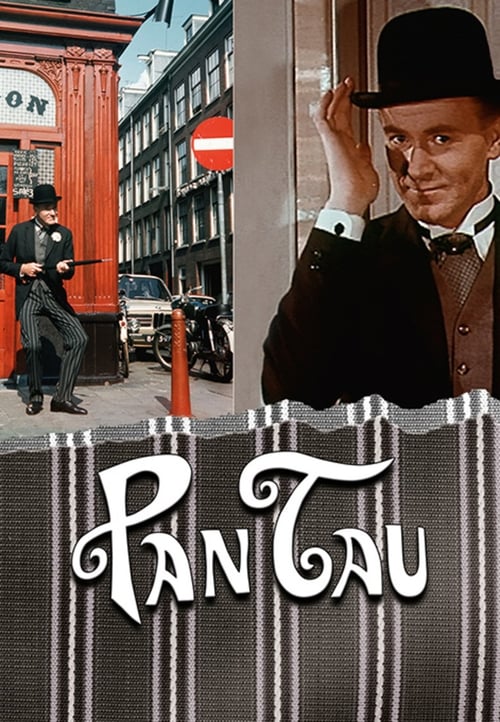
Pan Tau always had a gentle expression and a friendly smile, he was elegantly dressed in a stroller, with an umbrella and a white carnation in the lapel. Foremost, he was famous for his magic bowler hat. By tapping on his hat, Pan Tau was able to change his appearance into a puppet, to conjure up miscellaneous objects or to do other magic. His most characteristically behavior is that he would help children who were experiencing some sort of difficulties in-between their dreams and reality, like finding a place for skiing, settling family problems on Christmas, and even give a boy a good time at a fair when he is supposed to have piano lessons. To adults, he usually remained invisible.
A darkly brilliant stop-motion adaptation of The Pied Piper of Hamelin about a plague of rats that punish townsfolk corrupt with greed. One of the most ambitious Czech animation projects of the 1980s, notable for its unusual dark art direction, innovative animation techniques and use of a fictitious language.
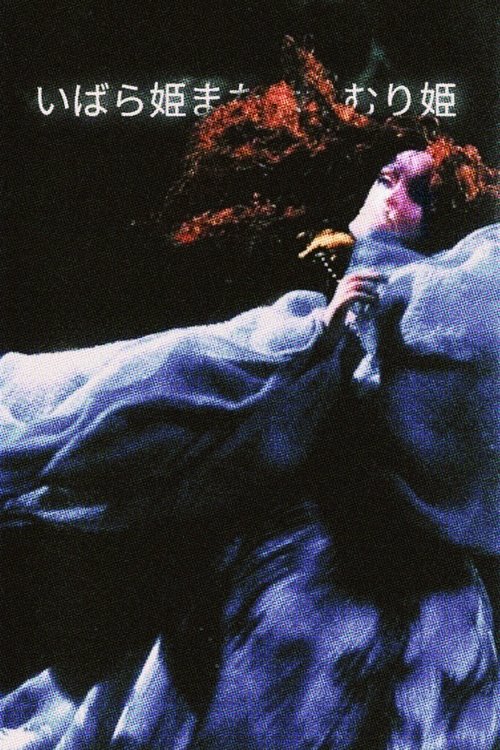
On her fifteenth birthday the princess finds a diary written by her mother when she was young. The diary tells of the Queen's secret, early love. The Princess goes into the forest to meet her mother's former lover. When she looks into his eyes, she realizes why her mother had fallen in love...
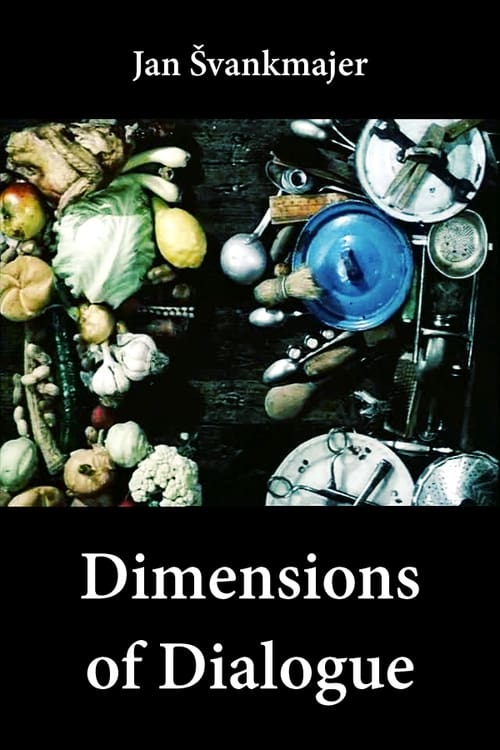
Three surreal depictions of failures of communication that occur on all levels of human society.
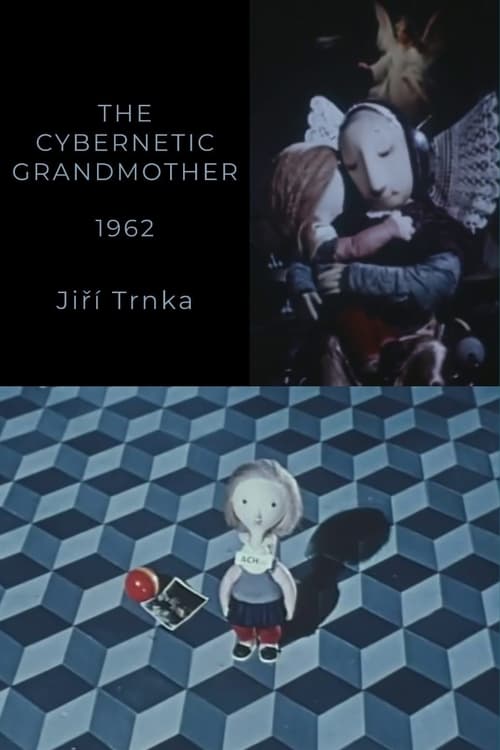
Trnka’s sci-fi vision of the future in which machines and robots try to substitute themselves into the most beautiful human relationships. A cybernetic robot is supposed to substitute for the loving grandmother of a little girl. The wise grandmother, however, comes back and the girl finds the warmth of her grandmother’s loving arms again. Trnka’s artistic ideas in this film can be described as both poetically fragile and dramatically cautionary.
No description available.
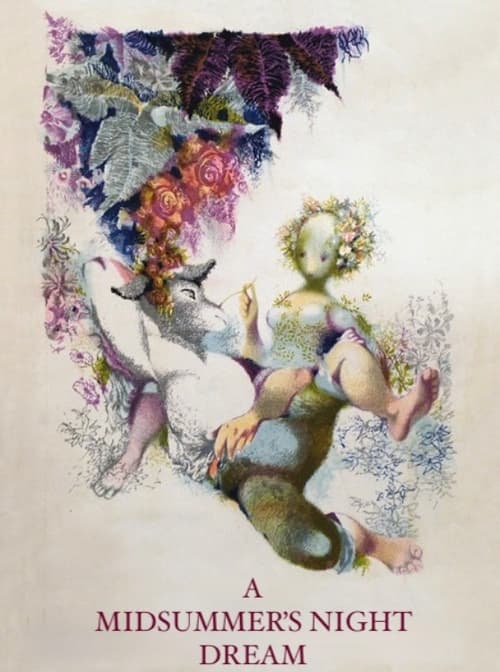
The first puppet film shot in CinemaScope. It is based on the famous poetic comedy by William Shakespeare. Three worlds meet in this story: the noble world of three Athens couples, a common popular world of tradesmen amateur theatre and a fairy-tale happiness of magic creatures as elves and nymphs. The film is considered the most remarkable Jiří Trnka's work and a milestone in the history of the world animation.
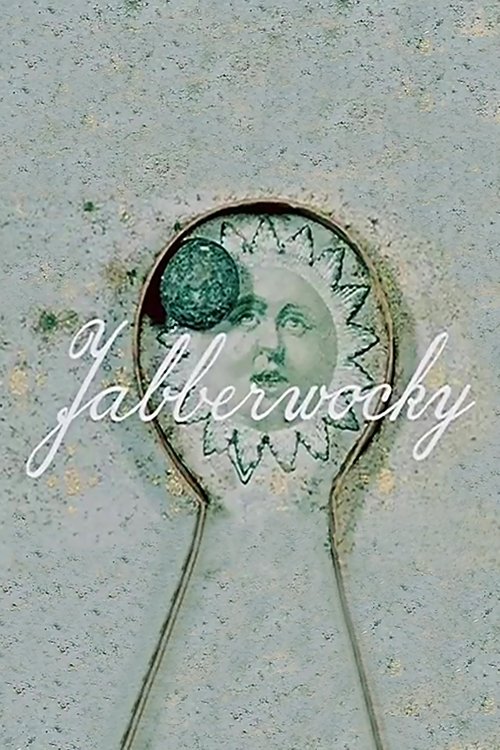
In stop-motion animation, a wardrobe moves through the countryside. It arrives in a house, a child's voice recites Lewis Carroll's "Jabberwocky," and various objects, such as toys and dolls, move about, disintegrate, and play out archetypal scenes. Like Carroll's verse, the images are at once familiar and unfamiliar. A child's play suit, hanging in the wardrobe, becomes the adventure's protagonist.
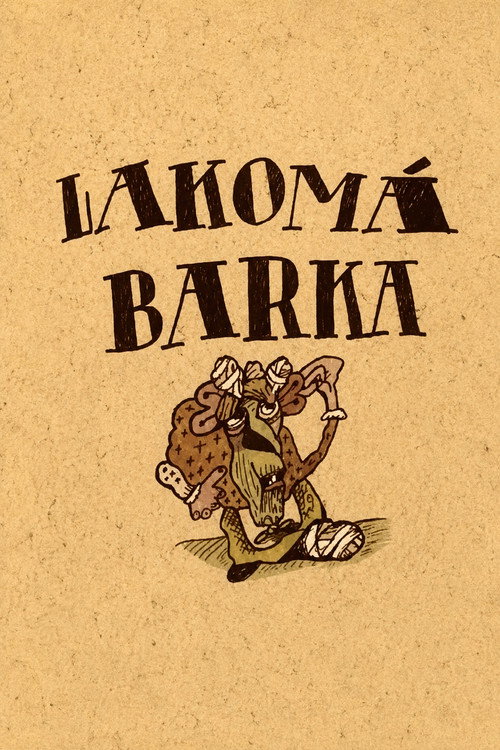
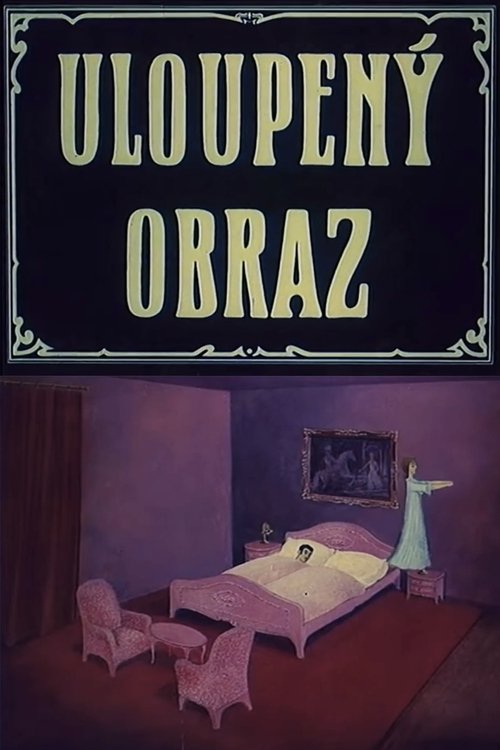
When the village school master discovers the body of a mean-spirited, miserly old woman, with whom he has had a disagreement, he decides to dispose of the body himself without alerting anyone else to it, but when the body is discovered by another villager the same cycle begins again, with the body eventually passing through the hands of half of the village.
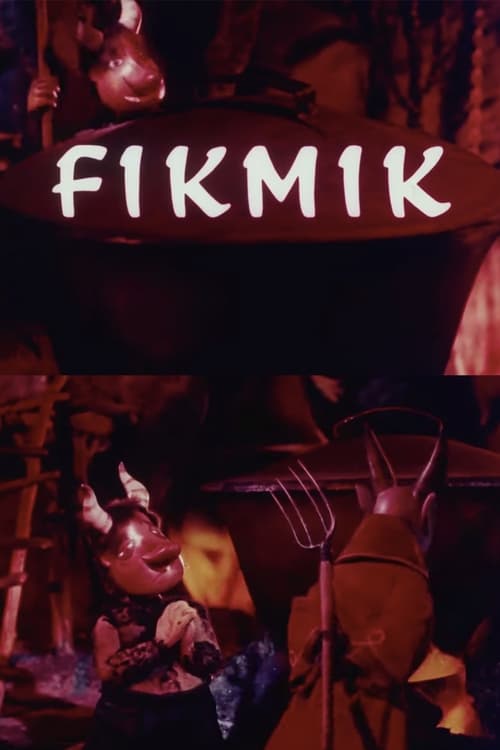
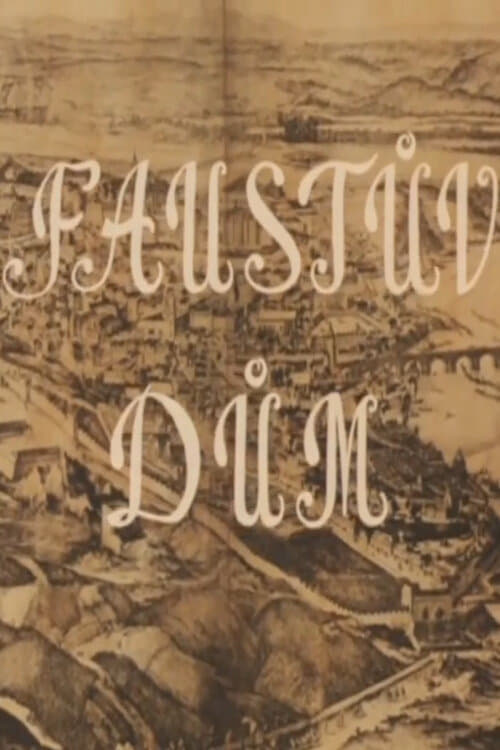
A film story based on the old Prague legends. It tells about a poor student lured by wealth, which he prefers to knowledge. In the end, he sells his soul to the evil powers. The Devil takes him to hell and since then there is a blackened hole on the ceiling of a Prague house.
An old woodblock train meets its shiny new electric replacement one Christmas Eve in this glowingly nostalgic stop-motion toy story, directed by Bretislav Pojar and featuring gorgeous design by Trnka.
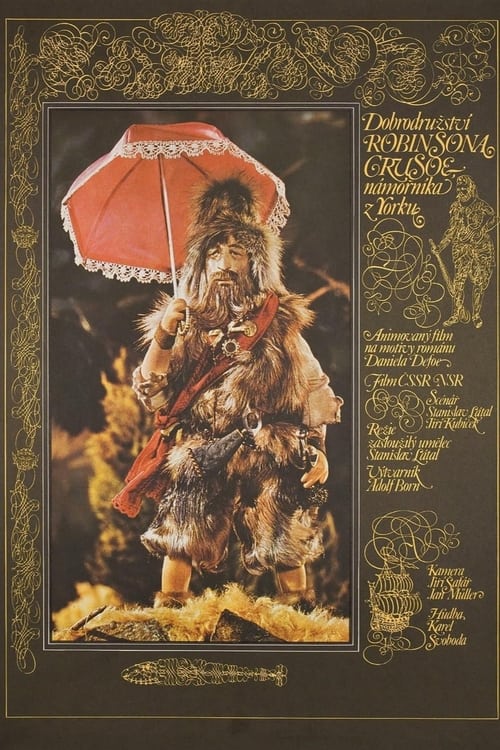
The picture, unlike the other film adaptations of the story, focuses much more on Crusoe’s life before and after his stay on the island. Following the principle of setting the novel right, it describes Crusoe’s experiences with delicate irony and understanding.
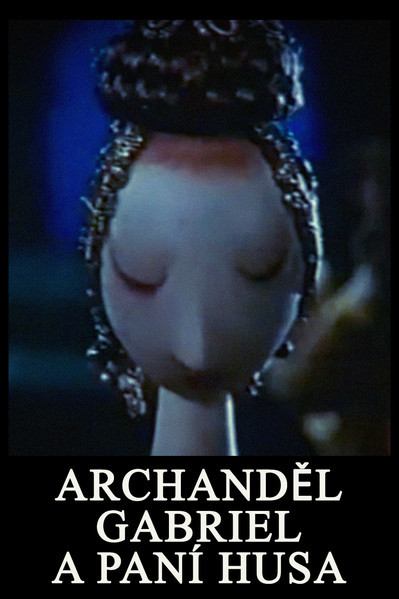
Taken from Boccaccio's Decameron, this lovely puppet film tells the bawdy story of the beautiful young Venetian lady who confesses her sinful passion for the Archangel Gabriel to a lustful monk, who promptly impersonates him in her bedroom with predictable results. Amidst the film's ribaldry, the hypocrisy and false piety of the monk are mercilessly mocked.
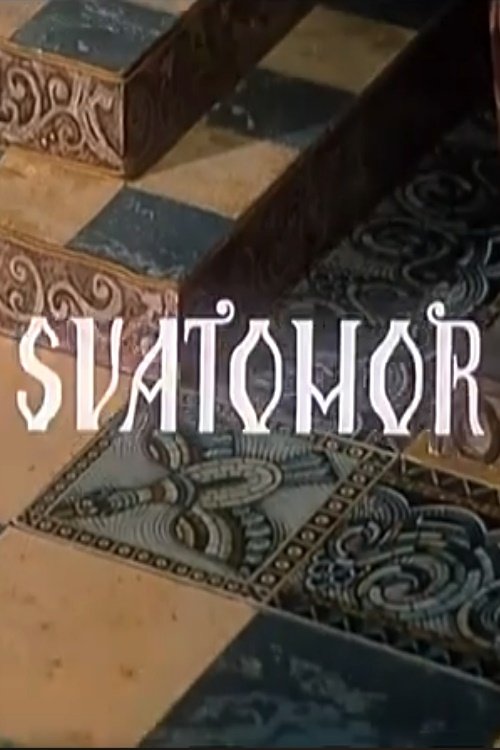
This animated puppet film based on Russian folk tales tells the story of the hero Svätohor and his battle with the dragon Goryn Gorynych.
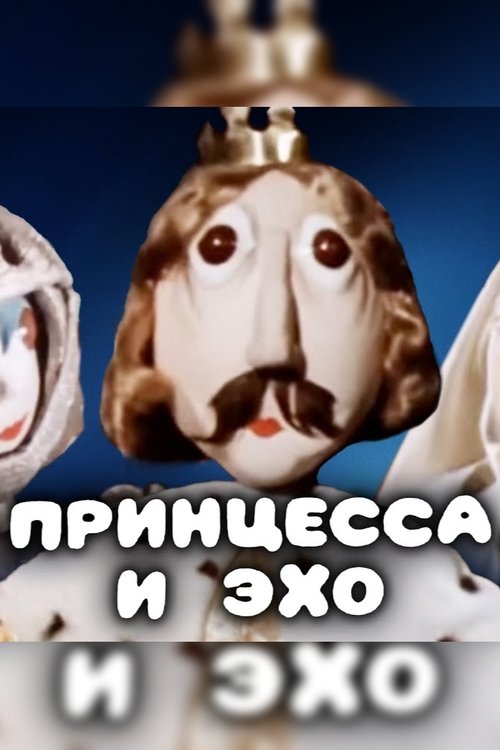
King Lorenzo was in trouble: the echo had disappeared from his kingdom. It all happened because his neighbor, King Florindo, had ordered the mountain — the one that reflected the echo — to be destroyed. The quarrel quickly escalated, and both kingdoms prepared for war. King Florindo’s son took command of his father's army. But King Lorenzo had no sons at all — only three daughters. And then...
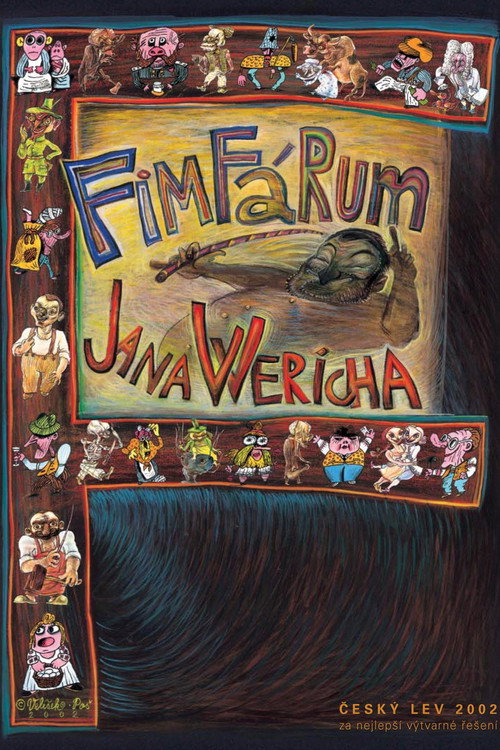
Humorous as well as educational stories about magical and everyday problems, about devils, miracles, ordinary human vices and wisdom. The graphic design of the stories reflects the humour and the atmosphere of the stories Fimfárum, When the Leaves Fall from the Oak, Franta the Fearless, A Dream Come True, and Greedy Barka, that were recorded by Jan Werich on an LP in the 1960’s and published in a book called Fimfarum.
A sarcastic horror parody of comic book series from the 1930s.
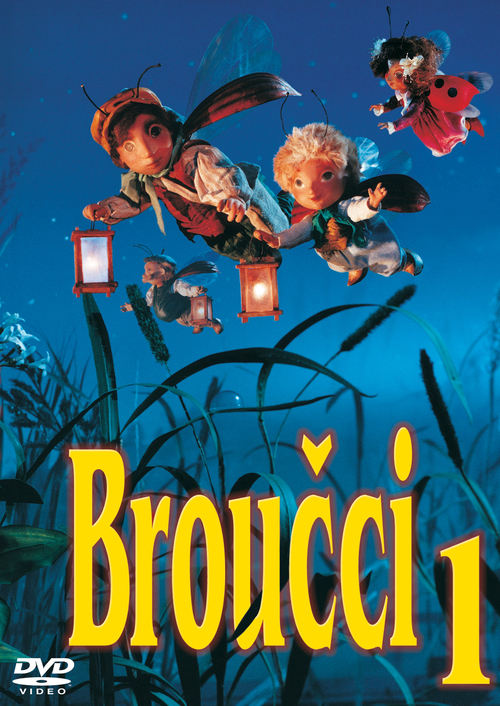
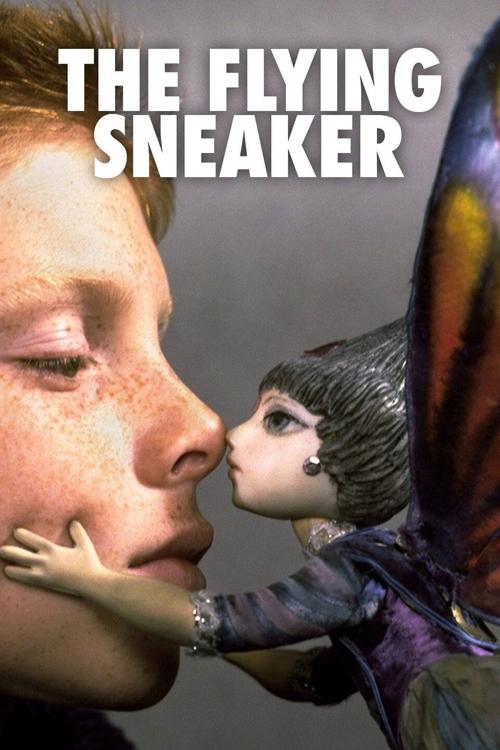
Little Rehor isn't allowed to play with the other boys. His only friend is the girl next door, Luci. Rehor's father is doctor on a boat and he has sent Rehor a package with butterfly larvae. When they hatch he discover a fairy who can do magic tricks.
A tragicomic story about Lady Poverty who, unmistakably and without any hesitation, catches one lazy fellow after another. However, she is helpless when she comes across a diligent and work-loving fellow. Poverty simply cannot be destroyed, but it can be defeated.