Govindrao Tembe
Acting
Known For
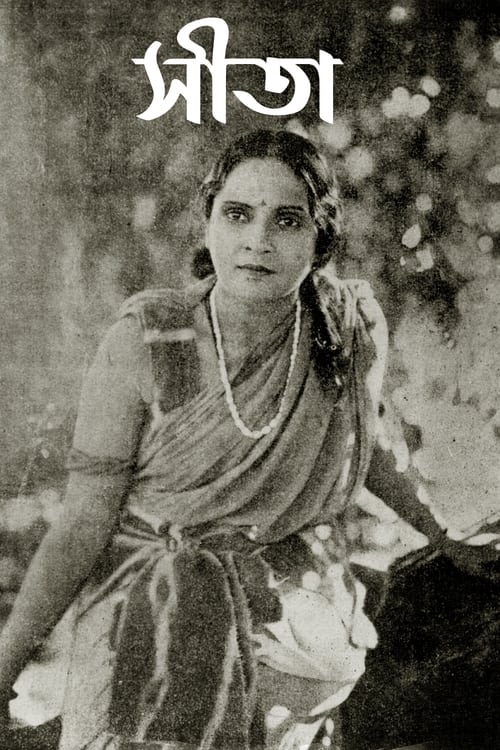
Seeta was a 1933 Indian talkie Bengali film, directed by Debaki Bose and produced by the East India Film Company.[1] It won an honorary diploma in the 2nd Venice International Film Festival in 1934, becoming the first Indian talkie to be shown at an international film festival.
Seeta
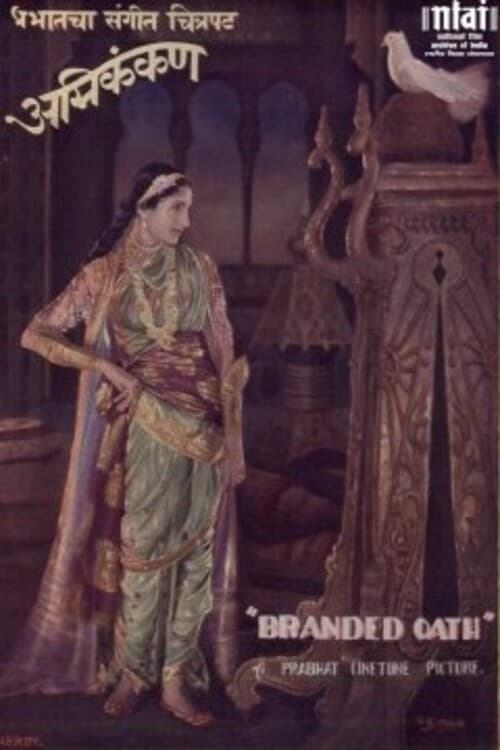
Prince Sudhirchandra goes into hiding as an infant when his father gets overthrown by Naagraya, a greedy minister. After 20 years, Sudhirchandra returns to reclaim his throne.
Agnikankan: The Branded Oath
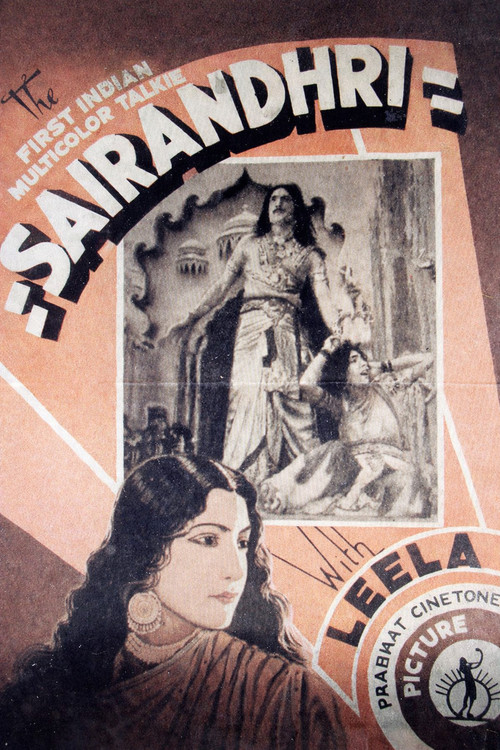
Set during the Pandavas’ exile in the Mahabharata, the story focuses on Draupadi living incognito as a maid-in-waiting named Sairandhari in King Virata’s palace. The arrogant Keechak becomes obsessed with her, prompting Bhima (disguised as a cook) to intervene and kill Keechak to protect her honor.
Sairandhri
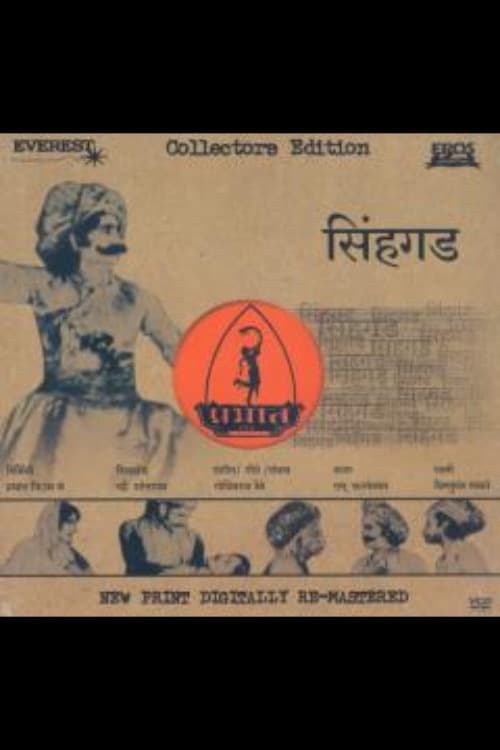
Udaybhanu captures Kamlakumari who is planning to commit Sati and brings her to his fort in Kondana. Tanaji Malusare prepares to attack the fort with fifty soldiers. He manages to scale it but is killed in the battle with Udaybhanu. Chatrapati Shivaji Maharaj arrives and wins the fort but he is despondent on losing his most trusted Lieutenant.
Sinhagad
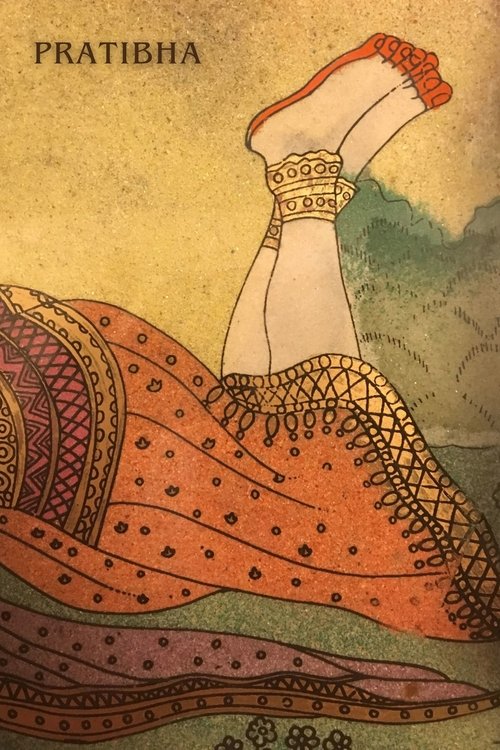
The poet Prasad (K. Date) lives far from the city in a forest, enjoying only the company of his wife Pratibha (Khote). The court poet Kaveeshwar (Phatak) of a neighbouring kingdom discovers Prasad’s poetry and, more importantly, his beautiful wife, and invites them to his palace, promising fame and glory. Against Pratibha’s advice, Prasad succumbs to temptation, only to see his work plagiarised and his wife harassed.
Pratibha

The story deals with a greedy moneylender who cheats the peasants of their money, forcing them to give up farming and take on jobs as mill-workers.
The Indian Shylock: The Talkie Version

Ayodhyecha Raja, literally "The King of Ayodhya", was the first Marathi talkie. It is based on the mythological story of Raja Harishchandra of Ayodhya and his test by sage Vishwamitra, as recounted in Valmiki's epic, Ramayana. The film was also made as a double-version, Ayodhya Ka Raja (1932) in Hindi, making it the first double version talkie of Indian cinema.
King of Ayodhya
A Marathi film directed by P. Y. Altekar.
Savangadi
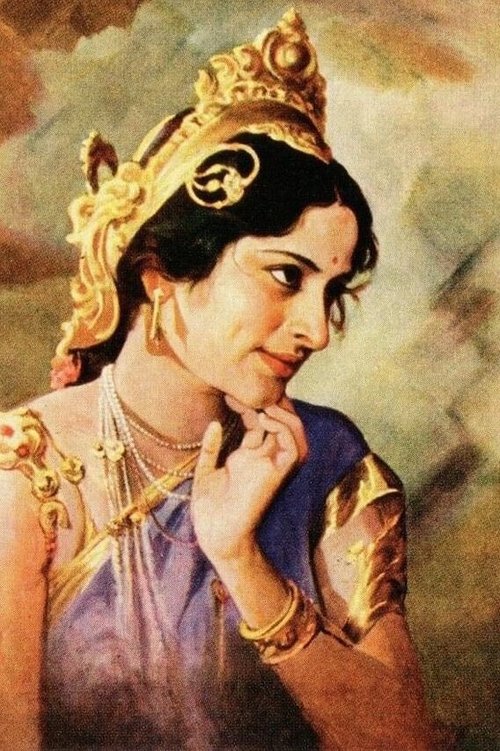
The demonic King Banasur, a devout disciple of Shiva, wants to eliminate Vishnu and his followers in the guise of Krishna, king of Dwarka and an incarnation of Vishnu. Krishna overcomes Banasur's designs by getting his daughter Usha to fall in love in with Aniruddha.