Acting
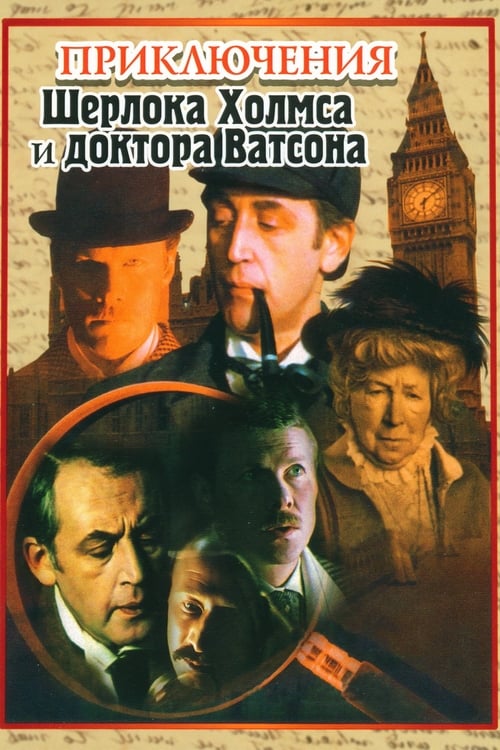
The Adventures of Sherlock Holmes and Dr. Watson is a series of five films produced by Lenfilm for the Soviet Central Television, split into eleven episodes, starring Vasily Livanov as Sherlock Holmes and Vitaly Solomin as Dr. Watson. They were directed by Igor Maslennikov and filmed in Russia (the then Soviet Union) between 1979 and 1986, and the series was one of the most successful in the history of Russian television.
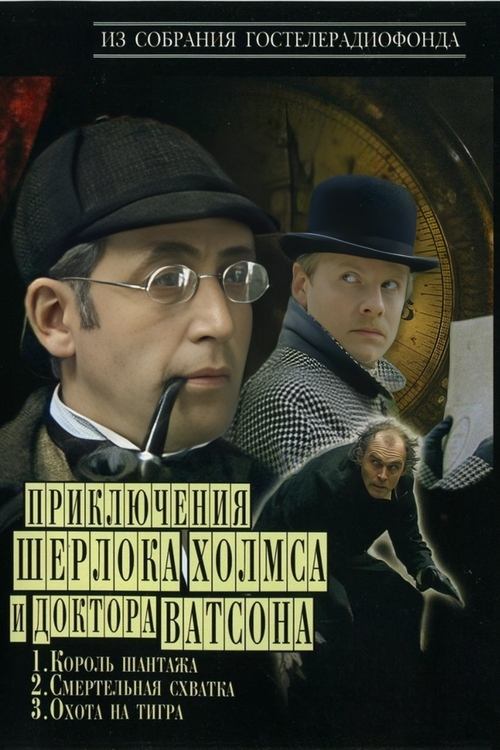
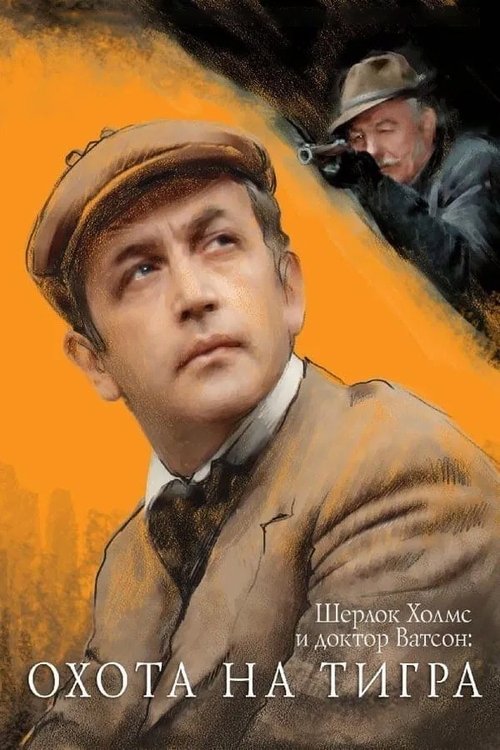
The second part of the series of television films based on the stories of Arthur Conan Doyle about Sherlock Holmes. The film consists of three episodes (The King of Blackmail, Mortal Fight and Tiger Hunt), filmed based on the stories of Arthur Conan Doyle "The Adventure of Charles Augustus Milverton", "The Final Problem" and "The Adventure of the Empty House", as well as small episodes from the stories "The Interpreter's Case", "Silver" and "The Retired Drunkard".
A ghost and a French marquis wander through the Winter Palace in St Petersburg, encountering scenes from many different periods of its history.
A group of scientists is sent to the planet Arkanar to help the local civilization, which is in the Medieval phase of its own history, to find the right path to progress. Their task is a difficult one: they cannot interfere violently and in no case can they kill. The scientist Rumata tries to save the local intellectuals from their punishment and cannot avoid taking a position.
Eight years after his family was murdered he has returned home to bury his past and discover his future.
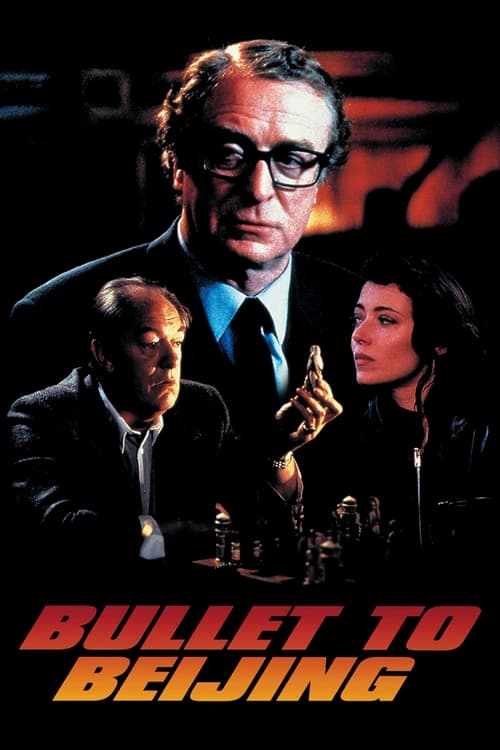
When long-time British agent Harry Palmer loses his job because the Cold War is over, he's promptly approached by a Russian bossman, Alex. In St. Petersburg Alex tells Harry of his plan for Russia's future, which is threatened because a deadly biochemical weapon called the Red Death has been stolen from him. He'll pay Harry handsomely to retrieve it. An ex-spy friend tips Harry off that it's being sent to Beijing by train, aboard which we begin to learn whose side everyone's really on.
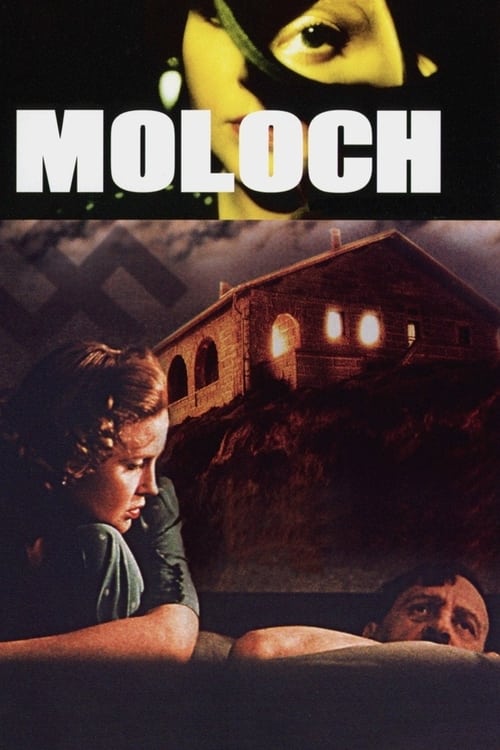
In 1942 Bavaria, Eva is alone, when Adolf arrives with Josef, his wife Magda, and Martin to spend a couple of days without politics.
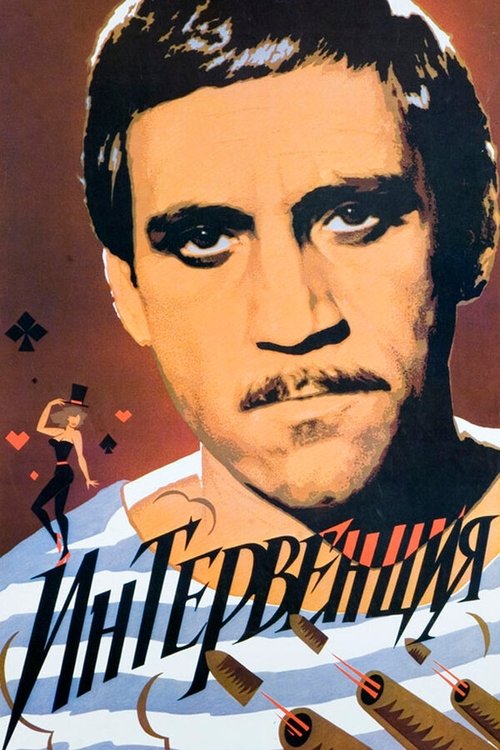
The movie is set during the last days of a foreign intervention against Soviet Russia. Police are searching everywhere for a Bolshevik named Brodsky but cannot find him. Meanwhile, a man named Michel Voronov serves as a teacher to a rich woman's son, Zhen'ka.
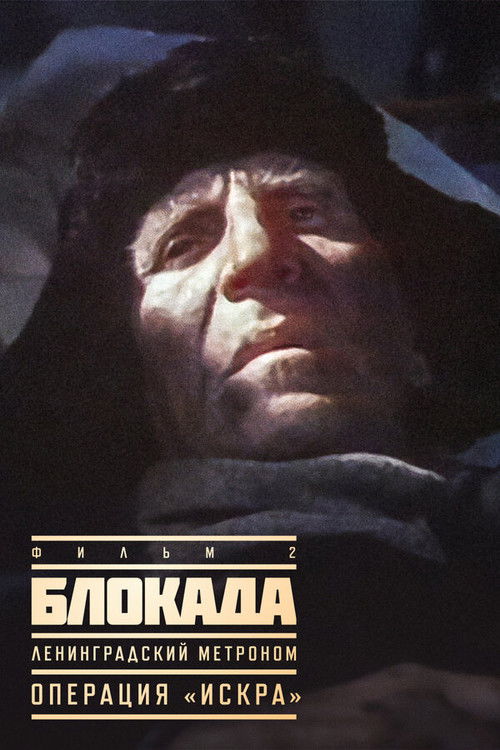
"Iskra" is the codename for the plan of the operation of the Soviet troops to break the blockade of Leningrad. In January 1943, the blockade of Leningrad was broken. A corridor 8-11 km wide was formed between Lake Ladoga and the front line.
No description available.
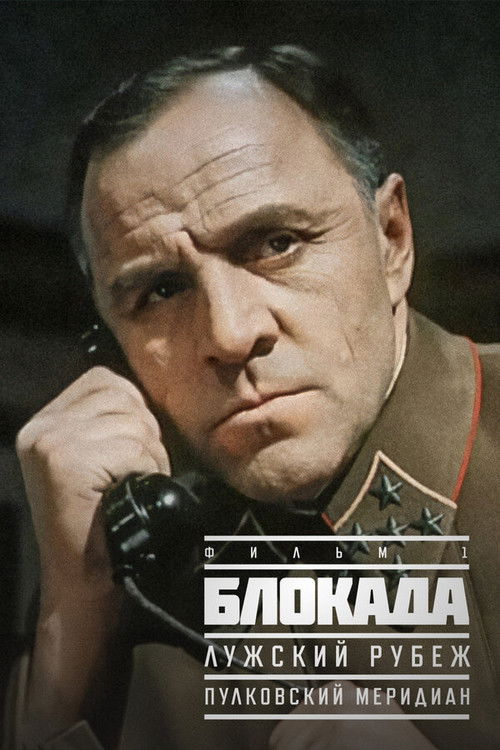
Autumn 1941. German tank troops are making another attempt to break through to the Uritsk and Pulkovo Heights. During heavy fighting, Soviet troops managed to stop the offensive of fascist tanks one and a half kilometers south of the Pulkovo Observatory. The 900 days of the blockade and the incredible courage of the Soviet people were approaching ...
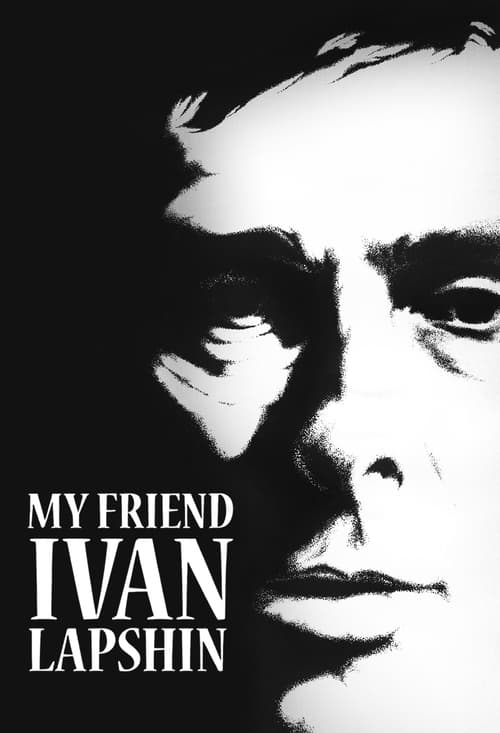
Russian provincial town in the middle of the 1930s Stalin's Great Purge. Ivan Lapshin, the head of the local police, does what he has to do. And he does it well.
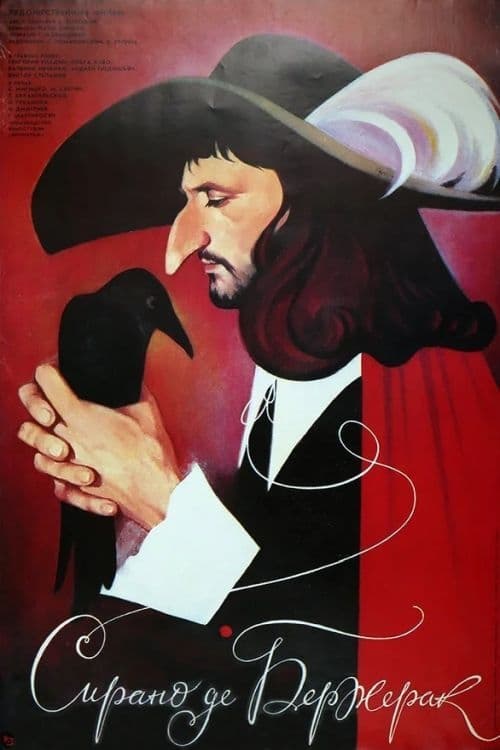
Long-nosed Cyrano de Bergerac helps an army officer woo Roxanne, the woman he loves.
Military doctor General Klenski is arrested in Stalin's Russia in 1953 during an anti-Semitic political campaign accused of being a participant in so-called "doctors' plot".
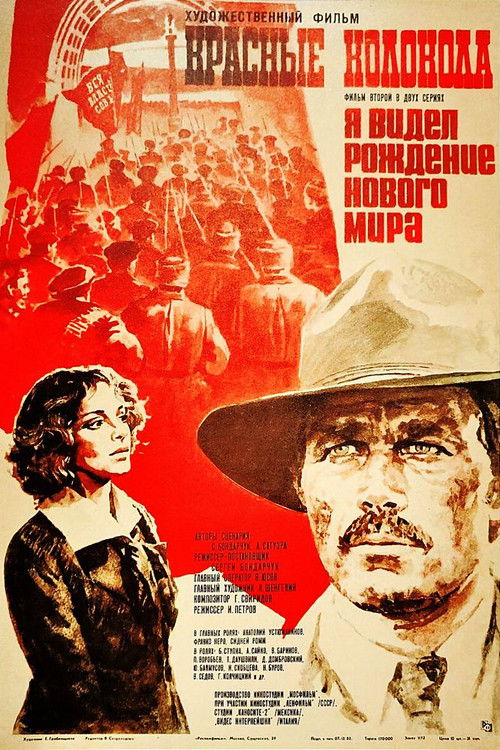
The second part of Soviet filmmaker Sergei Bondarchuk's epic biography of John Reed. It is October 1917 and the American journalist has found himself and his wife, Louise Bryant, in Petrograd on the eve of the Bolshevik revolution.
Hiding from the police, a terrorist Aleksei accidentally gets into a brothel, where he meets a prostitute Lyubka. This just one night was worth two lives.
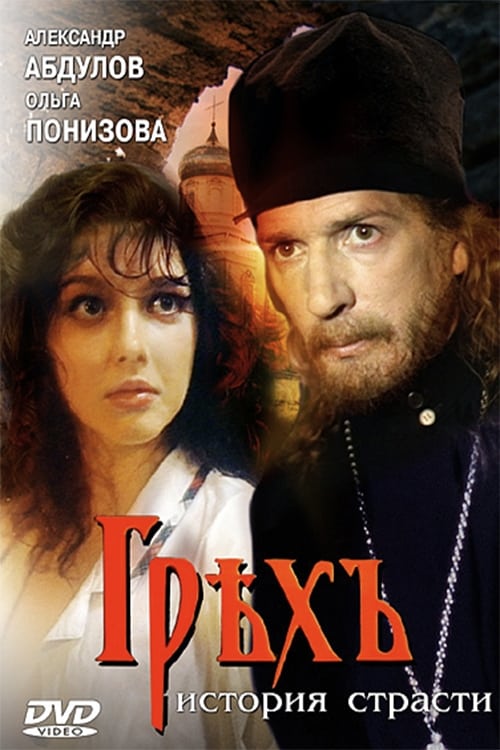
Young girl Nina is falling in love with the orthodox priest with a criminal past.
Dr. Watson executes Sherlock Holmes' will, who faced death after exposing Moriarty and his gang in the previous episode.
A story about the tragic events in the life of besieged Leningrad from September 1941 to January 1943.