Acting
Polizeiruf 110 is a long-running German language detective television series. The first episode was broadcast 27 June 1971 in the German Democratic Republic, and after the dissolution of Fernsehen der DDR the series was picked up by ARD. It was originally created as a counterpart to the West German series Tatort, and quickly became a public favorite.
Der Staatsanwalt hat das Wort was an East German television series.
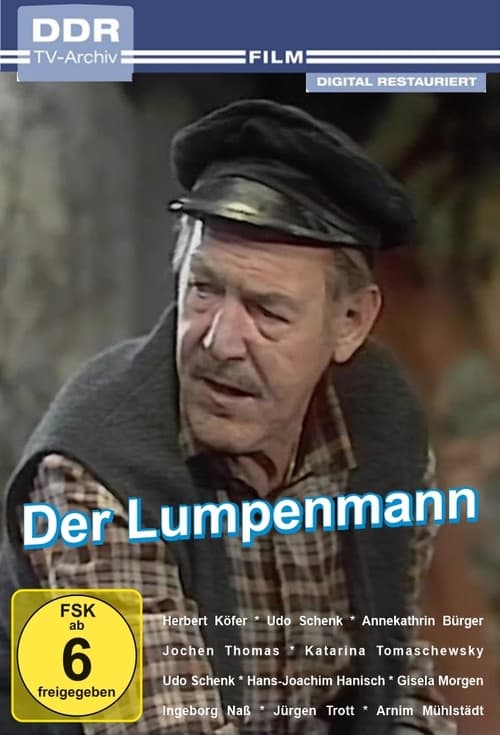
Peter, medical student and son of old materials dealer Richard Müller, wants to get engaged to the daughter of the director of a local construction company. The profession of his father has so far only vaguely hinted out of shame. And so his future in-laws think Richard is working in ministry. When he learns about it, he is initially offended. After all, he lives his profession with body and soul. But then Richard takes advantage of the misunderstanding and pays the bride parents a visit.
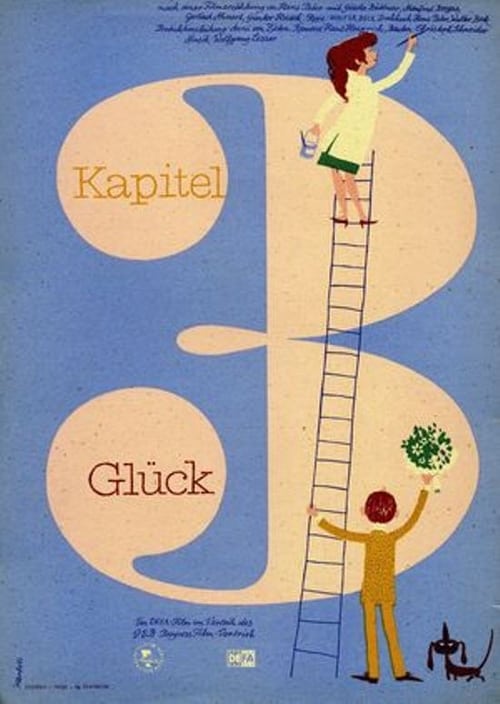
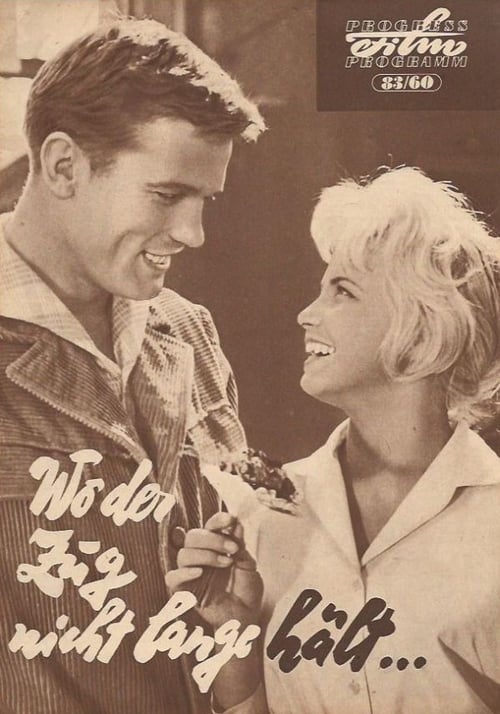
Ev and Peter fall in love at first sight. Peter studies dentistry in Leipzig and is eager to work in the country. There is an unfilled dentist vacancy in his home village. Ev, on the other hand, is drawn to the city. Being a commercial artist, she sees no chance to find a job in the country. This conflict becomes the first real test for their relationship.
A few Conti Press journalists are granted exclusive coverage of the launch of the newly developed Skylight 3 intercontinental ballistic missile from the CBA rocket center. But the test ends in disaster. Parts of the rocket break loose and the head, armed with napalm, drifts off uncontrollably. Former pilot and star reporter Pit Nordfors succeeds in uncovering the scandalous background to the false launch. But the Conti Press retracts his article as it turns out that the CBA is a major shareholder in the newspaper group. Nordfors soon gets the opportunity to beat the powerful with their own weapons.
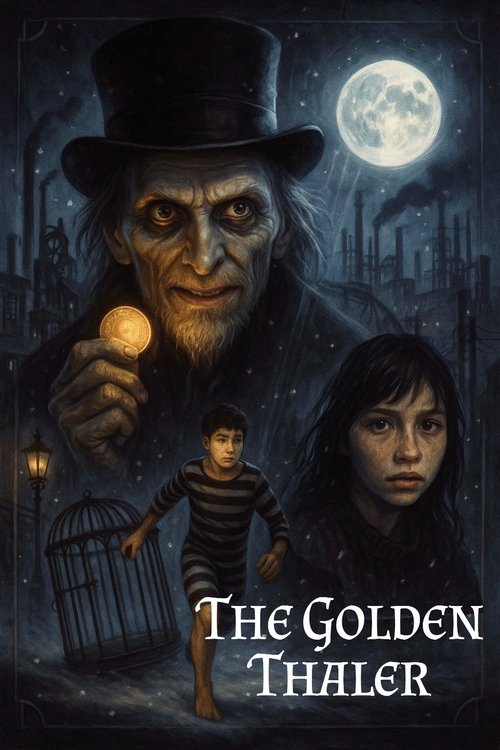
The impoverished and homeless orphan girl Anna Barbara sets out in search of the mysterious golden thaler. The rag collector Hans Geiz offers her the promise of it if she toils in his underground kingdom for three years.
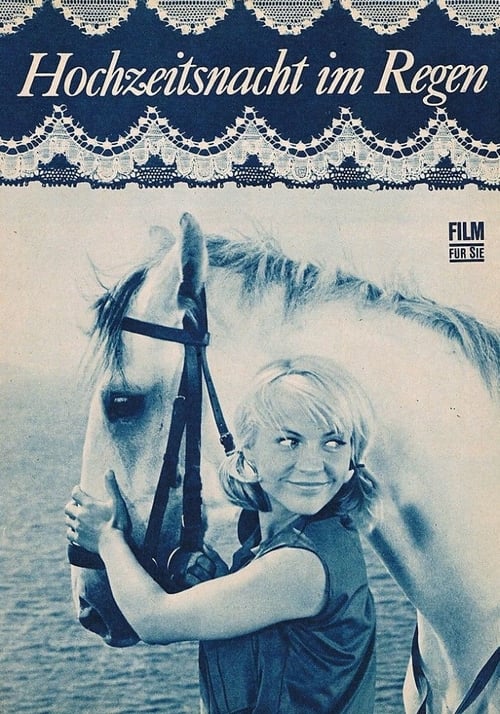
This comedic musical tells the story of Gabi, a young hairdresser from the Baltic coast who desperately wants to be a jockey. One day, she packs her bags, drives to Hoppegarten, and is soundly rejected by the head coach. Gabi doesn't want to give up, and in order to at least have a roof over her head, she rushes into a marriage with the seemingly nice Freddie. However, this marriage soon proves to be her second rejection, as Freddie openly dislikes the fact that she wants to be a jockey.
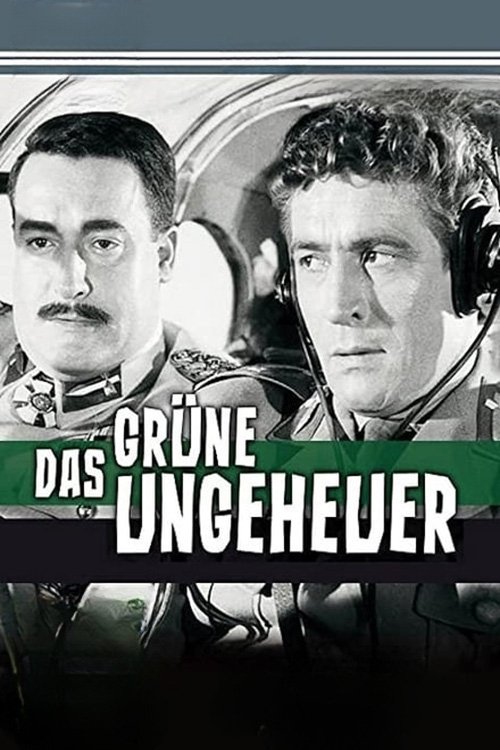
On the run from police in America, Antonio Morena, a former World War II aviator and black-marketeer, finds himself in South America working for the all-powerful United Fruit Company, known to the natives as "the Green Monster".
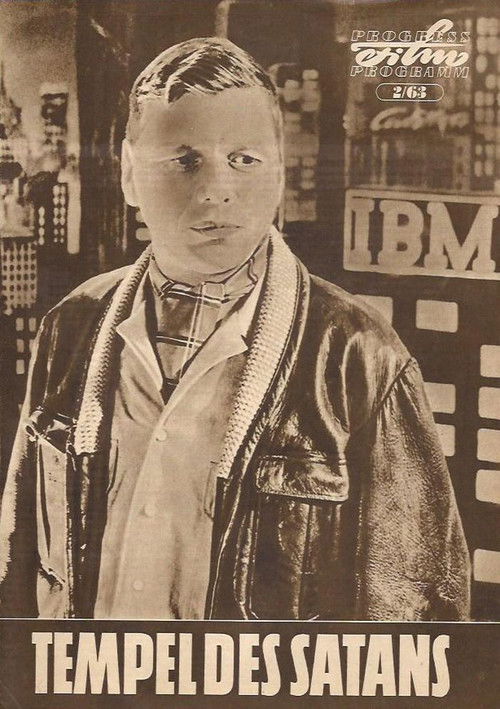
Jürgen Fohrmann works as a hauer underground. In the course of the coal crisis, his mine closes - he loses the work. In this mood, his wife's prosperity thinking gets on his nerves - his marriage threatens to break. The dismissed coal buddy applys, first becomes an auxiliary worker, but then receives a job in an automated operation of the electrical industry and believes to have socially risen through this "clean work". Fohrmann quickly realizes that wearing a "white coat" is only seemingly better than the arduous work in the pit and understands that he can no longer stay out of the work struggles of the buddies.
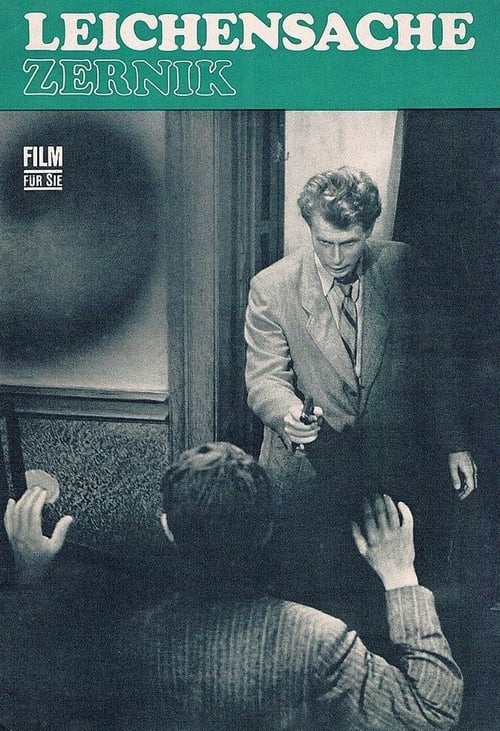
After meeting the woman on the train Erwin Retzmann kills her in the forest.
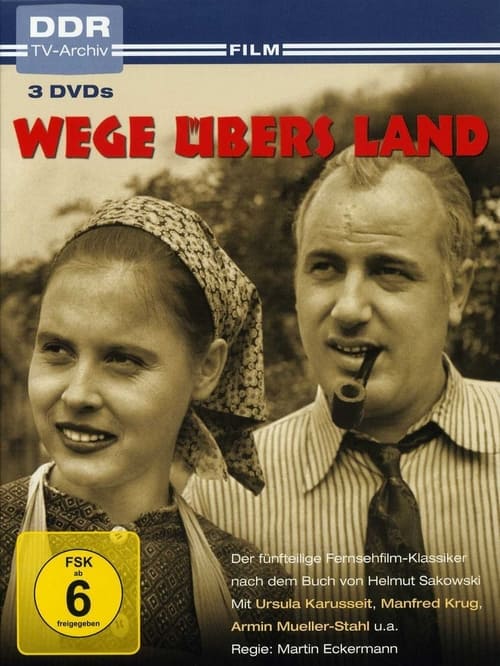
East German TV miniseries about the young maid Gertrud Habersaat, who marries, moves from Mecklenburg to Poland in the early 1940s, has to come back to Mecklenburg as a refugee during World War II and finally finds her place during the 1950s.
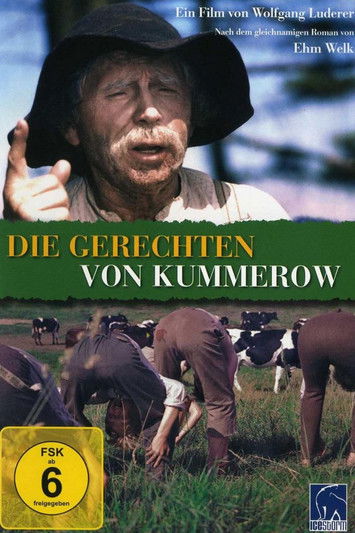
In the late 1950s, the collectivization of agriculture is in full swing in the East German village of Willshagen on the German-German border. Those in charge have to face many obstacles, especially from a large-scale farmer who is unwilling to join the co-op. All of a sudden, mysterious men in a fancy car appear in the village and show an interest in the rundown manor house. Gossip spreads quickly, and some villagers think there will be a re-parceling of properties and a land swap with West Germany. They assume everything will go back to how it used to be and even expect the count to return to his manor. In preparation, the situation in the village escalates at a fevered pitch.
In a small town, a brigade is working on the construction of a new cultural center. Gerhard loves Karin, the daughter of brigadier Franz, who is not thrilled with the prospective son-in-law. Under the influence of his colleague "Boxer", who wants to go to a big city with him, Gerhard neglects his crane operator course, his work and ultimately Karin too. The failed crane test infuriates him and turns him into a rioter. After quarrels on the construction site, Franz is found unconscious on the crane at night. Gerhard comes under suspicion, but the accident was the fault of "Boxer". When he tries to escape, Gerhard, who has come to his senses, is able to hold him back. Remorseful, they go to the police together. Karin is also reconciled and the wedding is to take place in the finished Kulturhaus.
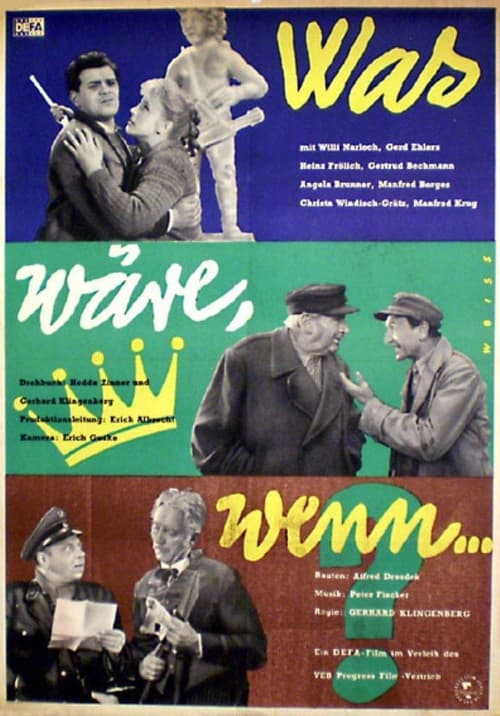
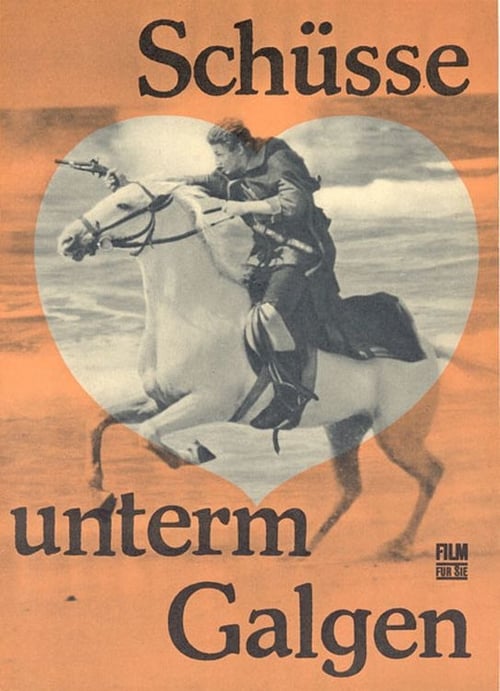
Götz von Bredow's elk-leather trousers have their own special meaning: whoever wears them cannot come to any harm. Only they must not be washed. The meticulous Mrs. Brigitte cleans them anyway - but they get lost because the squire Hans-Jürgen, who is guarding them, has to save the life of Eva von Bredow, who is floating in a wash barrel. Meanwhile, Privy Councillor Lindenberg has arrived at the Bredows' house and loses a large sum of money in the game that does not belong to him. He wants to make up for the loss with a robbery. Suspicion first falls on Bredow because his trousers were involved, but Lindenberg is convicted and sentenced to death. This throws the cavalry into turmoil, as robberies are an important source of income for them. The four of them march against the Elector, who is hunting in the Köpenicker Heide. But Bredow, who has his protective trousers back, comes to his aid.
In Scotland in 1751, young David Balfour is shanghaied aboard a ship where he meets Jacobite rebel Alan Breck Stewart with whom he escapes to the Scottish Highlands, dodging the redcoats.
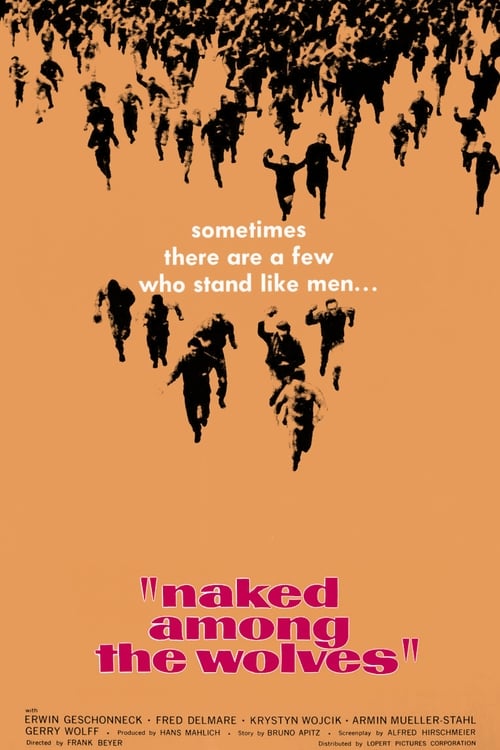
Based on a true story of inmates at KZ Buchenwald that risked their lives to hide a small Jewish boy shortly before the liberation of the camp.
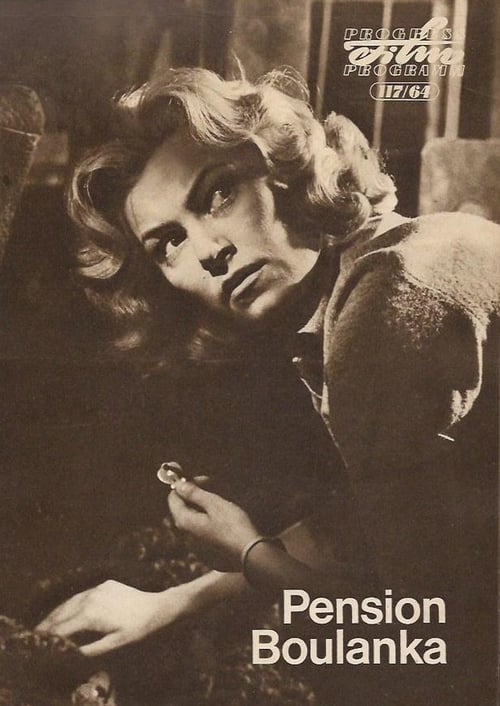
A murder has been committed in "Pension Boulanka", a famous guesthouse for artists and circus people. Captain Bruckner is heading the investigating team.
On August 12, 1961, eight people in three cars set off for Berlin from Leipzig. They want to go to the West. The initiator is the philistine Spiessack, who drives the others, who have embarked on the adventure with mixed feelings. It becomes a journey with numerous incidents and panic, which causes the different characters to clash. When they finally arrive in Berlin the next day, they are not allowed to cross the border. The only option is to return. At home, Spiessack is met by a policeman in his living room - with the slogan "We'll be back" written on the wall.
In a remote Prussian village, the shepherd Krischan with his fantastic stories is the attraction point for the children. One day they experience together how the Müller Düker beats his horse to death and intervene. Düker sues her for body injury at the district court, and because the main accused, Krischan, lives illegally in the village without papers, the village community decides to deport him before the trial. Krischan disappears. The children feel the loss painfully, are outraged by the adults. The boys Martin and John search for Krischan on an adventurous ride and are put by the police. Krischan remains gone.
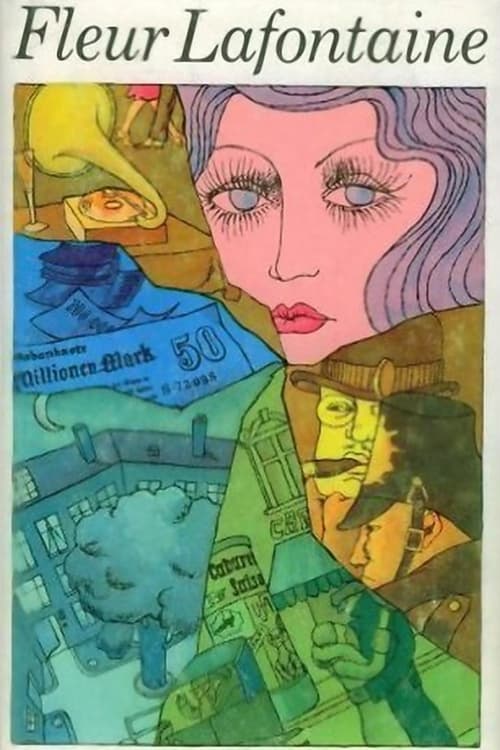
Berlin, 1948: Paralyzed and robbed of her memory, Fleur regains consciousness after a serious fall. The doctor treating her recognizes that her problem is of a psychological nature and encourages her to face up to her past. The daughter of a brothel owner is reluctant to look back: on a hapless childhood, her relationships with bon vivant Dr. Goldner and the politically committed locksmith Philipp (Hilmar Thate) as well as the difficult period of fascism... This exciting journey into the German past is based on Dinah Nelken's novel "Das angstvolle Heldenleben einer gewissen Fleur Lafontaine".