FEEL IT.STREAM
?

Jeremy Earp

Directing

Biography

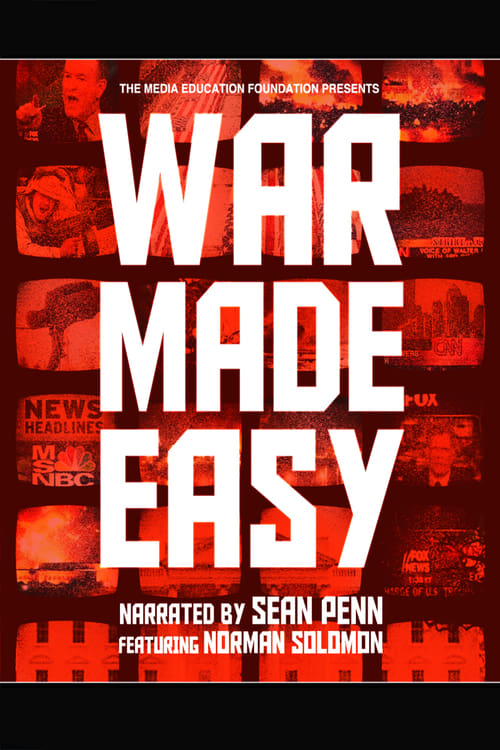
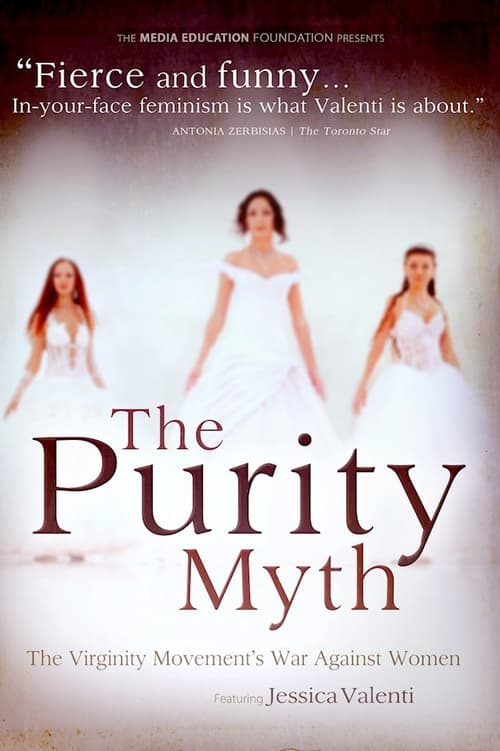
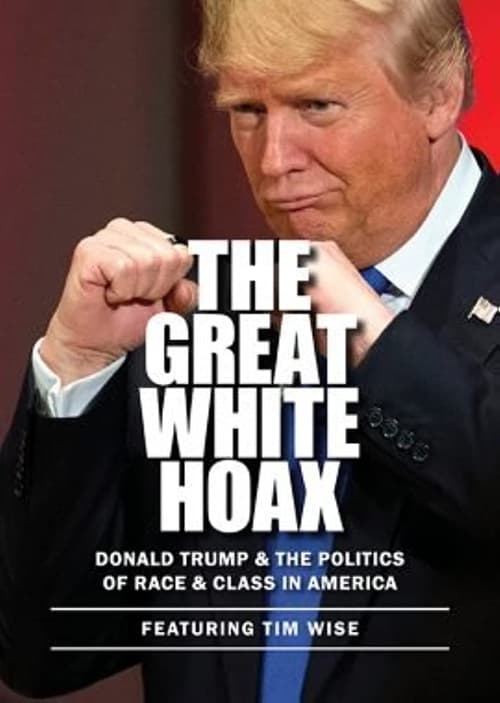
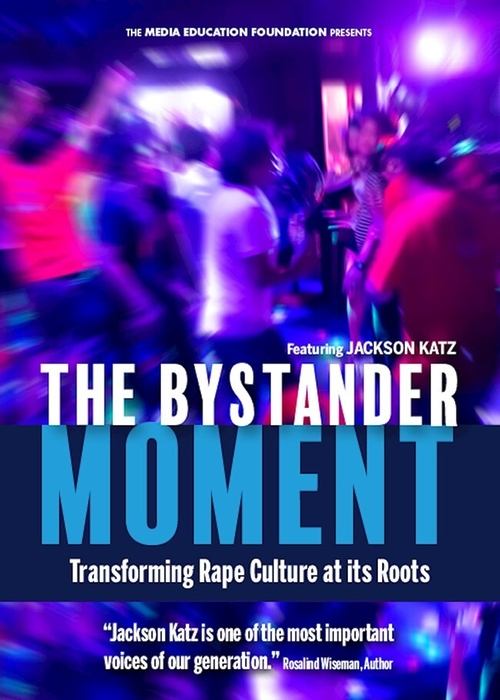
Jeremy Earp is the production director of the Media Education Foundation (MEF). He has directed, co-directed, produced, written and co-written over a dozen MEF films on the social, political and cultural impact of corporate media and political propaganda, including “Hijacking Catastrophe: 9/11, Fear & the Selling of American Empire” (2004); “War Made Easy: How Presidents & Pundits Keep Spinning Us to Death” (2007); “Not Just a Game: Power, Politics & American Sports” (2010); “The Purity Myth: The Virginity Movement’s War on Women” (2011); “Tough Guise 2: Violence, Manhood & American Culture” (2013), “The Great White Hoax: Donald Trump and the Politics of Race & Class in America” (2017); and “The Bystander Moment: Transforming Rape Culture at Its Roots” (2018). Prior to joining MEF in 2002, Earp taught at New School University and Parsons School of Design in New York City, at the Art Institute of Boston and Northeastern University in Massachusetts, and worked as a news and sports reporter for a daily newspaper in the Greater Boston area.
Known For

No image
6.5

Arguing that advertising not only sells things, but also ideas about the world, media scholar Sut Jhally offers a blistering analysis of commercial culture's inability to let go of reactionary gender representations. Jhally's starting point is the breakthrough work of the late sociologist Erving Goffman, whose 1959 book The Presentation of the Self in Everyday Life prefigured the growing field of performance studies. Jhally applies Goffman's analysis of the body in print advertising to hundreds of print ads today, uncovering an astonishing pattern of regressive and destructive gender codes. By looking beyond advertising as a medium that simply sells products, and beyond analyses of gender that tend to focus on either biology or objectification, The Codes of Gender offers important insights into the social construction of masculinity and femininity, the relationship between gender and power, and the everyday performance of cultural norms.

The Codes of Gender

2010Movie
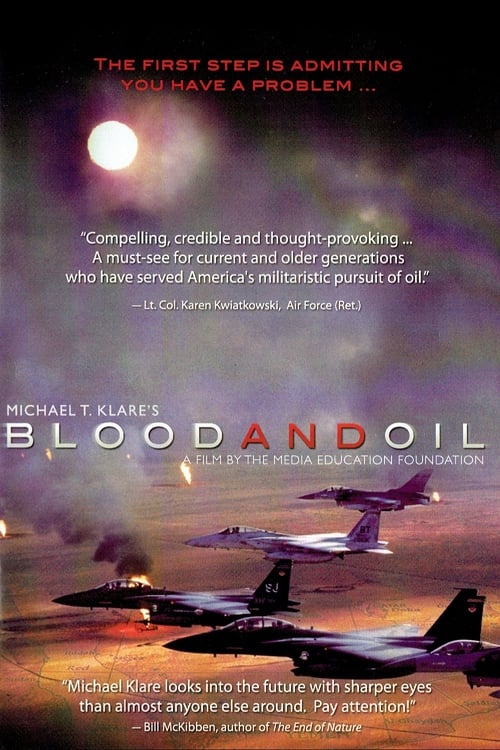
Blood and Oil
6.0

The notion that oil motivates America's military engagements in the Middle East is often disregarded as nonsense or mere conspiracy theory. In Blood and Oil, bestselling author and Nation magazine defense correspondent Michael T. Klare challenges this conventional wisdom and corrects the historical record. The film unearths declassified documents and highlights forgotten passages in prominent presidential doctrines to show how concerns about oil have been at the core of American foreign policy for more than 60 years -- rendering our contemporary energy and military policies virtually indistinguishable. In the end, Blood and Oil calls for a radical re-thinking of US energy policy, warning that unless we change direction, we stand to be drawn into one oil war after another as the global hunt for diminishing world petroleum supplies accelerates.

Blood and Oil

2008Movie
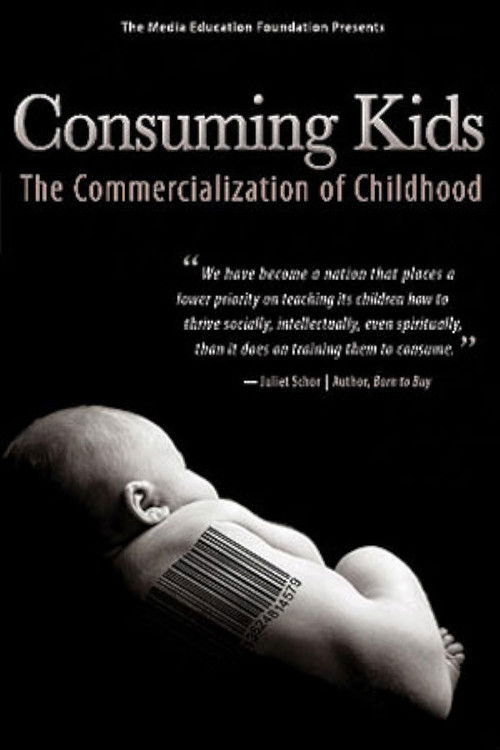
Consuming Kids: The Commercialization of Childhood
7.4

Consuming Kids throws desperately needed light on the practices of a relentless multi-billion dollar marketing machine that now sells kids and their parents everything from junk food and violent video games to bogus educational products and the family car. Drawing on the insights of health care professionals, children's advocates, and industry insiders, the film focuses on the explosive growth of child marketing in the wake of deregulation, showing how youth marketers have used the latest advances in psychology, anthropology, and neuroscience to transform American children into one of the most powerful and profitable consumer demographics in the world. Consuming Kids pushes back against the wholesale commercialization of childhood, raising urgent questions about the ethics of children's marketing and its impact on the health and well-being of kids.

Consuming Kids: The Commercialization of Childhood

2007Movie
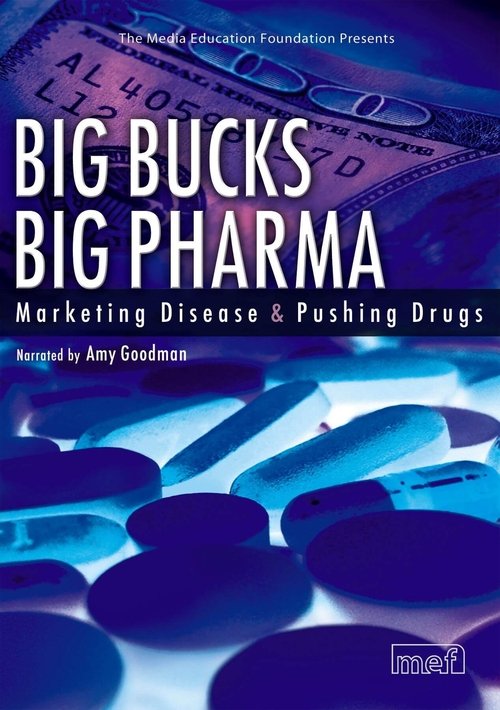
Big Bucks Big Pharma - Marketing Disease and Pushing Drugs
5.2

Big Bucks, Big Pharma pulls back the curtain on the multi-billion dollar pharmaceutical industry to expose the insidious ways that illness is used, manipulated, and in some instances created, for capital gain. Focusing on the industry's marketing practices, media scholars and health professionals help viewers understand the ways in which direct-to-consumer (DTC) pharmaceutical advertising glamorizes and normalizes the use of prescription medication, and works in tandem with promotion to doctors. Combined, these industry practices shape how both patients and doctors understand and relate to disease and treatment. Ultimately, Big Bucks, Big Pharma challenges us to ask important questions about the consequences of relying on a for-profit industry for our health and well-being.

Big Bucks Big Pharma - Marketing Disease and Pushing Drugs

2006Movie
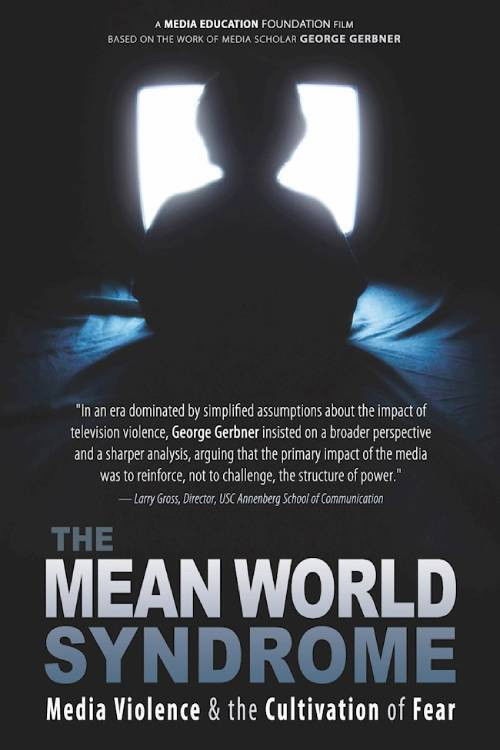
The Mean World Syndrome

For years, debates have raged among scholars, politicians, and concerned parents about the effects of media violence on viewers. Too often these debates have fallen into simplistic battles between those who claim that media images directly cause violence and those who argue that activists exaggerate the impact of media exposure. Based on interviews conducted with George Gerbner before his death in 2005, the film urges us to think about media effects in more nuanced ways. In contrast to behaviorist models that see media violence as causing real-world violence, and limited effects models that question the impact of media altogether, Gerbner encourages us to move outside the frame of this debate to consider how the repetitive stories media tell constitute a pervasive cultural environment - a landscape of ritualized, often violent images that have the power to cultivate how we see and understand the world.

The Mean World Syndrome

2010Movie
Advertising at the Edge of the Apocalypse

In this highly anticipated sequel to his groundbreaking, ADVERTISING AND THE END OF THE WORLD, media scholar Sut Jhally explores the devastating personal and environmental fallout from advertising, commercial culture, and rampant American consumerism. Ranging from the emergence of the modern advertising industry in the early 20th century to the full-scale commercialization of the culture today, Jhally identifies one consistent message running throughout all of advertising: the idea that corporate brands and consumer goods are the keys to human happiness. He then shows how this powerful narrative, backed by billions of dollars a year and propagated by the best creative minds, has blinded us to the catastrophic costs of ever-accelerating rates of consumption.

Advertising at the Edge of the Apocalypse

2018Movie
The Man Card

For years, right-wing politicians and pundits have repeatedly criticized the left for playing “the race card” and “the woman card.” This new film turns the tables and takes dead aim at the right’s own longstanding – but rarely discussed – deployment of white-male identity politics in American presidential elections. Ranging from Richard Nixon’s tough-talking, law-and-order campaign in 1968 to Donald Trump’s hyper-macho revival of the same fear-based appeals in 2020, "The Man Card" shows how the right has mobilized dominant ideas about manhood and enacted a deliberate strategy to frame Democrats and liberals as soft, brand the Republican Party as the party of “real men,” and position conservatives as defenders of white male power and authority in the face of transformative demographic change and ongoing struggles for racial, gender, and sexual equality.

The Man Card

2020Movie