Acting
No description available.
Amor Eterno Amor is a Brazilian telenovela produced by Rede Globo and exhibited in the schedule of 18 hours. Written by Elizabeth Jhin and directed by Roberta Richards, Fábio Strazzer, Luciana Oliveira Paulo Ghelli, Pedro Vasconcelos and Rogério Gomes, it was released on March 5, 2012, ending on September, 7 of the same year, replacing A Vida da Gente.
Brava Gente was a television series aired by TV Globo in Brazil between 2000 and 2003, initially as a special year-end. The program was adapted from stories and national stories, and plays by famous playwrights, screenwriters and signed by a number represented by several actors and actresses. The genres of the stories varied each week with the style of each director or author. Brava Gente in the stories ranged from comedies and dramas. In all 53 episodes were shown, broadcast on Tuesday nights.
Unhappy in her marriage, Rachel decides to separate from her husband, the businessman Virgílio. Determined to turn her life around, she moves from Petrópolis to the southern zone of Rio de Janeiro with her daughter, Clara, and goes to live in her mother Laura's house in Ipanema. There she falls in love with the charming, but gruff, Heitor, owner of a mechanic shop. He lives with his sister, Irene, in an old townhouse, one of the main settings of the telenovela.
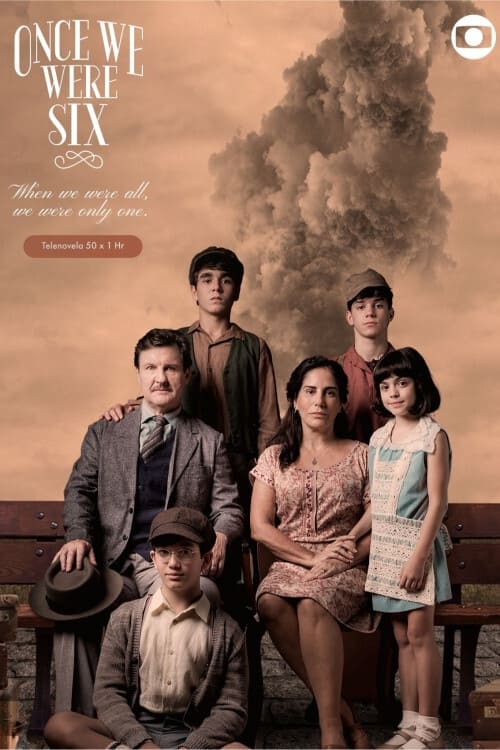
The plot tells the history and daily life of the Lemos Family between the 1920s and 1940s. Júlio works in a fabric store and has the ambition of getting rich to offer his family a good life. His wife, Lola, does everything she can to keep her family together, because she believes that this way they can move on.
Isabel and Augusto are casual lovers and accomplices in dangerous games of seduction. A series inspired by the 1782 French classic *Les Liaisons dangereuses*.
The miniseries portrays the legendary persona of the revolutionary and innovative broadcaster who changed the way television was made in Brazil, as well as the man behind the irreverent and unmistakable look.
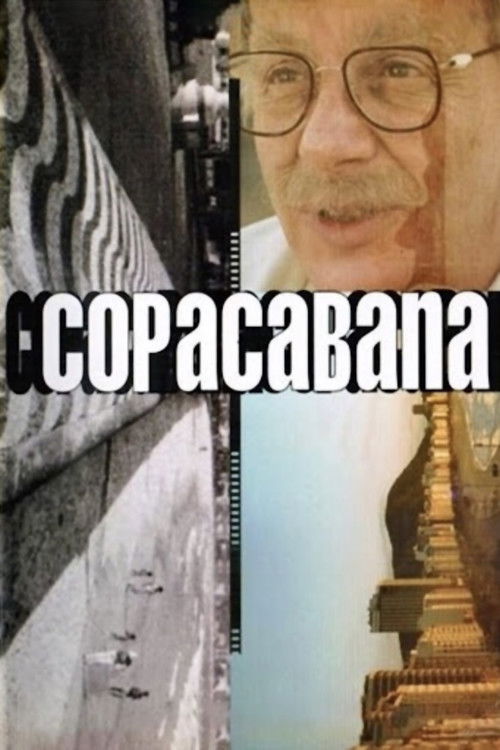
Moments before turning 90 years of age, Alberto remembers his life, lived in Copacabana, a neighborhood in Rio de Janeiro. The film is a comedy about old age nowadays, with Copacabana as a background.
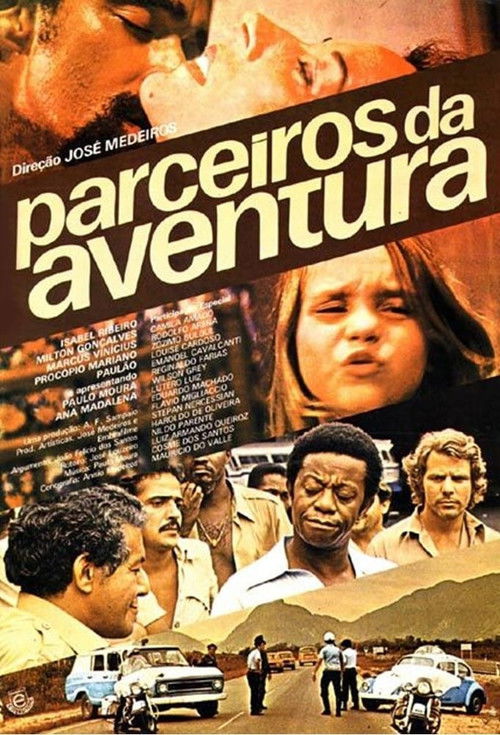
Rio de Janeiro crooks rove about, performing petty tricks to survive, and get involved with a woman who steals cars.
The trajectory and artistic imagery of actor and director Zbigniew Ziembinski (1908-1978), precursor of modern theater in Latin America and master of generations of Brazilian actors. The polyphonic montage builds on vast unpublished material, covering half a century of performances, teletheaters and interviews by Zimba, as he was known – before and after fleeing Poland, on the eve of the invasion of Warsaw – and recreates fragments of Wedding Dress , a play by Nelson Rodrigues which the Polish-Brazilian director won a revolutionary montage in 1943.
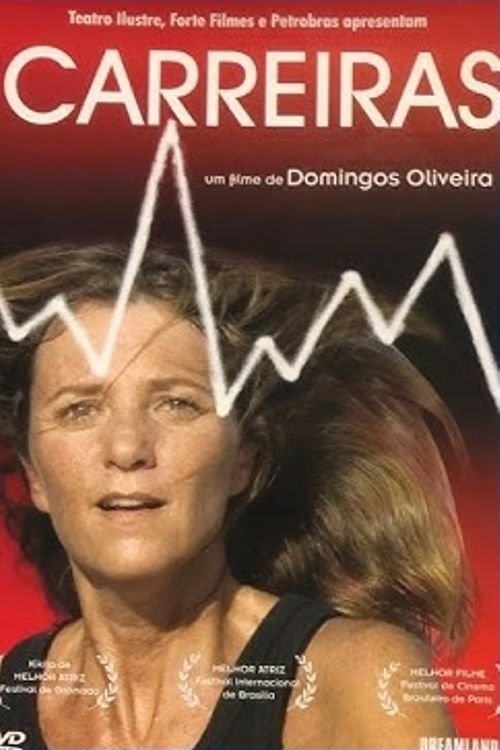
Ana Laura is a 40 year-old, good looking and well-informed TV News Anchor who's also a cocaine addict. Facing her career decline as the channel she works in starts to give more space to younger professionals, she faces a night of unusual events as she dives further into drug abuse.
Elderly couple, in their 90s, live in a lighthouse where the old man is a janitor. Isolated and with no visitors, they decide that on that day the old man will finally make an announcement that will change humanity or at least what is left of it.
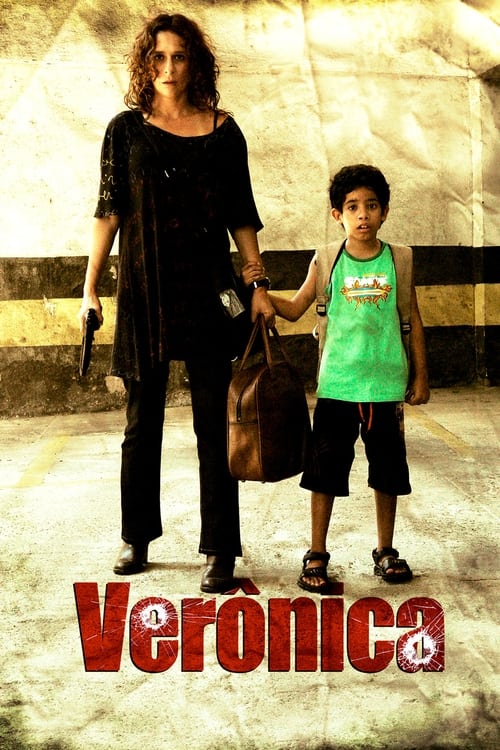
When a teacher takes one of her students to his home in the slum, she discovers that drug traffickers have killed the child's parents and are looking for the boy.
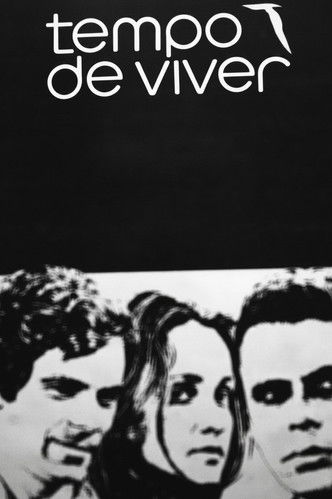
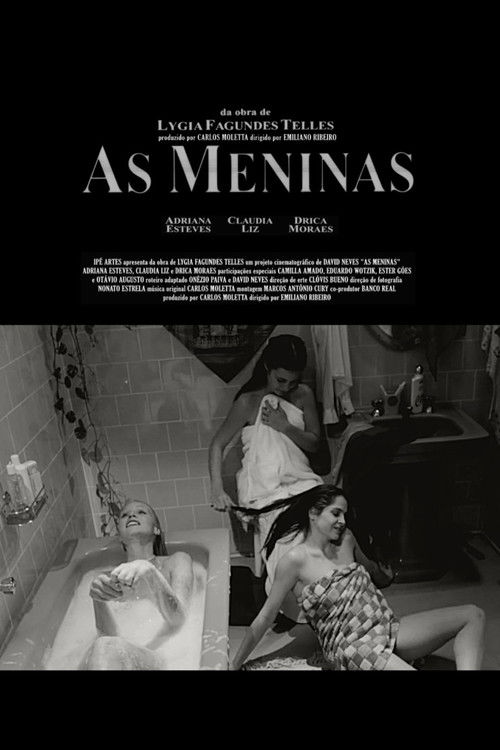
During the military dictatorship in Brazil, Lorena, Lia and Ana Clara, three university students of different social backgrounds and origins meet at a nun's pension in São Paulo. Besides their differences, they become close friends, sharing their dramas and dreams, helping each other until the day they have to separate permanently.