Jacques Kébadian
Directing
Biography
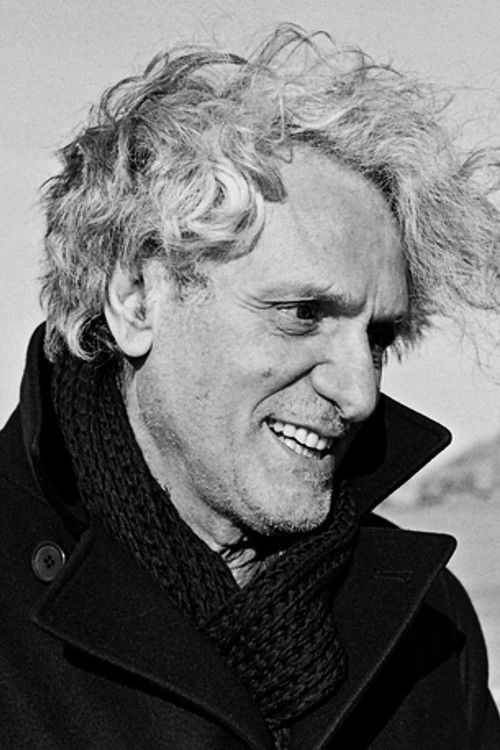
Jacques Kébadian is a French filmmaker of Armenian descent. He began his career assisting director Robert Bresson on Mouchette (1967). Kébadian has directed several documentaries and feature films, often focusing on social and political themes. His works include Nous avons bu la même eau (1995) and Retour en Arménie (2007), exploring Armenian identity and history. Kébadian is also known for his involvement in film education and workshops.
Known For

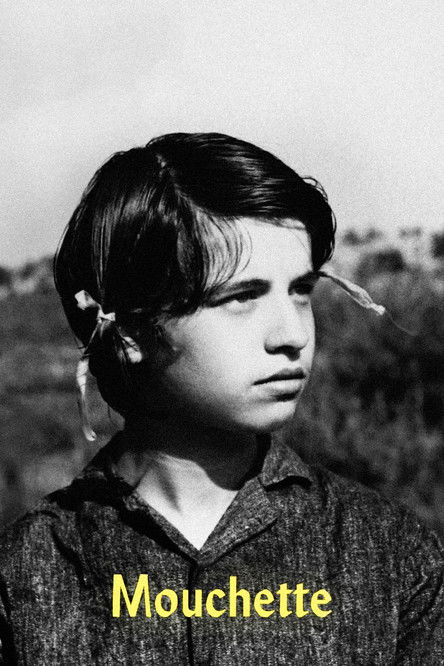
A young girl living in the French countryside suffers constant indignities at the hand of alcoholism and her fellow man.
Mouchette

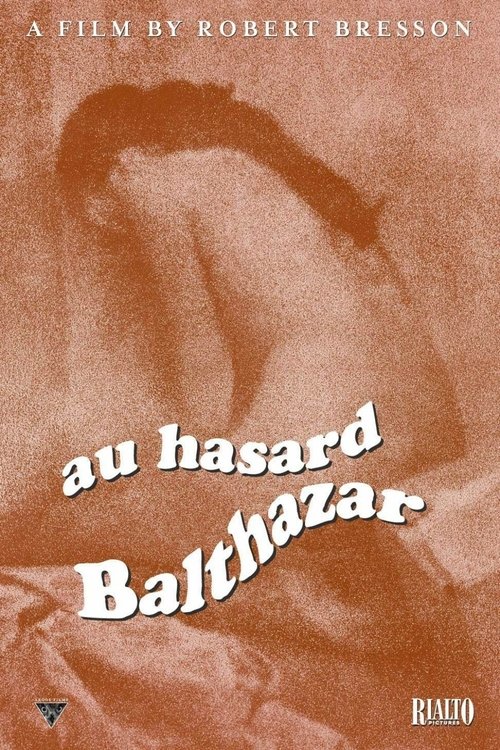
The story of a donkey Balthazar as he is passed from owner to owner, some kind and some cruel but all with motivations beyond his understanding. Balthazar, whose life parallels that of his first keeper, Marie, is truly a beast of burden, suffering the sins of humankind. But despite his powerlessness, he accepts his fate nobly.
Au Hasard Balthazar

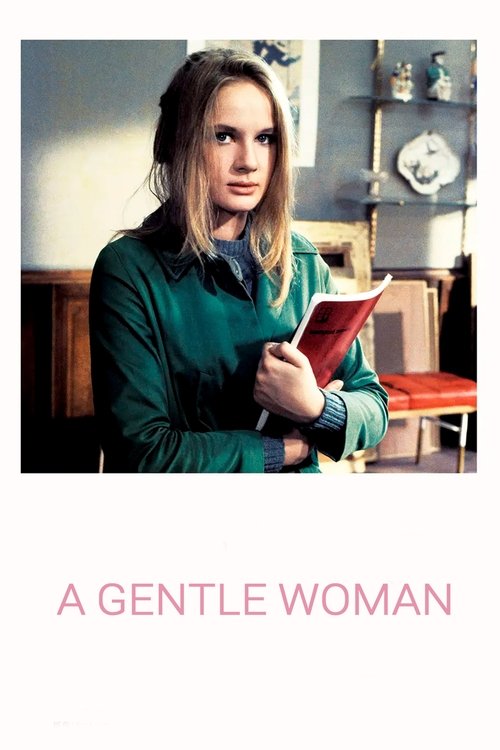
When his young wife commits suicide with no explanation, an introspective pawnbroker looks back on their life together.
A Gentle Woman

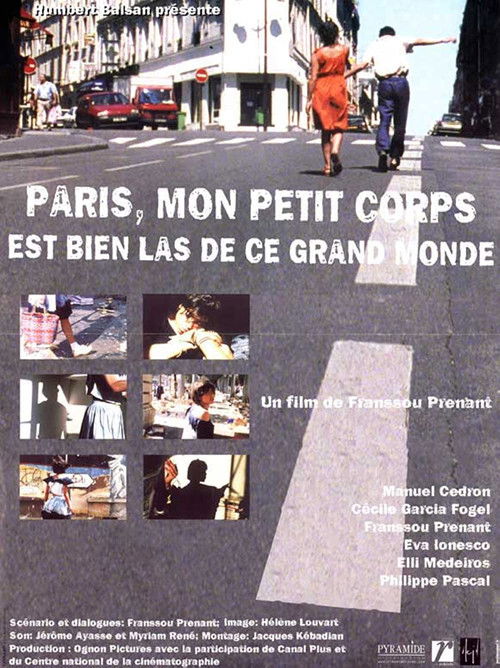
Lunettes and Myope: two ways of resisting the world. Identical and opposites, face to face or, more often, back to back, in a small room in a timeless space. Twins and adversaries, these two girls make one: Lunettes uses her glasses to help her understand the world, or at least accept it; Myope can't see, except within herself, and lost in her blurred, but sharp, experience of the world, rebels continuously. Incited by Lunettes, Myope creates (in the same city and climate, but in another dimension) two characters: Pierrot and Agathe. To a certain degree, these two are a disjointed response to Myope, Lunettes, neighbors, and distant representatives. It's very hot. The inhabitants are interested in fountains and shadows. They build cool cabins, hanging curtains over the balcony balustrades. Asphalt sticks to the soles of sandals and when the wind blows, the canopies flap above the café terraces.
Paris, My Little Body Is Very Tired of This Big World

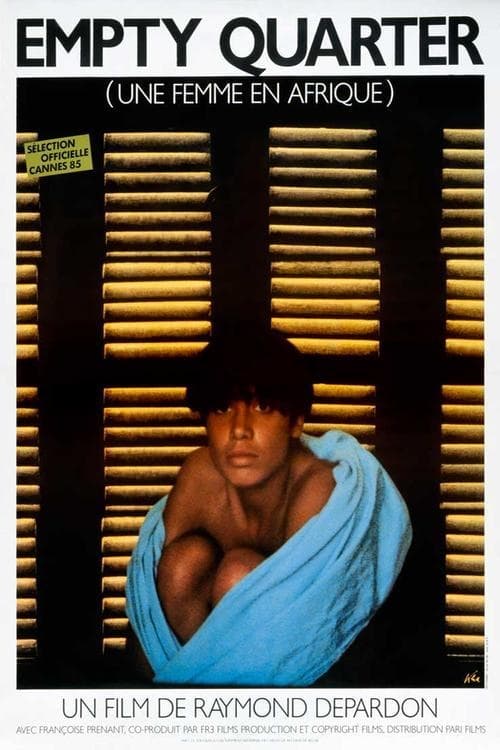
A man invites a woman to share his room in a hostel and gradually falls in love with her.
Empty Quarter: A Woman in Africa
A short film by Louis Skorecki.
Les pieds dans les nuages (et la tête dans la lune)

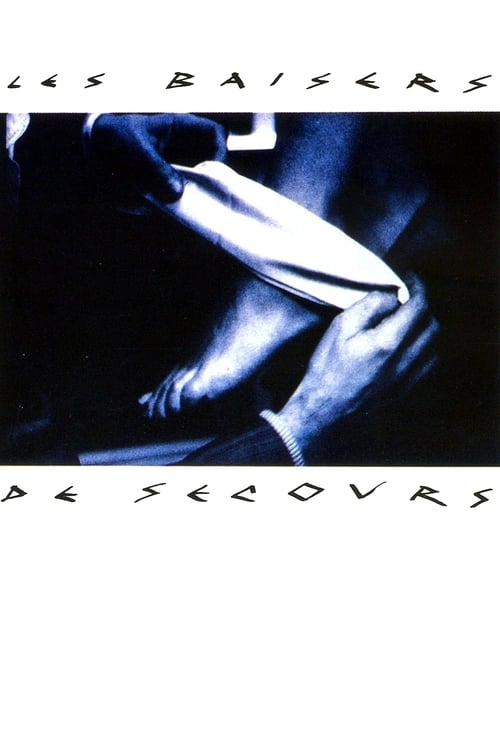
When film director Mathieu casts a famous actress to portray a character based on his aspiring-actress wife, he creates a rift in his marriage. French filmmaker Philippe Garrel's family members portray versions of themselves in this lyrical drama.
Emergency Kisses
The Hovanessian family immigrated to the United States in winters 1994. Vartan and Anahide allowed me to share the last days before their departure from Erevan. The young Armenian Republic, still in shock from the earthquake and in conflict with Azerbaijan for the autonomy of Karabagh, was suffocated by a blockade that made the emergence of a new economy difficult.
20 Ans après

"Part of the series grands jours et jours ordinaires (big days and ordinary days), UN CAFE UN details a small coffee shop and bistro in Paris over the course of one long working day, carefully registering small moments (like one businessman’s very long gulp of his first beer, or a bored child soliciting the attention of the various old ladies who flock to the espresso counter on the regular.)" - Spectacle Theater
One Coffee, One

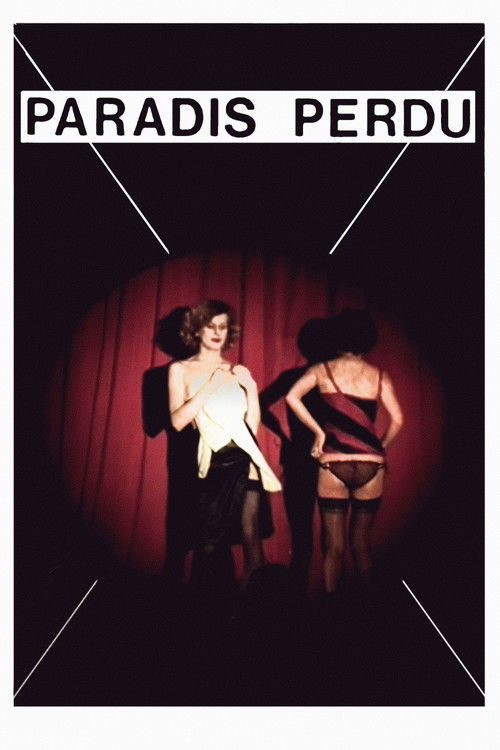
Young trans women turn the streets of Paris into their cabaret. Their dreams are quickly caught up by reality.
Paradis Perdu

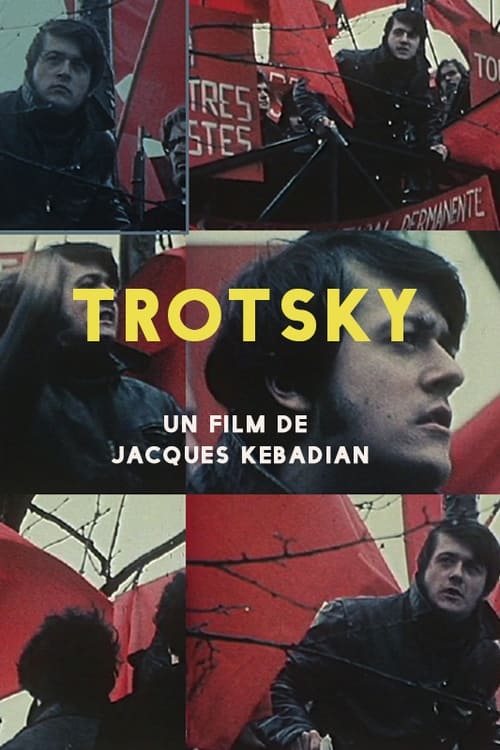
Story of the life of an extraordinary man, who with Lenin, was the symbol of the Revolution of 1917.
Trotsky

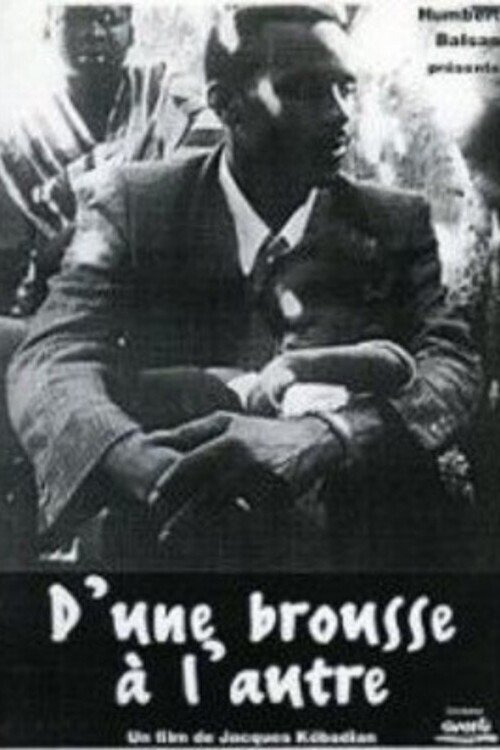
In March 1996 the French government decided to expel all African family who did not have papers from the city of Paris. During a six month period of time, the director followed many of the families and got there testimonials about how it felt to be discriminated against by the French on film. Eventually the documentary focuses on one man who emerges at the center of the fight to not to be sent back to Africa. In the end he is sent back to his native Mali, the director and his camera accompany him.
D'une brousse à l'autre

Pierre Guyotat at home, between 2002 and 2009: scenes from a writer’s life. First he organises his library : each book is an occasion for comments, reminiscences, questionnings. Then he is seen at work, preparing an edition of his Notebooks with his assistant, based on manuscripts from the 1960s. He is finally seen in his room, sitting in bed, discoursing on french kings and working out a text out loud, in a hypnotic self-dictation. Because Pierre Guyotat offers himself unrestrainedly to Jacques Kébadian’s attentive filming, this most precious of films gives us a rare glimpse into a writer’s intimacy: into his labour and passion. (Cyril Neyrat)
Pierre Guyotat, le don de soi
No description available.
Blanche et claire

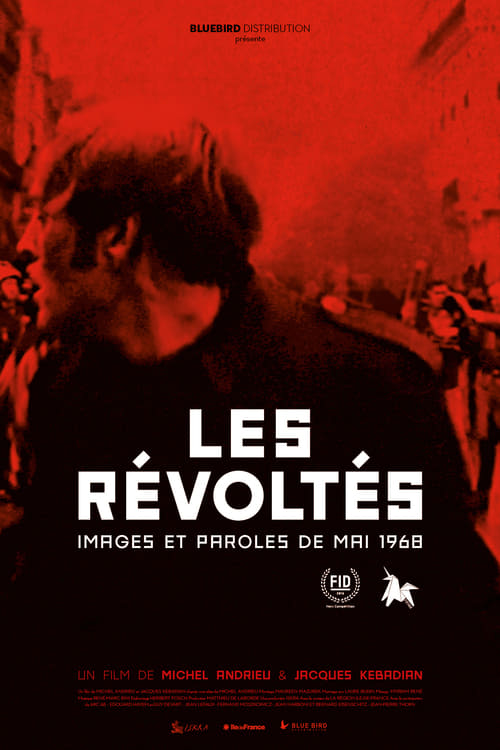
In May 1968, workers, students and young people rise up against the morality and power of the establishment. Faculties and factories are under occupation. Barricades are erected. Paving slabs are launched. Words give way to actions. This is the confrontation. These images bear witness to the men and women who, in their indignancy, march towards their revolution. 50 years ago, as part of our ARC collective, we filmed the uprising of May and June 1968. Out of this material and scenes borrowed from our other filmmaker friends, we created this film.
Les Révoltés

France, 1972. Albertine, a teenager in rebellion against school, the rancid family and religion, asserts her rights to a sexuality without obstacles. Wiith her friends, and the right to the abortion for the minor ones. With her friends, she campaigns for the rights to sexual pleasure and abortion for minor girls.
Albertine ou Les Souvenirs parfumés de Marie-Rose

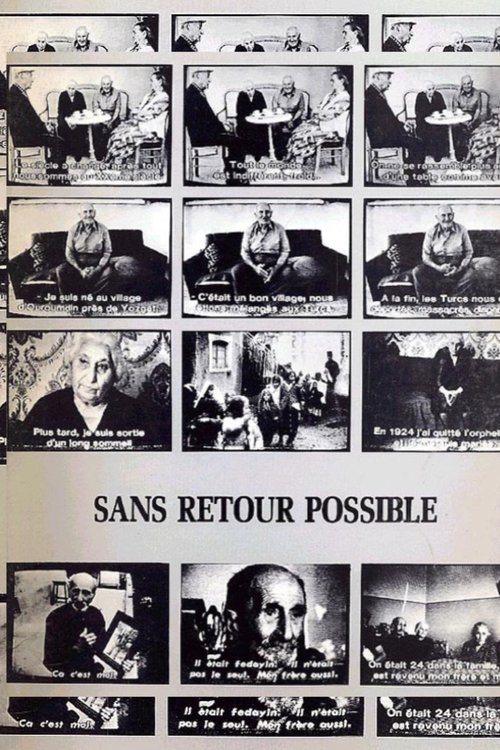
"No Return Possible": these three words cross the identity papers of the Armenians who left Turkey after the massacres of 1915.
No Return Possible
No description available.
Berlin 68 - Rudi Dutschke
No description available.
Que sont mes camarades devenus
No description available.