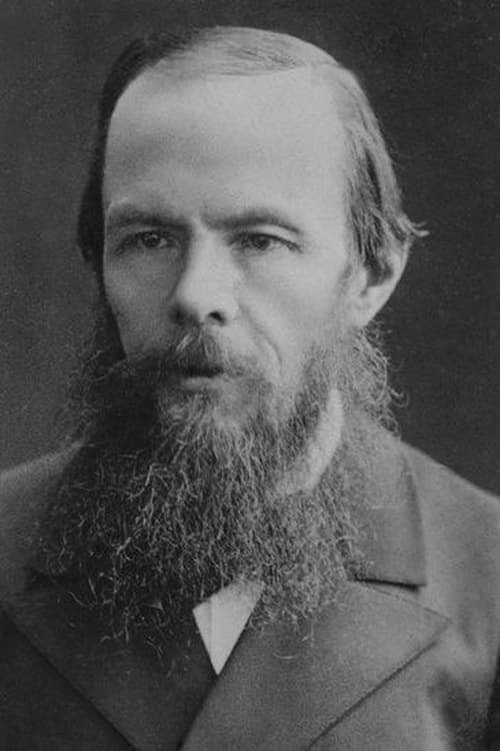
Fyodor Dostoevsky
Writing
Biography
Fyodor Mikhailovich Dostoevsky (UK: /ˌdɒstɔɪˈɛfski/, US: /ˌdɒstəˈjɛfski, ˌdʌs-/; Russian: Фёдор Михайлович Достоевский, tr. Fyódor Mikháylovich Dostoyévskiy, IPA: [ˈfʲɵdər mʲɪˈxajləvʲɪdʑ dəstɐˈjefskʲɪj] (listen); 11 November 1821 – 9 February 1881), sometimes transliterated as Dostoyevsky, was a Russian novelist, short story writer, essayist and journalist. Dostoevsky's literary works explore the human condition in the troubled political, social, and spiritual atmospheres of 19th-century Russia, and engage with a variety of philosophical and religious themes. His most acclaimed novels include Crime and Punishment (1866), The Idiot (1869), Demons (1872), and The Brothers Karamazov (1880). His 1864 novella, Notes from Underground, is considered to be one of the first works of existentialist literature. Numerous literary critics rate him as one of the greatest novelists in all of world literature, as many of his works are considered highly influential masterpieces. Born in Moscow in 1821, Dostoevsky was introduced to literature at an early age through fairy tales and legends, and through books by Russian and foreign authors. His mother died in 1837 when he was 15, and around the same time, he left school to enter the Nikolayev Military Engineering Institute. After graduating, he worked as an engineer and briefly enjoyed a lavish lifestyle, translating books to earn extra money. In the mid-1840s he wrote his first novel, Poor Folk, which gained him entry into Saint Petersburg's literary circles. However, he was arrested in 1849 for belonging to a literary group, the Petrashevsky Circle, that discussed banned books critical of Tsarist Russia. Dostoevsky was sentenced to death but the sentence was commuted at the last moment. He spent four years in a Siberian prison camp, followed by six years of compulsory military service in exile. In the following years, Dostoevsky worked as a journalist, publishing and editing several magazines of his own and later A Writer's Diary, a collection of his writings. He began to travel around western Europe and developed a gambling addiction, which led to financial hardship. For a time, he had to beg for money, but he eventually became one of the most widely read and highly regarded Russian writers. Dostoevsky's body of work consists of 13 novels, 3 novellas, 17 short stories, and numerous other works. His writings were widely read both within and beyond his native Russia and influenced an equally great number of later writers including Russians such as Aleksandr Solzhenitsyn and Anton Chekhov, philosophers Friedrich Nietzsche and Jean-Paul Sartre, and the emergence of Existentialism and Freudianism. His books have been translated into more than 170 languages, and served as the basis for many films.

Known For

No description available.
Alta comedia

No description available.
O Julgamento

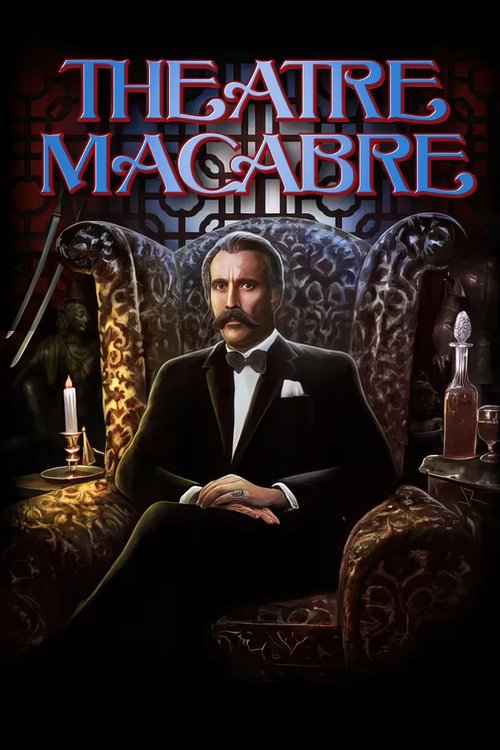
Christopher Lee hosts this horror anthology series from Poland with stories from various classic authors.
Theatre Macabre

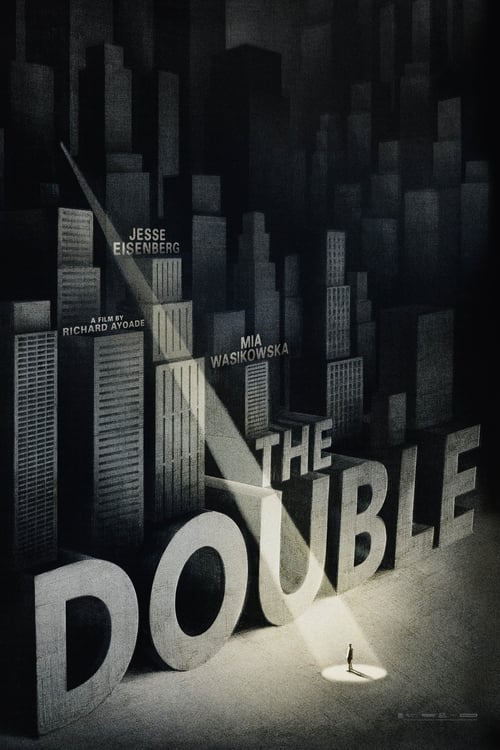
An awkward office drone becomes increasingly unhinged after a charismatic and confident look-alike takes a job at his workplace and seduces the woman he desires.
The Double

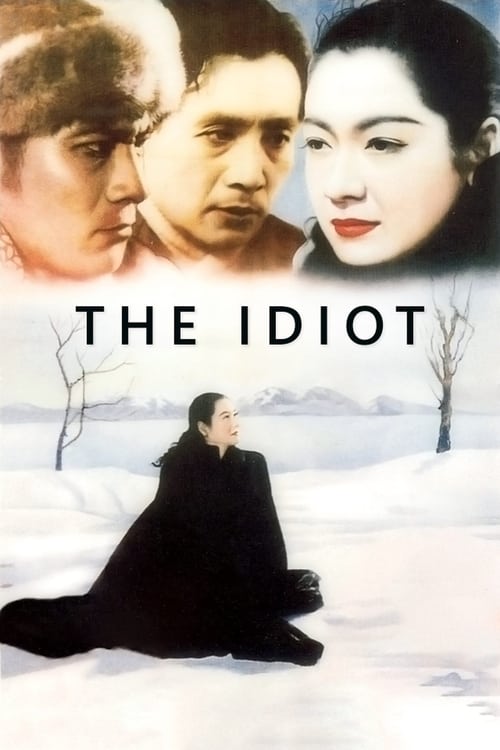
A gentle, war-shattered ex-soldier, Kinji Kameda, arrives in wintry Hokkaidō and is pulled into a volatile tangle of love and pity between the disgraced Taeko Nasu, the proud Ayako, and his possessive friend Akama. Kameda’s saintly compassion exposes everyone’s wounds, steering the quartet toward jealousy, violence, and inexorable tragedy. Adapted from Dostoevsky’s novel.
The Idiot

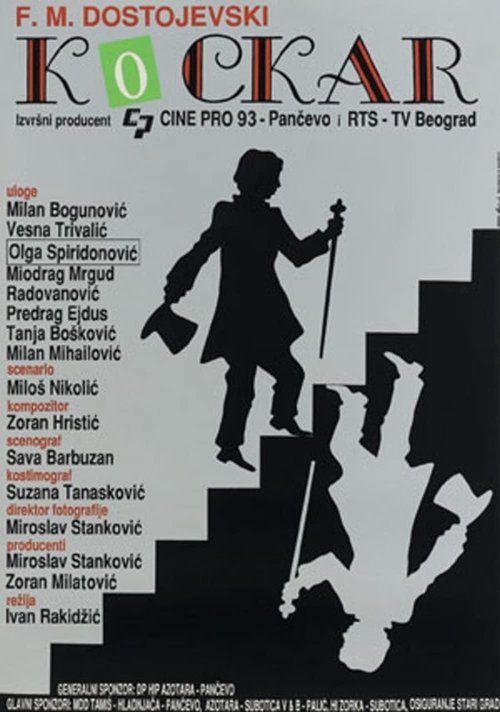
A TV play based on the novel by F.Dostoevsky's "Double. The Petersburg poem". The film uses music from the works of A. Schnittke.
The Double

At the end of the 19th century, a series of mysterious murders occur in the provincial city of N. Metropolitan investigator Goremykin arrives at the crime scene. The search for the perpetrators leads to an unexpected conclusion – a revolutionary circle within the city, which consists of two young men recently returned from Switzerland.
Demons

No description available.
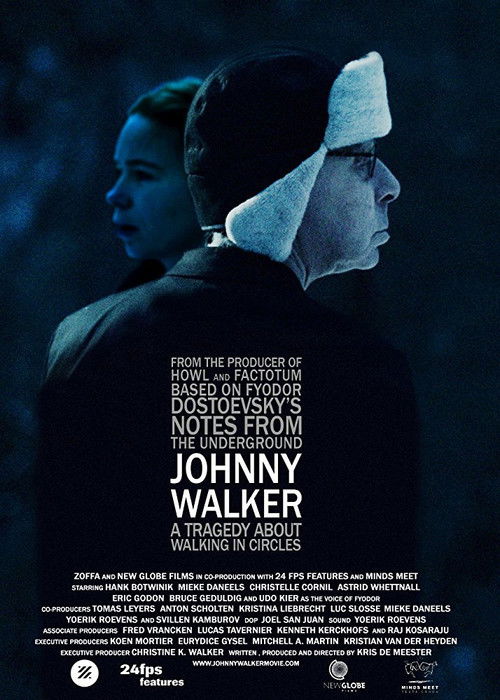
Linhas Cruzadas

Ryevsk, Russia, 1870. Tensions abound in the Karamazov family. Fyodor is a wealthy libertine who holds his purse strings tightly. His four grown sons include Dmitri, the eldest, an elegant officer, always broke and at odds with his father, betrothed to Katya, herself lovely and rich. The other brothers include a sterile aesthete, a factotum who is a bastard, and a monk. Family tensions erupt when Dmitri falls in love with one of his father's mistresses, the coquette Grushenka. Two brothers see Dmitri's jealousy of their father as an opportunity to inherit sooner. Acts of violence lead to the story's conclusion: trials of honor, conscience, forgiveness, and redemption.
The Brothers Karamazov

Set in present day Japan in a provincial town, Bunzo Kurosawa, a greedy and violent father, is murdered in his own home. Bunzo has 3 sons: oldest son Mitsuru, second son Isao and youngest son Ryo. The three sons are suspected of murdering their own father.
The Brothers Karamazov

The Idiot (Идиот) is a 2003 Russian costume drama television serial written by Vladimir Bortko, adapted from Fyodor Dostoevsky's 1869 novel of the same title. In corrupt 19th-century St Petersburg, Christ-like Prince Myshkin becomes entangled in the lives of the self-destructive Nastasya Filippovna and the romantic Aglaya Epanchina.
The Idiot

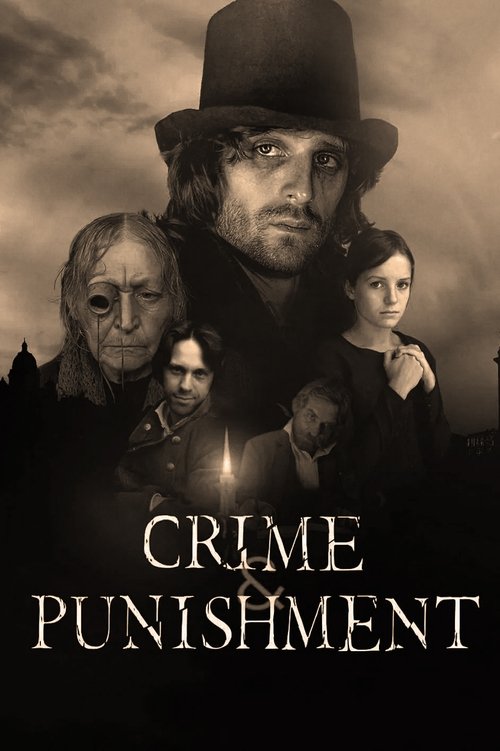
Former student Raskolnikov is pushed to murder when struggling to pay the rent on his apartment. When the murder is being investigated by the police, Raskolnikov struggles between trying to hide his guilt and the pressure to confess.
Crime and Punishment

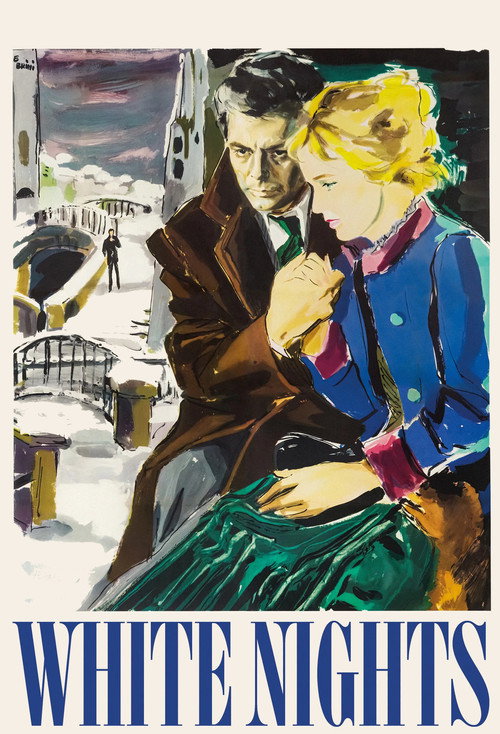
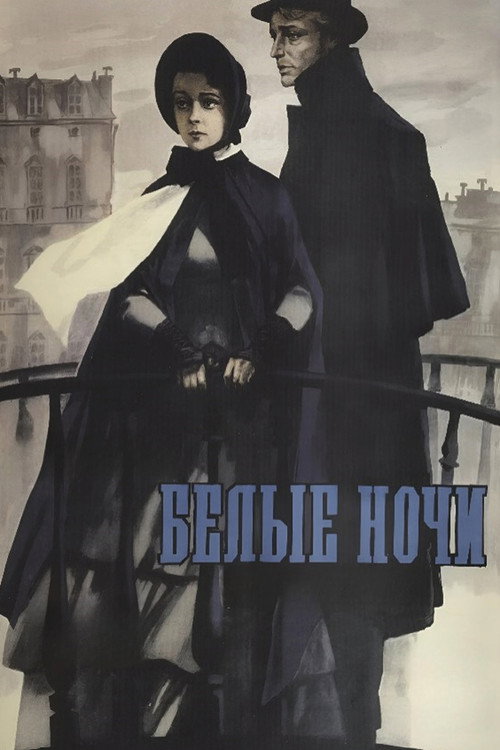
A middle-aged man meets a young woman who is waiting on a canal bridge for her lover's return.
Le Notti Bianche

After losing her job, an unstable woman sinks further and further into a violent fantasy world.
Nina

After a successful bank robbery, Micky hopes to take back his girlfriend Marie who has been taken from him. On the way to Paris he meets Leon, a neurotic dreamer whom he considers an idiot. Leon can hardly understand what Micky is up to but he follows him everywhere and soon falls in love with Marie.
Mad Love

Former student Raskolnikov is pushed to murder when struggling to pay the rent on his apartment. When the murder is being investigated by the police, Raskolnikov struggles between trying to hide his guilt and the pressure to confess.
Crime and Punishment

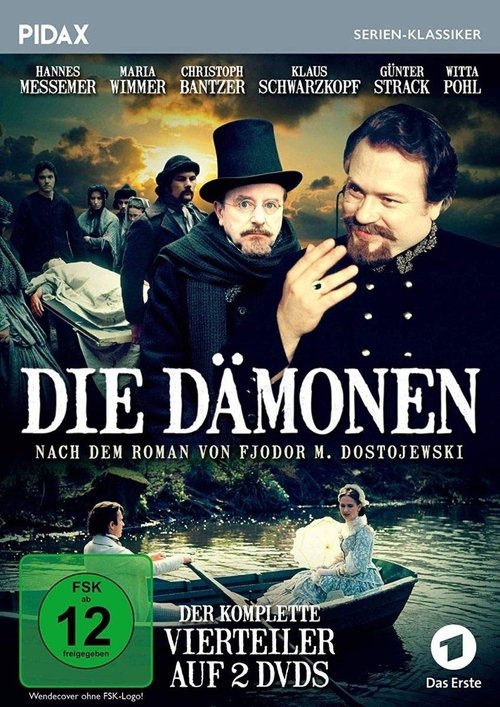
Russia, 1870. A group of young anarchist revolutionaries set out to overthrow the Czarist regime through violence. Their attacks create a climate of psychosis and mutual distrust among the population, but in reality, both revolutionaries and repressors are being manipulated by a diabolical individual.
The Possessed

During the Yugoslav break-up, Federal Army officer is fed up with war and takes some leave in Belgrade. However, it turns out that he is less haunted by war horrors than with some sentimental skeletons in the closet. He meets his former comrade and best friend who is AWOL, but can't report him because he had an affair with his wife.
Deserter

Two souls arrive in a small town, one on vacation, the other to meet a lover. They spend the most magical dream-like days of their lives in that town... with each other.
Saawariya

A woman lives in a small village in Russia. One day she receives the parcel she sent to her husband, serving a sentence in prison. Confused and angered, she sets out to find why her package was returned to sender.