Diego Fabbri
Writing
Biography
Diego Fabbri (July 2, 1911 – August 14, 1980) was an Italian playwright whose plays centered on religious (Catholic) themes. Fabbri graduated from the University of Bologna in 1936 with a degree in economics and business. But his writing career had begun well before that. His first play, The Flowers of Pain, was published in 1928. He followed it with The Node, which was banned by the fascist government. In 1938, he collaborated with Guido Chiesa to write the play Absent. In 1939 Fabbri received an invitation to Rome, to become director of the Publisher Avenue. Then, in 1940, he was appointed secretary of the Catholic Film Center. He held the post until 1959. During this time, Fabbri began work on The Literary Fair. His co-director on this project was the poet Vincenzo Cardarelli. The project could not be completed until 1966, and Vincenzo Cardarelli did not live to see it. Fabbri was particularly prolific in 1940. In that year, he wrote three plays: “Marshes”, “Meadow”, and “Fun”. The following year he came out with “Orbits”, which was staged at the Teatro Quirino in Rome. “Marshes” was staged in the same theater in 1942. One of Fabbri's best known works is Inquisition, which was written in 1946. His career as a screenwriter and scriptwriter began with collaborations with directors as Vittorio De Sica, Alessandro Blasetti, and Germs. He also worked with other film makers such as Roberto Rossellini, Federico Fellini, Paw, Michelangelo Antonioni, René Clair, Luis Buñuel and Fleischer. In 1951 his The Seducer was represented. Fabbri wrote the screenplay for films like the Family Process (1953), The Liar (1954), Trial of Jesus (1955), Vigil of Arms (1956), Delirium (1957), Sons of Art (1959), Process Karamazov (1960), The Squirrel (1961), At the Table Do Not Talk About Love (1962), The Confidant (1964) and The Event (1967). Fabbri was head of the Roman Theatre La Cometa from 1960 to 1962. In 1968 he became President of ETI (Italian Theatre). His term there was marked by a policy of expansion and inculcating a theater culture throughout the country. Fabbri commitment to creating a national theater is reflected in the declaration of the manifesto for a theater of the people, which he signed in 1943, along with other prominent literati such as Pandolfi and Pinelli. Fabbri was one of the founders of the National Union of Drama Writers in 1945. Fabbri was born in Forlì, where a theatre is named after him. His best known plays are Inquisizione (Inquisition) and Processo a Gesú (The Trial of Jesus). He died in Riccione. Source: Article "Diego Fabbri" from Wikipedia in English, licensed under CC-BY-SA.
Known For

Theatre 625 is a British television drama anthology series, produced by the BBC and transmitted on BBC2 from 1964 to 1968. It was one of the first regular programmes in the line-up of the channel, and the title referred to its production and transmission being in the higher-definition 625-line format, which only BBC2 used at the time.
Theatre 625

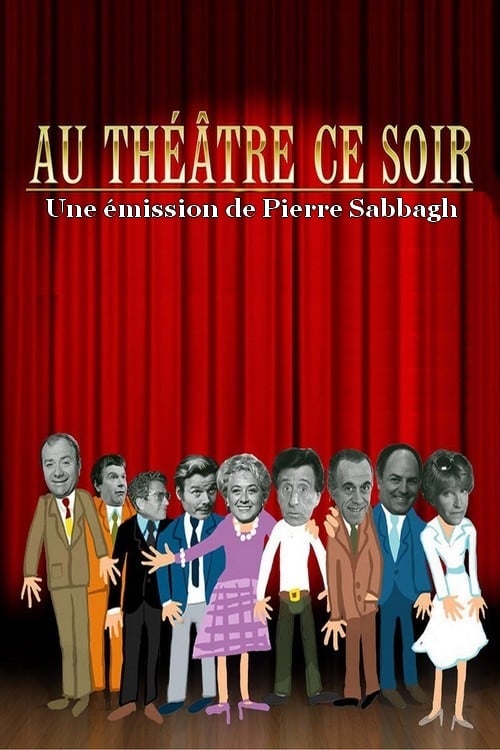
At Theater tonight is a TV show broadcasted from 25th August 1966 to 21st September 1985. The show is broadcast plays recorded in two or three days, during public performances at the Théâtre Marigny on the Champs-Élysées, or sometimes Edouard VII theater.
At Theatre Tonight

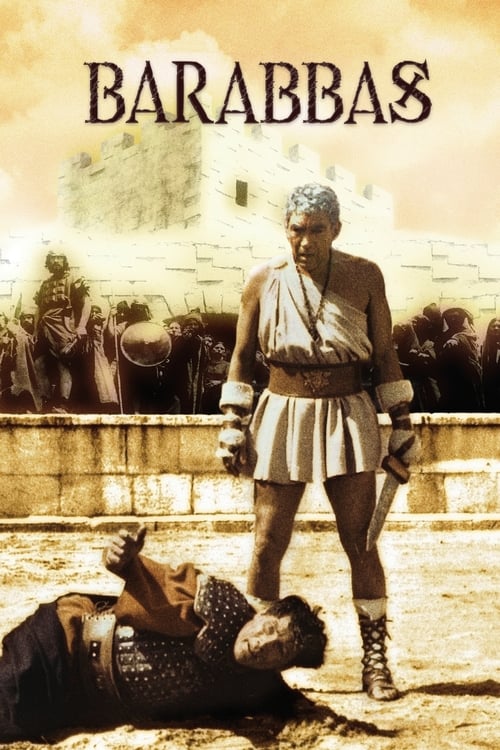
Epic account of the thief Barabbas, who was pardoned for his crimes and spared crucifixion when Pilate offered the Israelites a choice to pardon Barabbas or Jesus. Struggling with his spirituality, Barabbas goes through many ordeals leading him to the gladiatorial arena, where he tries to win his freedom and confront his inner demons, ultimately becoming a follower of the man who was crucified in his place.
Barabbas

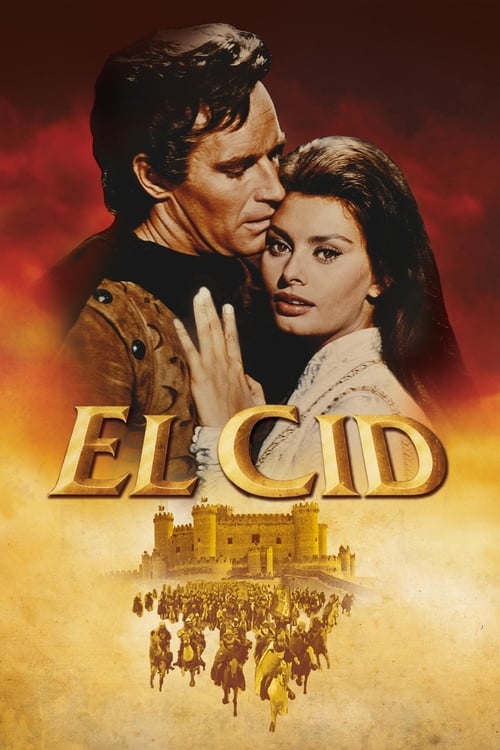
Epic film of the legendary Spanish hero, Rodrigo Diaz ("El Cid" to his followers), who, without compromising his strict sense of honour, still succeeds in taking the initiative and driving the Moors from Spain.
El Cid

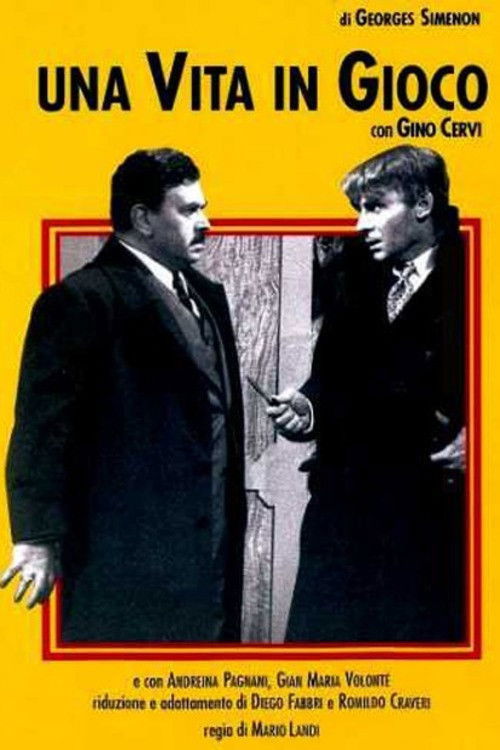
Italian TV series based on the Maigret detective novels.
Le inchieste del commissario Maigret

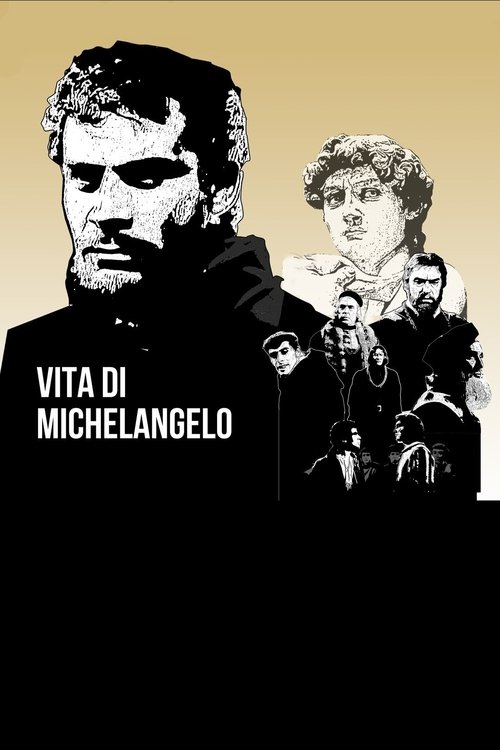
A mini series about the great artist's life.
Vita di Michelangelo

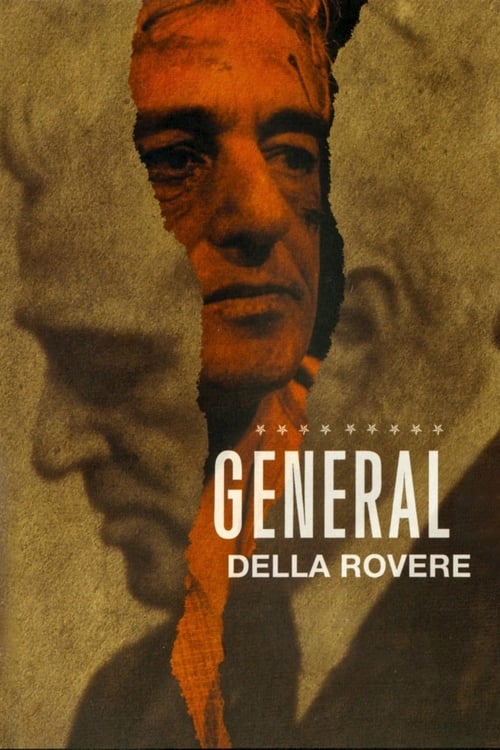
The Gestapo forces con man Victorio Bardone to impersonate a dead partisan general in order to extract information from his fellow inmates.
General Della Rovere

A gorgeous housekeeper turns the tables on the men in a small Mediterranean coastal town by using their own vicious drinking game.
The Law

A clergyman travels to Spain to join the Loyalist side during the Spanish Civil War and finds himself attracted to a beautiful entertainer.
The Angel Wore Red

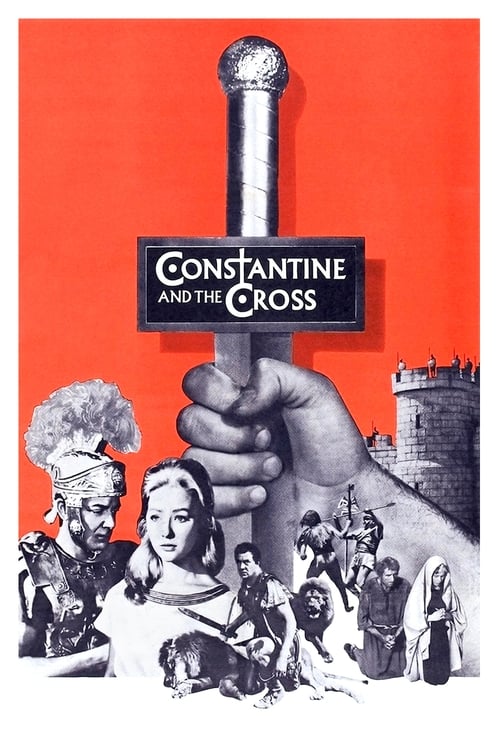
Constantine is fighting against Barbarians with his father when he is called to Rome. In his way to Rome, he falls in an ambush planned by Maxence, who wants to become emperor.
Constantine and the Cross

The charming Adriana gets sick after her husband's death. Her brother-in-law takes her on a journey to meet a doctor, while love overwhelms them.
The Voyage

In Nazi-occupied Rome, a beautiful bootlegger, to the chagrin of her lover, gives sanctuary to three escaped POWs: an American pilot, a Russian sergeant and a British major.
Escape by Night

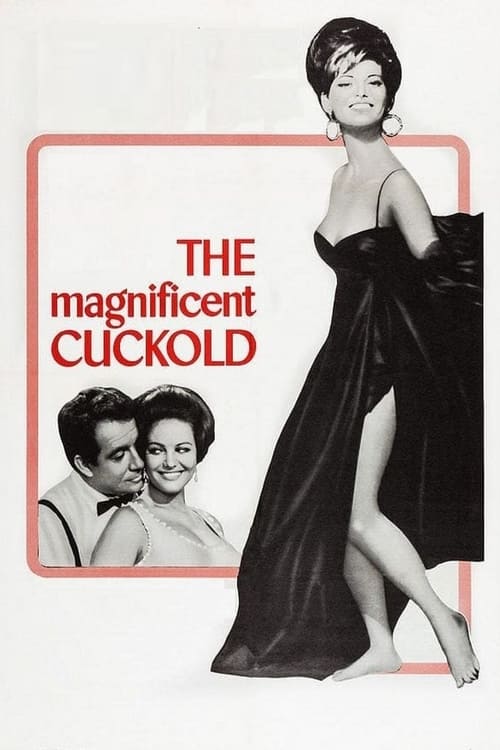
Andrea Artusi is a successful businessman with a beautiful wife, Maria, and a happy marriage - until he has an affair. After his own cheating, he starts to become obsessed with his wife's fidelity. Since she is one of the most desired women in town, he worries that it would be very easy for her to cheat on him. Now every time a man looks at his wife, Andrea goes crazy. Meanwhile, Maria finds out about her husband's affair and decides to plan her revenge.
The Magnificent Cuckold

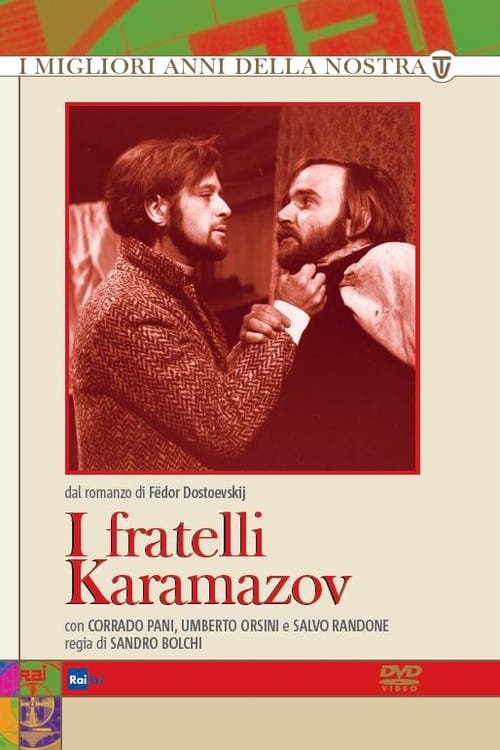
Italian adaptation of Dostoevskys famous novel.
The Brothers Karamazov

The Dumas story about Siamese twins separated at birth but who have a strong psychic link.
The Corsican Brothers

Three tales of privileged youth entangled in murder: French students kill for money, an Italian student smuggles cigarettes, and an English poet exploits a grim discovery.
The Vanquished

The miniseries tells the story of Marina di Malombra, a languid heroine with a morbid, decadent sensibility.
Malombra

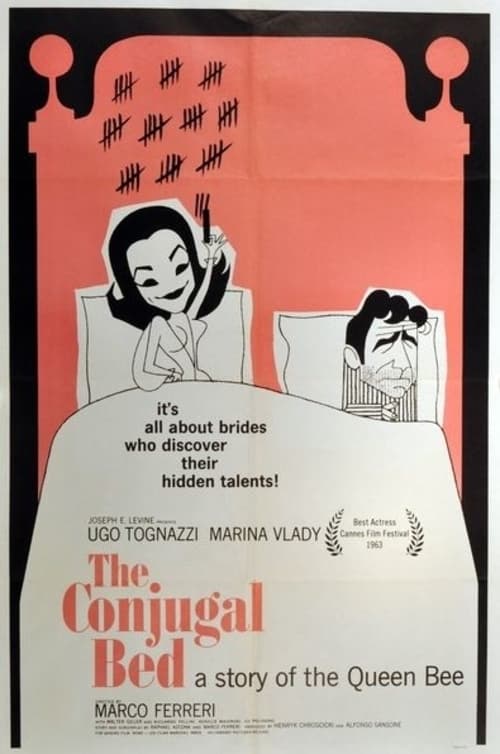
A forty-year-old employee marries a seemingly quiet girl who turns into a mantis after the wedding.
The Conjugal Bed

Satirical film in four episodes about family and marriage.
The Wedding March

Nero is on holiday at the seaside. Poppea, Seneca and many other guests are with him. Nero is preparing a great show where he will be the star. When Agrippina, his mother, arrives with her German praetorians and decides Nero has to conquer Britain, she is asking for trouble. Many attempts of murder and poisoning will happen on the eve of his great show.