Federico Atehortúa Arteaga
Directing
Known For
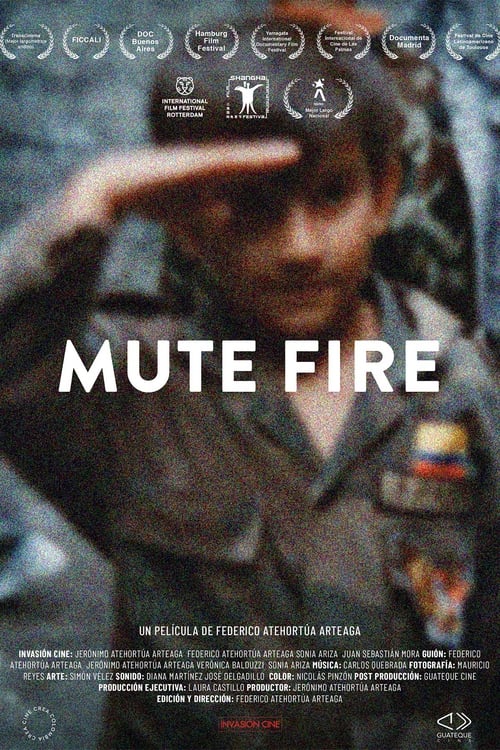
On 6 March 1906, four men were executed for the attempted murder of Colombian president Rafael Reyes. The event was photographed, and the photos were later used for a fictionalised film on the failed coup. From then on, cinema in this South American country has been inextricably linked to its violent history. Moving images have been used for historiography, propaganda, disinformation and to instil unity in a nation that refuses to come together. Falsos positivos, murdered youths disguised as guerrillas by the army to simulate military success, are a common element.
Mute Fire
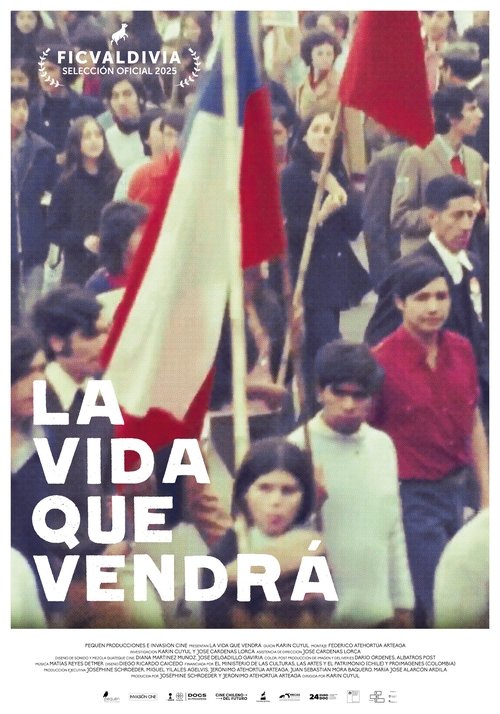
This documentary, made entirely of archival footage shot mainly by amateurs, revisits 50 years of Chilean history. A fascinating lesson in memory, this personal montage adopts a popular, even fringe, perspective to help write a more complete national memory. As the filmmaker asserts in her narration, there’s the history we’re told, the history we live, and the history we tell ourselves. Between the coup d’état of September 11, 1973, and the recent double failure of the new constitution project, this film shows that the people of Chile have long oscillated between excitement and disappointment, accumulating shattered hopes. Rejecting the pessimism that would trap us in collective immobility, Karin Cuyul instead draws on the past to ask how we can continue to dream of the necessary social and political changes.
The Life That Will Come
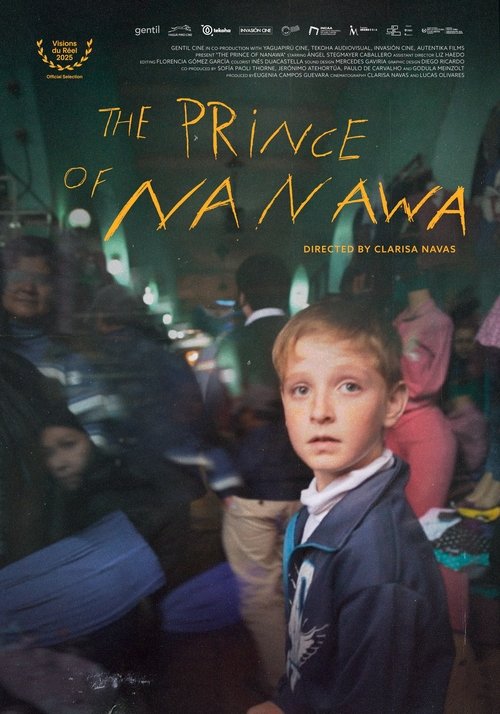
On a bustling footbridge separating Argentina and Paraguay, where people traffic all kinds of things in a mix of Guarani and Spanish, we meet Angel. Over the course of the next ten years, Angel will have to make decisive choices for his future.
The Prince of Nanawa
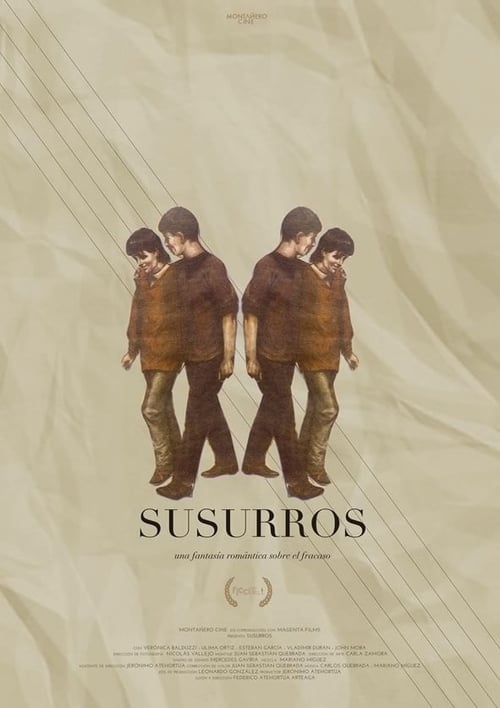
The failure of a film about an old love affair leads to the making of a new film that aims to retrace the steps of that unsuccessful first project.
Whispers: a romantic fantasy about failure

No description available.
Insomnio doméstico
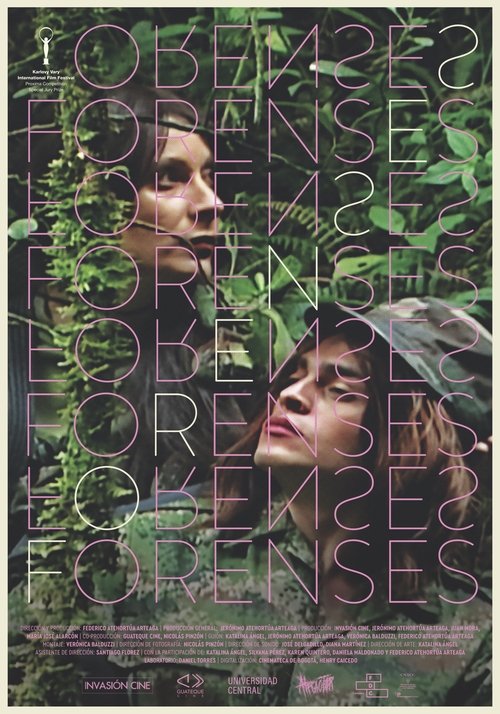
A filmmaker investigates three cases of violence in Colombia, including a murder occurring near his mother’s home. The narrative follows his attempts to reconstruct these lost lives through archival research and the physical traces left in the landscape. This personal inquiry expands into a broader study of how a nation tracks its missing citizens, eventually mapping the overlap between individual family grief and official state processes of forensic recovery.
Forensics
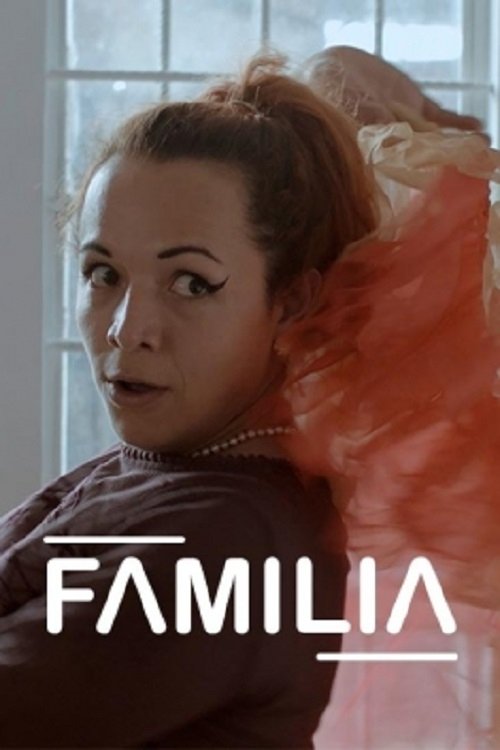
Katalina, Daniela and Máximo live together as a family. Their life changes after the birth of Luciana, Daniela and Máximo's daughter. On the one hand, Katalina decides to look for a new space to live alone, and on the other hand, Daniela and Máximo reflect on what it means to have a family.
Familia
No description available.