Acting
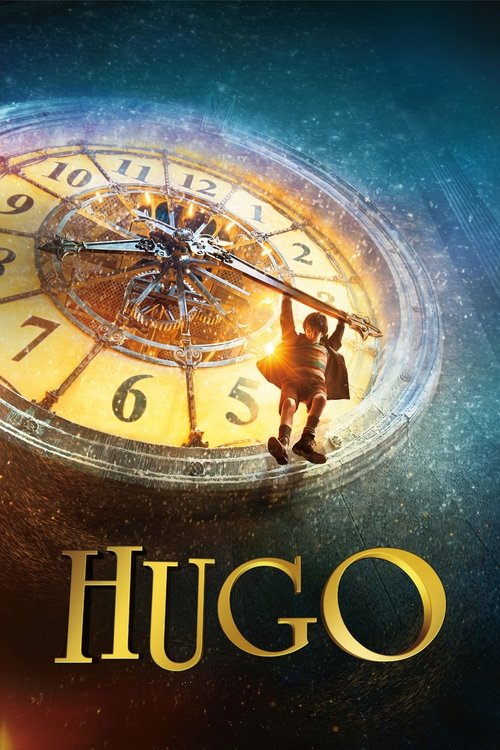
Orphaned and alone except for an uncle, Hugo Cabret lives in the walls of a train station in 1930s Paris. Hugo's job is to oil and maintain the station's clocks, but to him, his more important task is to protect a broken automaton and notebook left to him by his late father. Accompanied by the goddaughter of an embittered toy merchant, Hugo embarks on a quest to solve the mystery of the automaton and find a place he can call home.
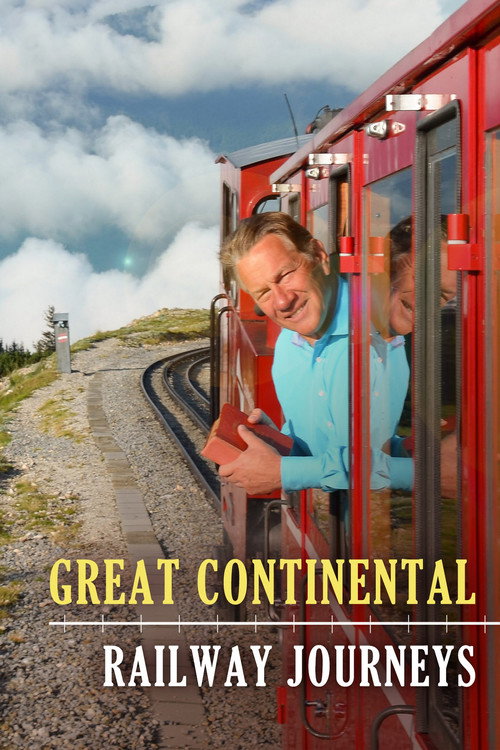
Michael Portillo travels on the great train routes of Europe, as he retraces the journeys featured in George Bradshaw's 1913 Continental Railway Guide.
Big, Bigger, Biggest is a British documentary television series which began airing in 2008. A total 20 episodes have been produced across 3 seasons.
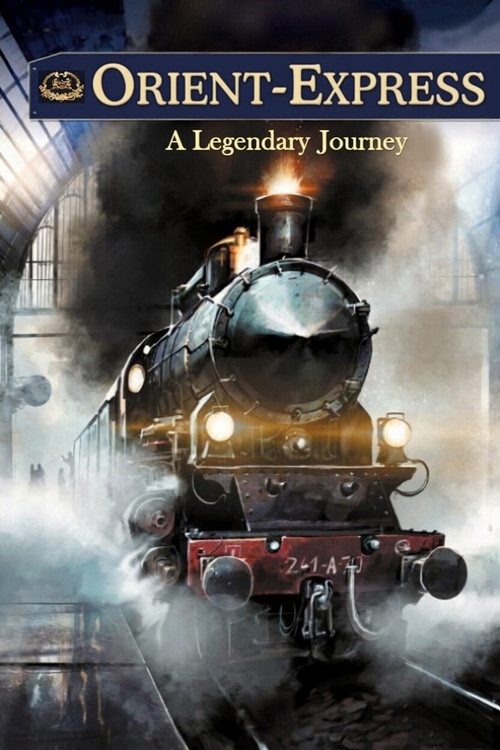
A symbol of luxury and adventure, the Orient Express opened a new path between the West and the East. Mata Hari, Josephine Baker and Agatha Christie, who dedicated a novel to it, contributed to its legend. Delve into the secrets of a legendary train.
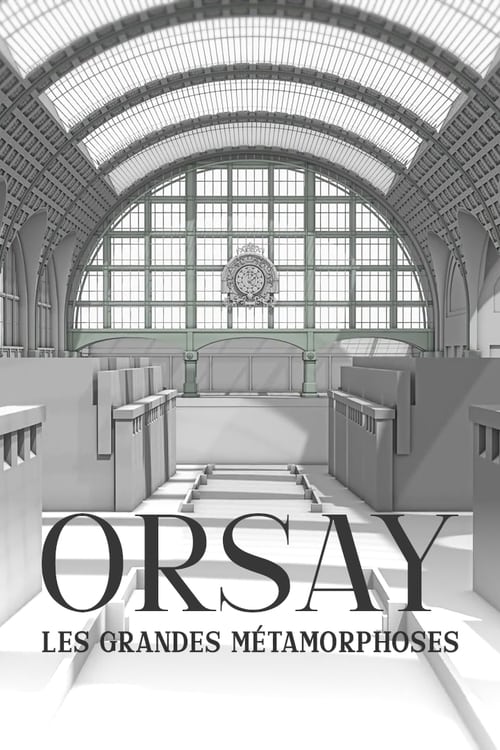
Inaugurated in 1986 by François Mitterrand, a link between the Louvre and Pompidou, Orsay houses the largest collection of Impressionist art in the world. Project after project, the museum has been transformed to modernize and welcome more visitors, while preserving its historic character. Challenges taken up with each new project.
A voyage of discovery as we follow the most astounding freight trains in the world, carrying extraordinary loads on a daily basis. From the deserts of Mauritania to the the freezing mountains of Canada we reveal the daily lives of the train crews as they battle to bring their loads in on time.
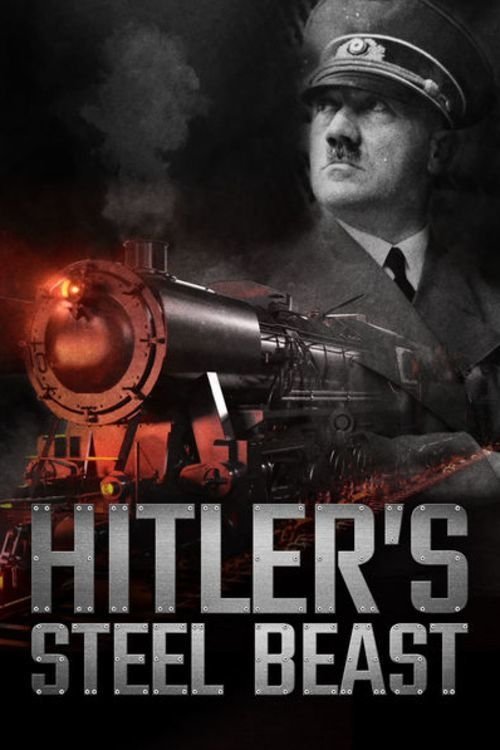
Trace the history of Hitler's armored private train, a 15-car mobile headquarters boasting state-of-the-art communications and anti-aircraft cannons.
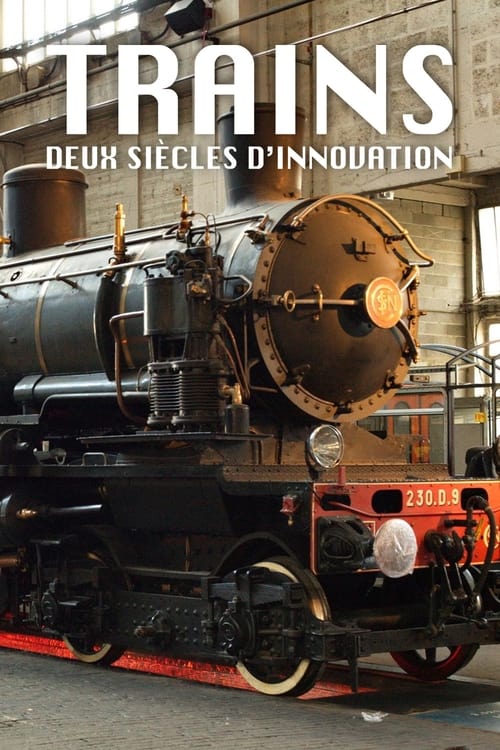
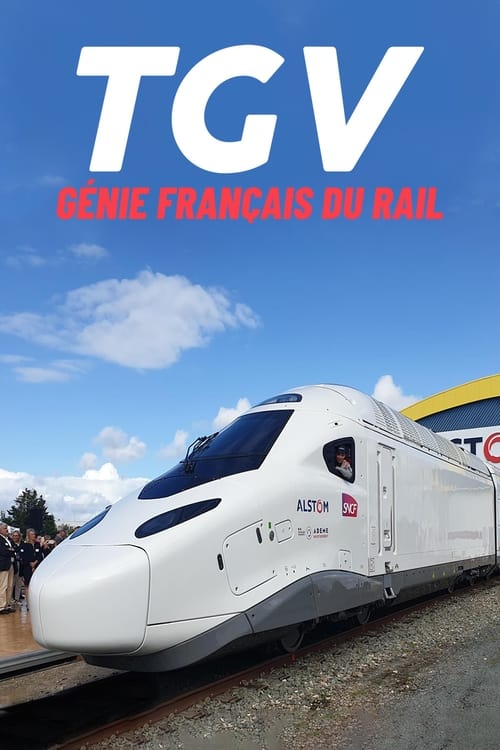
Nearly 200 years ago, the train revolutionized our lives. It redrew the maps of states and nations, and changed concepts of distance and time like no other invention before. What visionaries imagined the development of the railroad? How did we get from the first chugging locomotives to the smooth giants of speed we see today? How does France's extensive rail network keep running smoothly, 24/7?
No description available.
1917, The Train from Hell is an historical documentary about a train accident during WW1.
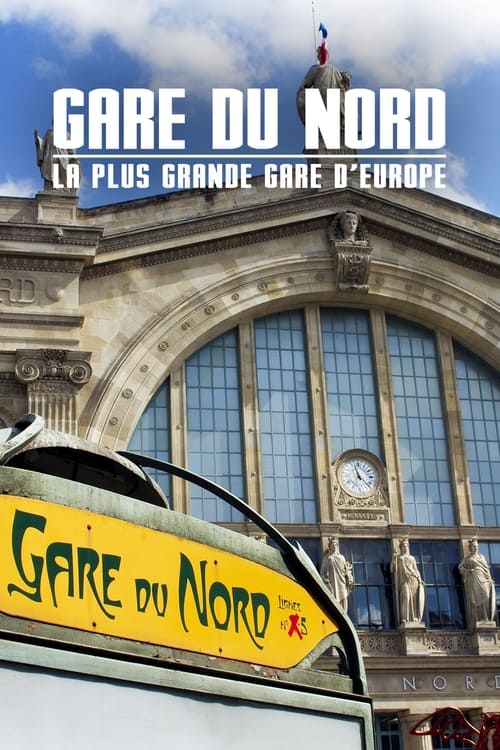
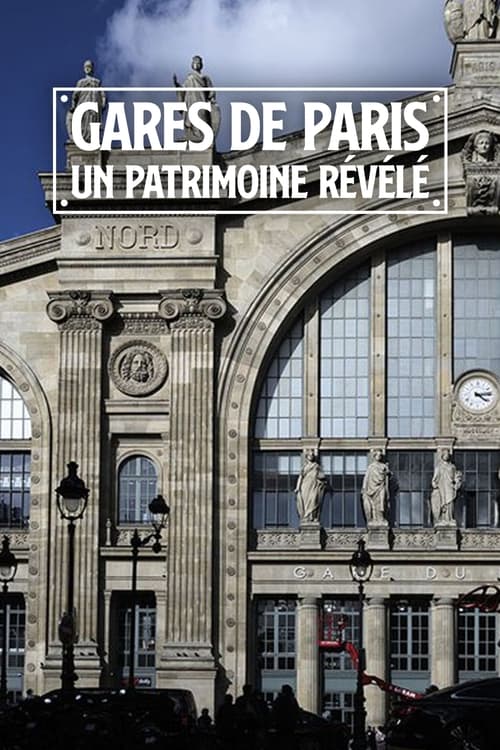
Every day, Paris’ six railway stations welcome over 3,000 trains and more than a million travelers coming from France and all over Europe. The stations’ sizes are impressive: Gare du Nord is bigger than the Louvre or Notre-Dame de Paris. These railway stations are architectural landmarks and a model of urban planning despite the radical changes they’ve undergone since their construction in the middle of the 19th century. How did the railway stations manage to absorb the boom of travelers in just a few decades? What colossal works were necessary to erect and then modify these now essential buildings? From the monumental glass walls of Gare du Nord to the iconic tower of Gare de Lyon, to the first-ever all-electric train station, each has its own story, technical characteristics, and well-defined urban image.
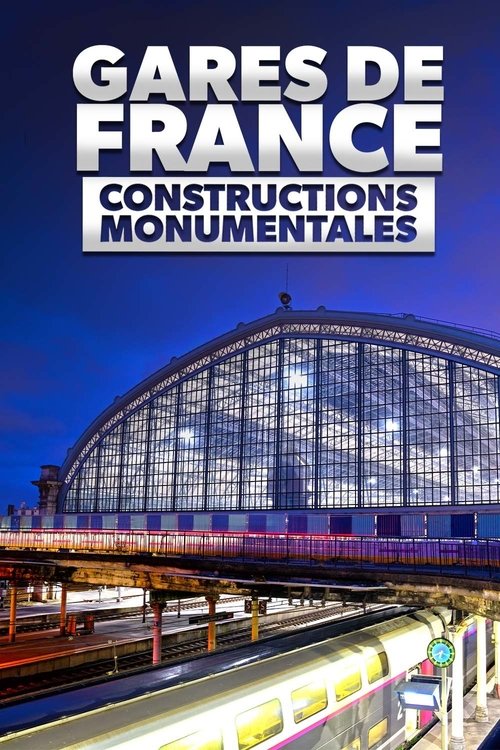
The train stations of Bordeaux, Strasbourg, and Lyon are among the most spectacular in France, designed by the most daring architects and engineers. Three colossal monuments, three multimodal hubs, built in France's largest cities to handle millions of passengers. These stations were equipped with state-of-the-art facilities and technological innovations unique for their time. In Lyon, the Saint-Exupéry station takes the form of a bird spreading its wings, its distinctive feature being the 300 tunnel for TGVs passing at full speed. In Strasbourg, a monumental glass roof completely covers the historic façade of the station, built in 1883 by the Germans. In Bordeaux, a giant 17,400 m² hall defies the laws of gravity with spans of 57 meters, five times the width of the nave of Notre-Dame Cathedral.