Acting
Japanese actor (known for the Battles Without Honor and Humanity film series) and director.
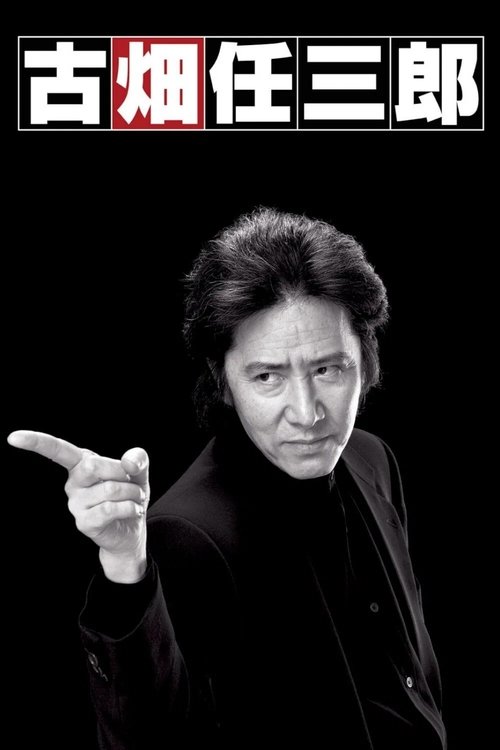
Furuhata Ninzaburō is a Japanese television series that ran periodically on Fuji Television from 1994 until its final episodes in 2006. It was written by Japanese playwright Kōki Mitani and is often referred to as the Japanese version of Columbo. The series is a police detective drama starring actor Masakazu Tamura as Furuhata Ninzaburo and Masahiko Nishimura as his stereotypically bumbling sidekick, Shintaro Imaizumi. The program aired weekly and featured a guest villain each time, usually a famous talent in Japan. Pop-stars like SMAP, television hosts like Sanma Akashiya and even sports figures like Ichiro Suzuki have been featured on this program. It was one of the most popular television dramas in the history of Japanese television, having spawned several seasons and TV specials.
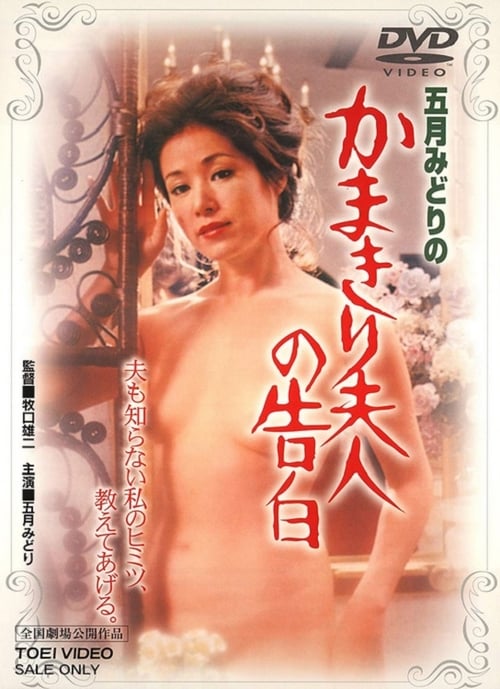
Midori Satsuki stars as a serial seducer who destroys one man’s life after another. Finally she seduces a professional killer, with disastrous consequences.
A barkeeper saves a yakuza boss' life and thus makes his way up in the organization. However, his fear of nothing soon causes problems.
Rivalry between a hoodlum group and a gangster organization.
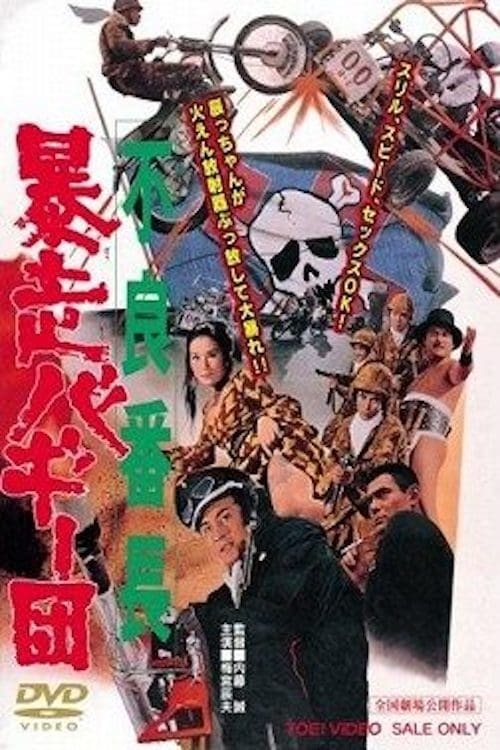
This is the sixth film in the series. There were seventeen Wolves of the City films between 1968 & 1974, in the main aimed at shock-value & “pinku” soft-core with sex, nudity, violence, gunplay, & a lot of mainly pointless foolishness when the biker gang coopts racist or nazi imagery, inventing a non-existent youth culture void of morality…
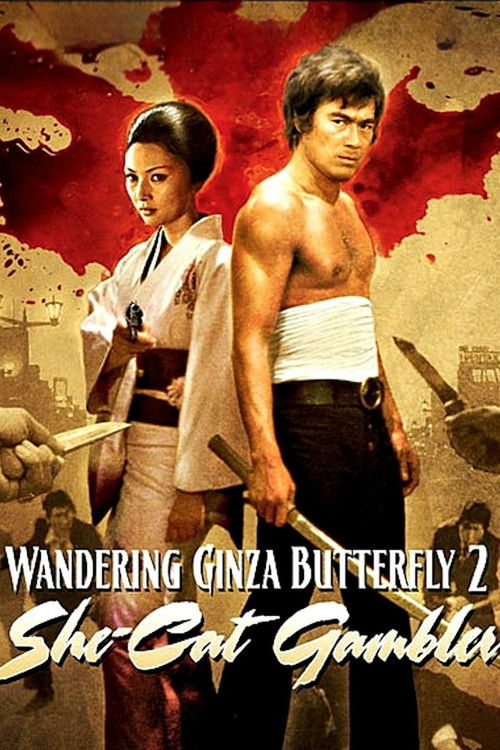
Meiko Kaji reprises her role as Nami, a vengeful female gang leader, in the second installment of this high-action series that casts a new actor -- martial arts legend Sonny Chiba -- in the role of Nami's loyal friend Ryuji. This time around, Nami is looking for Hoshiden, the man who murdered her father and shattered her once-hopeful childhood. But living under an assumed name, Hoshiden could stay hidden forever.
A local yakuza boss of a silk farming town shows kindness to the wandering gambler Oryu by letting her stay at his residence. When a rival yakuza gang, who wants to take over the town’s businesses, murders him, Oryu is obliged to protect his children and business.
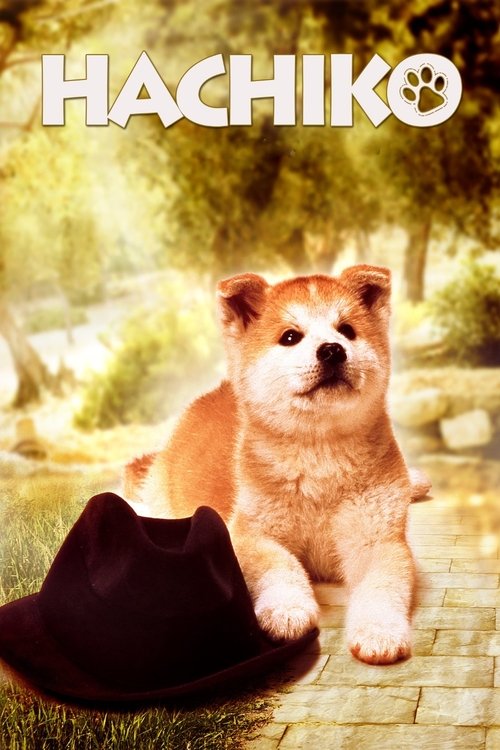
The tragic, true story about Hachikō, an Akita dog who was loyal to his master, Professor Ueno, even after Ueno's death.
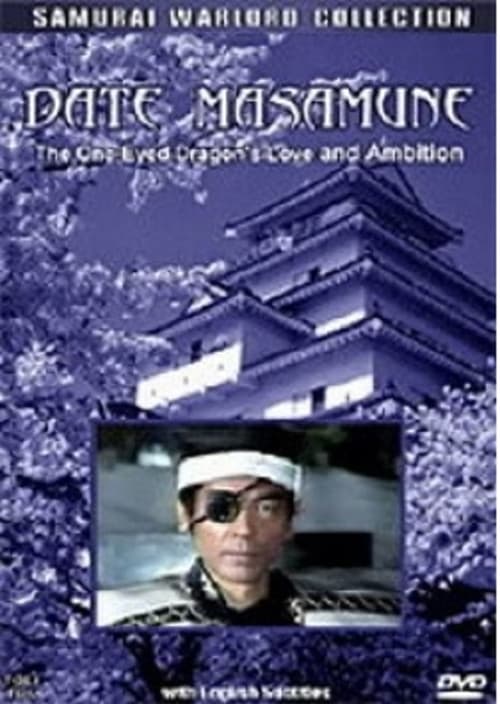
The live of the daimyo Date Masamune
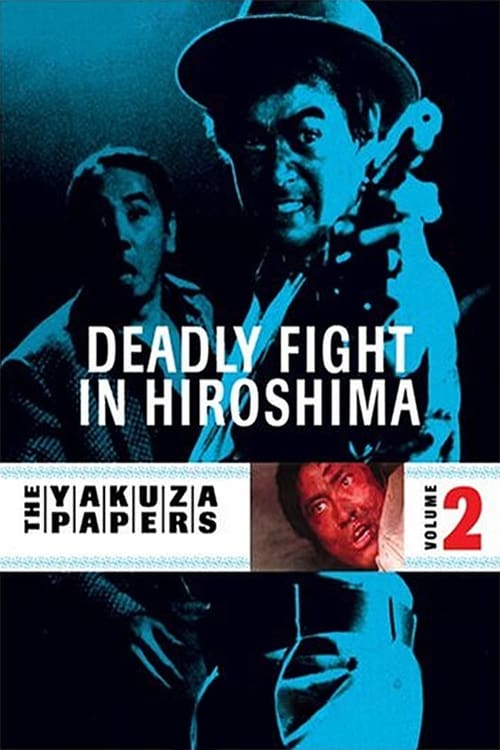
Repeatedly beat to a pulp by gamblers, cops, and gangsters, lone wolf Shoji Yamanaka finally finds a home as a Muraoka family hitman and falls in love with boss Muraoka's niece. Meanwhile, the ambitions of mad dog Katsutoshi Otomo draws our series' hero, Shozo Hirono, and the other yakuza into a new round of bloodshed.
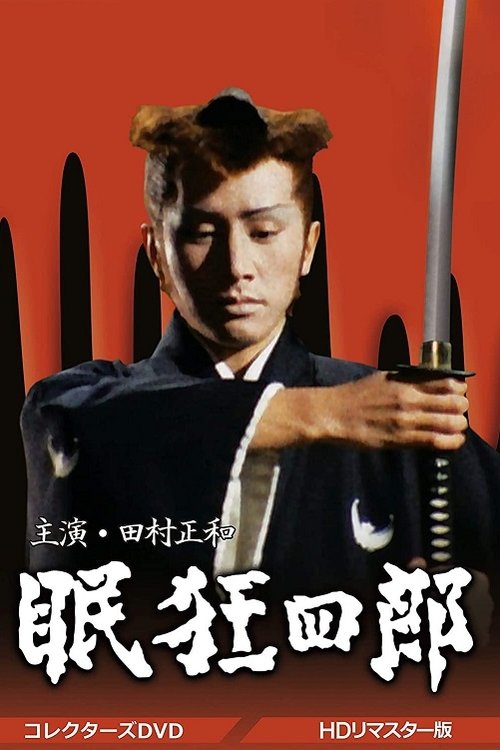
Thirteen years after his mother took her own life as a ritual sacrifice for the Black Mass, samurai Kyoshiro (Masakazu Tamura), who lives his life with his eyes turned away from happiness, uses his beloved sword to slay his enemies who come at him.....
A ruffian joins the ranks of the emperor’s guards.
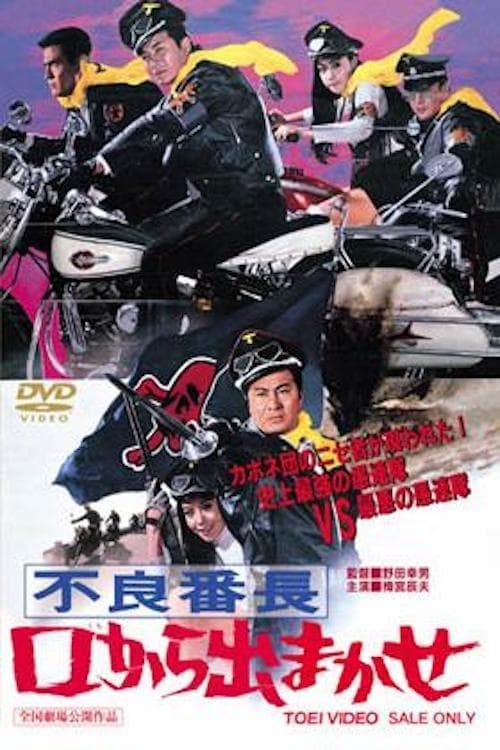
Interesting fights between the "Capone Group" and "Jumbo Group".
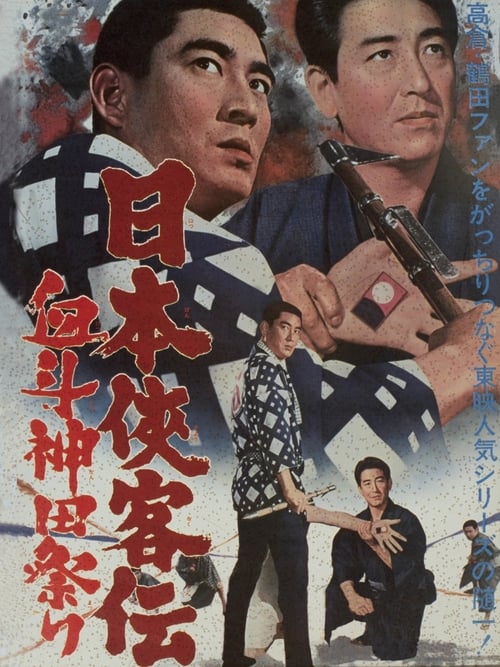
The Domain: Kanda Festival Showdown
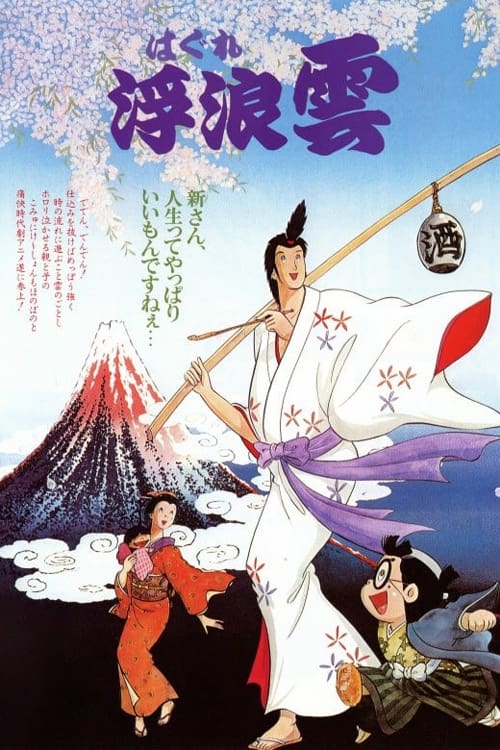
Retired samurai Kumosuke lives quietly, not to say idly, in Edo (old Tokyo) with his wife and two children, a young boy named Shinnosuke and an infant girl, Ohana. While he nominally runs a courier business to earn a living, he seems to spend most of his time smoking his pipe, drinking sake, and chasing women. The arrival of a Shinsengumi squad led by a young swordswman, Ichimonji Hyougo, disrupts this peaceful routine, forcing Kumosuke to defend himself.
Rivalry between a hoodlum group and gangster organization.
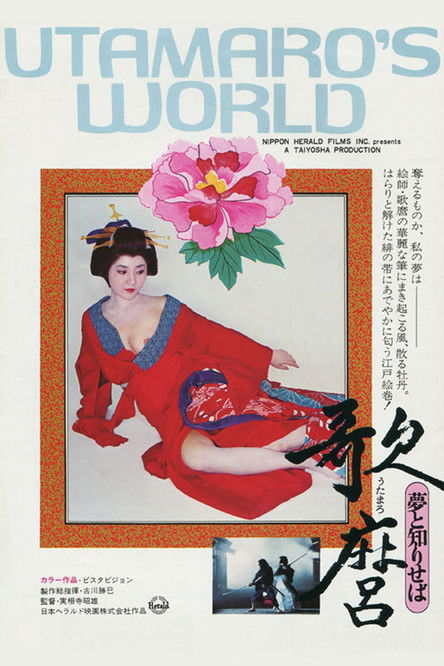
Utamaro was an artist who lived in Edo (which was later to become modern-day Tokyo) in the late 18th century. This film, which has a complex and wide-ranging storyline, recreates the world of that time, as it appeared in Utamaro's paintings.
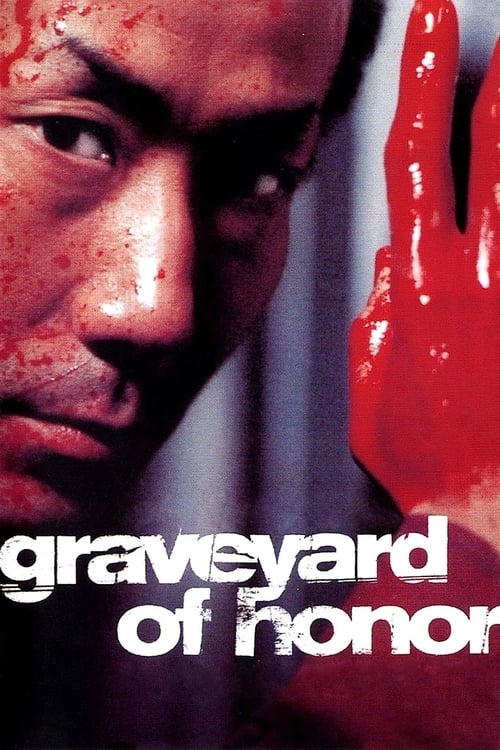
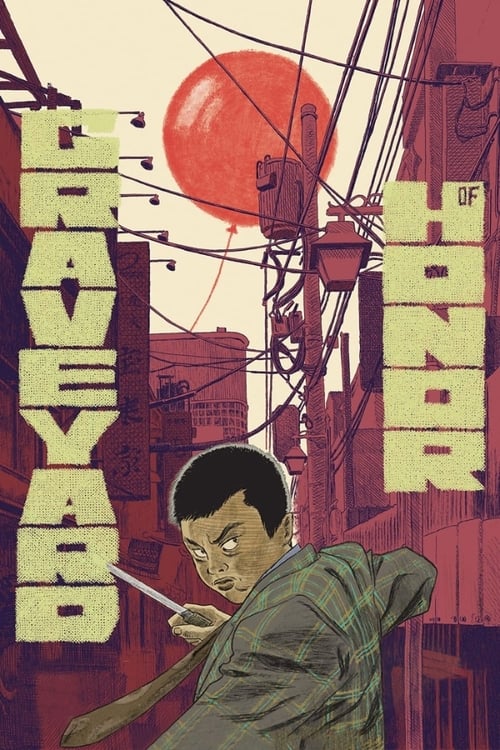
A self-destructive man becomes a powerful member of the yakuza but quickly loses his self-control. Based on the true story of Rikio Ishikawa.
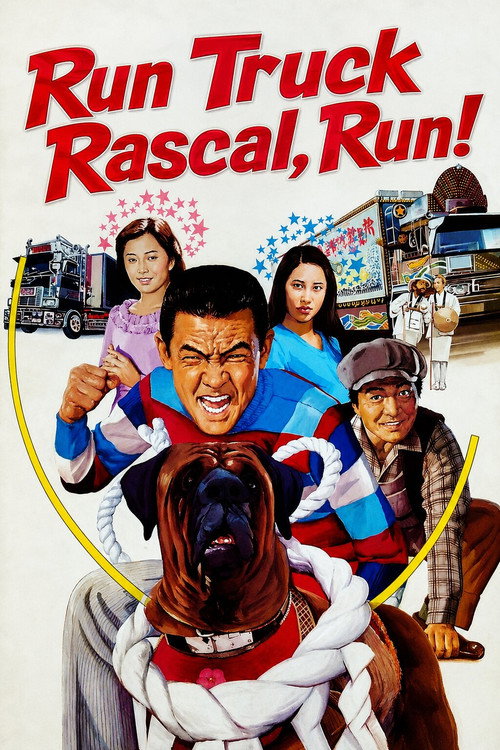
Momojiro and Jonathan go to Kochi on a ferry. On the ferry a singer called Yuka dropped her sheet music into the ocean. Momojiro helps her by diving in to collect the sheets for her and ends up falling in love.
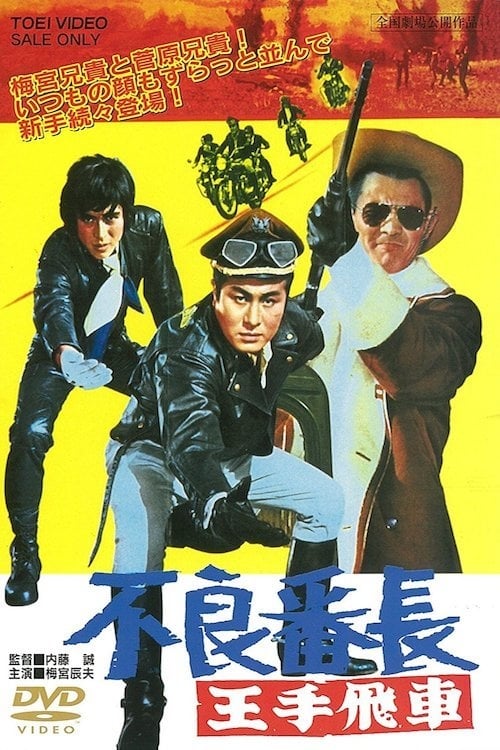
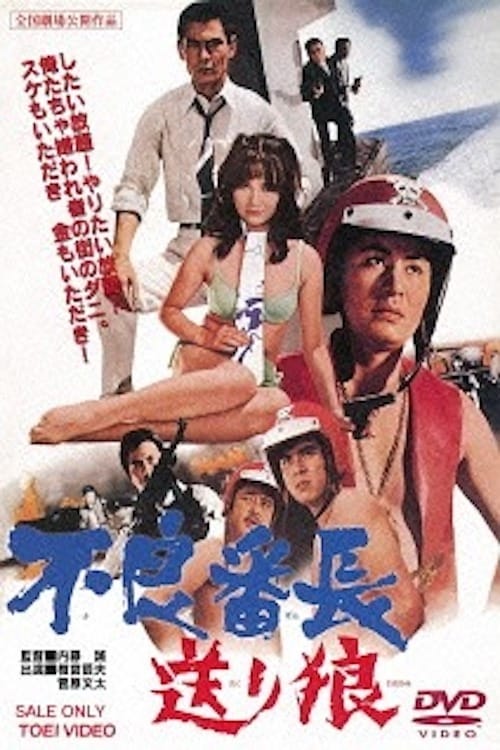
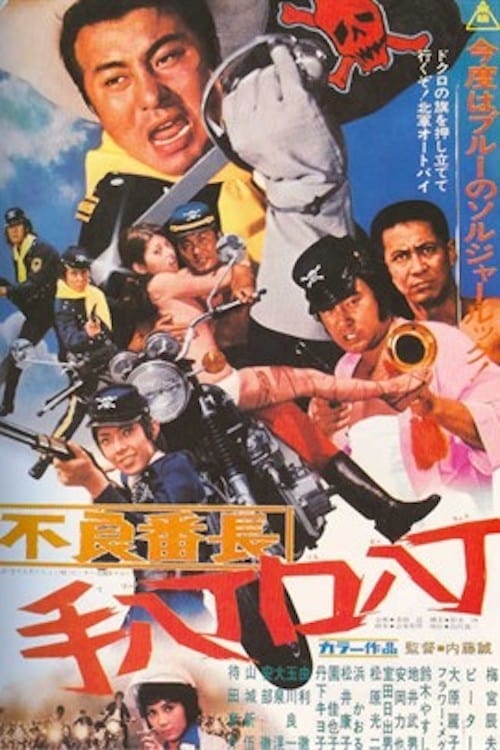
This is the Twelfth film in the series. There were seventeen Wolves of the City films between 1968 & 1974, in the main aimed at shock-value & “pinku” soft-core with sex, nudity, violence, gunplay, & a lot of mainly pointless foolishness when the biker gang coopts racist or nazi imagery, inventing a non-existent youth culture void of morality…