FEEL IT.STREAM
Ossi Oswalda

Ossi Oswalda

Acting

Biography

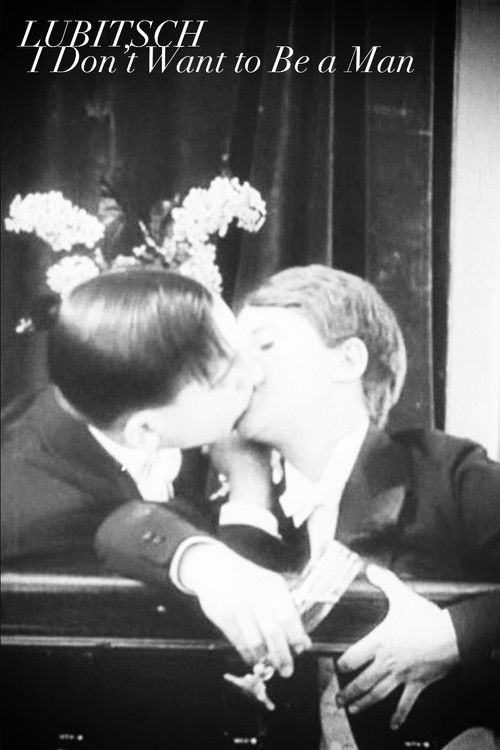
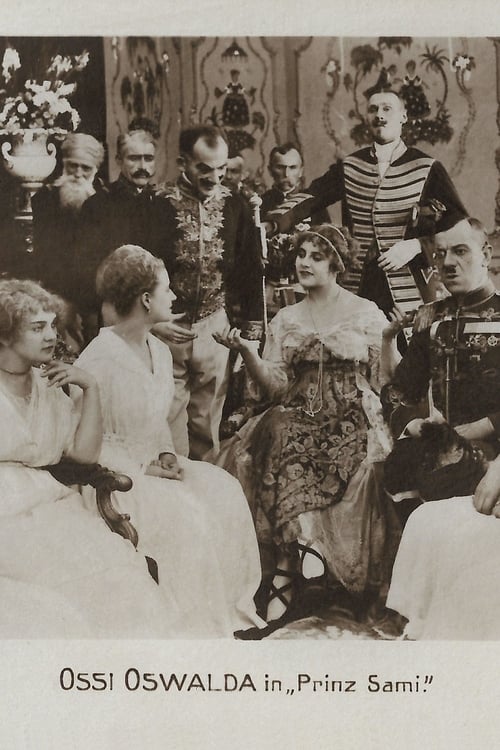
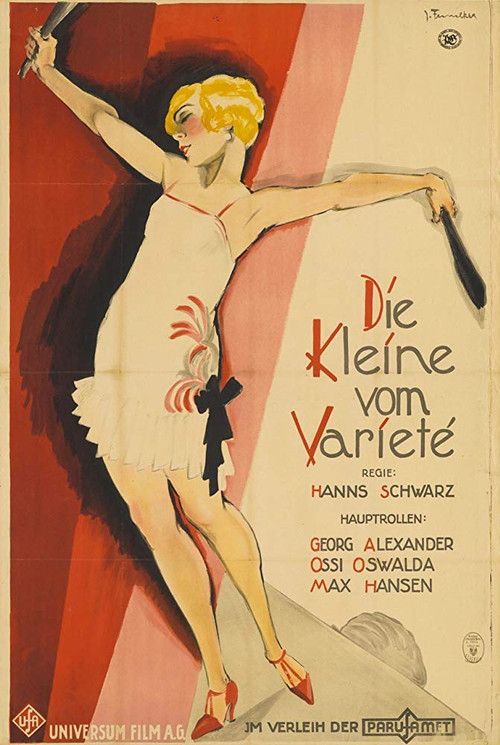
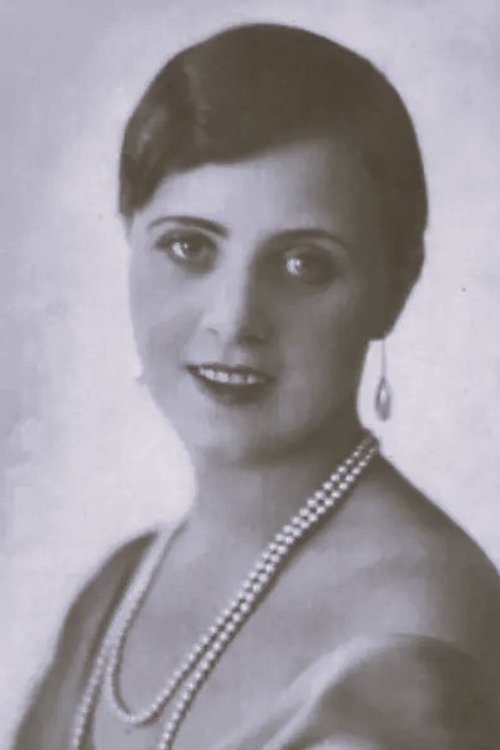
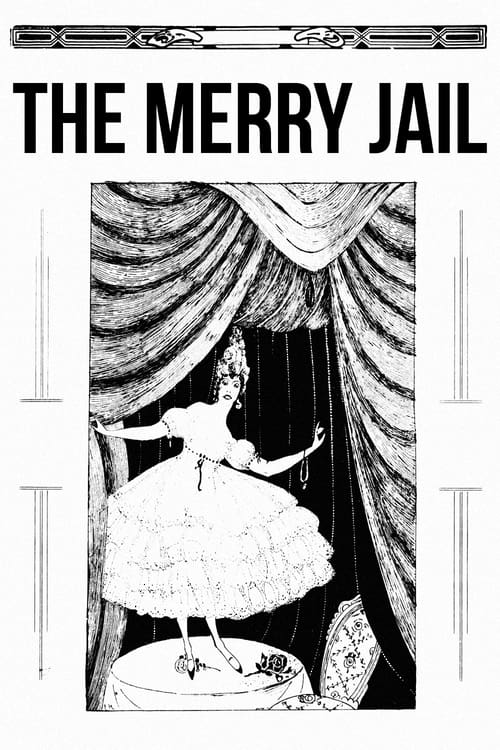
Ossi Oswalda (born Oswalda Amalie Anna Stäglich, 2 February 1897 – 7 March 1947) was a German actress, who mostly appeared in silent films. She was given the nickname 'The German Mary Pickford' due to her popularity at the time. Oswalda trained as a ballerina and became a dancer for a theater in Berlin. She made her film debut in Richard Oswald's Nächte des Grauens (Night of Horrors) before being discovered by the actor and screenwriter Hanns Kräly, who in turn recommended her to director Ernst Lubitsch. During her early career, she starred in several films by Lubitsch, including The Merry Jail, I Don't Want to Be a Man, The Oyster Princess and The Doll. Her popularity at the time earned her the nickname 'The German Mary Pickford'. In 1921, Oswalda started her own film production company with her husband at the time, the Hungarian Baron Gustav Wilhelm Viktor Freiherr von Koczian-Miskolczy (1877–1958). However, during the next four years they only produced four films, all starring Oswalda. From 1925 on, she was contracted to Ufa. The couple divorced in 1925, and Oswalda began a high profile affair with Wilhelm, German Crown Prince. Oswalda's career waned along with the silent film era, and she only acted in two sound films, making her final appearance on screen in the 1933 film The Star of Valencia. She escaped Nazi Germany and emigrated to Prague with her partner Julius Aubenberg in the 1930s. Later on, she became a stage actor, and in 1943, wrote the screenplay for the Czechoslovakian film Čtrnáctý u stolu. By spring 1947, Oswalda went bankrupt and was suffering from multiple health problems. Oswalda died penniless in Prague at the age of 50. She is buried at Olsany Cemetery.

Known For

No image
7.0

The Swabian journeyman watchmaker Christoph Bühler is in love with Lorle, the daughter of his boss. One day, the factory owner Ferdinand Hausegger woos Bühler away, whereupon the young man seems to forget the Swabian girl. Only after four years does he propose to her, but the marriage is not under a good star. While Christoph, who has long since moved away from the Swabian province with his wife, makes a career for himself, he neglects his Lorle more and more and soon seems ashamed of her simple origins. Feeling unloved and misunderstood, Lorle finally leaves him and returns to her familiar home in the Black Forest. Only now does Christoph realize what he has in his wife. He is transferred and becomes the manager of a Hausegger branch in the Black Forest. Now nothing stands in the way of reconciliation.

The Swabian Maiden

1919Movie
No image

The new artistic director Dr. Fersen is appointed at the princely court theater in Dillingen. He is not only attractive, but also a bachelor, which delights the local women. But even the men of the town suddenly show an affinity for the theater, as a new prima ballerina has been hired in the form of the dancer Ossi. Prince Adolf himself is delighted with Ossi and never misses one of her performances. The envious are not long in coming, especially the president of the Dillingen Women's Association is suspicious of the current events. This is hardly surprising, as an unwritten law in Dillingen states that the theater's prima ballerina must be married. This suits Ossi and Dr. Fersen, as the two have been seeing each other in secret for some time. The marriage is quickly arranged. The only downer for the couple is that the Dillinger's interest in art has suddenly disappeared. Lost.

The Ballet Girl

1918Movie