Acting
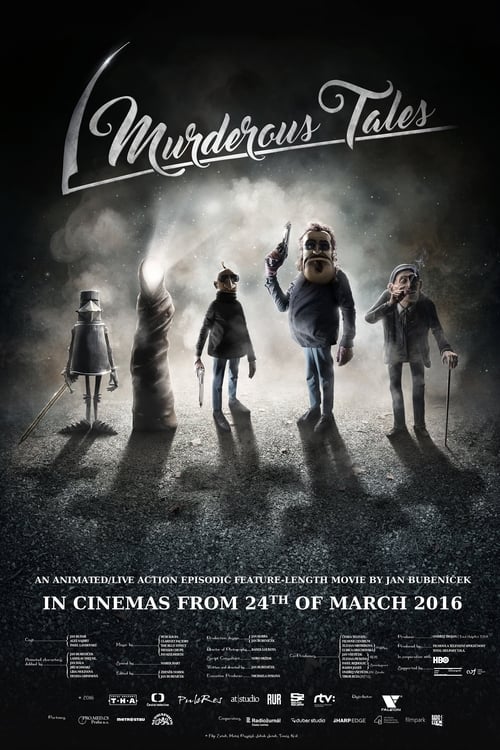
MURDEROUS TALES is a special effect animated feature film combining live actors with 3D/2D animation, puppets and back projection. It contains three stories: Antonio Cacto, Lighthouse and The Big Man, plus three ultra-short films called Charge the Dragon. Each episode uses different production technology and is in a different genre, but both their form and their content are related. All the episodes are about double standards and the topics of heroism and death. Something very small meets something very big (a tiny knight meets a huge dragon, an old Mexican goblin meets a man, a tiny Professor meets real-life cows, two mobsters meet the Big Man). All these meetings result in the heroic death of the small principal characters. Each script sees heroism and death differently.
No description available.
With his father's memory waning, a struggling forester must confront the troubling reality about his livelihood and his family's future.
Two families, Sebkovi and Krausovi, are celebrating Christmas, but not everyone is in a good mood. The teenage kids think that their fathers are totally stupid, and the fathers are sure that their children are nothing more than rebels, hating anything they say.
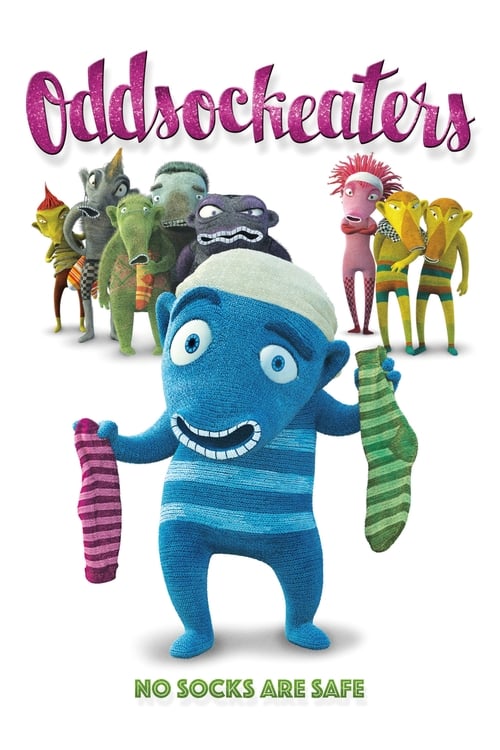
Oddsockeaters are small invisible creatures, responsible for socks that go missing when we only have one left from a pair. But unlike them, Seed’s gang wants to have a pair. In the end, they began their fight between two sets of values.
Anna, a 16 year-old girl from the sticks, trades her military education for life in the big city Running away to Prague opens a whole new world where she drinks her first cappuccino and meets the kind of people she has only seen in movies.
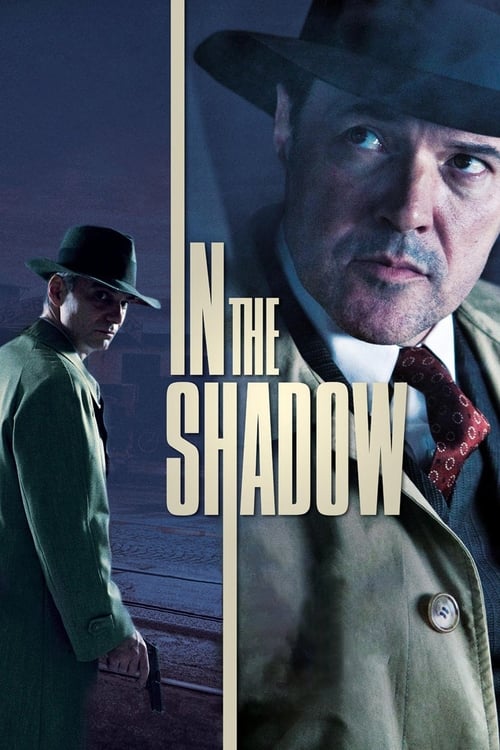
In the former Czechoslovakia, 1950s, police captain Hakl investigates a jewelry robbery. An opened safe deposit leads to a known burglar. What seems an easy case soon starts to tangle. When he is called off the case, he continues on his own. The investigation leads him onto thin ice. Can he beat a stronger enemy and save his family and his own life?
Capturing the dark humor of Czech author Michal Viewegh's chronicle of life after the Velvet Revolution, this black comedy chronicles three decades in the life of a small Czech family. While the original novel centered on the protagonist Kvido from his conception through his adulthood, first time director Petr Nikolaev and screenwriter Jan Novak changed the focus to his parents Milena, an extremely self-effacing lawyer who acts on stage in her spare time, and Ales, a rather aimless government worker who tends to drift wherever the wind takes him. The lives of Ales and Milena change dramatically following the Russian invasion of Prague in 1968.
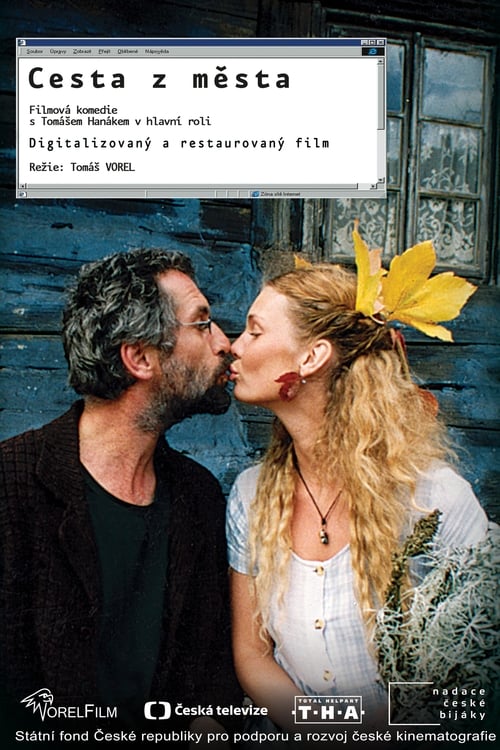
A computer programmer and his son are going out of the city for vacation.
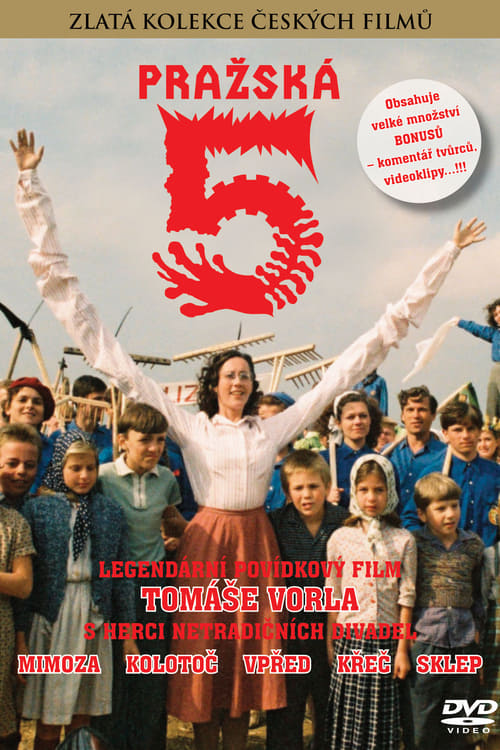
Director Tomáš Vorel created his experimental feature debut with members of renowned Prague non-traditional auteur theaters. The ensembles presented their own poetics and style through five "short stories" connected by satirical commentary by the "expert" Dr. Milan Šteindler, CSc.
Martin is an innocent lad from small-town Mlada Boleslav who comes to big-city Prague, hoping to exchange his krona for deutschemarks so that he can visit Germany. A local spiv named Robert obliges Martin, but at an unfair exchange rate. When Martin finds out he was rooked, he plans revenge on Robert ... but then decides to join Robert's gang instead.
A striking generational tragicomedy, A Hoof Here, a Hoof There is a caustic group portrait of pals who enjoy a tipple, all kinds of hi-jinks and no-strings sexual adventures. Auditor Pepe, vet Dědek and restaurant manager František are financially secure and enjoy life with their similarly fun-loving girlfriends—at least until the moment when the brash Pepe collapses and ends up in hospital.
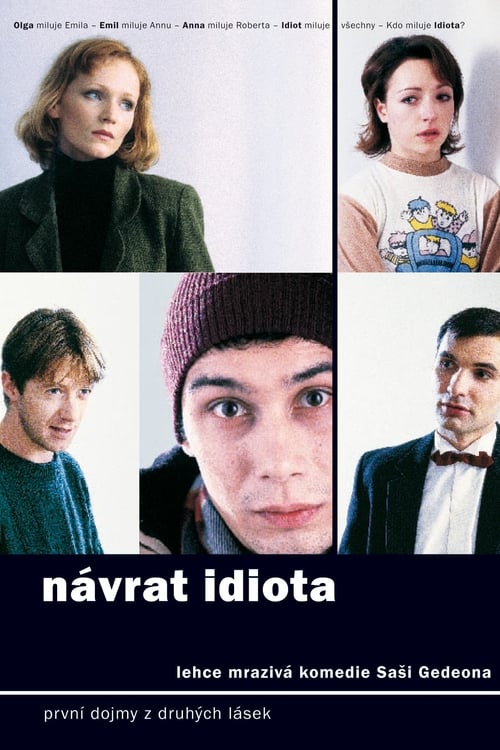
Frantisek, the main character is returning to his family. Until now he's been, "successfully" avoiding all relationships. He is an ingenuous and a pure person and thus, is regarded as an idiot. He becomes involved in various love and family conflicts. It is because he hasn't experienced much of the "real" life that he is able to perceive human relationships in their genuineness.
The film is based on a legendary school film of Tomáš Vorel, called INg (1985). The storyline stays the same - a young engineer finds a new job and wants to work, this proves to be impossible in the last days of the communist era.
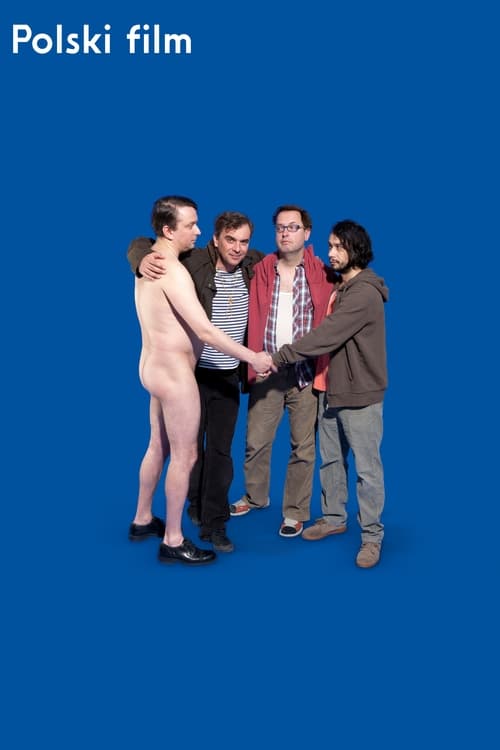
“The fact that I’m playing myself doesn’t mean that it’s me.” Four old schoolmates, today well-known Czech actors (Pavel Liška, Tomáš Matonoha, Josef Polášek and Marek Daniel), decide to make a movie together. Their ambitious colleague Jan Budař takes up directing duties and financing has arrived from Poland. What started out pleasantly enough, however, soon goes awry. Liška’s pronunciation difficulties, Daniel’s alter ego Havlát, and Matonoha’s financial machinations turn the shoot into a fight for survival. More than just a film about friendship and the absurdity of actors’ lives, director Marek Najbrt gives us a witty meditation on reality and illusion, and a unique take on the reality film genre. One of Pavel Liška’s on-set comments (“I didn’t know if I should act as if I were acting, or act as if I weren’t acting, or just not act at all”) illustrates the provocative nature of Najbrt’s subversive, quasi-documentary game.